You walk into a hotel suite, and something just feels… different. The air smells good. The bed looks like a cloud you could sink into forever. The light is soft, not harsh. It’s calm. It’s expensive. Or so it seems. But here’s the thing: that feeling isn’t reserved for five-star resorts or million-dollar mansions. You can have it in your own home. Right now. Even if your bank account is screaming at you to stop spending.
We’ve all been there. Scrolling through Pinterest, seeing those perfect, airy rooms with marble accents and velvet headboards, and feeling a pang of jealousy. It’s easy to think you need a massive renovation budget to get that look. You don’t. In 2026, the design world has shifted. It’s less about buying the most expensive thing and more about knowing where to put your money—and where to save. It’s about secrets. Little tricks designers use to fool the eye. And guess what? You can use them too.
Let’s be real. Your bedroom is your sanctuary. It’s where you start and end every day. It deserves to feel special. Not cluttered. Not cheap. Just… nice. So, how do we get there without emptying our wallets? We start by changing how we look at the space. We stop seeing "budget" as a limitation and start seeing it as a challenge to be creative. Because honestly? Some of the most stylish rooms I’ve seen weren’t filled with designer labels. They were filled with intention.
Lighting: The Invisible Luxury
Lighting is everything. Seriously. If you take one thing away from this, let it be this: overhead lights are the enemy of cozy. That single, bright bulb in the center of the ceiling? It makes a room feel flat. Sterile. Like a doctor’s office. To get that high-end vibe, you need layers. Think of it like dressing for the weather. You don’t just wear one big coat. You wear a base layer, a sweater, maybe a scarf. Lighting works the same way.
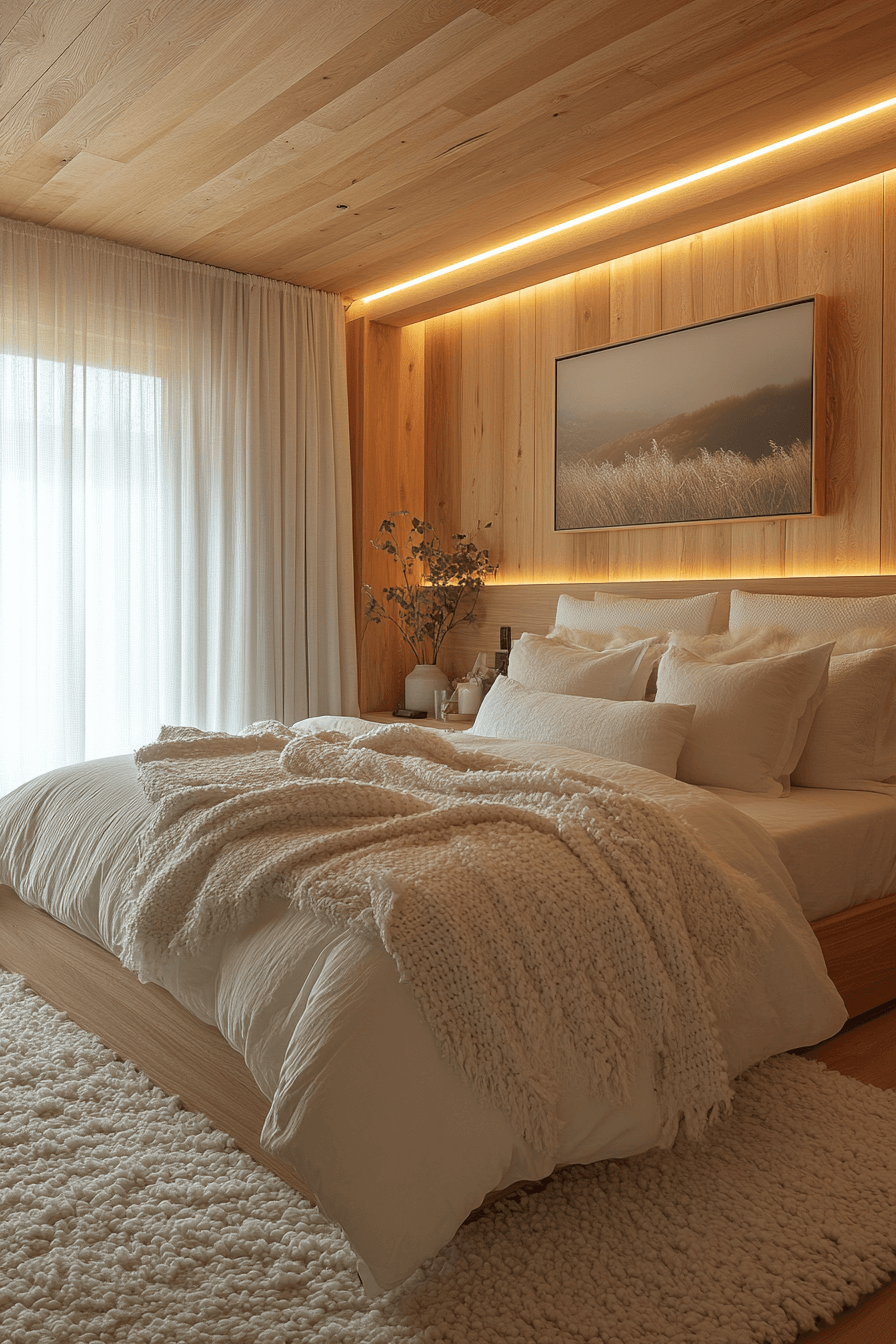
Start with ambient light. This is your soft, general glow. Maybe it’s a floor lamp in the corner with a warm-toned bulb. Then, add task lighting. These are your bedside lamps. But here’s the trick: make sure they’re at eye level when you’re sitting up in bed. Not too high, not too low. And please, swap out those cool white bulbs for warm whites (around 2700K). It makes skin tones look better and the whole room feel warmer. Finally, add accent lighting. A small LED strip behind your headboard or a tiny spotlight on a piece of art. It creates depth. Shadows. Mystery.
You don’t need to buy expensive fixtures either. Thrift stores are goldmines for vintage lamps. A quick coat of spray paint in matte black or brass can transform a dated ceramic lamp into something chic. Or, skip the lamp entirely and use plug-in wall sconces. They save nightstand space and look incredibly custom. Designers swear by this because it draws the eye up, making the ceilings feel higher and the room more grand. It’s a small change with a huge impact.
Bedding: The Art of the Fluff
Let’s talk about the bed. It’s the biggest thing in the room. If it looks sloppy, the whole room looks sloppy. If it looks plush and inviting, the whole room feels luxurious. The secret isn’t necessarily buying $500 sheets (though nice cotton is great). The secret is in the inserts. You know those throw pillows that look flat and sad after a week? That’s because the inserts inside are cheap polyester fluff. Swap them out.
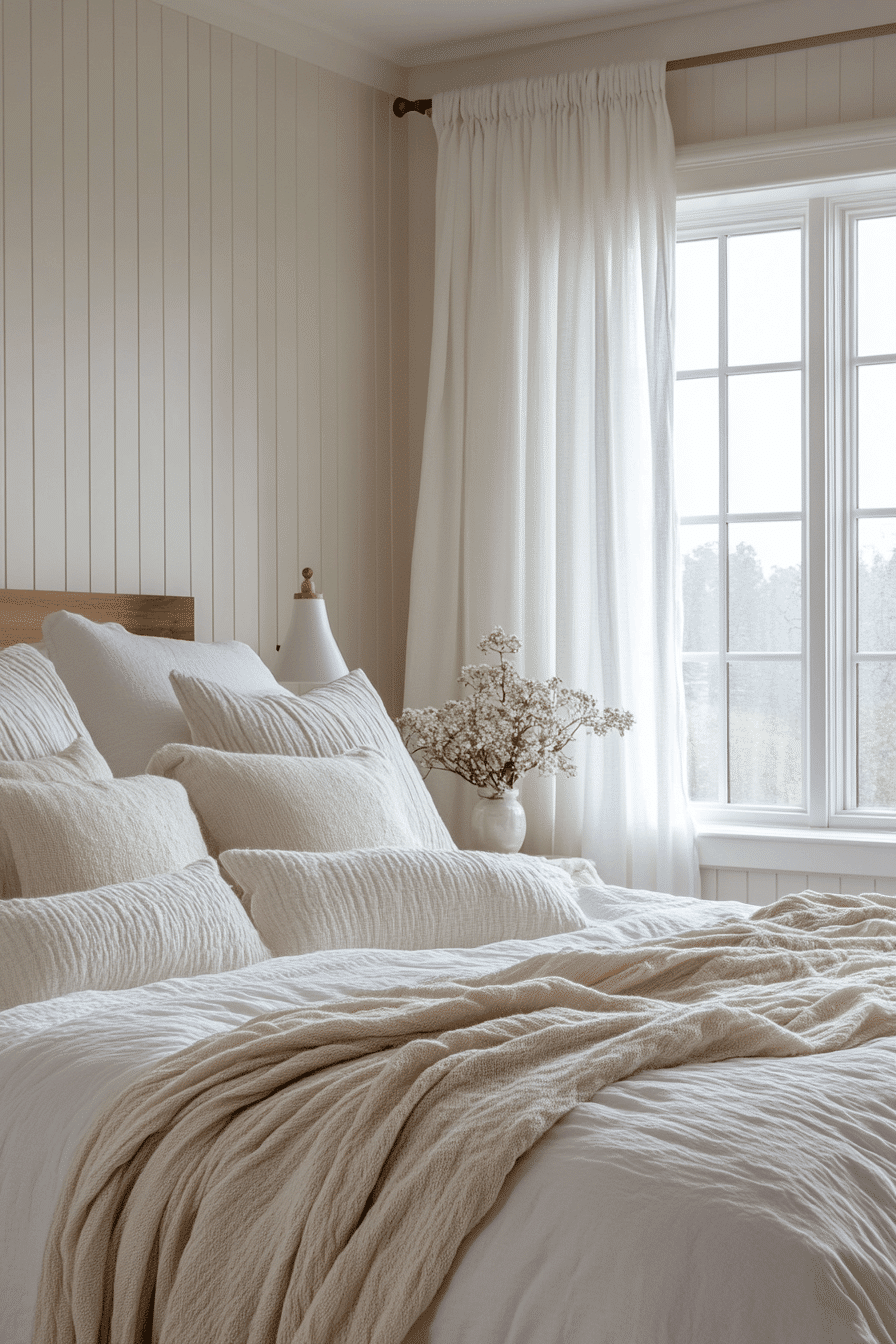
Go for down-alternative or feather inserts. They cost a bit more upfront, but they make your pillow covers look full, round, and expensive. When you fluff them, they actually stay fluffy. It’s an instant upgrade. And don’t stop at the shams. Layer your bedding. Start with a fitted sheet, then a flat sheet folded over the top of the duvet. Add a quilt or a lightweight blanket in a contrasting texture. Then the duvet. Then the pillows.
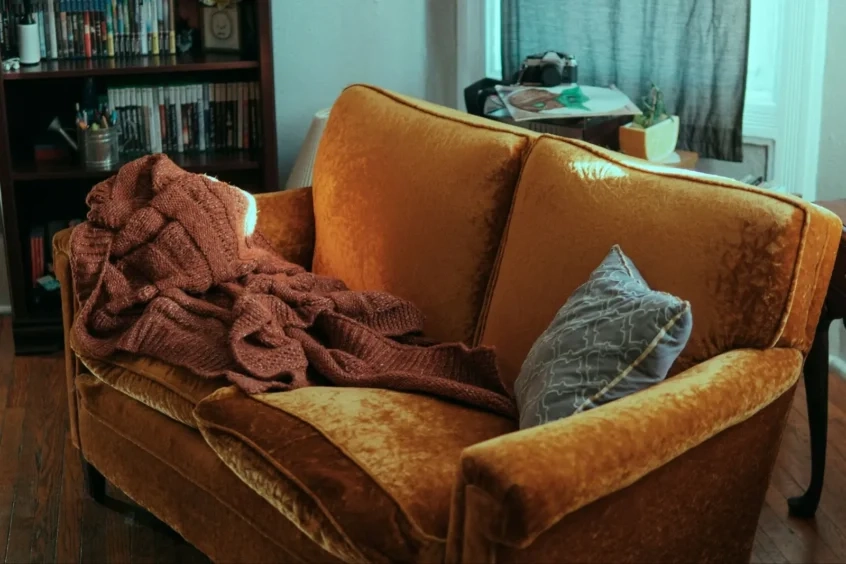
The key here is texture. Mix materials. Linen sheets with a velvet throw. A chunky knit blanket at the foot of the bed. Silk pillowcases for your actual sleeping pillows (great for your hair, too). This mix of textures catches the light differently and adds visual interest. It makes the bed look curated, not just made. And keep it neutral. Whites, creams, soft grays, or earthy tones. They look cleaner and more sophisticated than busy patterns. Plus, they’re easier to mix and match if you want to change things up later.
The Power of Paint and Walls
Paint is the cheapest makeover in existence. A gallon of good quality paint costs maybe $50. But it changes everything. If your walls are dingy or dated, a fresh coat of color is the first step. But don’t just pick any white. Pick the right white. Warm whites make a room feel cozy. Cool whites feel modern but can be stark. Test samples on your wall. Look at them in the morning light and at night. It matters.
But here’s a pro tip: don’t stop at the walls. Paint your trim. Paint your door. Paint the ceiling if it’s not stark white already. When everything is the same shade (or very close), it blurs the lines of the room. It makes the space feel larger and more seamless. It’s a trick used in high-end hotels to create a sense of enveloping calm. If you’re feeling bold, try an accent wall. But not just any accent wall. Try painting the wall behind your bed a deep, moody color. Navy, charcoal, or even a dark green. It grounds the space and makes the bed the focal point.
If painting feels like too much commitment, look at wallpaper. But not the cheap, sticky kind. Look for peel-and-stick options from reputable brands. They’ve come a long way in 2026. You can find realistic textures, subtle geometrics, or even faux grasscloth. Use it on just one wall, or even just inside a closet door for a surprise pop of luxury. It adds pattern and depth without the permanence or the high cost of traditional wallpaper installation.
Furniture: Thrift, Flip, and Focus
You don’t need a matching bedroom set. In fact, matching sets often look cheaper because they lack character. High-end design is about curation. It’s about pieces that look like they’ve been collected over time. So, hit the flea markets. The thrift shops. Facebook Marketplace. Look for solid wood pieces. Avoid particle board if you can. A sturdy wooden dresser from the 70s can be sanded down and stained for a fraction of the cost of a new one.
Focus on one or two statement pieces. Maybe it’s a unique headboard. You can make one yourself using foam board and fabric for a upholstered look. Or use an old wooden door as a headboard. It’s rustic and chic. Maybe it’s a vintage mirror above the dresser. Mirrors are magic. They reflect light and make the room feel twice as big. Look for ones with interesting frames—gold leaf, carved wood, or simple black metal.
And don’t forget the hardware. This is the jewelry of your furniture. Swapping out cheap, plastic-looking drawer pulls for solid brass or matte black knobs can completely change the look of a basic IKEA dresser. It takes ten minutes and costs maybe $20. But it makes the piece look custom. It shows attention to detail. And that’s what luxury is really about. Attention to detail.
Clutter Control and Styling
Luxury hates clutter. Not because rich people have less stuff, but because they hide it well. Your bedroom should feel open. Breathable. So, get rid of the noise. Clear off your nightstands. Only keep what you absolutely need. A lamp. A book. A glass of water. That’s it. Hide the chargers. Hide the remotes. Use drawers. Baskets. Trays.
Speaking of trays, they are a stylist’s best friend. Put a small tray on your nightstand or dresser. Arrange a candle, a small plant, and a piece of jewelry on it. Suddenly, those random items look like a deliberate vignette. It’s organized chaos. Well, mostly organized. Group things in threes. It’s a classic design rule that works. A tall item, a medium item, a small item. Visual balance.
Art matters too. You don’t need original Picassos. Print out high-resolution images of art you love. Frame them in simple, clean frames. Black, white, or natural wood. Hang them at eye level. Not too high. A common mistake is hanging art too close to the ceiling. Bring it down. Connect it to the furniture below it. If you have a dresser, hang the art so it floats just above it. It ties the room together. And if you’re on a super tight budget, lean large prints against the wall instead of hanging them. It looks relaxed and effortless.
Finally, let’s talk about the things you can’t see. Smell and touch. A high-end room smells good. It doesn’t smell like stale laundry or old dust. It smells like vanilla. Sandalwood. Citrus. These scents are calming and inviting. Use a diffuser with essential oils. Or a high-quality candle. Don’t go for the super sweet, artificial smells. Keep it natural. Subtle. You want people to notice it only when they leave the room, missing it.
Touch is just as important. Everything you touch should feel nice. Your sheets. Your rug. Your curtains. If you have bare floors, add a rug. Even a small one under the bed. It adds warmth and softness underfoot. Jute rugs are affordable and add great texture. Velvet curtains, even if they’re from a budget store, add a sense of weight and luxury to the windows. Hang them high and wide. Close to the ceiling, not just above the window frame. It makes the windows look bigger and the ceilings taller.
And keep it clean. Dust bunnies kill the vibe. Vacuum regularly. Wash your bedding weekly. Wipe down surfaces. A clean room feels more expensive than a dirty mansion. It’s about care. Showing that you respect the space. When you combine these sensory elements—the soft light, the plush bedding, the good smell, the clean surfaces—you create an atmosphere. A feeling. And that feeling is luxury. It’s not about the price tag. It’s about the experience.
So, there you have it. You don’t need to win the lottery to sleep like royalty. You just need to pay attention. To layer your light. To fluff your pillows. To paint that wall. To clear the clutter. To light a candle. It’s small steps. But they add up. And before you know it, you’ll walk into your bedroom and exhale. Really exhale. Because it’s not just a room anymore. It’s your retreat. Your sanctuary. Your own personal five-star suite. And you did it all without breaking the bank. Pretty cool, huh?