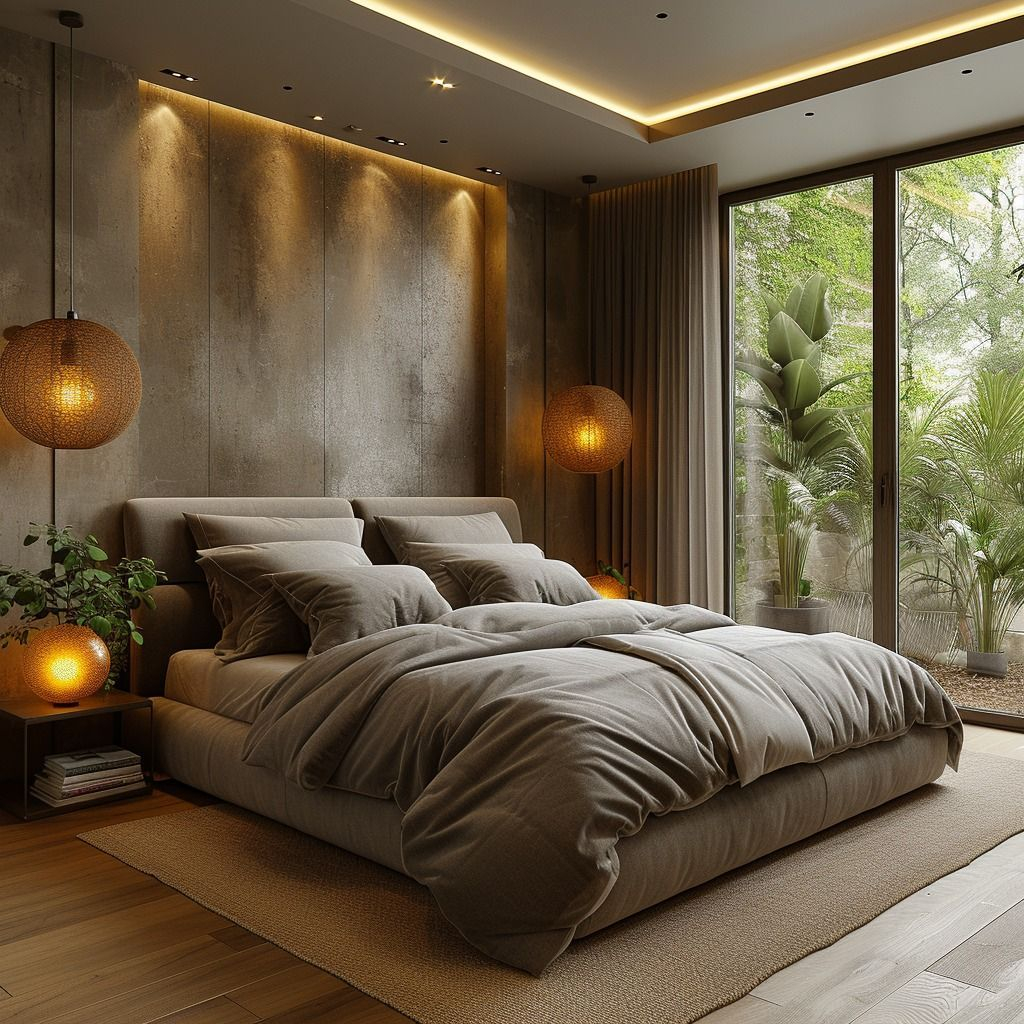
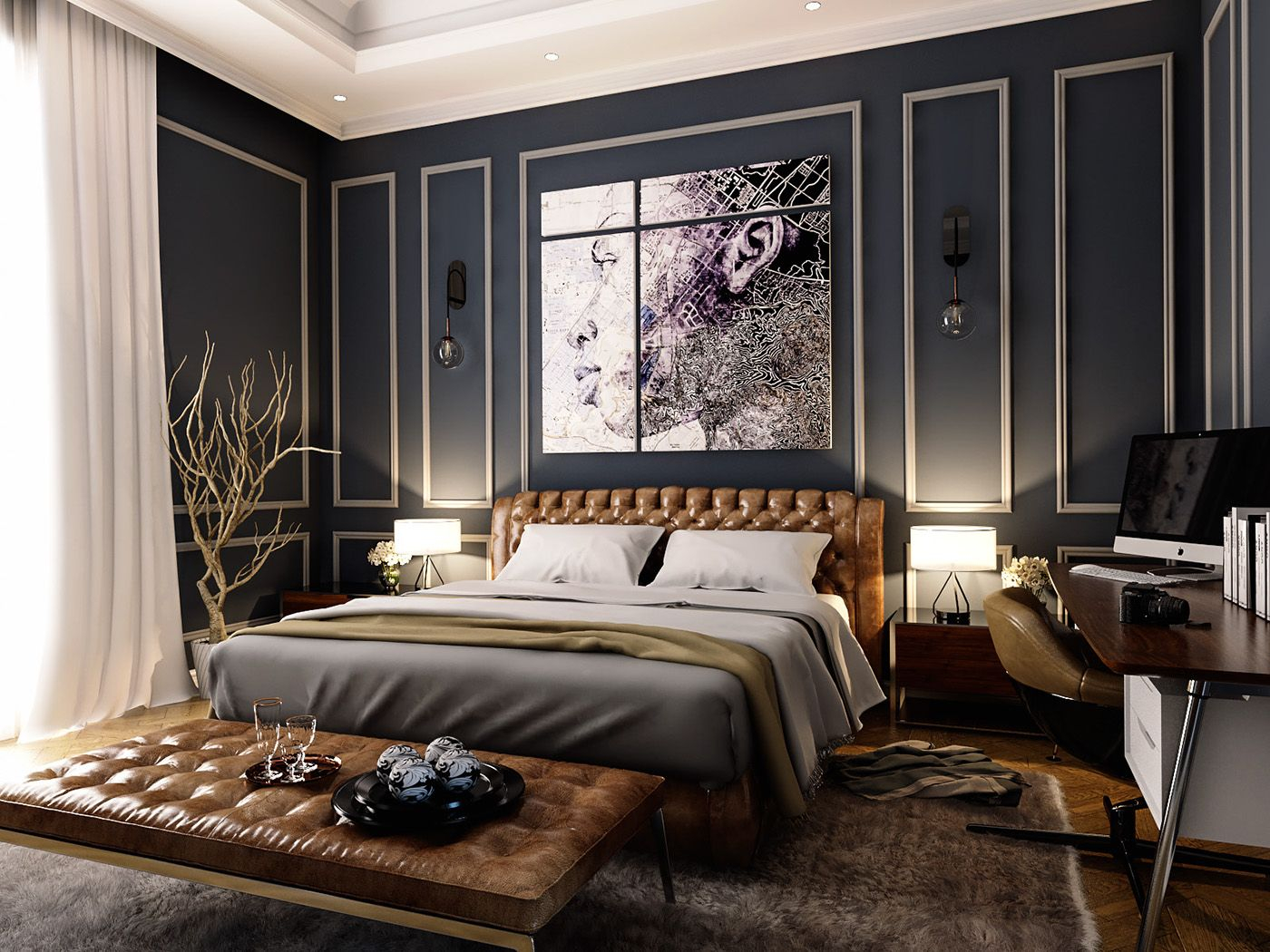
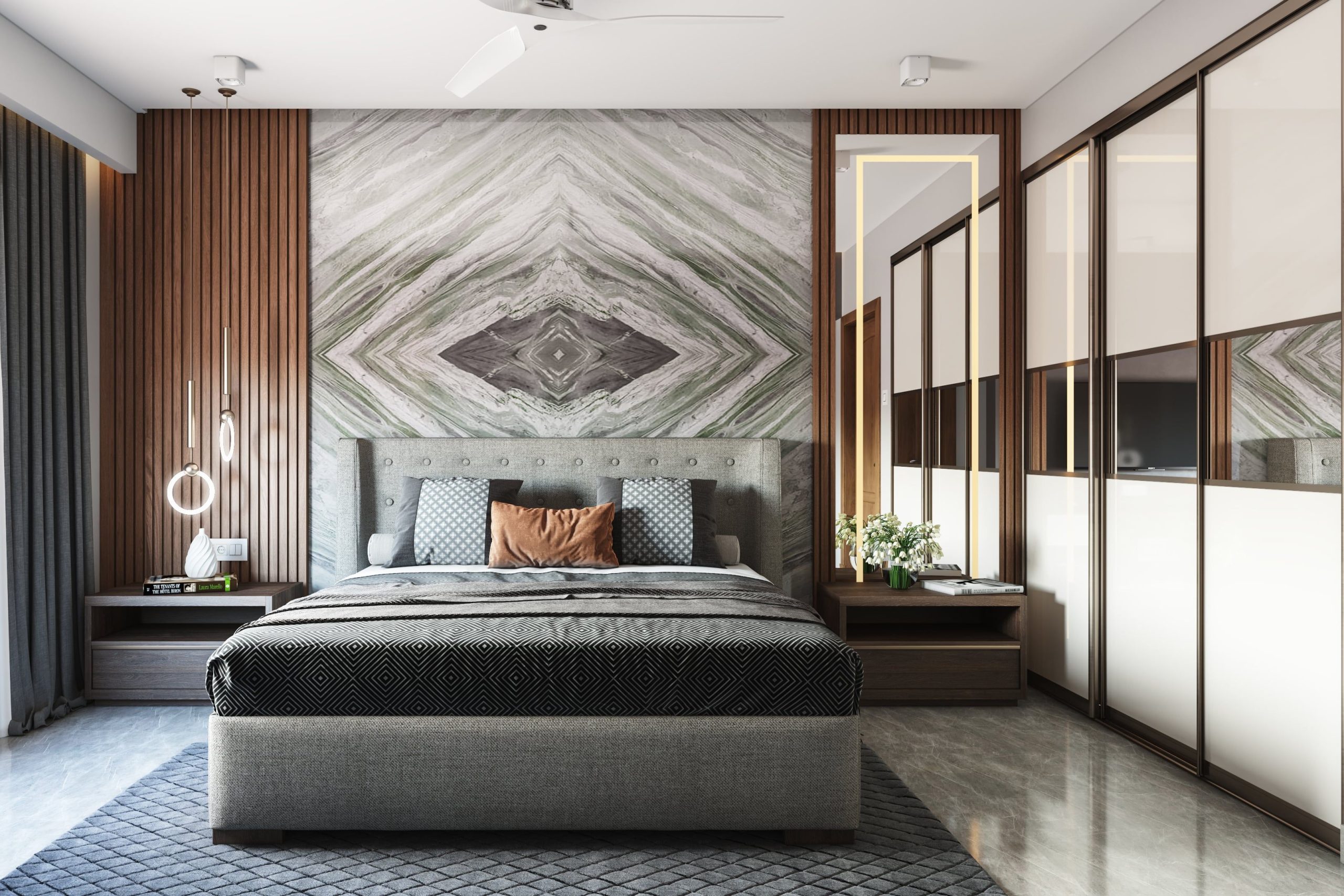
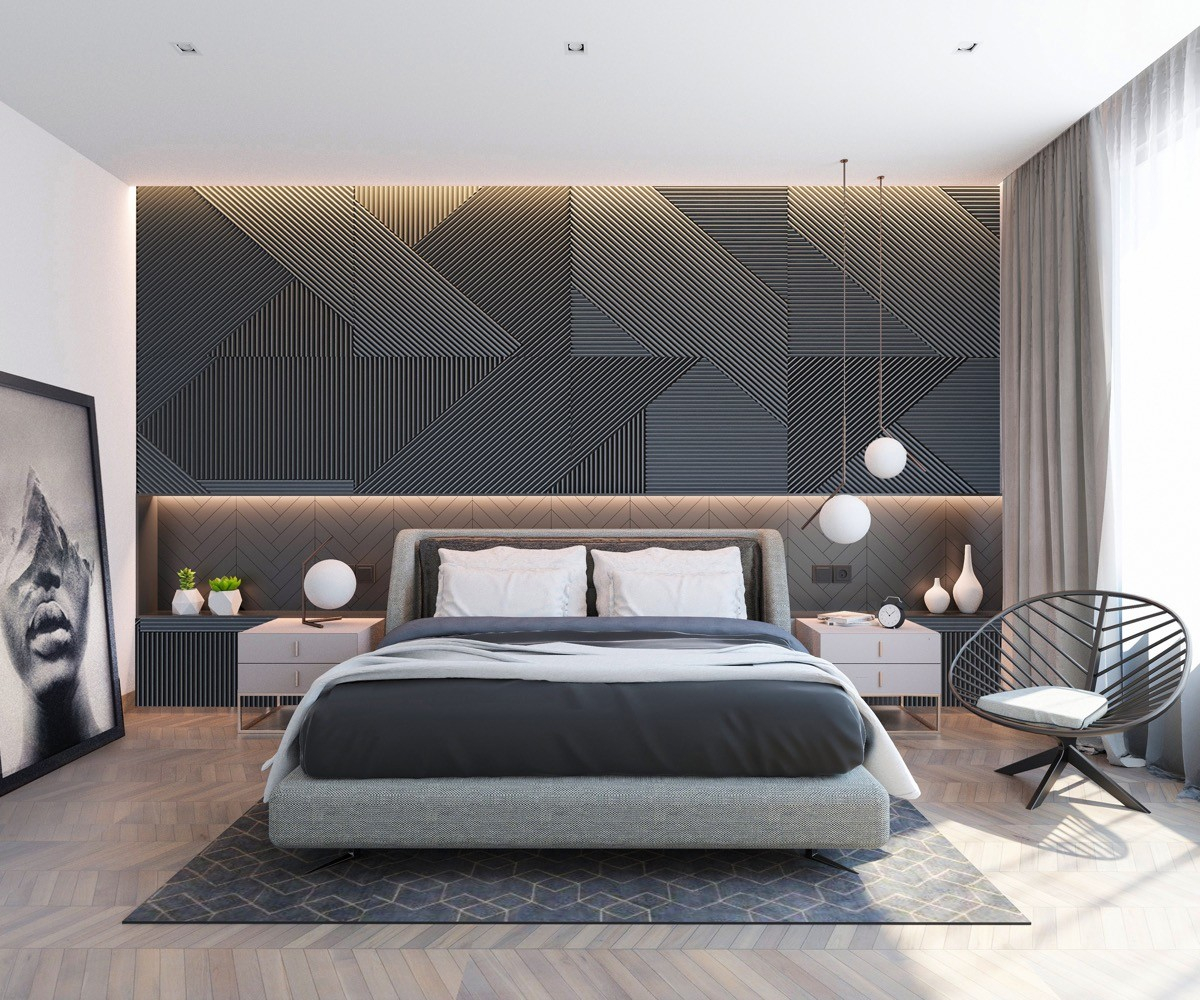
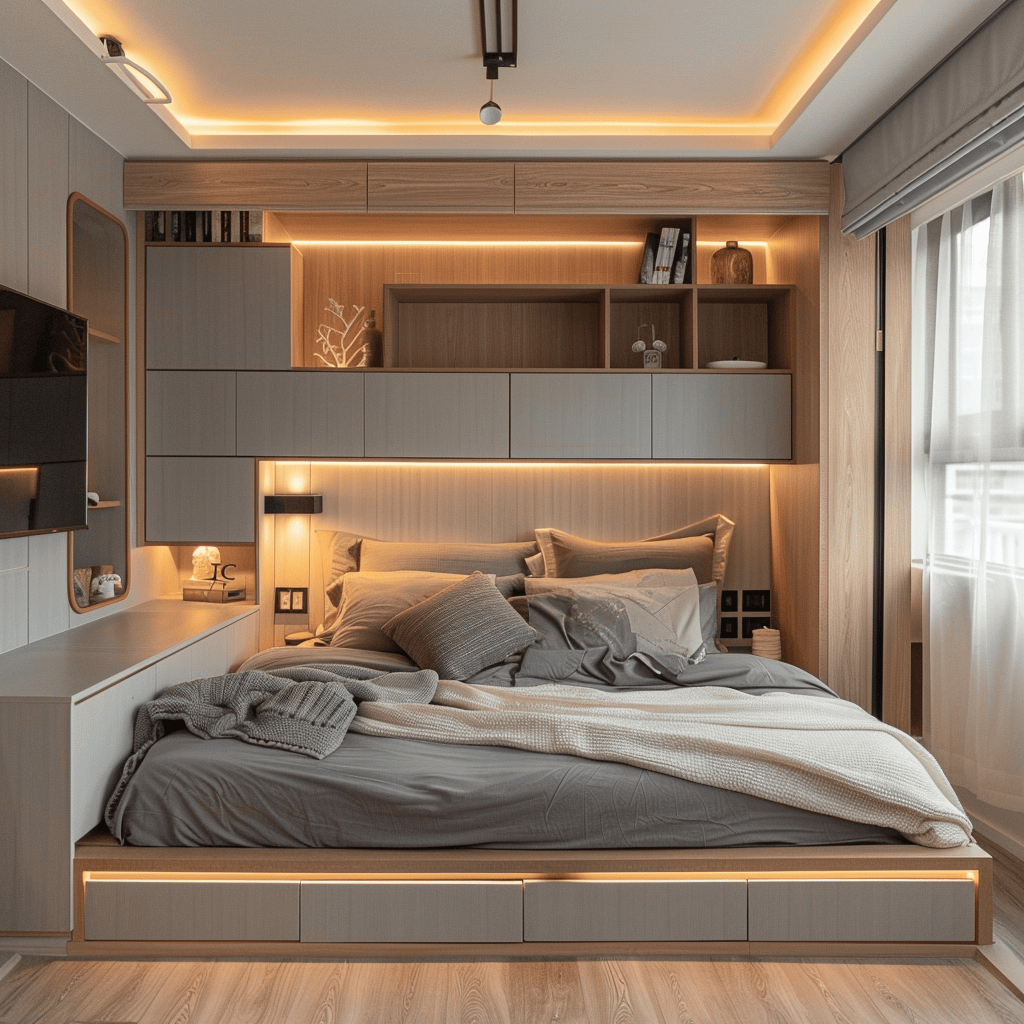
Midnight arrives with a strange sort of static electricity. You scroll through endless design feeds, watching curated creators transform stark spaces into warm, sun-drenched sanctuaries using linen duvets, minimalist ceramics, and moody wall paint. You replicate the formula. You click "Add to Cart" on the trending bedside lamp, buy the artisanal jute rug, and match your throw pillows to the exact shade recommended by a digital stylist. Yet, when you switch off the overhead glare and step back into your own room, the magic is missing. It looks fine, technically speaking. But it feels like a hotel room you haven’t quite checked into yet—flat, sterile, and entirely divorced from who you are.
This disconnect happens because we have been conditioned to treat interior design like a paint-by-numbers kit. The digital age hands us a shopping checklist disguised as an aesthetic: buy this specific textured blanket, hang that exact minimalist art print, and expect a feeling of profound tranquility to automatically materialize. But a room is not a static flat-lay on a screen. It is an active ecosystem of volume, shadow, memory, and material science. When your space feels uninspired despite your best financial and creative efforts, it is usually because you are designing for the camera’s fixed focal length rather than the human nervous system’s demand for genuine dimensionality.
To understand why your bedroom aesthetic misses the mark, we have to look past the surface-level trends dominating social media feeds in 2026. True interior design is an exercise in editing, scale, and sensory friction. If you have ever felt that quiet, nagging disappointment after spending an entire weekend redecorating, you are not failing at design—you are simply falling victim to the hidden illusions that digital mood boards fail to capture. Let us tear down the illusion and examine the mechanical and psychological reasons your room still lacks its intended soul.
The Tyranny of the Flat Shopping List and the Myth of Instant Vibe
The modern design economy thrives on the transaction. Every algorithm pushes a continuous loop of transformation videos where a sterile white box transforms into a cozy dreamscape in thirty seconds, courtesy of a rapid-fire product haul. This creates a dangerous cultural consensus: that aesthetics are something you buy rather than something you build. When you approach your bedroom as a collection of isolated items rather than an integrated volumetric space, you fall into the trap of over-curation without cohesion.
Consider the classic trap of the matching bedroom set or the algorithmic accent wall. When every piece of furniture comes from the same collection, the room loses its narrative depth. Real, high-end spaces look evolved, not assembled in a single afternoon. They carry the friction of different eras, textures, and weights. When you rely solely on trends picked up from late-night online shopping sprees, your room becomes a museum of someone else’s preferences. It lacks personal friction—that necessary grit and character which signals to your brain that this space belongs exclusively to you and to no one else.
Furthermore, the obsession with visual symmetry often destroys spatial harmony. People instinctively place matching nightstands on either side of the bed, center a generic canvas dead-center on the wall, and wonder why the room feels stiff. Human perception craves asymmetry and intentional balance, not mirror-image replication. When a room is too symmetrical, the eye scans it instantly, registers the pattern, and gets bored. True aesthetic depth requires visual weight distribution, where heavy elements are balanced by lighter, airier forms rather than identical twins placed opposite one another.
Light, Shadow, and the Kelvin Trap That Ruins Every Color Palette
You spent three weeks agonizing over paint swatches, holding tiny adhesive squares against the drywall, watching how they shifted under morning sun and afternoon glare. You finally chose a moody, sophisticated olive or a warm, cocooning taupe. Yet, the moment the sun goes down and you flip the switch, the room turns muddy, harsh, and clinical. The culprit is almost always lighting temperature and fixture placement—the two most neglected variables in amateur interior design.
Most bedrooms are cursed with a single, high-intensity overhead light fixture that casts unforgiving shadows and washes out every subtle undertone of your carefully chosen decor. Compounding this, many people purchase smart bulbs or standard LEDs without checking the Kelvin scale. Anything above 3500K in a bedroom introduces harsh blue light that disrupts your circadian rhythm and strips warmth from natural wood tones and textiles. Conversely, placing low-CRI (Color Rendering Index) bulbs in your lamps makes fabrics look dull and lifeless, neutralizing the rich textures you spent good money acquiring.
To fix your bedroom aesthetic, you must master the art of layered illumination at varying heights. A truly aesthetic room relies on at least three distinct pools of light: task lighting for reading, ambient lighting for general navigation, and accent lighting to graze textured walls or highlight architectural features. By eliminating the aggressive overhead glare and relying entirely on warm, dimmable lamps placed at chest height and below, you instantly soften the architectural boundaries of the room, creating shadows that add depth, mystery, and undeniable luxury.
Step-by-Step Methodology for Auditing and Overhauling Your Space
Transforming a disappointing room into a deeply resonant sanctuary requires a systematic teardown. You cannot simply layer more items on top of a flawed foundation. Follow this step-by-step framework to diagnose and rebuild your bedroom aesthetic from the ground up.
- Step 1 (The Brutal Zero-Base Audit): Strip the room entirely bare of all non-essential items, decorative objects, and transient clutter. Remove everything from your nightstands, dressers, and walls. Live with the stripped-down shell for forty-eight hours to understand the room’s raw architectural volume and natural light patterns before introducing a single object back into the space.
- Step 2 (Scale and Proportion Mapping): Measure your bed frame, nightstands, and walking paths against the actual square footage of the room. Replace oversized furniture that blocks natural light or undersized rugs that float unanchored in the center of the floor with pieces that respect the golden ratio of negative space.
- Step 3 (Texture and Tone Layering): Build a tactile hierarchy by combining at least three contrasting textures within the same color family—such as raw linen, brushed brass, weathered wood, and heavy boucle. Ensure that your fabrics interact dynamically with light rather than presenting a flat, uniform surface.
- Step 4 (Lighting Realignment): Eradicate overhead illumination entirely. Install warm-toned, low-Kelvin (2400K–2700K) bulbs in lamps placed at varying heights throughout the room. Introduce low-slung sconces or shaded table lamps that cast pools of light downward, emphasizing the horizontal planes of the space.
- Step 5 (Intentional Curation and Negative Space): Reintroduce your personal belongings with extreme restraint. For every surface, adhere to the rule of selective display: leave at least sixty percent of every tabletop and shelf completely empty to give the eye a place to rest and let each featured object command attention.
Navigating Common Design Miscalculations and Field-Tested Workarounds
Even with the best intentions, subtle missteps can derail a room’s aesthetic equilibrium. Recognizing these invisible traps allows you to course-correct before sinking more time and capital into ineffective decor adjustments.
- Pitfall 1 (The Floating Rug Mistake): Using an area rug that is far too small for the bedroom, leaving all furniture floating off its edges. Workaround: Ensure your rug extends at least eighteen to twenty-four inches on either side of the bed, anchoring the heavy furniture to the floor and expanding the visual boundaries of the room.
- Pitfall 2 (The High-Art Hangover): Hanging wall art far too high because of gallery guidelines meant for public museums with soaring ceilings. Workaround: Position the center of your primary art pieces at eye level—roughly fifty-seven to sixty inches from the finished floor—so the art relates directly to human scale and furniture placement.
- Pitfall 3 (The Over-Matching Syndrome): Buying matching nightstands, dressers, and headboards from a single collection. Workaround: Mix eras and materials. Pair a rustic vintage wooden dresser with a sleek metal-framed bed and marble-topped nightstands to inject organic tension and narrative depth.
- Pitfall 4 (Neglecting Negative Space): Filling every shelf, windowsill, and wall space with trending decor items because empty areas feel "unfinished." Workaround: Embrace intentional emptiness. Treat negative space as a design element that gives visual breathing room to the items you genuinely love.
- Pitfall 5 (Ignoring Window Treatment Scale): Hanging cheap, flimsy curtain rods directly above the window frame with short panels that truncate the wall. Workaround: Mount your curtain rods just a few inches below the crown molding and use extra-long drapes that gently puddle or graze the floor, creating the illusion of soaring architectural height.
The Psychology of Sanctuary: Designing for the Nervous System Over the Camera Lens
We live in an era where our living spaces are constantly auditioning for digital audiences. This performance anxiety forces us to prioritize visual spectacle over tactile comfort. We choose fragile velvet chairs that are uncomfortable to sit in, stark white bedding that requires constant ironing, and open shelving that demands neurotic maintenance just to look presentable on a grid. True aesthetic maturity is realizing that a bedroom’s primary function is psychological restoration, not aesthetic validation.
When your room is designed exclusively for the nervous system, its material choices change dramatically. You begin to favor fabrics that soften with age, lighting that mimics the descent of dusk, and layouts that foster a deep, primal sense of enclosure and safety. Evolutionary psychology teaches us that humans are hardwired to prefer spaces that offer a clear view of the entry point paired with a protected, cave-like backing—the classic "prospect-refuge" dynamic. If your bed is jammed awkwardly against a window with glaring exposure or floating unanchored in the middle of a chaotic room, your subconscious remains on high alert, no matter how trendy your throw pillows look.
By shifting your metric of success from how many likes a photo of your room might garner to how quickly your heart rate drops when you close the door at night, everything changes. The aesthetic ceases to be a performance and becomes a private ritual. The room starts working for you, absorbing the accumulated stress of the day instead of demanding that you maintain its pristine facade.
Practical Frameworks for Sustaining a Cohesive and Evolving Home Sanctuary
Achieving a stunning bedroom aesthetic is not a one-time event; it is an ongoing practice of curation, editing, and mindful stewardship. As your life, tastes, and seasonal needs shift, your physical environment must possess the structural elasticity to adapt without falling into disarray or sliding back into clutter.
Establish a quarterly seasonal audit where you strip away heavy woolens in favor of breathable crisp linens, swap out heavy ceramics for lighter glass elements, and reassess what items have quietly accumulated on your flat surfaces. This cyclical rhythm keeps your space feeling fresh and prevents stagnant clutter from calcifying into permanent eyesores. Treat your bedroom as a living document of your personal history rather than a finalized architectural installation.
Embrace imperfection as a design feature. High-end residential designers understand that absolute perfection looks synthetic and unlivable. A slightly rumpled linen duvet, a well-read stack of paperbacks on the floor, or a vintage ceramic pitcher with slight glazing imperfections add the exact human touch required to bridge the gap between a sterile showroom and a soul-stirring sanctuary. Let your room show the gentle patina of actual habitation.
The realization that your bedroom aesthetic is not what you thought it is should come as a profound relief. It means you can stop chasing viral shopping lists, abandon the rigid rules of algorithmic perfection, and start listening to what your own senses and nervous system are actually asking for. Design is not a test you pass by matching your throw blanket to your bedside art print. It is the quiet, deliberate art of shaping a physical container that holds your life with grace, comfort, and unwavering authenticity.
As you step back into your space tonight, turn off the blinding overhead glare, light a single low-level lamp, and let the shadows stretch across the walls. Notice how the textures soften, how the negative space breathes, and how the room finally stops trying to impress you and simply invites you to rest. That is the moment your true aesthetic finally begins.