If the outside world feels a bit chaotic right now, you are definitely not alone. Lately, it seems like everyone is looking for a way to just pull the plug and find some real peace. That craving for comfort is exactly why our bedrooms are undergoing a massive shift. We are moving away from spaces that just look pretty on a screen and heading toward rooms that actually change how we feel the minute we cross the threshold.
The big movement making waves right now is a beautiful partnership between two design philosophies that feel like they were made for each other: Japandi and Quiet Luxury. It is a mix that discards the cold, sterile vibe of old-school minimalism. Instead, it invites in an atmosphere that feels incredibly premium yet totally grounded and approachable. Let’s dive into how this evolution is changing our sleep spaces this year.
The Evolution of the Restful Space
The bedroom has transitioned from a basic spot where you crash at night into a crucial sanctuary for mental restoration. Think about it—with our lives being so tied to screens and constant notifications, we desperately need a boundary. The original wave of minimalist design tried to fix this by clearing everything out, but it often ended up feeling a bit like a chilly hotel room.
That is where Japandi Bedroom 2.0 comes into play. It takes the historic elegance of Japanese design—specifically the concept of wabi-sabi, which finds beauty in things that are imperfect and natural—and blends it seamlessly with Scandinavian hygge, which is all about cozy comfort. When you mix that with the "quiet luxury" ethos of investing in superb, unbranded quality, the bedroom becomes a true shelter from the storm.
Softening the Hard Minimalist Edges
So, what does this actually look like in real life. For starters, the sharp, rigid lines of yesterday are fading away. Designers are embracing softer shapes and curved silhouettes that feel much more inviting to the human eye.
Bed frames are lower to the ground, drawing inspiration from traditional Japanese homes, which automatically makes a room feel more grounded and spacious. Headboards are being wrapped in heavily textured fabrics like bouclé or dense linens, turning the bed itself into a giant, supportive hug. It is all about creating a spatial rhythm that feels smooth and unhurried.
A Palette Borrowed Directly from the Earth
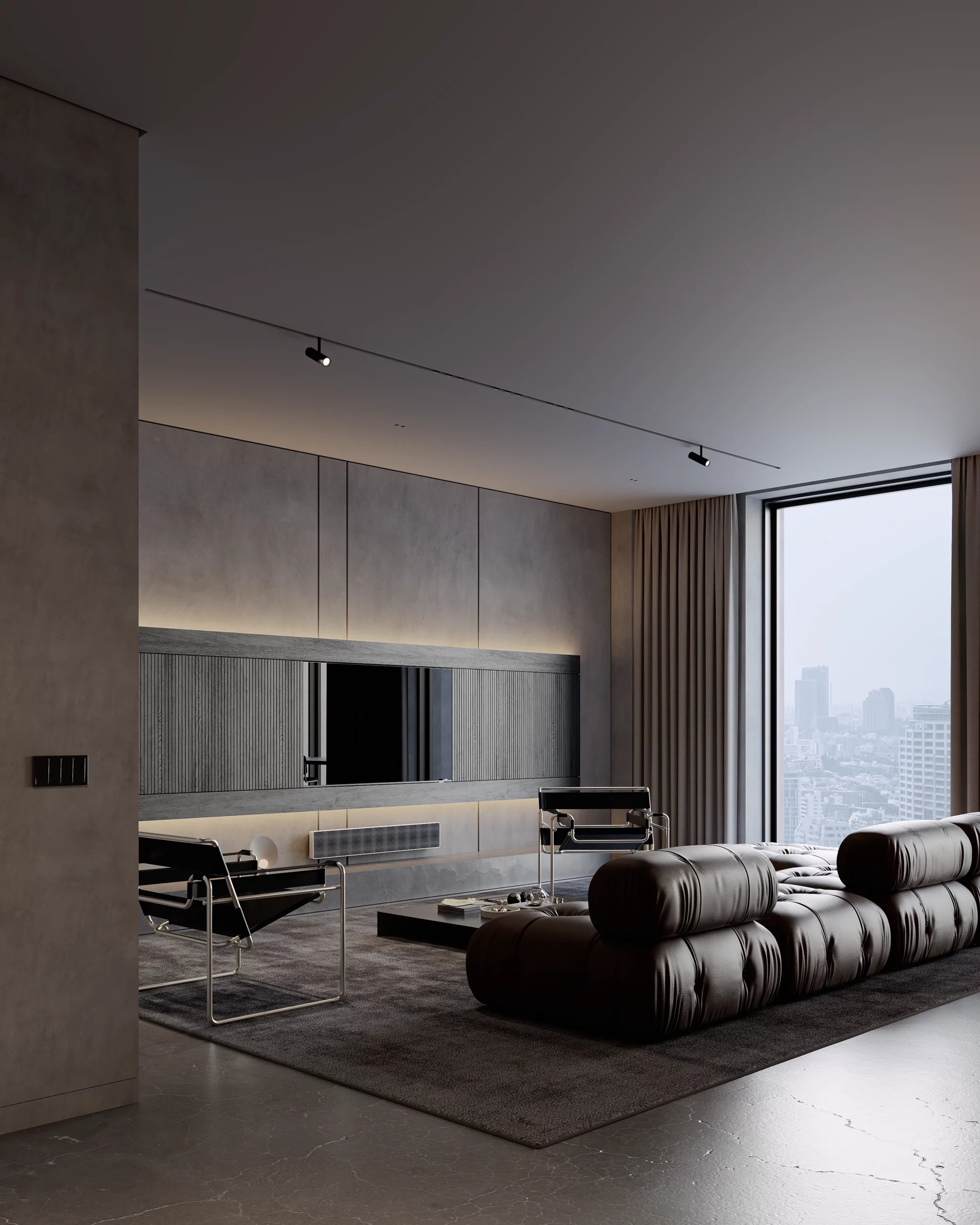
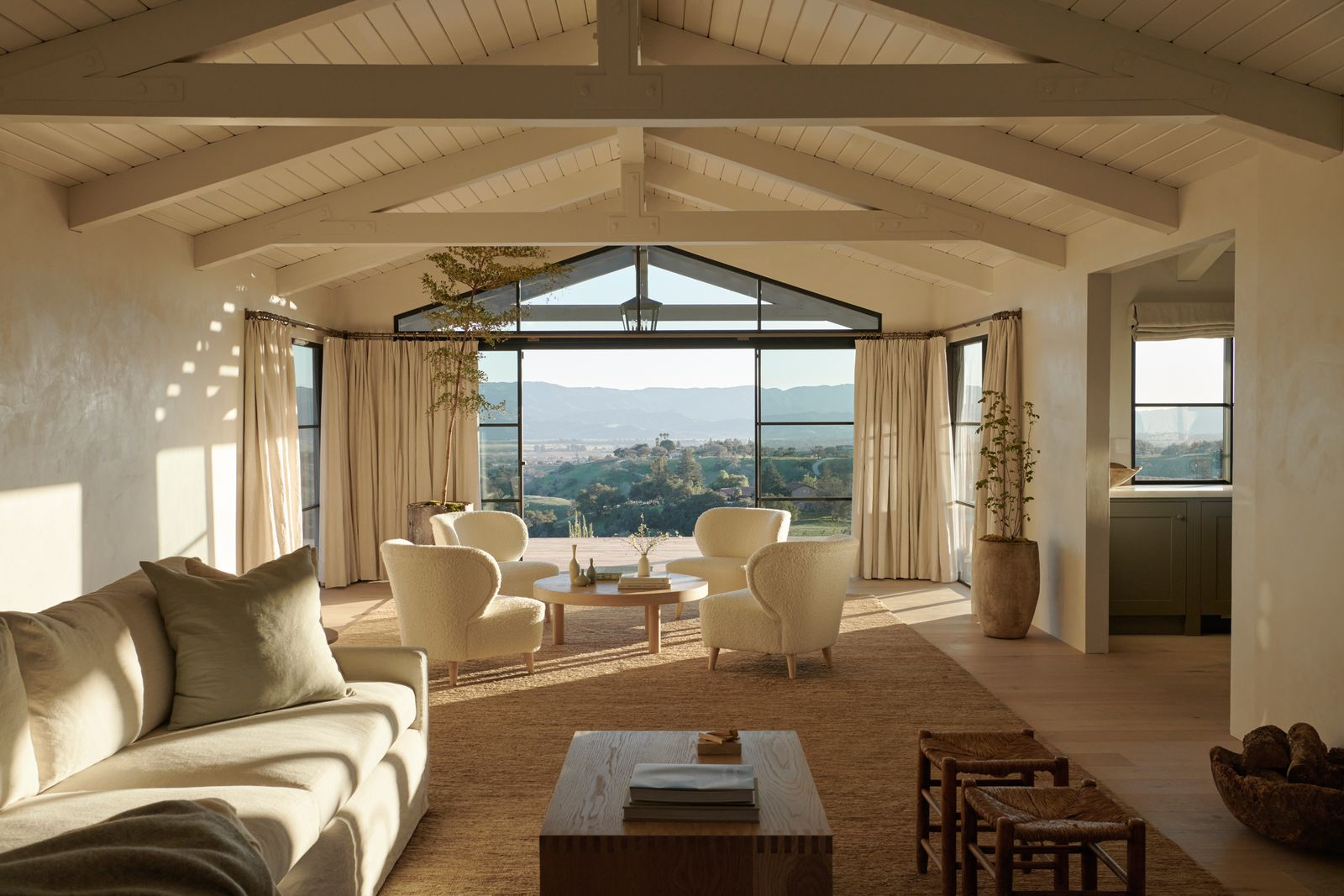
Color choices have shifted dramatically away from stark whites and cold grays. Instead, the modern sleep space relies on a rich palette of warm neutrals that feel deeply connected to nature.
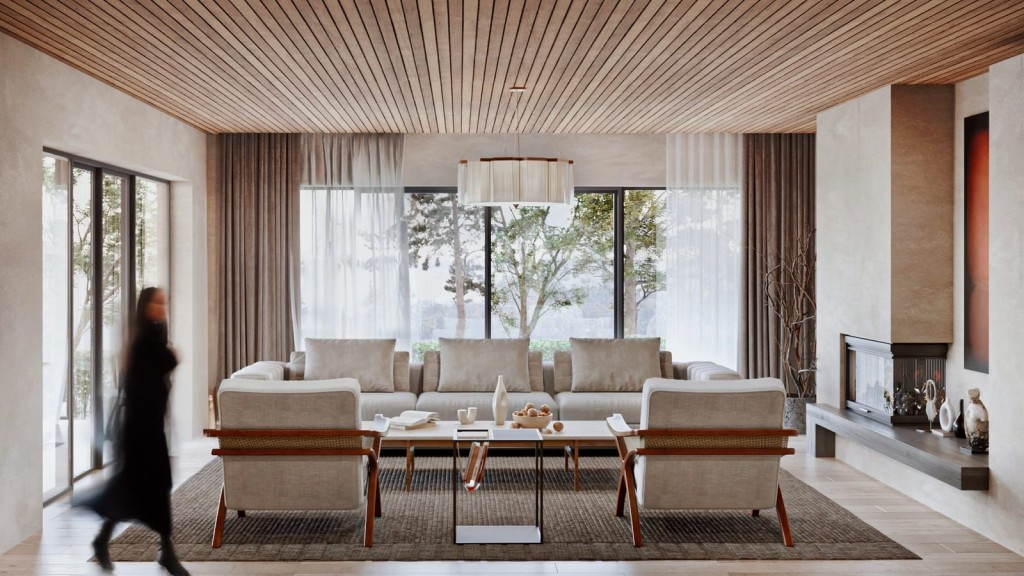
- Warm Taupes and Beiges: These form the gentle backdrop of the room, reflecting sunlight beautifully without glaring.
- Muted Earth Tones: Think soft olive greens, gentle terracottas, and clay tones that ground the space.
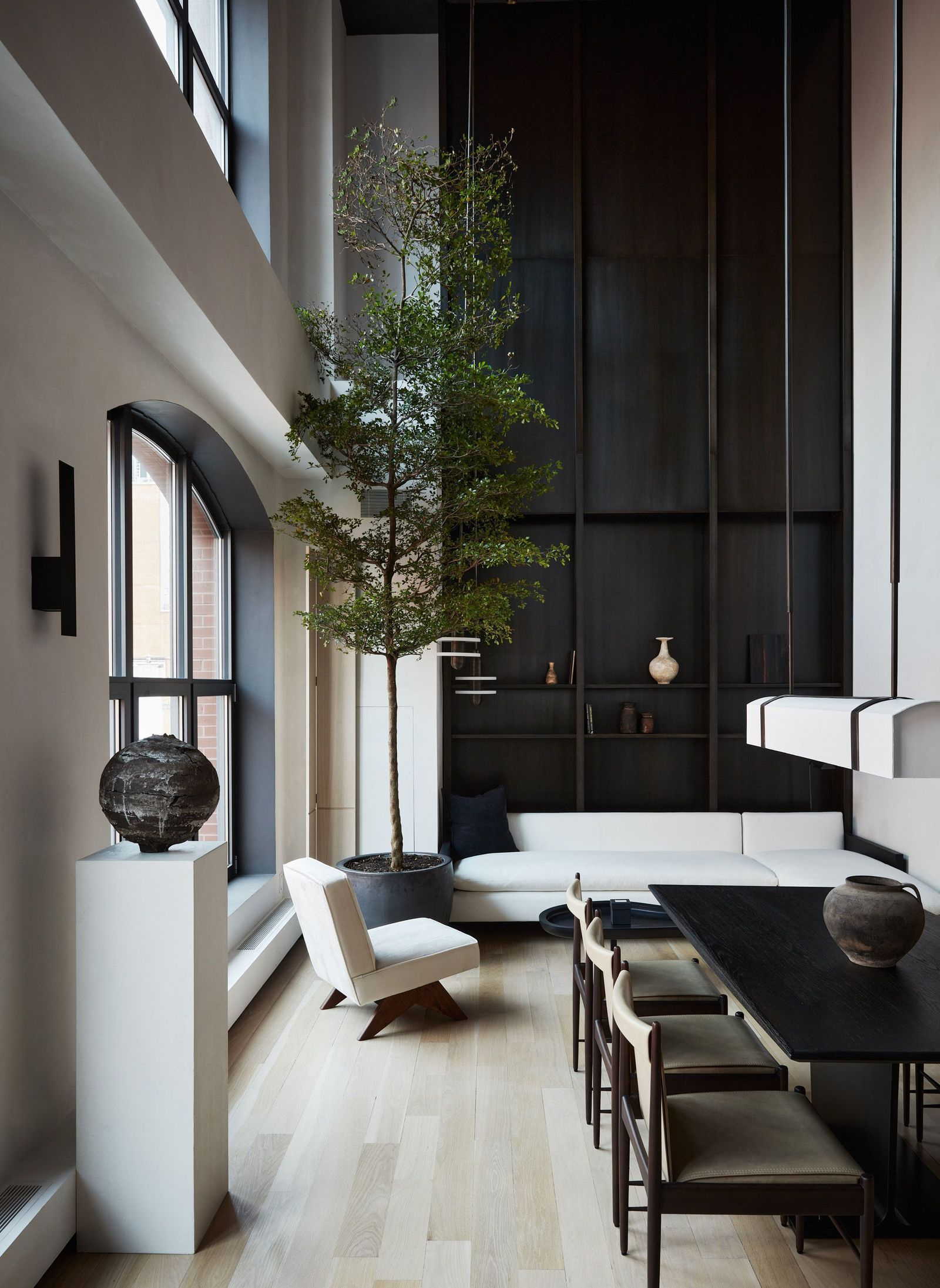
- Deep Charcoal Accents: Used very sparingly to add a bit of weight and structure to the room.
These colors work wonders because they do not demand your attention. They allow your eyes to rest, which is exactly what your brain needs to start winding down after a long day.
The Luxury of High-Quality Tactile Materials
In a world dominated by smooth plastic and glass screens, touching real textures feels like a luxury in itself. Quiet luxury in the bedroom means choosing things that feel incredible against your skin. We are seeing a lot of raw oak, rich walnut, and woven rattan used for furniture pieces.
For bedding, people are moving toward organic hemp and crumpled linens that do not need to be ironed to look beautiful. The slight wrinkles are part of the charm. It shows a relaxed attitude where comfort is valued way above rigid perfection.
Hidden Technology for Undistracted Minds
You might wonder where all our modern gadgets fit into this serene picture. The secret of 2026 design is that tech is highly present, but it is completely invisible. No one wants to stare at glowing blue lights or tangled cords while trying to drift off.
Charging stations are cleverly built inside wooden nightstand drawers. Automated window shades are tucked behind minimalist plaster valances, moving silently to let in the morning light. Even speakers are disguised as framed artwork or hidden behind wall paneling, keeping the visual clutter to an absolute zero.
The ultimate rule of this design shift is intent. Every single item in the room should have a reason for being there, whether it serves a clear function or brings you a sense of quiet joy. It is about moving away from fast-decor trends and choosing pieces that last.
Instead of a wall covered in cheap prints, you might see a single piece of handmade pottery sitting on a shelf, or a solitary painting that means something special to you. This intentional choice gives the room a sense of breathability and negative space. It proves that luxury isn’t about how much stuff you have, but about the peace that your surroundings can provide.
Ultimately, turning your bedroom into a hybrid of Japandi and quiet luxury is a wonderful gift to your well-being. By focusing on warm tones, rich textures, and purposeful placement, you can build a personal retreat that shields you from the busy outside world. It is a design philosophy that truly puts your peace of mind first.