We’ve all been there. You walk into your bedroom at the end of a long, draining day, hoping for relief. Instead, you’re greeted by a pile of laundry on "the chair," a nightstand buried under charging cables, and a layout that makes you feel cramped even though the room isn’t small. It’s not just messy; it’s chaotic. And that chaos? It follows you into your sleep.
But here’s the good news. You don’t need a massive renovation budget or a degree in interior design to fix it. In 2026, the focus has shifted away from purely aesthetic trends toward functional sanity. It’s about how the space works for you. By rethinking your floor plan—the actual arrangement of furniture and flow—you can turn that stress-inducing zone into a true retreat. Let’s walk through how to get there, one step at a time.
The Great Declutter: Clearing the Canvas
Before you move a single piece of furniture, you have to deal with the stuff. It sounds obvious, but most people skip this and wonder why their new layout still feels "off." You can’t organize chaos. You have to remove it first. Start by taking everything out of the room that doesn’t belong there. That means clothes that should be in the closet (or the hamper), books that belong in the living room, and those random items that migrate to the bedroom because you didn’t know where else to put them.
Be ruthless. If you haven’t used it in six months, ask yourself if it’s earning its keep in your sanctuary. This isn’t just about tidiness; it’s about visual noise. Every object in your line of sight demands a tiny bit of brain power. By clearing the floor and surfaces, you’re literally lowering your cognitive load. Once the room is empty, take a moment to breathe. Notice the space. Notice the light. This blank slate is your starting point, and it’s far less intimidating than the cluttered mess you started with.
Don’t forget the hidden clutter too. Check under the bed and inside the closets. If your storage solutions are overflowing, no floor plan will save you. Consider donating bins of old clothes or digitizing papers. The goal here is to keep only what serves a purpose or brings genuine joy. It’s a mindful act, not just a cleaning chore. When you’re done, you should be able to see the floorboards (or carpet) clearly. That visibility is key to the next steps.
Anchoring the Space: The Bed Placement
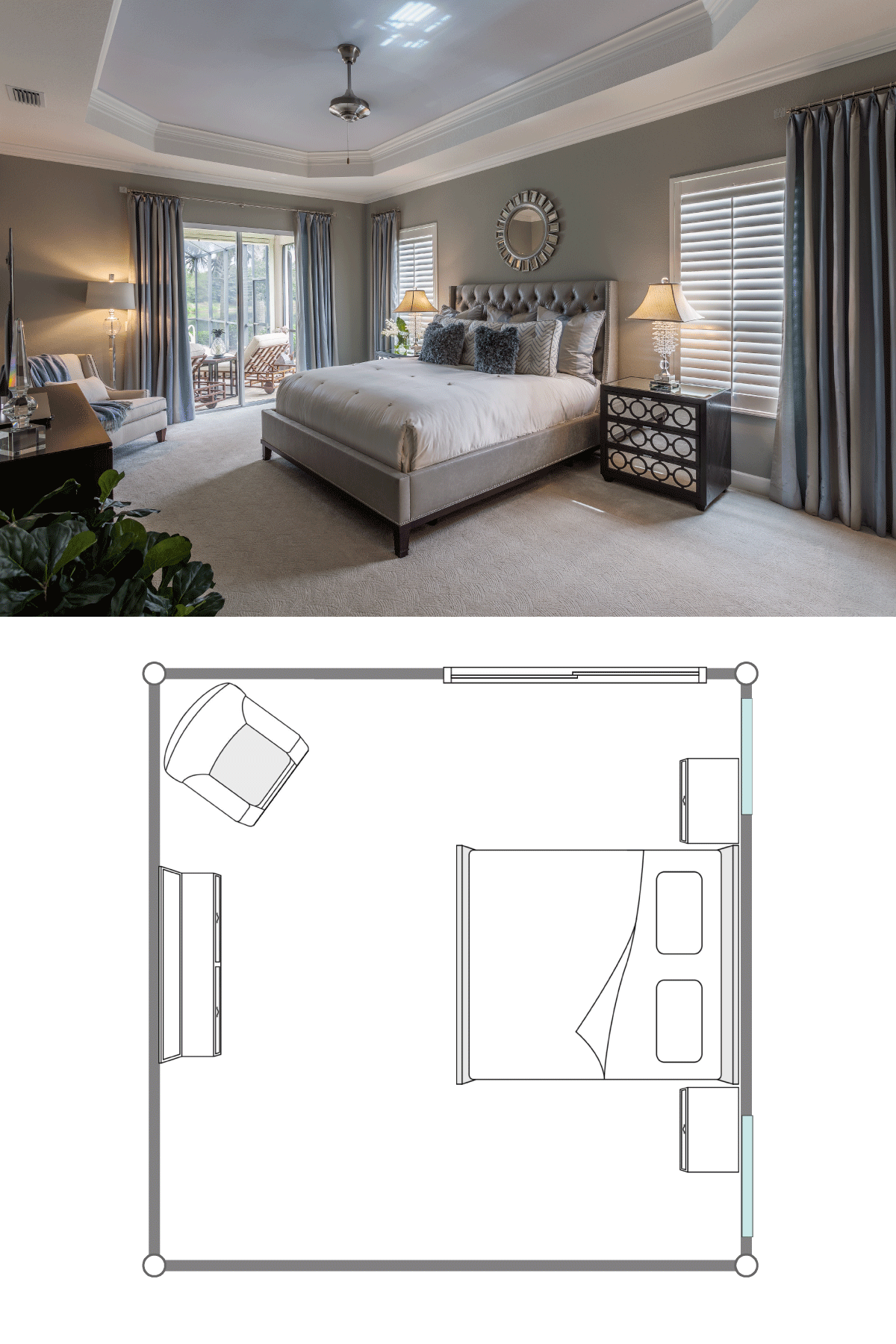
Now comes the most critical decision: where does the bed go? In bedroom design, the bed is the anchor. Everything else revolves around it. The golden rule for 2026 is prioritizing comfort and accessibility over rigid symmetry. While having lots of floor space is wonderful, remember that the majority of your time in this room is spent in bed. So, opting for the largest bed you can comfortably fit often feels like the most luxurious use of the space.
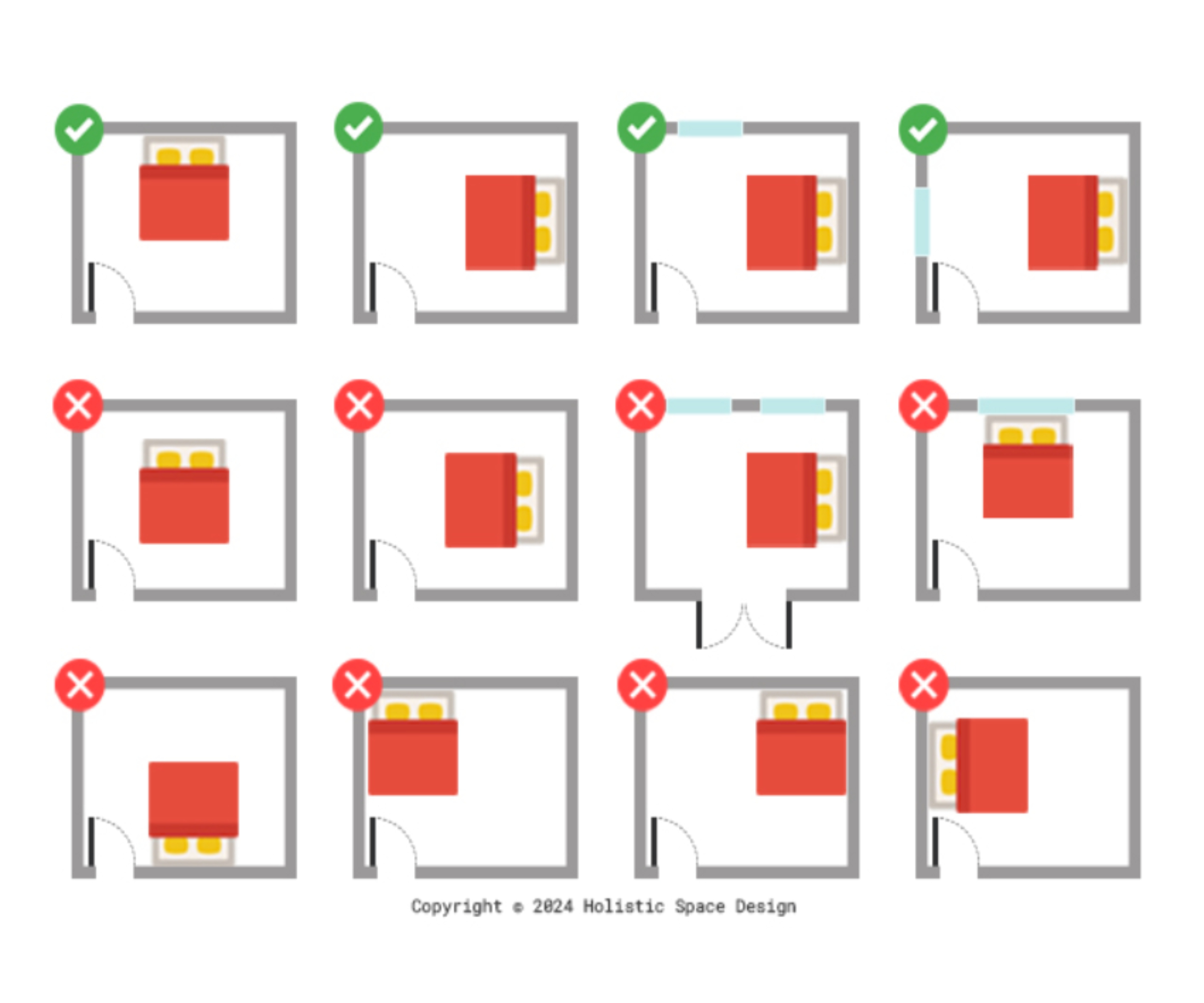
Ideally, you want the bed positioned so you can see the door when you’re lying down, but not directly in line with it. This is often called the "command position" in Feng Shui, but practically speaking, it just feels safer and more relaxing. Avoid placing the headboard against a window if possible, as drafts and light can disrupt sleep. If you must, use heavy curtains or a solid headboard to create a barrier.
Make sure you leave enough walking space on both sides of the bed if you share it. Cramping one side creates subconscious tension every time you squeeze past your partner. Aim for at least two feet of clearance on each side for easy movement. If the room is narrow, consider pushing the bed against one wall, but only if it makes the rest of the room function better. Don’t forget the pillows! If you go for a super king bed, make sure you buy super king pillows to match the scale. Proportion matters.
Zoning for Modern Life
Let’s be real: bedrooms aren’t just for sleeping anymore. In 2026, many of us still work from home occasionally, or we use our bedrooms for reading, meditation, or getting dressed. The mistake many people make is trying to cram all these activities into one undefined blob of space. The solution? Zoning.
Think of your bedroom as having distinct areas. There’s the sleep zone (the bed), the dressing zone (closet/dresser), and maybe a quiet zone (a chair for reading or a small desk). You don’t need walls to separate them. You can use rugs, lighting, or the orientation of furniture to define these spaces. For example, a small area rug under a reading chair signals that this spot is for relaxing, not for tossing clothes.
If you need a workspace, try to keep it visually separate from the bed. If you can see your laptop from your pillow, your brain struggles to switch off. Use a screen, a bookshelf, or even just face the desk away from the bed to create a mental boundary. This separation helps maintain the bedroom’s primary purpose: rest. By organizing these functions, you prevent the "chaos creep" where work materials spill over onto the nightstand.
Smart Storage Solutions
Clutter returns if you don’t have a place for it. Smart storage is the backbone of a calm bedroom. But here’s the thing: storage doesn’t have to mean bulky, ugly cabinets. In fact, the best storage is often invisible. Start with the closet. Are you using the full height? Install shelves up to the ceiling for items you rarely use. Use uniform hangers to reduce visual clutter inside the wardrobe.
Under-bed storage is another goldmine, especially in smaller rooms. Use drawers or bins on wheels for off-season clothes or extra linens. Just make sure they slide out easily; if you have to drag heavy boxes across the floor, you won’t use them. Nightstands with drawers are essential for keeping chargers, books, and skincare products out of sight. A clear surface promotes a clear mind.
Consider vertical space too. Tall, narrow dressers take up less floor space than wide, low ones but offer ample storage. Hooks on the back of the door or on walls can hold robes, bags, or tomorrow’s outfit, keeping them off the floor. The key is intentionality. Every item needs a "home." When everything has a designated spot, putting things away becomes a habit rather than a chore. This consistency is what keeps the calm alive long after the initial cleanup.
Lighting and Atmosphere
Lighting can make or break the mood of a room. Harsh overhead lights are the enemy of relaxation. In 2026, layered lighting is the standard for creating a soothing atmosphere. You need three types: ambient, task, and accent. Ambient lighting provides general illumination—think of a soft ceiling fixture or recessed lights on a dimmer. Task lighting is for specific activities, like reading in bed or applying makeup. Accent lighting adds warmth and depth, such as a small lamp on a dresser or LED strips behind a headboard.
Warmth is crucial. Stick to bulbs with a color temperature between 2700K and 3000K. These emit a soft, yellowish glow that mimics sunset and helps your body prepare for sleep. Avoid cool, blue-toned lights in the evening as they suppress melatonin production. Dimmers are your best friend here. Being able to lower the light intensity as the night progresses signals to your brain that it’s time to wind down.
Don’t underestimate natural light during the day. Keep windows clear of obstructions to let sunlight in, which boosts mood and regulates your circadian rhythm. But ensure you have blackout options for sleep. Heavy curtains or cellular shades can block out streetlights and early morning sun, ensuring your sleep isn’t interrupted. The interplay of light and shadow adds texture and depth to the room, making it feel cozy and inviting rather than sterile.
The Final Touches: Texture and Color
With the layout set and storage sorted, it’s time to add the soul of the room. This is where texture and color come in. For a calm vibe, lean towards a neutral or muted color palette. Soft whites, warm grays, sage greens, or gentle blues are proven to lower heart rates and reduce anxiety. You don’t have to paint the walls; you can introduce these colors through bedding, rugs, or artwork.
Texture is what keeps a minimalist room from feeling cold. Mix materials to create interest. Think linen sheets, a chunky knit throw, a velvet pillow, or a wool rug. These tactile elements invite you to touch and relax. They add warmth and comfort without adding visual clutter. In 2026, the trend is towards natural materials—wood, stone, cotton, wool—that connect you to nature and ground the space.
Keep decor minimal but meaningful. One large piece of art is often more impactful than ten small ones. A few personal items, like a photo or a souvenir, add character without overwhelming the senses. Plants are also excellent for adding life and improving air quality, but choose low-maintenance varieties like snake plants or pothos so they don’t become another source of stress. The goal is to create a space that feels curated, not cluttered. A few well-chosen items speak louder than a room full of knick-knacks.
Transforming your bedroom from chaos to calm isn’t about perfection. It’s about intention. It’s about making choices that support your well-being and rest. By following these steps—decluttering, anchoring the bed, zoning the space, optimizing storage, layering lighting, and adding thoughtful touches—you create more than just a nice-looking room. You create a sanctuary.
Remember, this is an ongoing process. Life happens, and clutter will try to creep back in. But with a solid floor plan and smart systems in place, it’s much easier to maintain order. Take it one step at a time. You don’t have to do it all in a weekend. Start with the declutter, then move the bed. See how it feels. Adjust as needed.
Your bedroom should be the place where you exhale. Where the noise of the world fades away. By taking control of the layout, you’re taking control of your rest. And in today’s fast-paced world, that’s perhaps the most valuable luxury of all. So, take a deep breath, look at your space, and start small. Calm is waiting for you.