There is something magnetic about the clean lines and warm wood tones of vintage mid-century furniture. You see it in cozy living rooms on television and lifestyle blogs, calling out to you with its timeless charm. Yet walking into a high-end vintage boutique can instantly crush your dreams when you see the price tags. How do people manage to score the real deal without spending thousands of dollars?
Hunting for authentic pieces from this iconic design movement is part treasure hunt and part detective work. The market has exploded over recent years, meaning everyone and their neighbor is trying to flip old chairs and sideboards for a huge profit. But do not let that discourage you. With a little bit of patience and insider knowledge, you can still find incredible gems hiding in plain sight.
Look Beyond the Big Names
Everybody wants an original Eames lounge chair or a Saarinen tulip table. Because these legendary designers get so much attention, their work commands astronomical prices at major auction houses and boutique stores. If you fixate only on the famous signatures, you are setting yourself up to overpay.
Instead, focus your search on lesser-known makers and production houses from the nineteen fifties and sixties. Companies like Lane, Broyhill, and American of Martinsville produced stunning, high-quality furniture that captures the exact same aesthetic. These pieces offer brilliant craftsmanship and gorgeous teak or walnut veneers without the heavy collector tax.
Become Friends with Stamps and Labels
Makers did not always slap a permanent metal tag on every single item they rolled out. Many manufacturers used paper labels that simply peeled off over decades of cleaning and moving. However, when you do spot a stamp or a burned-in brand, it acts like a golden ticket.
Take a good look inside drawers, underneath table tops, and along the back panels of cabinets. You might find a faint furniture union stamp or a faded manufacturer logo. Even without a brand, certain construction clues like unique dovetail joints can point you toward genuine vintage manufacturing instead of modern reproductions.
Train Your Eyes on Materials
Real vintage pieces from this era were built to last using specific woods and hardware. Teak, walnut, rosewood, and oak dominated the landscape. When you run your hand across the surface, it should feel substantial and warm, not like cheap particle board wrapped in plastic sticker paper.
Be careful with modern fast-furniture replicas that try to copy the vintage look using cheap materials. If a credenza feels suspiciously light or wobbly, walk away. Authentic items carry weight because they were crafted from solid hardwoods and heavy veneers designed to survive generations of daily family use.
Uncover the Magic of Local Hunting Grounds
High-end curated shops add a massive markup because they do the legwork for you. If you want to keep your spending low, you need to step outside the boutique bubble. Estate sales, garage sales, and charity thrift shops remain your best friends for finding unpicked treasures.
Estate sales in established neighborhoods often yield incredible household items from older folks who bought them brand new back in the day. You can also scour online marketplaces, but you have to act fast. Good deals disappear within minutes, so keeping your notifications turned on gives you a massive advantage over other buyers.
Know When a Little TLC Saves You Cash
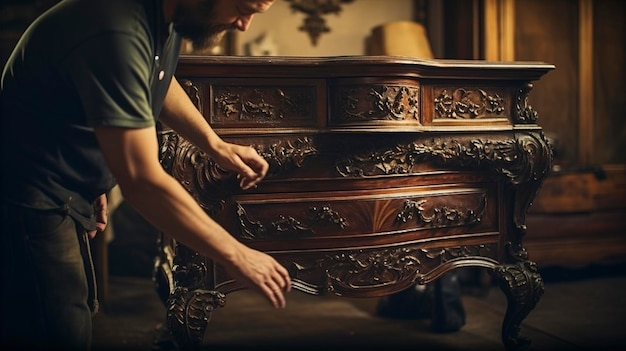
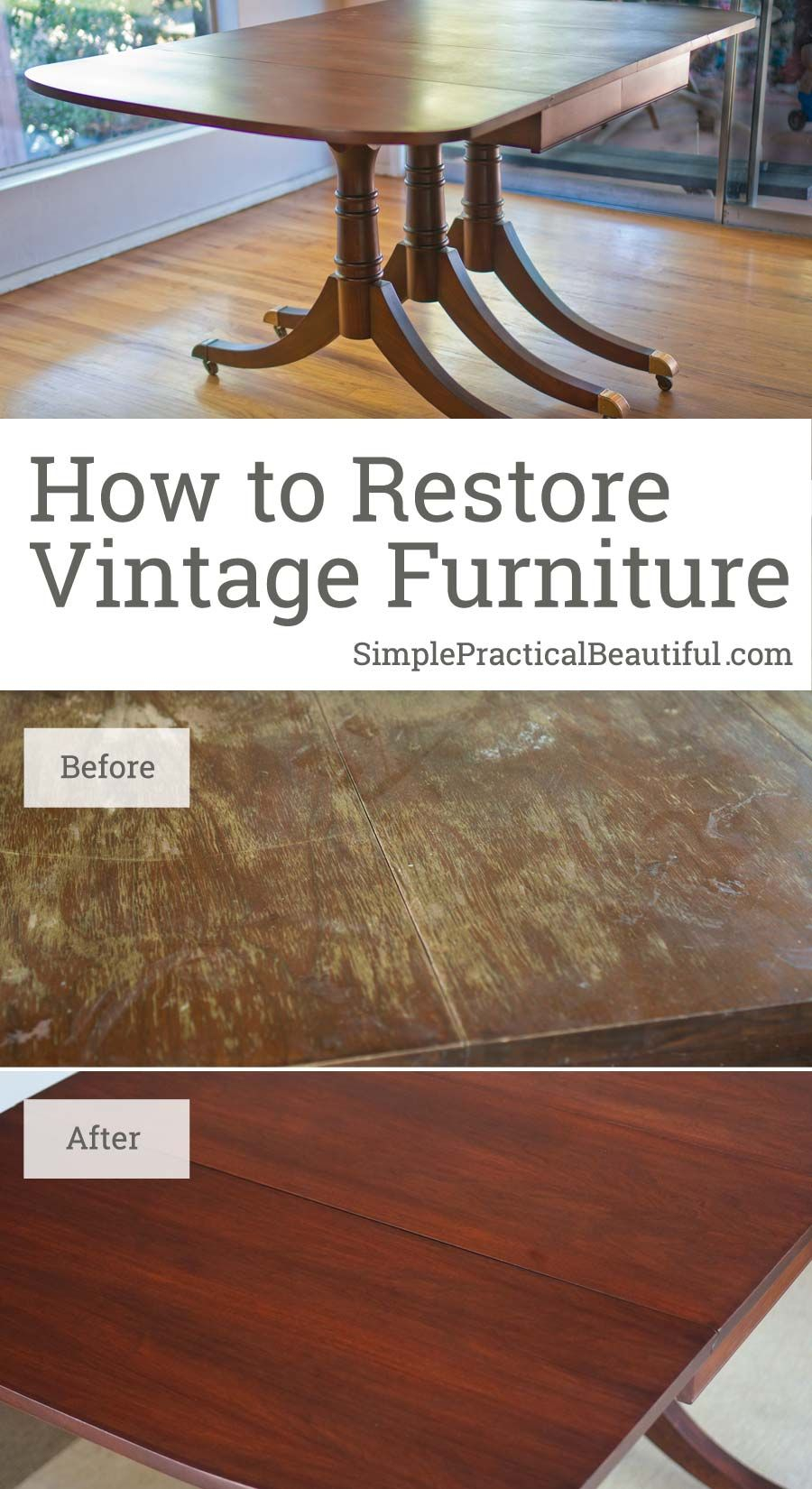
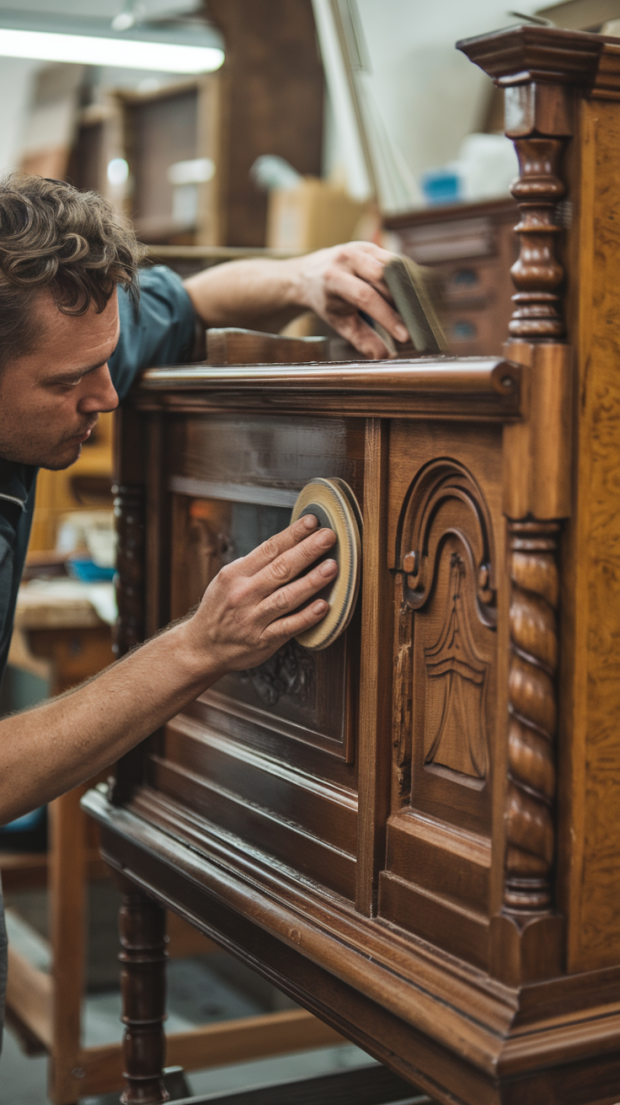
Mint condition vintage furniture commands top dollar because collectors hate doing manual labor. If you are willing to embrace a little DIY restoration work, you can score incredible bargains on pieces that just need some love. A dry, faded walnut surface can look brand new with the right application of restoring oil.
Scratches, minor water rings, and loose legs often scare casual buyers away, driving prices down to almost nothing. As long as the structural integrity of the item remains solid, surface blemishes are easy fixes. Look past the ugly cosmetic flaws and visualize the hidden beauty waiting underneath.
The biggest trap in vintage collecting is buying something purely because it carries a trendy label or an investment tag. Trends shift constantly, and furniture should primarily serve your home and make you happy. If a piece speaks to you and fits your budget, it is a great purchase regardless of whether it can be traced to a famous European designer.
Take your time building your collection room by room. Impulsive buying usually leads to regret and wasted money. By staying patient and keeping your eyes open, you will slowly curate a home filled with genuine character and history.
Finding authentic mid-century furniture without breaking the bank takes time, curiosity, and a willingness to dig through unexpected places. By skipping the overpriced designer showrooms and embracing the thrill of local treasure hunting, you can furnish your space with pieces that tell a real story.
Remember that every scratch and patina mark represents decades of life before the item landed in your living room. Enjoy the hunt, trust your instincts, and take pride in creating a home that feels both timeless and deeply personal.