The morning light cuts across a compact city apartment floor, illuminating a space that must function as a corporate boardroom by 9:00 AM, a yoga studio by noon, and a tranquil sanctuary by evening. A decade ago, trying to squeeze these disparate routines into six hundred square feet meant living among towering piles of plastic bins, folding chairs shoved into narrow closets, and an omnipresent sense of visual claustrophobia. Today, our relationship with domestic square footage has fundamentally shifted. We no longer expect our homes to remain static backdrops; instead, we demand that our architecture and possessions adapt fluidly to the unpredictable rhythms of modern life.
This evolution is not merely a matter of aesthetic preference or minimalist philosophy. Economic realities across urban centers have driven down the average footprint of new residential builds while the proliferation of remote and hybrid work has drastically inflated our domestic storage and operational needs. When a single room must absorb office hardware, workout equipment, guest bedding, and everyday leisure gear, static furniture falls short. The modern home requires pieces that work harder, think smarter, and refuse to occupy floor space without earning their keep.
At the intersection of industrial design and spatial psychology lies the silent revolution of multifunctional engineering. From hydraulic lift-up mechanisms concealed inside plush velvet ottomans to wall-mounted console tables that blossom into full-sized dining room setups seating eight, these innovations rewrite the rules of interior architecture. By merging raw mechanical ingenuity with high-end craftsmanship, contemporary makers have proven that maximizing utility no longer requires sacrificing luxury, comfort, or personal style.
The Architectural Mechanics of Spatial Multiplicity
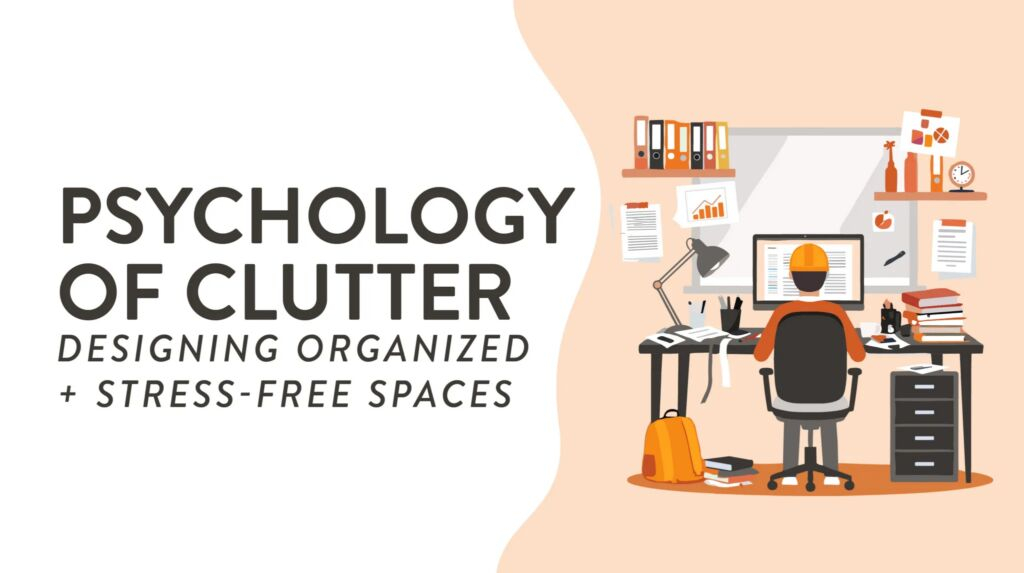
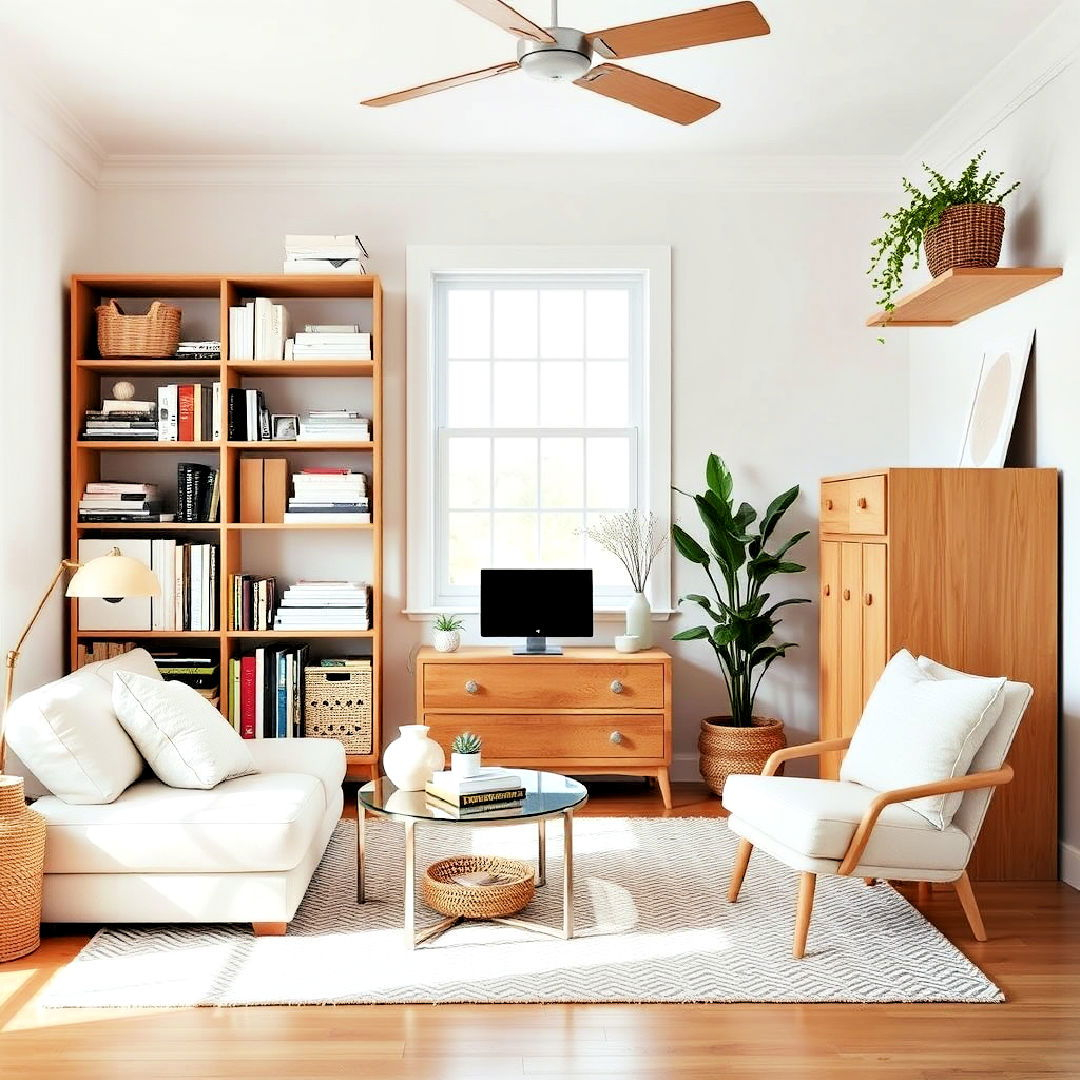
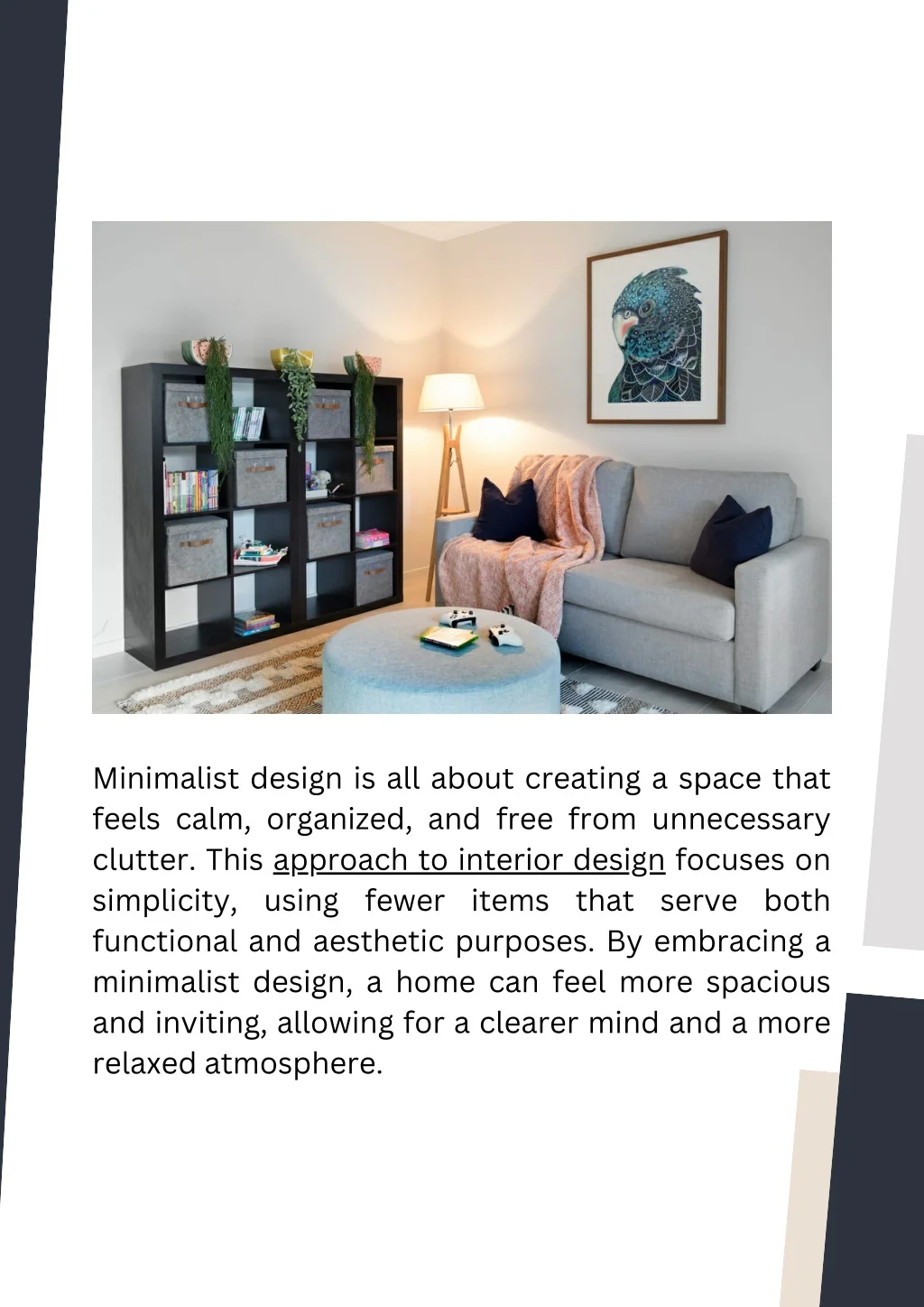
To understand how multifunctional furniture alters a room, one must first look at how human beings psychologically process spatial boundaries. Visual clutter triggers an immediate cognitive load spike, making small rooms feel suffocating long before they reach physical capacity. Double duty pieces address this vulnerability by operating on a principle of concealment and compression. Instead of leaving life’s necessary debris exposed on open shelving, these designs swallow blankets, electronics, and paperwork into hidden compartments, preserving clean sightlines that trick the brain into perceiving a larger horizon.
The engineering behind these pieces has advanced far beyond the wobbly fold-out couch of the mid-twentieth century. Modern hardware relies on pneumatic pistons, heavy-gauge steel framing, and precision-bearing drawer slides that allow a massive queen-sized mattress to glide down from a living room wall with the touch of a single finger. Materials have also evolved to balance structural integrity with weight constraints. Designers utilize high-density engineered wood cores wrapped in genuine hardwood veneers, aluminum honeycomb panels, and reinforced hardware fixtures designed to endure thousands of transformation cycles without sagging or squeaking.
Beyond simple storage cavities, the most sophisticated double duty items alter their structural geometry entirely. A coffee table does not merely hold a cup of coffee; its top rises vertically on a synchronized spring-loaded mechanism to become an ergonomic laptop desk. A credenza in a narrow hallway conceals pull-out modular benches that slide out to host an impromptu dinner party. These transformations rely on calculated weight distribution and counterbalance principles, ensuring that a piece remains completely stable in its primary configuration while staying effortlessly manageable when shifting into its secondary role.
Balancing Aesthetic Sophistication with Daily Ergonomics
A common misstep in early iterations of space-saving furniture was an over-reliance on novelty at the expense of everyday comfort. A chair that folds into a ladder is fascinating on paper, but if sitting in it for twenty minutes induces lower back pain, it quickly becomes an expensive piece of sculptural art shoved into a corner. Contemporary interior designers and furniture fabricators have recognized that longevity in the home depends entirely on uncompromising ergonomic standards and material luxury.
Integrating multifunctional pieces into a curated interior requires a delicate balance of scale, texture, and visual weight. A heavy, dark wood storage bed can easily overpower a modest bedroom unless balanced with floating nightstands and airy textiles. Conversely, a minimalist acrylic coffee table with hidden storage might disappear completely into a bright room, maintaining an open, unobstructed flow of light. Designers now treat hardware as an intentional jewelry accent for the home, utilizing brushed brass, matte black steel, and leather pulls to anchor utilitarian pieces firmly in the realm of high-end design.
The tactile experience of using these items dictates whether they become beloved daily rituals or frustrating household chores. If a mechanism requires wrestling, pinched fingers, or clearing an entire surface before operation, users simply stop converting it. The gold standard of double duty design is intuitive fluidity. A drop-leaf table should lock into place with a satisfying, reassuring click; a storage ottoman lid should feature soft-close hinges that prevent accidental slamming. When form, function, and tactile feedback align, the furniture ceases to be a clever trick and becomes an indispensable partner in daily domestic flow.
A Systematic Methodology for Assessing Your Space
Integrating hardworking furniture into your home requires a deliberate, diagnostic approach rather than impulse shopping based on a striking catalog photo. Before purchasing a single piece, you must map out your physical boundaries, identify your genuine behavioral patterns, and audit your storage deficits.
- Step 1 (Spatial Audit and Traffic Mapping): Measure your rooms not just when they are empty, but map the swing paths of doors, drawer clearances, and the primary pathways your household walks through daily to ensure transformation zones remain completely unobstructed.
- Step 2 (Friction Point Identification): Catalog the top three daily frustrations in your home—such as a dining table that doubles as a chaotic desk, or a lack of guest bedding—to target your investments where they will yield maximum psychological and practical relief.
- Step 3 (Scale and Proportion Analysis): Calculate the maximum footprint a piece can occupy in its expanded state rather than its closed state, preventing situations where a transforming table blocks patio doors or wardrobe access when fully deployed.
- Step 4 (Hardware and Mechanism Testing): Evaluate the mechanical durability of prospective pieces by checking for solid steel joints, smooth gas struts, and replaceable parts rather than cheap glued joints or exposed plastic hinges.
- Step 5 (Unified Aesthetic Integration): Select pieces that match your existing design vocabulary through cohesive wood tones, complementary upholstery fabrics, and matching hardware finishes to maintain a harmonious, curated atmosphere.
Navigating Structural Pitfalls and Mechanical Vulnerabilities
Even the most thoughtfully engineered furniture can become a source of domestic frustration if selected or installed without proper forethought. Understanding the common failure points of multifunctional design helps you sidestep expensive mistakes and ensures your investment lasts for decades.
- Pitfall 1 (Overloading Hydraulic and Gas-Lift Mechanisms): Storing excessively heavy items inside lift-top coffee tables or storage beds can exhaust pneumatic pistons prematurely. The practitioner workaround is to distribute weight evenly and check manufacturer weight limits before loading dense items like hardbound books or cast-iron cookware.
- Pitfall 2 (Ignoring Floor Levelness and Clearance): Hardwood floors and older subfloors are rarely perfectly level, which can cause folding mechanisms, Murphy beds, and sliding partitions to bind or skew. The practitioner workaround is to use adjustable leveling feet and verify wall-anchoring security before operating heavy wall units.
- Pitfall 3 (Prioritizing Novelty Over Daily Ergonomic Comfort): Buying a radically transforming piece that looks incredible on social media but hurts your back or requires awkward contortions to use. The practitioner workaround is to test-drive transformation mechanisms in-person whenever possible, prioritizing pieces where the primary function is just as comfortable as the secondary one.
- Pitfall 4 (Neglecting Ventilation in Enclosed Storage): Tucking shoes, workout gear, or damp linens into tightly sealed storage ottomans or platform bed drawers without airflow. The practitioner workaround is to select pieces featuring discreet rear ventilation holes or to use natural cedar blocks and breathable linen storage bags inside compartments.
- Pitfall 5 (Disrupting Room Circulation and Flow): Placing a large expandable table or pull-out sofa in a tight zone where its fully deployed state completely blocks access to bathrooms or kitchen appliances. The practitioner workaround is to use painter’s tape on your floor to outline the exact maximum footprint of the furniture before buying.
The Economic and Environmental Value of Intentional Living
Investing in high-grade, multifunctional furniture represents a profound shift away from the disposable, fast-furniture culture that has dominated consumer markets over the last generation. When a single piece of furniture performs three distinct jobs, you often eliminate the need to purchase two other supplementary items. This consolidation reduces your overall household carbon footprint, conserves raw materials, and directs your financial resources toward heirloom-quality craftsmanship built from sustainably harvested timber and durable, non-toxic hardware.
The economic math shifts favorably when you view these pieces through a long-term lens. While a custom wall bed or an articulating dining console carries a higher upfront cost than flat-pack alternatives, its durability and versatility insulate you against future relocation expenses. As your life evolves—whether moving from a studio apartment to a suburban house, or welcoming a new family member—a well-engineered modular furniture system moves with you, adapting its configuration to suit entirely new room layouts and lifestyle demands.
This adaptability fosters a deeper psychological attachment to our possessions. We care more for objects that actively serve our daily well-being and solve tangible spatial puzzles. By curating a home filled with intelligent, hardworking pieces, we cultivate an environment of calm intentionality where every square inch of living space has a clear purpose, a beautiful presence, and an enduring value.
Strategic Frameworks for Long-Term Spatial Adaptability
Sustaining an organized, highly functional living space requires ongoing curation long after the initial furniture delivery trucks have departed. As seasons change and household dynamics shift, your relationship with your belongings will naturally evolve, necessitating a flexible framework for managing your interior ecosystem.
- Seasonal Rotation Protocol: Swap out bulky winter duvets and heavy sweaters from your bed base storage compartments in the spring, replacing them with lightweight linens and travel gear to keep hidden spaces optimized for current needs.
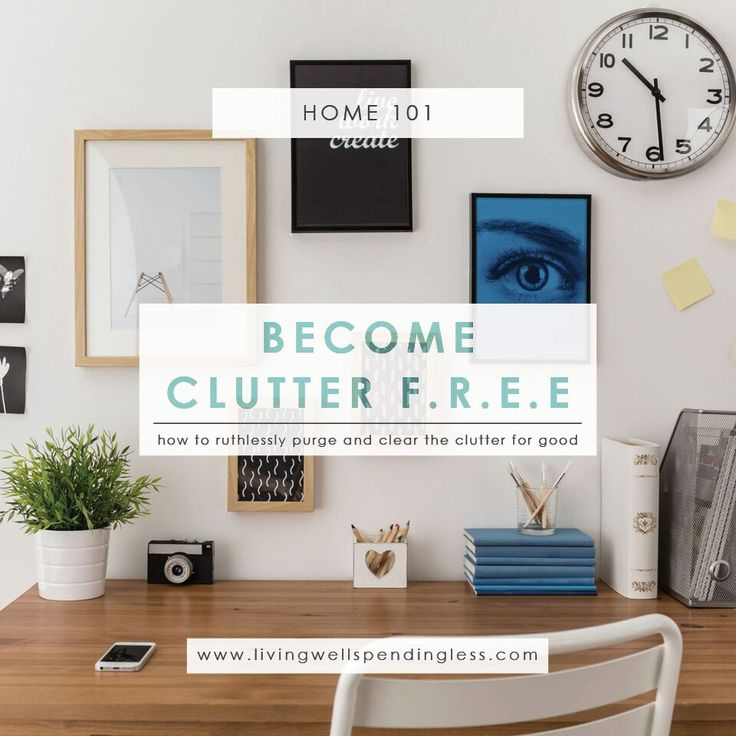
- The One-In, One-Out Inventory Rule: Maintain strict discipline regarding surface clutter by ensuring that whenever a new decorative object or electronic device enters a multi-duty room, an older, underutilized item is donated or repurposed.
- Routine Hardware Maintenance: Schedule an annual check of all Allen screws, piston mounts, sliding tracks, and hinges on your transforming furniture, tightening fasteners to prevent wear from daily friction and movement.
- Multifunctional Zoning Strategy: Group active zones together—such as positioning your articulating desk-console near natural window light and power sources—to maximize the operational efficiency of each convertible zone.
The transformation of our living spaces through clever engineering is ultimately a quest for freedom. By reclaiming floor space from single-use items, we unlock room for movement, creativity, and peace of mind within our homes. We stop fighting against our square footage and begin partnering with it, turning architectural limitations into canvases for innovative design.
As material sciences advance and urban living densities continue to challenge traditional interior layouts, the boundary between furniture and architecture will blur even further. The most successful homes of the future will not be measured by their square footage, but by their agility, resilience, and capacity to nurture the people who inhabit them. Embrace this evolution, curate your spaces with deliberate care, and let your furniture work as hard as you do.