Have you ever walked into your living room, felt that something was completely wrong, and couldn’t quite figure out what it was? You bought the couch, you painted the walls, and yet the space still feels like a waiting room instead of a cozy home.
Often, the hidden culprit behind an awkward room is not your furniture, but your floor covering. We spend hours picking out textures and colors, only to drop a random mat onto the floor and hope for the best.
The Floating Furniture Syndrome
One of the biggest mistakes people make is pushing every single piece of furniture against the perimeter of the room. When you leave a tiny rug floating right in the dead center of all that empty space, it looks like a lonely postage stamp. Your seating area feels disconnected, and nobody wants to sit on a sofa that feels miles away from the coffee table.
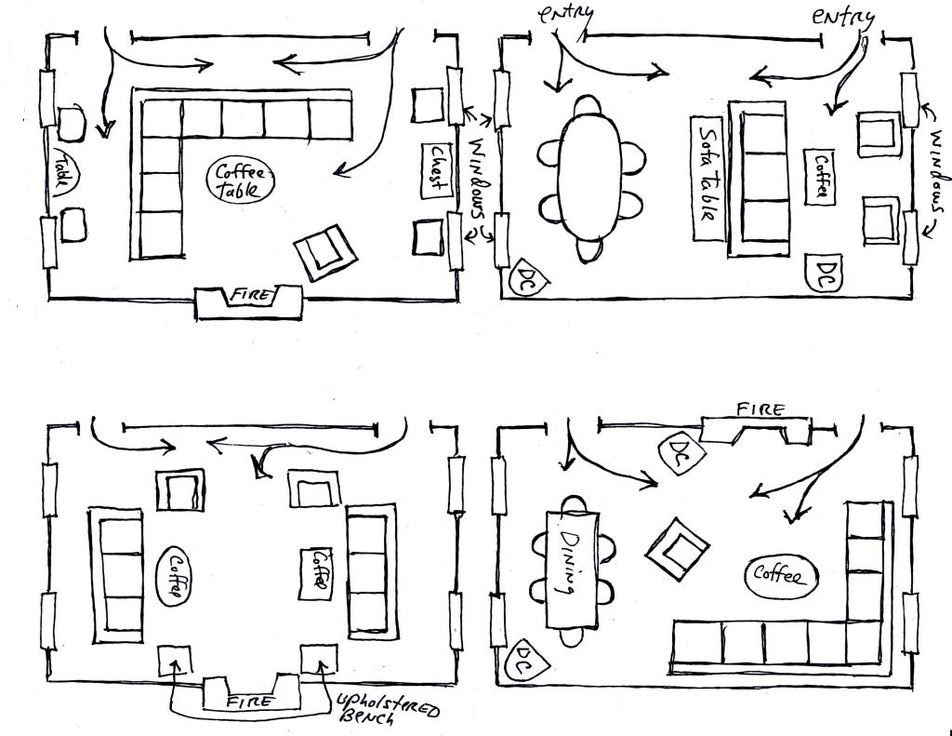
To fix this, you want to pull your main seating pieces closer together. At the very least, make sure the front legs of your major furniture items rest comfortably on top of the fabric. This creates a unified zone where conversation actually flows naturally.
The All-Legs-On Versus Front-Legs-On Debate
Choosing how much furniture sits on your floor covering can drive anyone a little crazy. You do not always need a massive covering that swallows the entire floor. In smaller rooms, having just the front legs of your sofa and chairs on the material works wonders.
On the other hand, if you are working with a wide-open floor plan in 2026, putting all four legs of every major piece inside the border creates a bold statement. It defines a distinct room within a larger space. Just make sure you leave a nice border of bare flooring around the edges so the room can still breathe.
Sizing Up Your Space Correctly
People almost always buy floor coverings that are way too small. It is the number one design trap in modern homes. A tiny rectangle under a massive sectional just looks confused and mismatched.
Before spending your hard-earned cash, grab some blue painter tape and map out the exact dimensions on your floor. Walk around the room and live with that tape outline for a day or two. You will quickly realize if you need to size up to the next standard dimension.
Dining Room Dilemmas
Dining spaces come with their own unique set of rules that trip people up all the time. If your floor covering is too small, chairs catch on the edge every single time someone tries to sit down or stand up. It is endlessly annoying and ruins dinner parties.
Your dining room mat needs to be large enough so that all the chairs stay completely on the fabric even when pulled all the way out. As a good rule of thumb, add about twenty four inches of extra space on every side of your dining table. This simple trick keeps everything balanced and functional.
Mastering Traffic Flow and Pathways
A room is meant to be lived in, which means people need to walk through it without tripping over thick fabric edges. If your rug cuts awkwardly across a natural hallway or heavy foot traffic lane, it instantly creates visual and physical friction.
Try to align your decor with the natural paths people take through your home. Keeping edges clear of major doorways prevents annoying trips and falls. Plus, it makes the entire layout feel much more intentional and welcoming.
If you are dealing with a space that feels flat and lifeless, single-layer solutions might not cut it. Interior design trends lean heavily into rich textures and thoughtful layering. Putting a smaller, patterned statement piece over a large, neutral jute base adds incredible depth.
This approach lets you play with bold colors or delicate vintage weaves without overwhelming the entire floor. It breaks up monotony and brings warmth to cold hardwood or tile surfaces.
Getting your home layout to feel just right takes a little patience and trial and error. Remember that design rules are just loose guidelines meant to help you find what feels comfortable for your everyday life. Take a step back, look at how your furniture interacts with the floor, and don’t be afraid to pull things closer together. Your space will thank you.