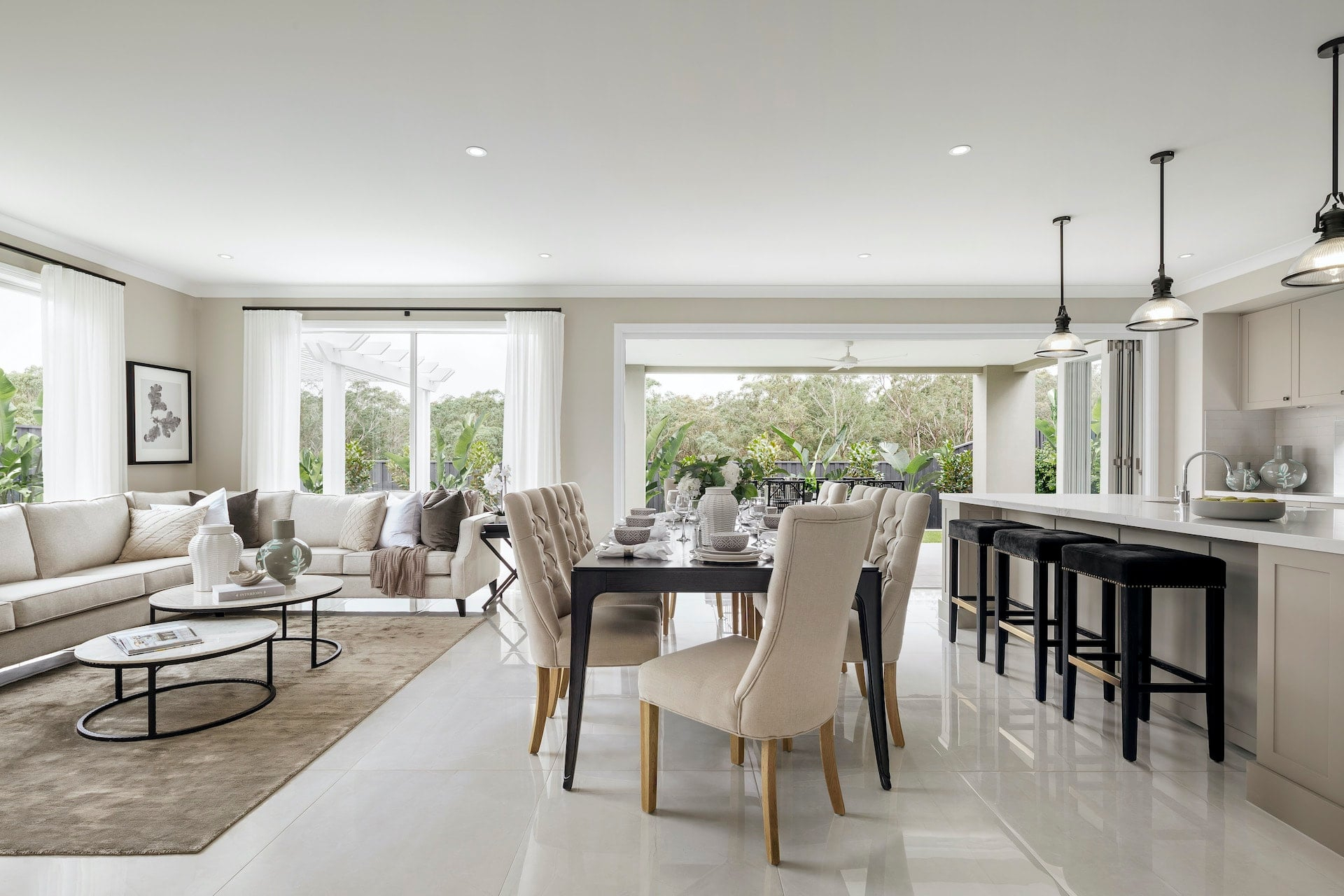
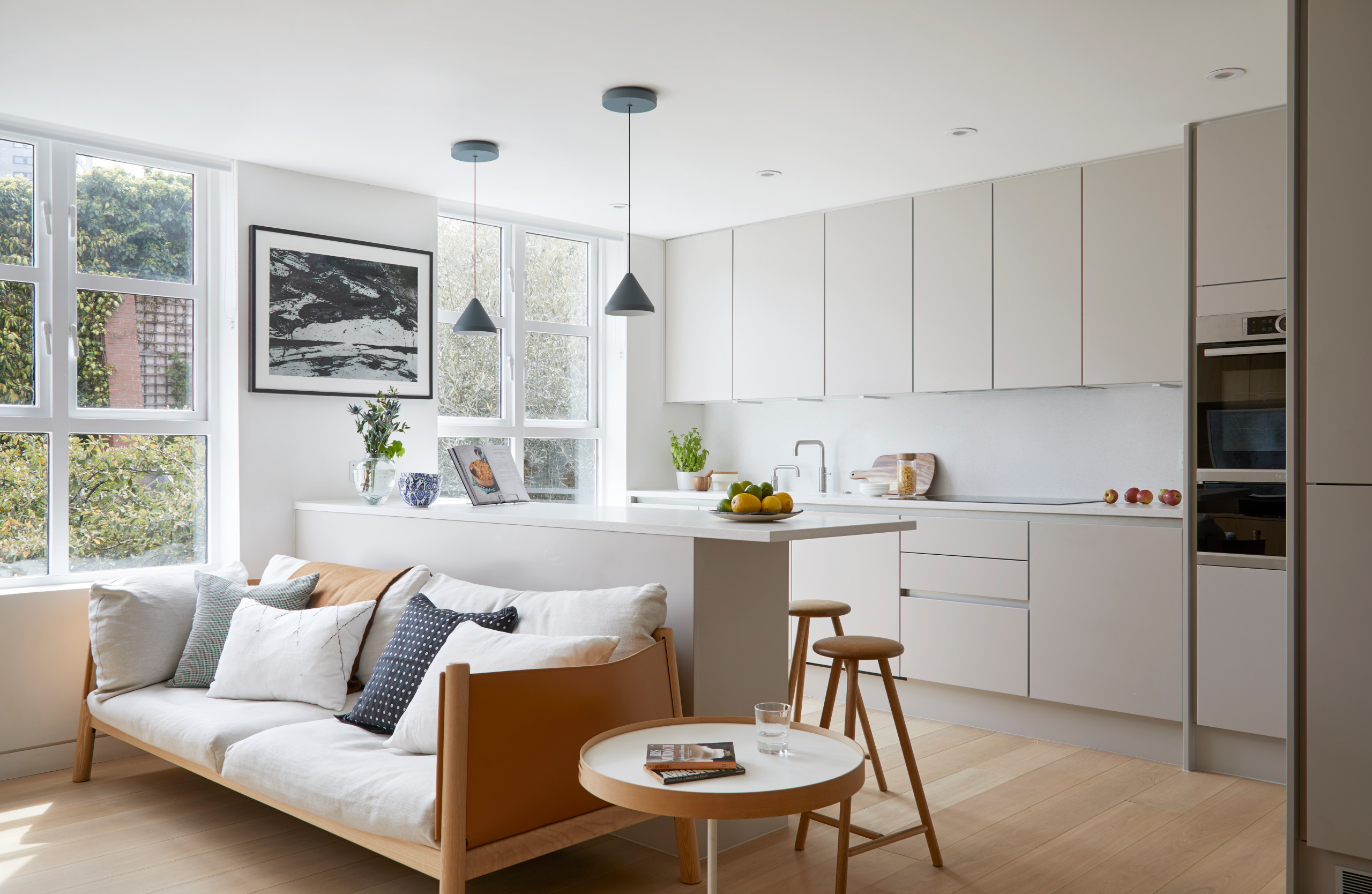
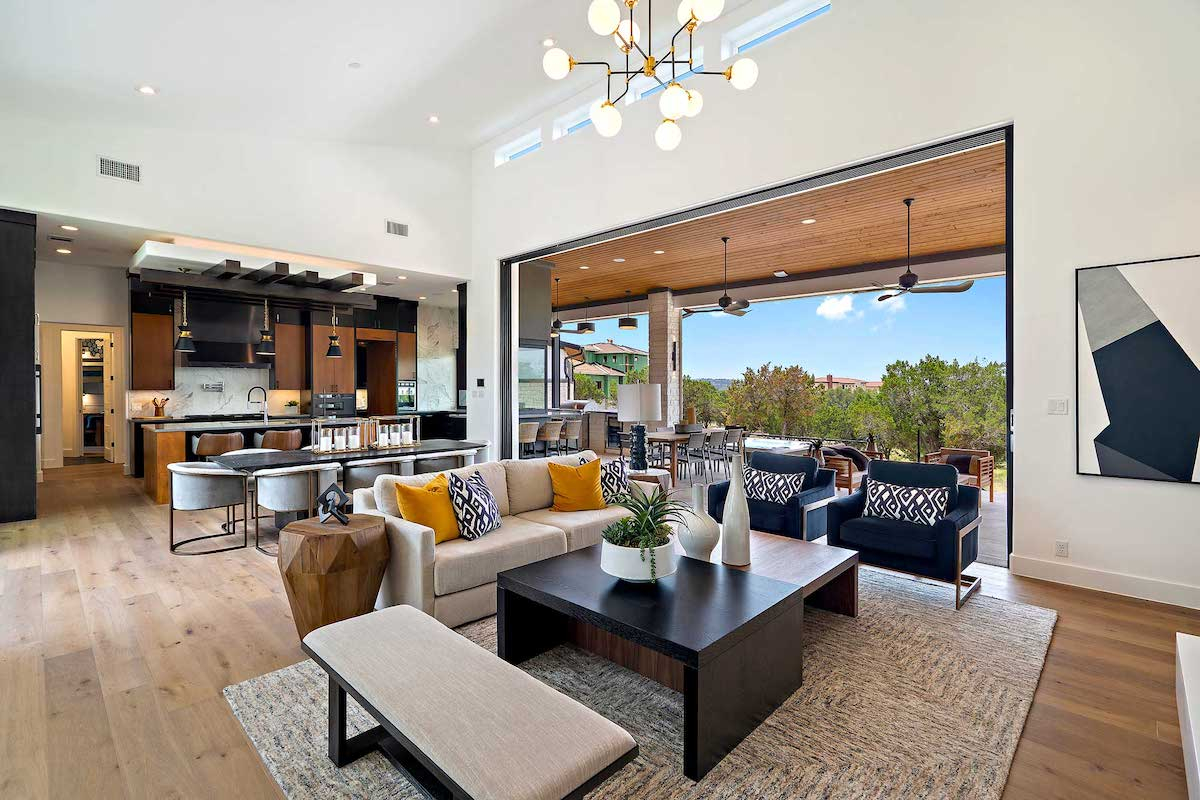
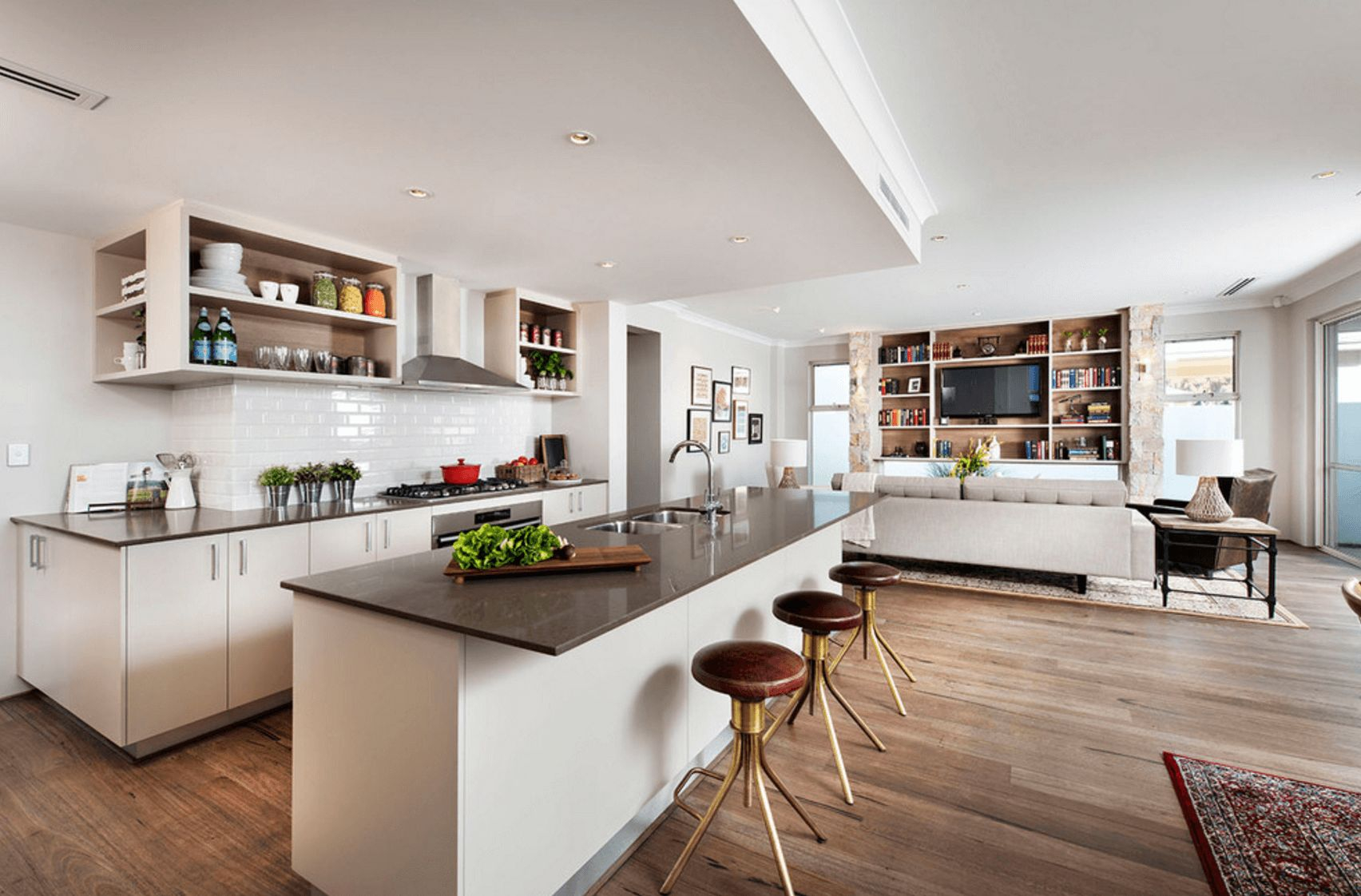
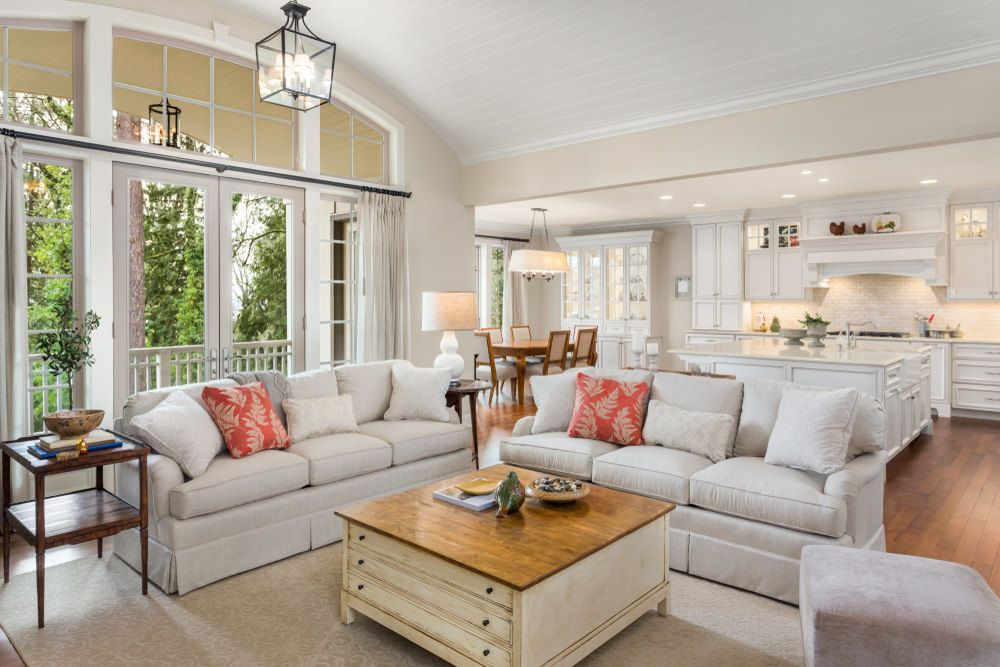
Ever stood in a massive, open-concept living area and felt completely lost. You aren’t alone. While huge rooms with high ceilings look breathtaking in magazine photos, living in them can feel like trying to get cozy in a high school gym. How do you watch TV, eat dinner, and run a home office in one giant box without it looking like a cluttered mess.
The secret isn’t building permanent walls. Instead, it is all about mastering the art of "zoning." By using elements like soft area rugs, freestanding dividers, and clever furniture placement, you can sculpt purposeful, intimate areas within an expansive footprint. Let’s dive into how you can make your big space work harder for you this year.
The Magic of the Ground Up: Using Rugs to Anchore Your Space
Think of area rugs as the invisible walls of your room. When you place a large rug on the floor, you are instantly telling the brain that everything sitting on top of it belongs to the same family. For example, putting a plush, textured rug under your sofa and coffee table instantly screams "relaxation zone," separating it from the rest of the cold hardwood floor.
When you are styling rugs in multi-functional living spaces, size is everything. A common mistake is buying rugs that are too small, which makes your furniture look like it is floating out at sea. Ideally, you want at least the front legs of your seating to rest on the fabric. In high-traffic spots, make sure to pick durable materials like jute or flat-weave wool so they don’t wear out fast.
Mixing and Matching Without Causing Visual Chaos
So, can you use more than one rug in a single massive room. Absolutely. In fact, you should. But you have to be careful not to make your home look like a carpet showroom. The trick to keeping things cohesive is playing with color and texture without letting them fight for attention.
If your main living area has a vibrant, patterned rug, balance it out in the dining or workspace zone with a neutral, solid-colored option. You can also vary the textures—like pairing a chunky knit rug with a sleek, flat-weave one. Just make sure there is at least one common thread, like a shared accent color, to tie the whole look together.
Freestanding Dividers: Boundaries Without Commitment
Sometimes visual boundaries on the floor aren’t quite enough, and you need a little bit of physical separation. That is where room dividers come in handy. Folding screens, open bookshelves, and even tall plants can act as amazing partitions that block the view without completely shutting out daylight.
Open bookcases are a personal favorite for this. They give you extra storage space and let you display books and art, but because they don’t have a solid back, light can still pass right through. This keeps the room feeling airy and bright while giving your home office or reading nook the privacy it needs.
Floating Your Furniture to Create Natural Walkways
When dealing with a massive room, our first instinct is often to push every single piece of furniture flat against the walls. Don’t do it. This leaves a giant, awkward empty void in the middle of the room. Instead, try "floating" your furniture away from the perimeter.
Use the backs of your couches to map out pathways. A sofa placed with its back to the dining table naturally creates a boundary between eating and relaxing. This layout tip keeps the traffic flowing smoothly around your functional zones rather than cutting right through the middle of them.
Lighting and Vertical Space: Don’t Forget to Look Up
Zoning isn’t just about what is happening on the floor. To truly make a multi-purpose room feel organized, you need to use your vertical space too. Lighting plays a massive role here. Hanging a dramatic pendant light over the dining table immediately marks that spot as a distinct destination.
Similarly, you can use wall art or floating shelves to define specific areas. A gallery wall behind a desk instantly marks that corner as the designated workspace. By drawing the eye upward, you break up the monotony of a large wall and give each zone its own unique personality.
Let’s look at a quick example of how to tie all of this together. Imagine a long, rectangular great room. In the center, you place a large, cozy sectional on a thick woven rug facing a media console. Behind the couch, you set up a slim console table, which transitions into the dining zone defined by a sleek wooden table sitting on a flat-weave geometric rug.
Off in the corner, you place a stylish folding screen to block the view of a small desk and office chair. Just like that, you have turned one intimidatingly large room into three distinct, highly functional spaces. It feels cozy, intentional, and unmistakably human.
Creating a beautiful multi-functional space doesn’t require a master’s degree in architecture or a massive renovation budget. It just takes a little bit of patience and some strategic placement. By anchoring your zones with rugs, adding flexible dividers, and pulling your furniture away from the walls, you can easily tame any giant room.
Remember, your home should adapt to the way you actually live. Don’t be afraid to experiment, move things around, and see what layout feels best for your day-to-day routine. Happy decorating.