Ever walked into a room and just felt your shoulders drop? That instant exhale. It’s not magic, though it might feel like it. It’s often the result of intentional design choices that prioritize comfort and calm over clutter and chaos. In 2026, the allure of Scandinavian style hasn’t faded; if anything, it has deepened. But here is the thing most glossy magazines won’t tell you right away. You don’t need a trust fund or a designer label to get that feeling. Not even close.
The myth that Nordic minimalism equals cold, sterile, and expensive is officially dead. Buried. What we are seeing now is a warmer, more textured evolution. It’s about "quiet luxury," sure, but the quiet part is key. It whispers rather than shouts. This year, the trend leans heavily into Japandi influences—that beautiful marriage of Japanese rustic minimalism and Scandinavian functionality. It’s cozy. It’s grounded. And best of all? It is incredibly kind to your wallet if you know where to look and what to ignore.
Let’s be real for a second. Life in 2026 is fast. Loud. Digital. Our homes have become our sanctuaries, our offices, and our gyms all at once. We need spaces that recharge us. Scandinavian design, at its core, is about creating a backdrop for living well. It’s functional. It’s honest. And when done on a budget, it forces you to be creative, which often leads to a more personal and interesting space anyway. So, grab a cup of coffee (or tea, no judgment here). Let’s talk about how to bring that Nordic warmth into your home without emptying your bank account.
The Foundation: Light, Air, and Neutral Palettes
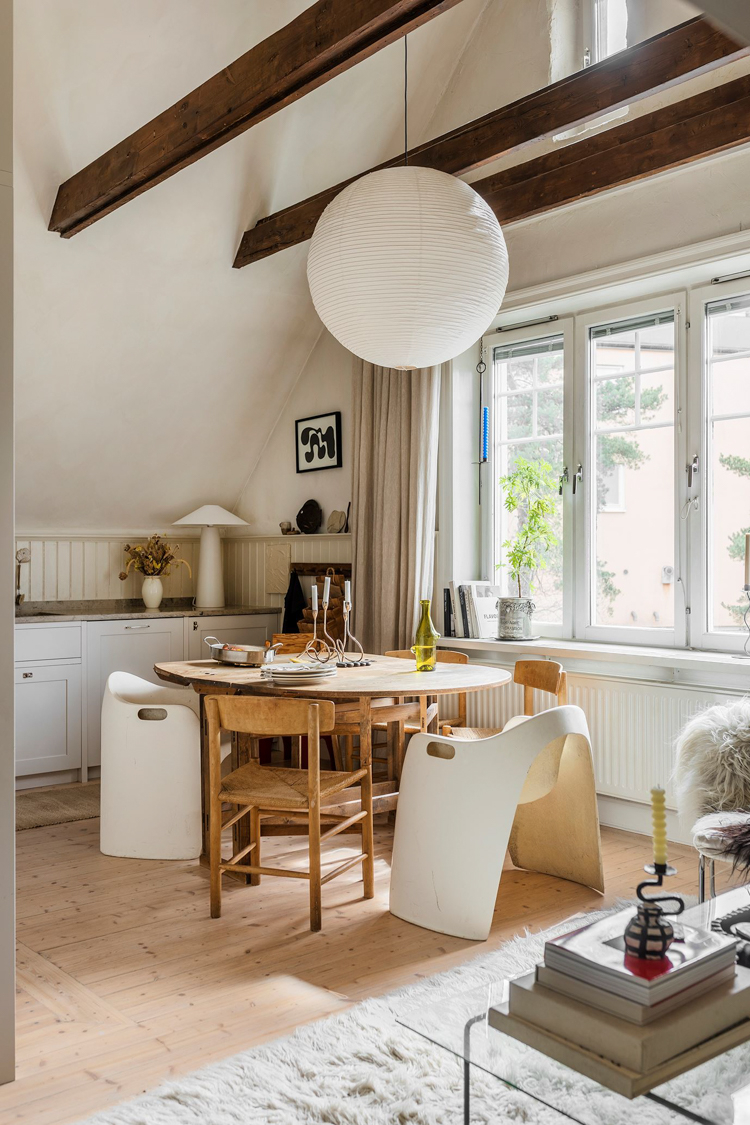
Start with the bones of the room. Scandinavian design lives and dies by light. In the Nordic countries, winter days are short and dark, so maximizing natural light isn’t just an aesthetic choice; it’s a survival tactic. You might not live in Stockholm, but the principle holds. Keep your windows bare or use sheer, lightweight curtains that let the sun pour in. If you have heavy drapes, take them down. Seriously. Just try it for a week. Notice how the room breathes differently.
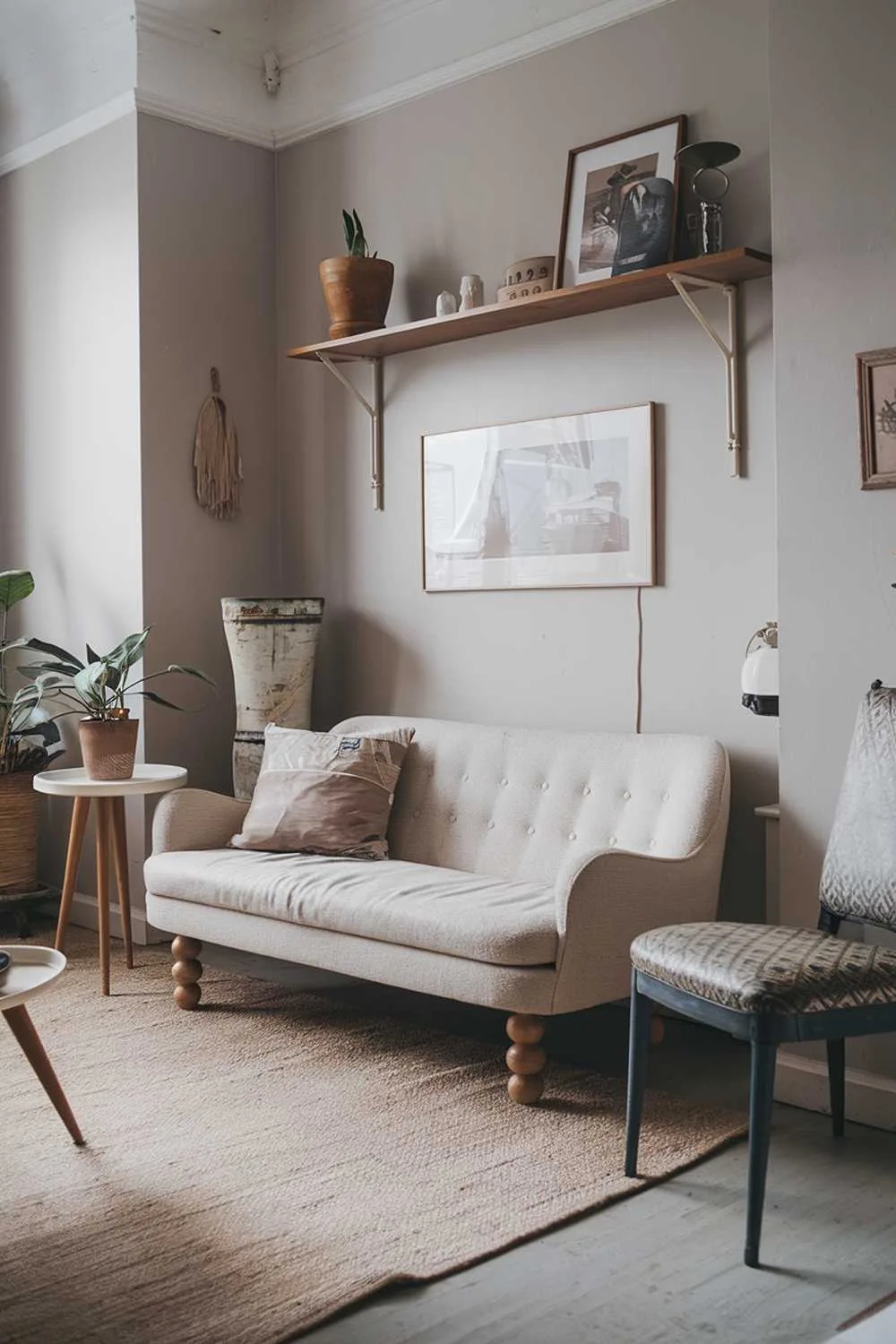
When it comes to walls, stick to the classics but don’t be afraid of nuance. White is the standard, yes, but in 2026, we are seeing a shift toward warmer neutrals. Think oatmeal, soft greige, or pale blush. These tones reflect light beautifully while adding a layer of warmth that stark white sometimes lacks. Painting is one of the cheapest ways to transform a space. A single gallon can change the entire mood of a room. If you are renting, check with your landlord about using removable wallpaper or just focus on furniture placement to enhance the airy feel.
Don’t forget the floors. Light wood tones are iconic for a reason. They keep things feeling open. If you are stuck with dark carpet or dated tile, a large, light-colored rug can do wonders. You don’t need Persian silk here. Look for jute, sisal, or cotton blends. They add texture and define spaces without costing a fortune. The goal is to create a canvas that feels clean and uncluttered, allowing your other elements to shine. It’s about subtraction, not addition. Ask yourself: what can I remove to let the light in?
Textures Are Your Best Friend (And Wallet’s)
Here is where the "cozy" part of cozy Scandinavian design really happens. Minimalism can feel cold if it’s all smooth surfaces and hard lines. Texture is the antidote. It adds depth and interest without adding visual noise. In 2026, the focus is on natural, tactile materials. Wool, linen, cotton, sheepskin, and rattan. These materials age beautifully and feel good to touch. And touching things is important. We crave sensory experiences in our digital world.
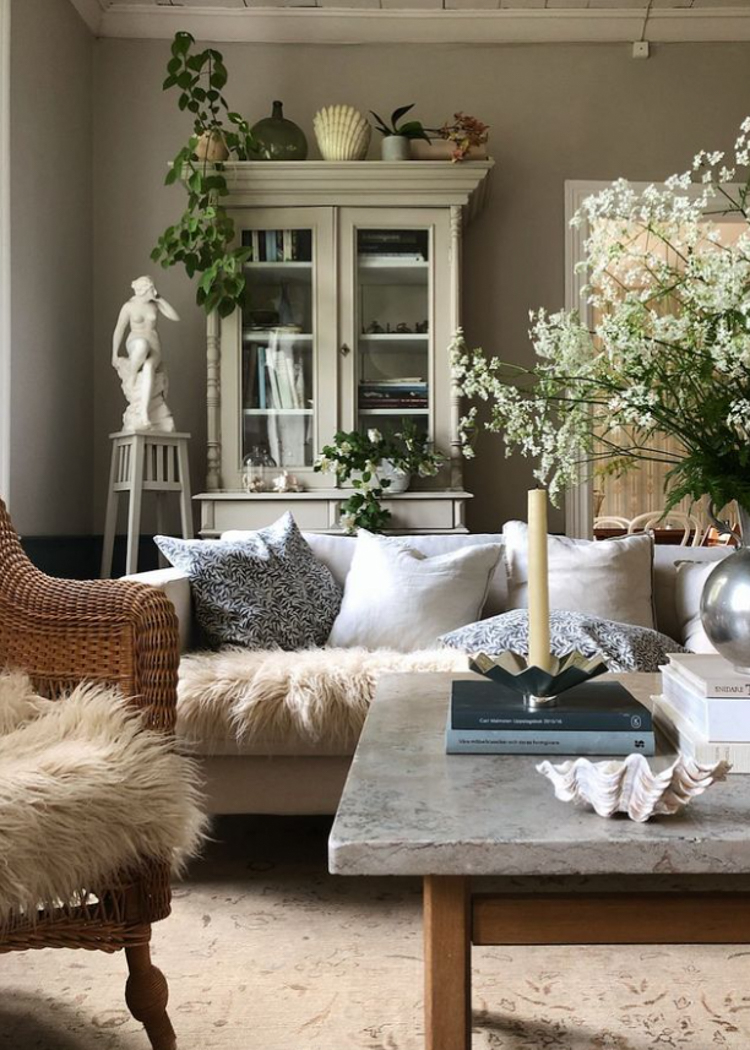
You don’t need to buy a new sofa to get this effect. Throw pillows and blankets are your secret weapons. A chunky knit throw draped over the arm of a chair instantly says "hygge." Mix patterns subtly. Maybe a striped cushion next to a solid one. Keep the colors within your neutral palette, but play with the weave. A bouclé pillow next to a smooth linen one creates a conversation between textures. Thrift stores are goldmines for these items. You can find high-quality wool blankets for a fraction of the retail price if you are willing to dig.
Rugs are another major player. Layering rugs is a trendy look that also makes practical sense. Put a smaller, patterned or textured rug on top of a larger, neutral one. It defines a seating area and adds warmth underfoot. Sheepskin rugs are classic Scandinavian staples. They are surprisingly affordable if you look for synthetic alternatives or shop sales. Place one by your bed or in front of your reading chair. It’s a small luxury that feels huge. Remember, the goal is to invite people to sit, stay, and relax. Softness invites lingering.
Smart Lighting: Sculpting the Mood
Lighting is often an afterthought, but in Scandinavian design, it is central. Since natural light is precious, artificial light needs to work hard. But not in a harsh, overhead way. The key is layering. You want multiple sources of light at different heights. This creates pools of warmth and eliminates those creepy shadows that make a room feel unwelcoming. In 2026, sculptural lighting is big, but you don’t need designer pieces to get the look.
Start with floor lamps. A simple arc lamp or a tripod style can add height and drama. Look for ones with fabric shades; they diffuse light softly. Table lamps are essential for side tables and desks. Choose bases made of wood, ceramic, or stone to tie in with your natural material theme. Bulb temperature matters too. Stick to warm white bulbs (around 2700K-3000K). Cool white light feels clinical and sterile. Warm light feels like a hug. It’s a small detail with a massive impact on how a room feels.
Candles are non-negotiable. Yes, even in 2026. There is something primal and calming about flickering flame. Group candles of different heights on a tray or shelf. Use unscented ones if you prefer, or subtle scents like pine or vanilla. LED candles are a great option if you have pets or kids, or just hate cleaning wax. The point is the glow, not the fire. Dimmer switches are another budget-friendly upgrade if you can install them. Being able to lower the lights in the evening signals to your brain that it’s time to wind down. It’s simple biology, really.
Embrace the Japandi Blend and Vintage Finds
One of the biggest trends in 2026 is the blending of Scandinavian and Japanese aesthetics, known as Japandi. This style emphasizes craftsmanship, simplicity, and a connection to nature. It’s perfect for budget-conscious decorators because it values quality over quantity and imperfection over polish. Think wabi-sabi. A cracked vase repaired with gold (kintsugi style) is more interesting than a perfect, mass-produced one. This mindset frees you from the pressure of buying everything new.
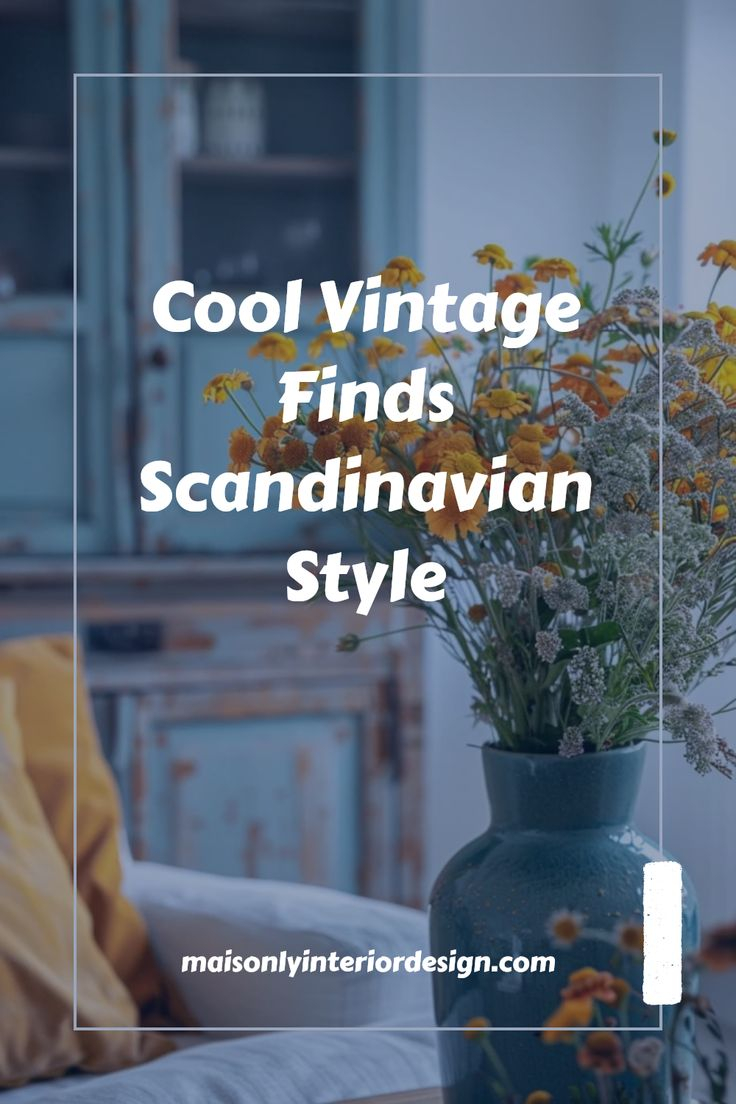
Vintage and second-hand shopping is essential for this look. Scandinavian mid-century modern pieces are still popular, but you don’t need the expensive originals. Look for similar silhouettes in thrift stores, estate sales, or online marketplaces. A wooden sideboard with clean lines. A teak chair with a worn seat. These pieces have soul. They tell a story. And they are usually much cheaper than new furniture. Don’t be afraid of a little wear and tear. It adds character. Sanding and restaining a piece of furniture can be a fun weekend project that saves you hundreds.
Incorporate natural elements freely. Branches in a vase. A bowl of stones. Dried flowers. These cost almost nothing if you forage them yourself or buy them in bulk. They bring the outdoors in, which is a core tenet of both Scandinavian and Japanese design. Plants are also huge. Snake plants, pothos, and fiddle leaf figs are resilient and add life to a room. They improve air quality and mood. A hanging plant in a macramé holder adds vertical interest and softness. It’s decor that grows. Literally.
Functional Minimalism: Less Clutter, More Calm
Scandinavian design is deeply functional. Every item should have a purpose. This is great news for your budget because it means you buy less. Before you bring something new into your home, ask: Do I need this? Will I use it? Does it bring me joy? If the answer is no, leave it. Clutter is the enemy of calm. It creates visual noise that stresses the brain. A clear surface is a peaceful surface.
Storage is key. But it doesn’t have to be boring built-ins. Use baskets, boxes, and shelves to keep things organized but accessible. Woven baskets are perfect for storing blankets, toys, or magazines. They hide the mess but add texture. Open shelving can display your favorite books and ceramics, but keep it curated. Don’t fill every shelf. Leave some empty space. This "negative space" allows the eye to rest. It’s a design principle that costs nothing but requires discipline.
Focus on multi-functional furniture. A storage ottoman can serve as a seat, a footrest, and a place to hide extra pillows. A drop-leaf table can expand for dinners and shrink for daily use. In smaller spaces, this is crucial. It maximizes utility without maximizing footprint. In 2026, modular furniture is gaining traction, allowing you to reconfigure your space as your needs change. Look for pieces that can adapt. It’s an investment in flexibility. And remember, functionality doesn’t mean boring. A beautiful wooden box can store junk just as well as a plastic bin, but it looks a heck of a lot better doing it.
Finally, make it yours. Scandinavian design is not about copying a catalog. It’s about creating a home that reflects who you are. Display art that speaks to you, even if it’s a postcard or a child’s drawing. Frame it nicely. Group photos in simple black or white frames. Create a gallery wall that tells your story. These personal touches make a house a home. They are free if you already have them. Just rearrange.
Sustainability is a huge part of the modern Nordic ethos. In 2026, consumers are more aware than ever of the environmental impact of their purchases. Buying less, buying second-hand, and choosing durable materials are all sustainable choices. Support local artisans if you can. A handmade ceramic mug might cost a bit more than a factory-made one, but it will last longer and support your community. It’s a different way of valuing money. Value longevity over novelty.
Don’t rush the process. Creating a cozy home takes time. It’s a journey, not a destination. Start with one room. Or one corner. See how it feels. Adjust. Add. Subtract. Listen to your space. Does it feel inviting? Does it feel like you? If yes, you’re on the right track. If no, tweak it. There are no rules, only guidelines. The best Scandinavian homes are those that feel lived-in and loved. They are imperfect. They are warm. And they are uniquely yours. So take a deep breath. Look around. What small change can you make today? Maybe it’s just moving a lamp. Or adding a candle. Start small. The coziness will follow.