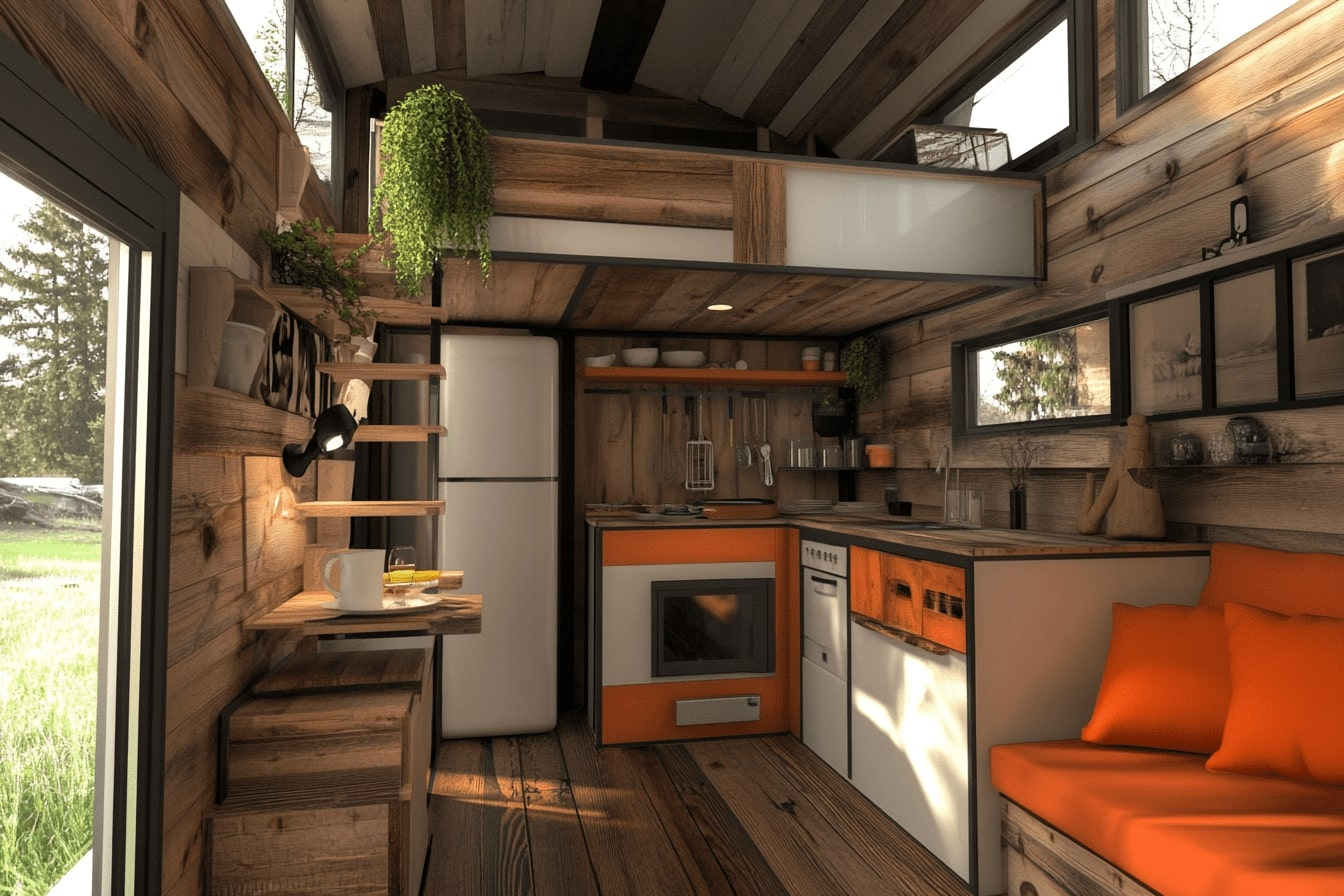
Ever walked into a tiny bedroom and felt your chest tighten just a bit? We have all been there. Space isn’t just about physical square footage. It is deeply connected to how our brains process visual cues and emotional safety. When you walk into a confined area, your mind instantly starts measuring boundaries. But what if you could fool that inner perception completely?
Our brains rely heavily on light, line and shadow to understand the world around us. In compact living quarters, these biological instincts can sometimes work against us, making a cozy nook feel like a cage. Researchers studying environmental psychology have found that room layout directly impacts mood and stress levels. Luckily, we can hack these mental triggers using simple design choices. You do not need a sledgehammer to create breathing room. You just need to understand how vision works.
The Magic of Light and Bright Hues
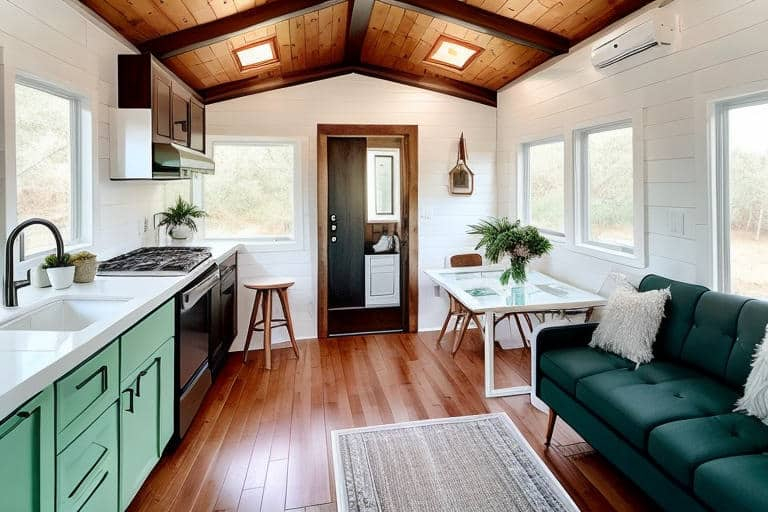
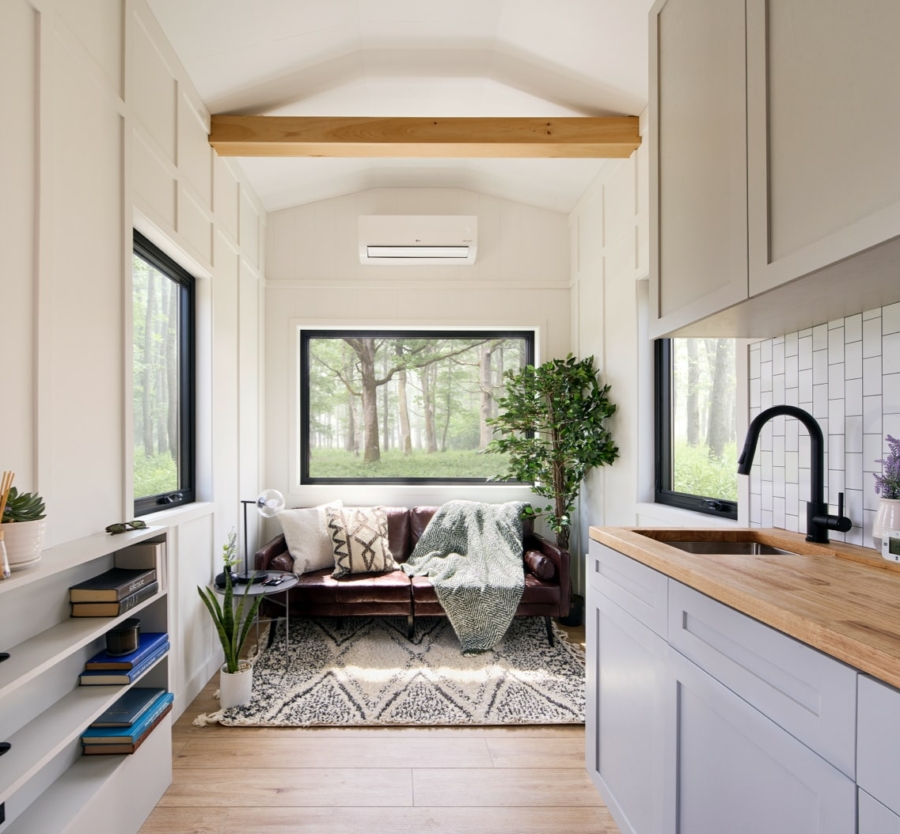
Dark colors absorb light, which makes walls feel like they are closing in on you. Think of a cave on a moonless night. Our brains interpret dark boundaries as physical threats or limitations. By switching to soft whites, pale grays or light pastels, you bounce light all around the room instead.
This simple shift tricks your optic nerve into thinking the perimeter is much further away than it actually is. Natural sunlight amplifies this effect tenfold. If you keep windows unobstructed, the boundary between inside and outside blurs nicely. Your brain stops seeing a dead end and starts registering expansiveness.
Mirrors as Portals of Perception
Hanging a large mirror on an empty wall is an old trick, yet it remains one of the most powerful tools in interior design. When your eyes scan a mirror, they do not just see glass; they register a continuation of the space. It is a visual illusion that doubles the perceived depth instantly.
Place your mirror directly opposite a window to capture outdoor views and bounce maximum daylight inward. Suddenly, a windowless corner feels open to the world. It is a sneaky way to trick your brain into feeling less confined without knocking down any actual walls.
Low Profile Furniture Choices
Tall, bulky wardrobes and massive bookshelves block your sightlines. When your vision hits a giant wooden barrier two feet away, your brain feels trapped. Choosing low profile furniture changes this dynamic completely.
By keeping pieces close to the floor, you leave the upper half of your room completely open. This creates an uninterrupted sweep of air and light. Your eyes travel smoothly across the entire room, which registers as a larger volume of space in your mind.
The Power of Vertical Stripes
Horizontal lines can sometimes widen a tight spot, but vertical patterns work wonders for ceiling height. Think about wearing vertical stripes on clothing. They draw the eye upward, making you look taller. The exact same rule applies to your living environment.
Adding floor-to-ceiling curtains or vertical wooden slat accent walls forces people to look up. Most folks forget to use vertical space anyway. When you draw attention toward the ceiling, you distract from narrow floor dimensions and create an airy atmosphere.
Decluttering Your Mental and Physical Space
Physical clutter is visual noise. Every loose item on a table or floor demands a tiny bit of your cognitive energy. In a small room, too much stuff overwhelms the senses and makes the area feel chaotic and claustrophobic.
Smart storage is your best friend here. Tucking belongings away behind closed cabinet doors gives your eyes a clean surface to rest on. When surfaces are clear, your brain relaxes. Less visual clutter equals more perceived breathing room.
Relying on a single harsh overhead light bulb casts harsh shadows that highlight every cramped corner. Instead, layer your lighting with floor lamps, wall sconces and small desk lights.
Spreading light sources around the perimeter pushes shadows back. This makes the walls feel soft and indistinct. When the boundaries of a room fade into soft glowing light, your mind stops measuring the tiny dimensions and simply enjoys the warm ambiance.
Spaces shape our thoughts in ways we rarely notice. By understanding the simple ways our brains interpret light, lines and clutter, you can turn any cramped area into an open sanctuary. Give one or two of these tricks a try today and watch your room breathe again.