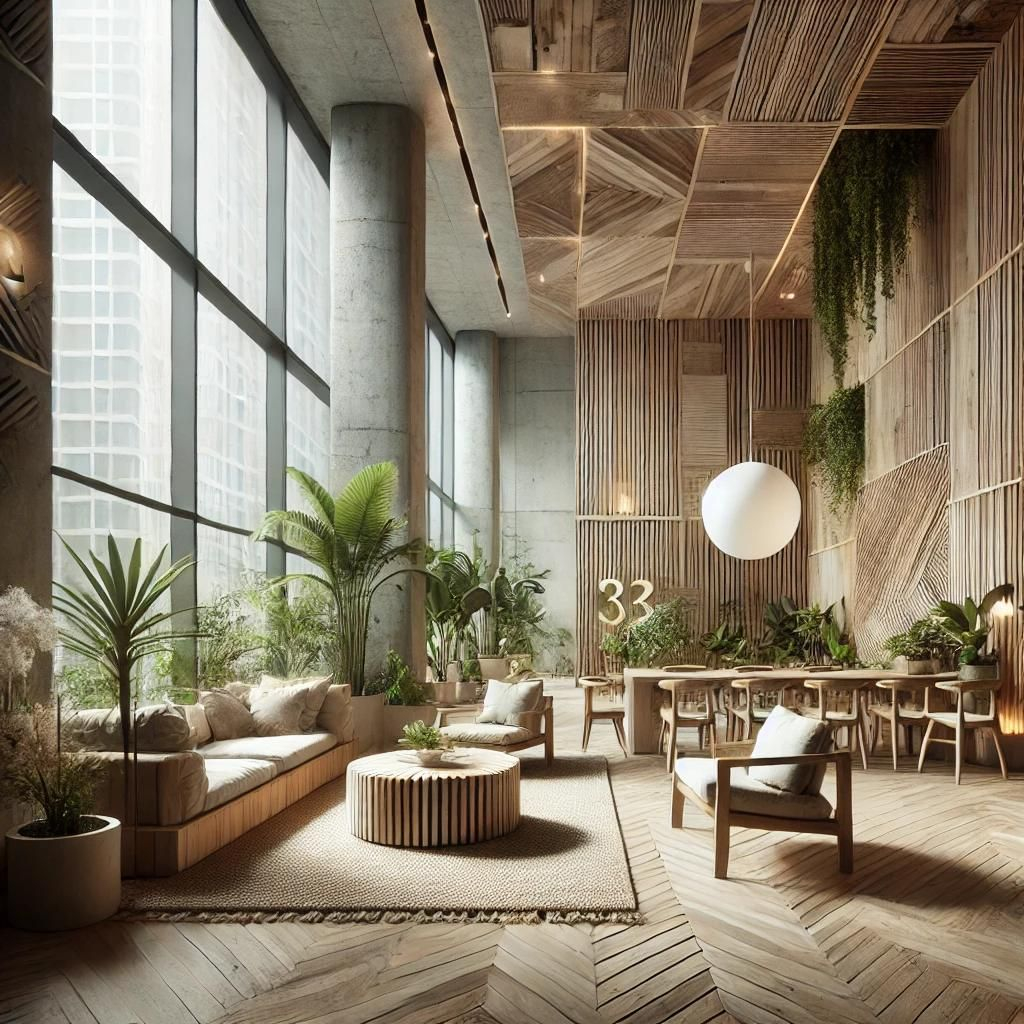
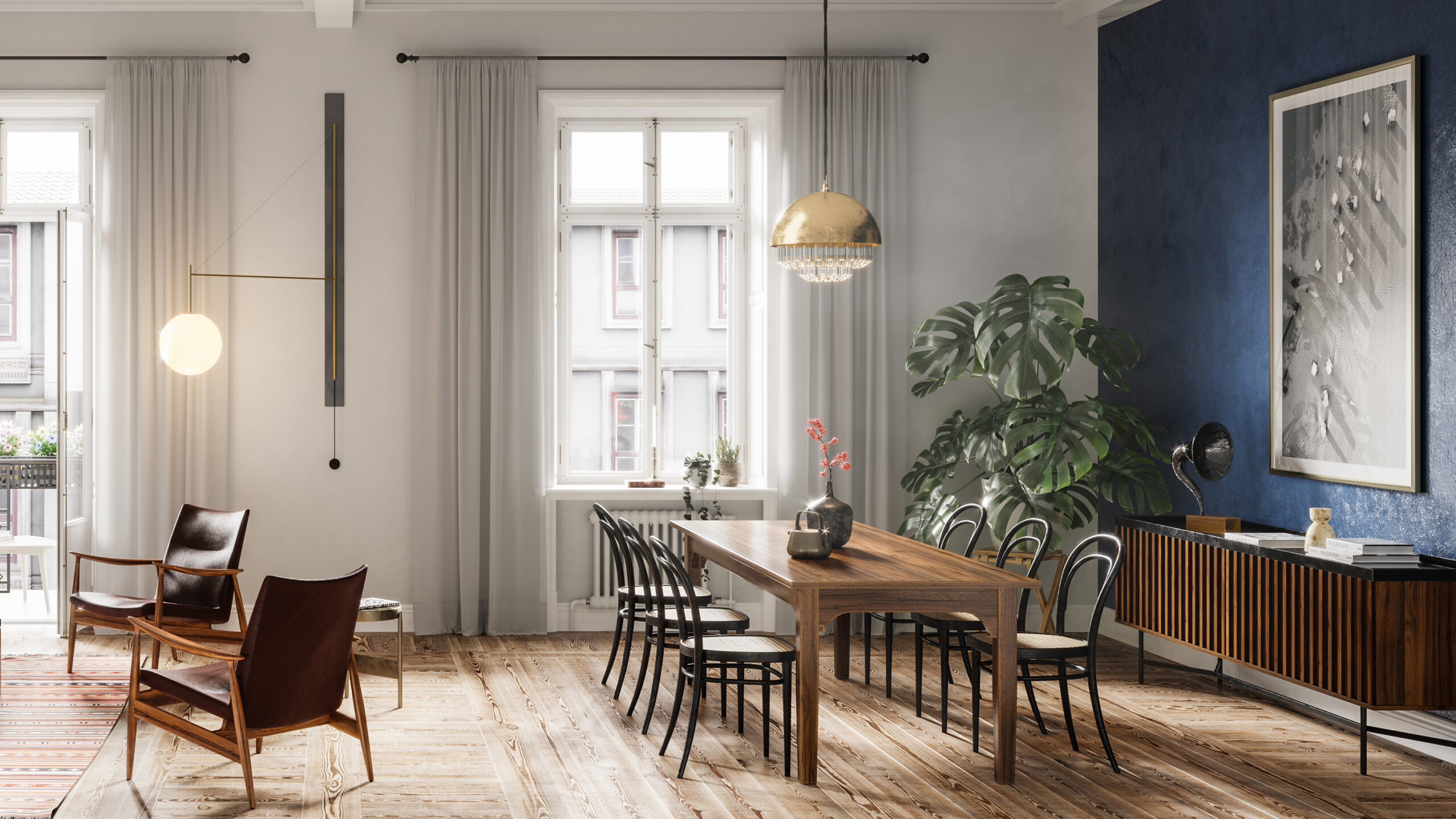
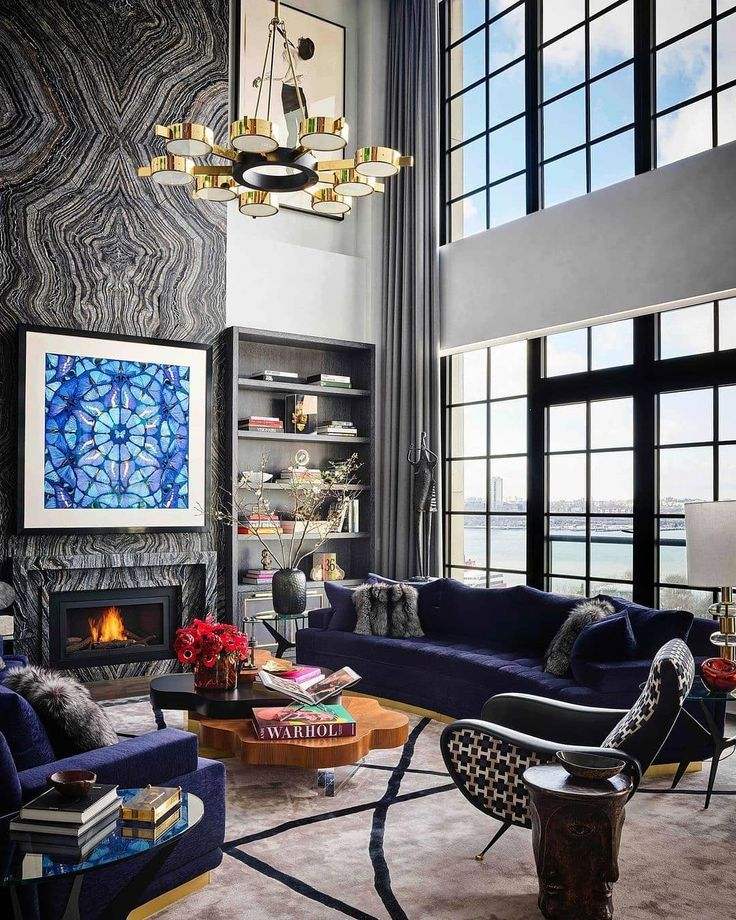
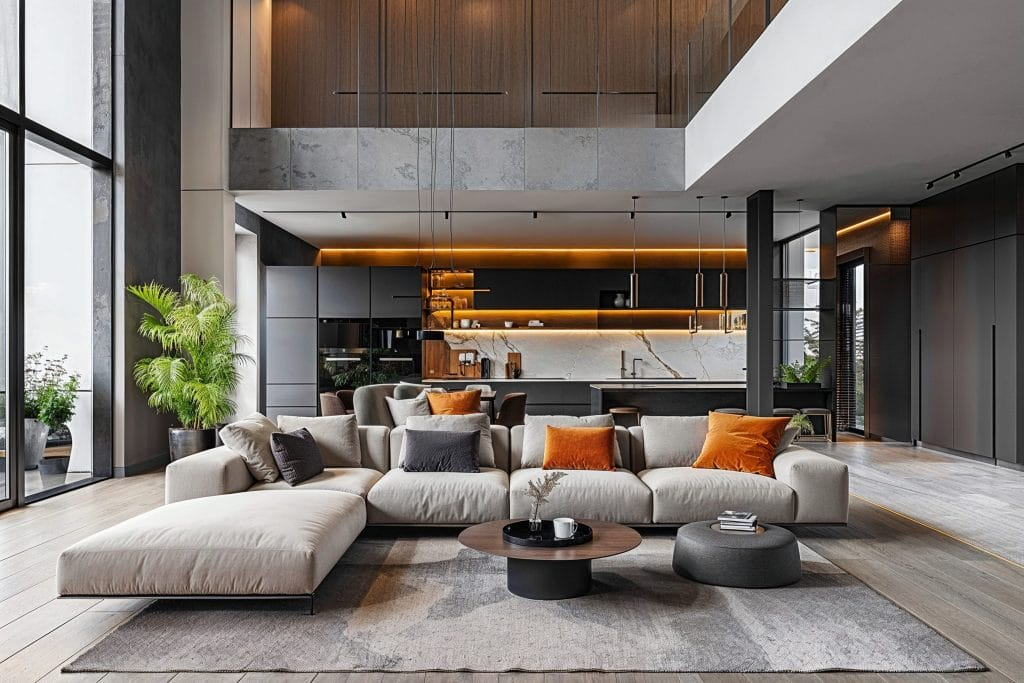
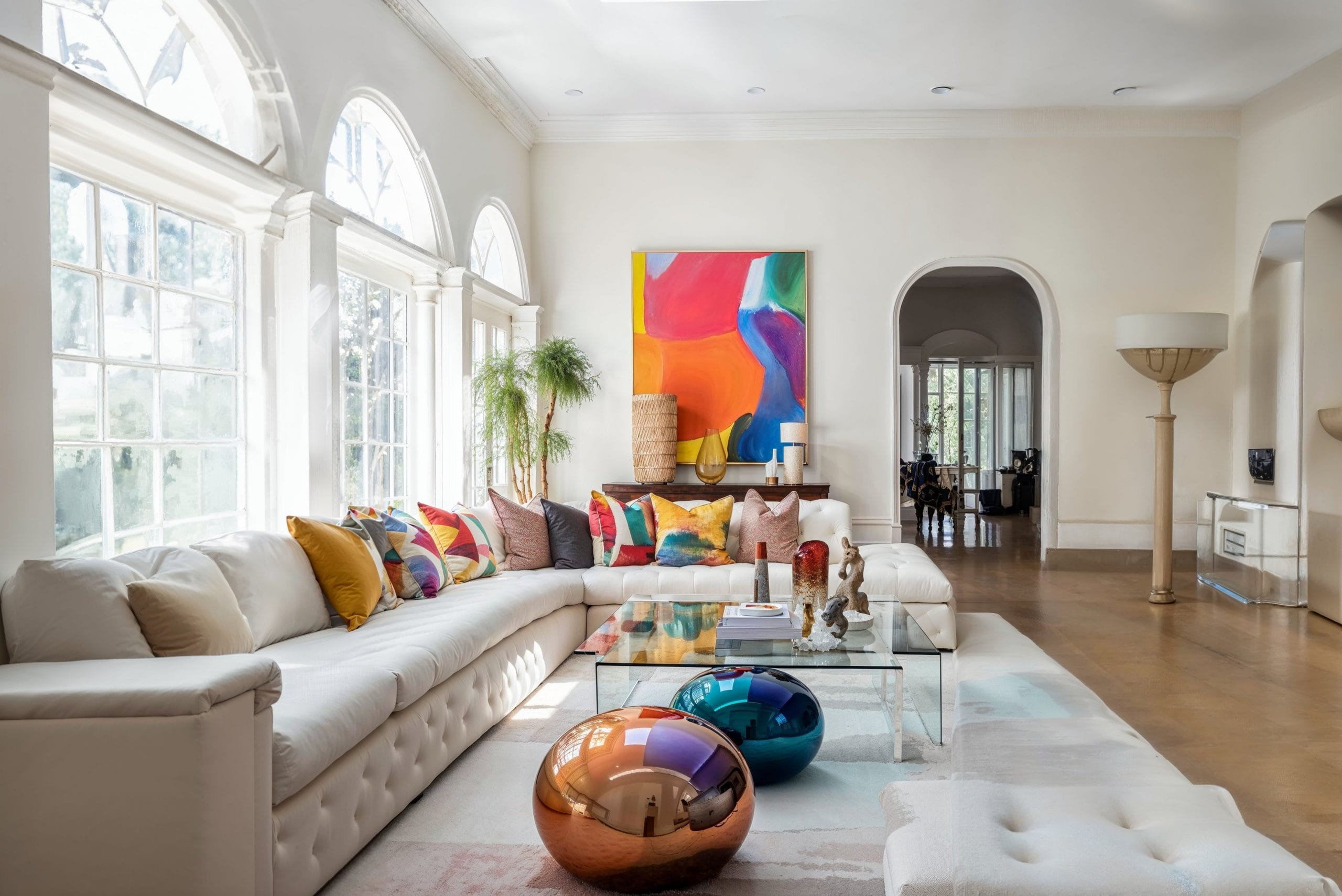
The air inside the three-story residence in Malibu smells faintly of cedar and clean ocean mist, entirely devoid of the chemical outgassing usually associated with brand-new construction. Sunlight pours through triple-pane, argon-filled glass walls, illuminating a grand living room where a massive, centuries-old live-edge walnut slab serves as a communal dining table. Beneath bare feet, the radiant-heated French limestone floors maintain a perfect seventy-two degrees, powered entirely by an invisible array of roof-mounted photovoltaic tiles and a deep-earth geothermal heat pump. To the untrained eye, this property is the peak of unbridled opulence. Yet, hidden behind its architectural grandeur lies a sophisticated, closed-loop environmental system that draws zero net carbon from the municipal grid.
For decades, the intersection of high-end real estate and environmentalism felt like a forced compromise. Affluent buyers were told that minimizing their ecological footprint meant sacrificing comfort, aesthetic purity, and technological convenience. Luxury implied excess—imported Italian marbles shipped across oceans, sprawling lawns thirsty for automated irrigation, and inefficient HVAC systems humming around the clock to condition sprawling footprints. Sustainability, conversely, was too often framed through an ascetic lens of deprivation, thrift, and aesthetic compromise.
That false dichotomy has officially shattered. The modern residential landscape is undergoing a profound structural shift where eco-consciousness is no longer a niche preference but the ultimate status symbol. Today’s affluent homeowners demand residences that reflect both their personal net worth and their ethical alignment with the planet. This evolution moves past mere greenwashing or superficial token gestures like energy-saving lightbulbs. Instead, architects, interior designers, and high-net-worth clients are engineering a new golden standard of living, where uncompromising luxury and rigorous ecological science fuse into a singular, seamless aesthetic.
The Evolution of Eco-Opulence and the New Definition of High-End Real Estate
The historical trajectory of luxury housing has always mirrored society’s changing definitions of power and prestige. In the nineteenth and early twentieth centuries, grandeur was measured by physical scale, ornate detailing, and the sheer labor required to maintain vast estates. As we entered the late twentieth century, luxury shifted toward technological automation, home theaters, and climate-controlled wine cellars. Today, as environmental degradation and climate instability loom large in the public consciousness, the markers of wealth have quietly recalibrated toward autonomy, resilience, and purity of materials.
This transformation is driven by a sophisticated demographic of buyers who view their homes as sanctuaries of personal health and environmental stewardship. When a property can generate its own electricity, harvest and purify its own water, and wrap its occupants in non-toxic, regenerative materials, it achieves a level of exclusivity that traditional mansions simply cannot match. True luxury is no longer about consuming finite resources on a grand scale; it is about absolute self-sufficiency, impeccable provenance, and zero waste.
Designers working at the highest tier of the market now face the challenge of making sustainability invisible yet omnipresent. The solar arrays are sleek and integrated seamlessly into standing-seam metal roofs or hidden behind parapets. Graywater recycling systems operate in silent tandem with high-end designer plumbing fixtures from brands like Dornbracht or Fantini. The sophistication lies in the engineering, ensuring that the homeowner enjoys an effortless, high-performance living experience while quietly treading lightly on the earth.
Materiality and the Art of Sourcing Responsibly for High-End Interiors
At the heart of any luxury interior lies the tactile experience—the cool drag of marble beneath a hand, the rich grain of aged wood, the heavy drape of woven textiles. For decades, achieving this tactile perfection meant extracting materials from sensitive ecosystems without regard for downstream consequences. The modern sustainable luxury movement has rewritten the rules of sourcing, proving that ethical materials often possess a deeper narrative richness than their mass-produced counterparts.
Consider the resurgence of heritage building techniques and locally quarried stones. Instead of flying white Carrara marble across the globe, high-end designers are turning to regional quarries, reducing transportation emissions while rooting the home deeply in its local geography. Reclaimed timber—salvaged from nineteenth-century barns, industrial warehouses, or fallen forest canopy—brings a historic soul and complex grain structure to modern floorboards and ceiling beams that brand-new lumber simply cannot replicate.
Furthermore, the palette of eco-luxury interiors embraces non-toxic, organic finishes. Traditional paints and sealers off-gas volatile organic compounds (VOCs) for years, silently degrading indoor air quality. In response, high-end builders now utilize lime washes, natural milk paints, and plant-based hardwax oils derived from carnauba and beeswax. These finishes breathe naturally, allowing wood and stone to age gracefully over decades while keeping the indoor atmosphere pristine. Textiles follow a similar trajectory, with bespoke furnishings upholstered in organic Belgian linen, certified traceable wool, and peace silks that honor both human labor and animal welfare.
Implementing Eco-Luxury: A Step-by-Step Methodology for Sustainable Home Design
Transforming a high-end residence into an eco-luxury sanctuary requires a disciplined, systems-oriented approach. It is not enough to select green finishes haphazardly; every component of the home must be engineered to interact efficiently.
- Step 1 (Comprehensive Energy Auditing and Passive Solar Design): Begin by analyzing the building orientation, solar exposure, and local climate patterns. Maximize passive heating and cooling through strategic overhangs, operable triple-pane glazing, and thermal mass walls that absorb daytime heat and release it slowly at night, minimizing mechanical HVAC loads.
- Step 2 (Integration of On-Site Renewable Energy Systems): Install high-efficiency photovoltaic solar arrays paired with advanced residential battery storage units, such as Tesla Powerwalls or modular commercial-grade lithium-iron-phosphate systems. Size the system to achieve net-zero consumption or complete off-grid capability, ensuring uninterrupted luxury even during grid failures.
- Step 3 (Closed-Loop Water Conservation and Purification): Implement dual-plumbing systems that separate blackwater from graywater. Route sink, shower, and laundry graywater through subsurface constructed wetlands or advanced membrane bioreactors to irrigate drought-resistant landscaping, while installing UV and reverse osmosis filtration for potable consumption.
- Step 4 (Hyper-Local and Regenerative Material Sourcing): Specify structural and finish materials through strict lifecycle assessments (LCAs). Prioritize Cradle-to-Cradle certified products, locally quarried stone, FSC-certified or reclaimed woods, and structural insulated panels (SIPs) that drastically reduce thermal bridging and construction waste.
- Step 5 (Biophilic Indoor Environmental Quality Engineering): Design HVAC systems with hospital-grade HEPA filtration and active carbon scrubbers. Introduce living green walls, maximize natural daylighting ratios, and utilize biophilic spatial layouts to lower cortisol levels and enhance the cognitive wellbeing of the inhabitants.
Navigating Complexities: Common Pitfalls and Field-Tested Workarounds
Even with the best intentions and substantial budgets, retrofitting or building an eco-luxury home is fraught with technical traps. Navigating these challenges separates amateur green building from true architectural mastery.
- Pitfall 1 (Greenwashing and False Marketing Claims): Many manufacturers exploit the eco-friendly label with misleading terminology and absent certifications. Workaround: Demand rigorous, third-party verified documentation such as Declare labels, Forest Stewardship Council (FSC) chain-of-custody certificates, and Environmental Product Declarations (EPDs) before approving any material specification.
- Pitfall 2 (Sacrificing Aesthetic Consistency for Efficiency): Early generations of sustainable fixtures and solar technology often looked utilitarian, clashing with sophisticated interior design schemes. Workaround: Partner with boutique manufacturers and custom fabricators who specialize in integrating sustainable tech behind bespoke millwork, custom bronze grilles, and concealed architectural detailing.
- Pitfall 3 (Ignoring Indoor Microclimates and Moisture Control): Over-insulating and sealing a home to maximize energy efficiency can inadvertently trap humidity, leading to mold growth and compromised indoor air quality. Workaround: Install energy recovery ventilators (ERVs) coupled with smart hygrometers to maintain continuous, balanced fresh-air exchange without losing thermal energy.
- Pitfall 4 (Underestimating Long-Term Maintenance Complexities): Complex alternative energy and greywater systems require specialized knowledge that standard local contractors may lack. Workaround: Establish comprehensive service contracts with system installers and insist on open-source, modular automation platforms that allow remote diagnostics and easy component upgrades.
- Pitfall 5 (Disregarding Embodied Carbon in Structural Phases): Focusing exclusively on operational energy while ignoring the massive carbon footprint generated during the extraction and transport of concrete and steel. Workaround: Substitute traditional Portland cement with low-carbon geopolymer mixes or mass timber framing systems like cross-laminated timber (CLT) to lock carbon inside the physical structure of the home.
The Broader Horizon: Economic Viability, Resilience, and Future-Proofing
The conversation around sustainable luxury has evolved beyond environmental altruism into hard-nosed economic pragmatism. High-net-worth real estate investors increasingly recognize that eco-luxury properties represent superior long-term asset protection. As municipal utility costs rise, building codes tighten, and climate-related weather anomalies become more frequent, homes equipped with independent energy generation, advanced water systems, and resilient structural envelopes retain significantly higher resale value.
Market data consistently demonstrates that properties featuring certified green credentials command a measurable valuation premium. Buyers are willing to pay top dollar for turnkey properties that require zero immediate capital expenditure to upgrade for energy efficiency. Furthermore, lower ongoing maintenance costs—driven by heavily reduced utility bills and durable, low-maintenance natural materials—contribute to a lower total cost of ownership over the life of the asset.
Beyond the balance sheet lies the profound shift toward health-centric architecture. The home is no longer viewed merely as a static shelter, but as an active participant in human wellness. Clean indoor air, circadian lighting systems that mimic natural solar rhythms, and non-toxic interior finishes actively support physical vitality and mental clarity. In an era defined by constant connectivity and environmental stress, the ultimate luxury is a domestic environment that restores the human nervous system.
Strategic Frameworks for Homeowners Embarking on Sustainable Transformations
Embarking on the creation or renovation of an eco-luxury home demands a clear strategic framework. Success relies heavily on assembling the right interdisciplinary team early in the conceptual design phase.
- Integrative Design Process (IDP): Bring architects, structural engineers, landscape designers, interior stylists, and energy consultants to the table simultaneously. Siloed decision-making inevitably leads to costly redesigns and missed opportunities for system synergy.
- Prioritize the Building Envelope First: Before investing in massive solar arrays or complex geothermal machinery, optimize the insulation, air sealing, and window performance. A tighter, more responsive envelope reduces the required capacity—and financial cost—of mechanical heating and cooling systems.
- Embrace Circular Design Principles: Design spaces with their eventual disassembly in mind. Utilize mechanical fasteners over toxic glues, select modular cabinetry, and invest in heirloom-quality furnishings that can be refinished, repurposed, or passed down through generations.
- Measure What Matters: Implement comprehensive smart-home monitoring systems that track real-time indoor air quality, water consumption, and energy generation versus usage. Transparency empowers homeowners to fine-tune their living habits and ensures mechanical systems operate at peak efficiency.
The convergence of luxury and sustainability marks the maturation of modern design. We have moved past the era where opulence was measured by excess and waste, stepping into a sophisticated epoch where true privilege is defined by harmony with our natural surroundings. A truly luxurious home does not isolate its inhabitants from the world outside; rather, it creates a sustainable, regenerative dialogue with the environment.
As we look toward the future of residential architecture, the boundaries between the built environment and nature will continue to blur. Homes will increasingly function as living ecosystems—breathing, generating, purifying, and healing. For homeowners willing to embrace this holistic paradigm, the reward is not merely a stunning physical space, but an enduring legacy of responsible stewardship, exceptional beauty, and profound peace of mind.