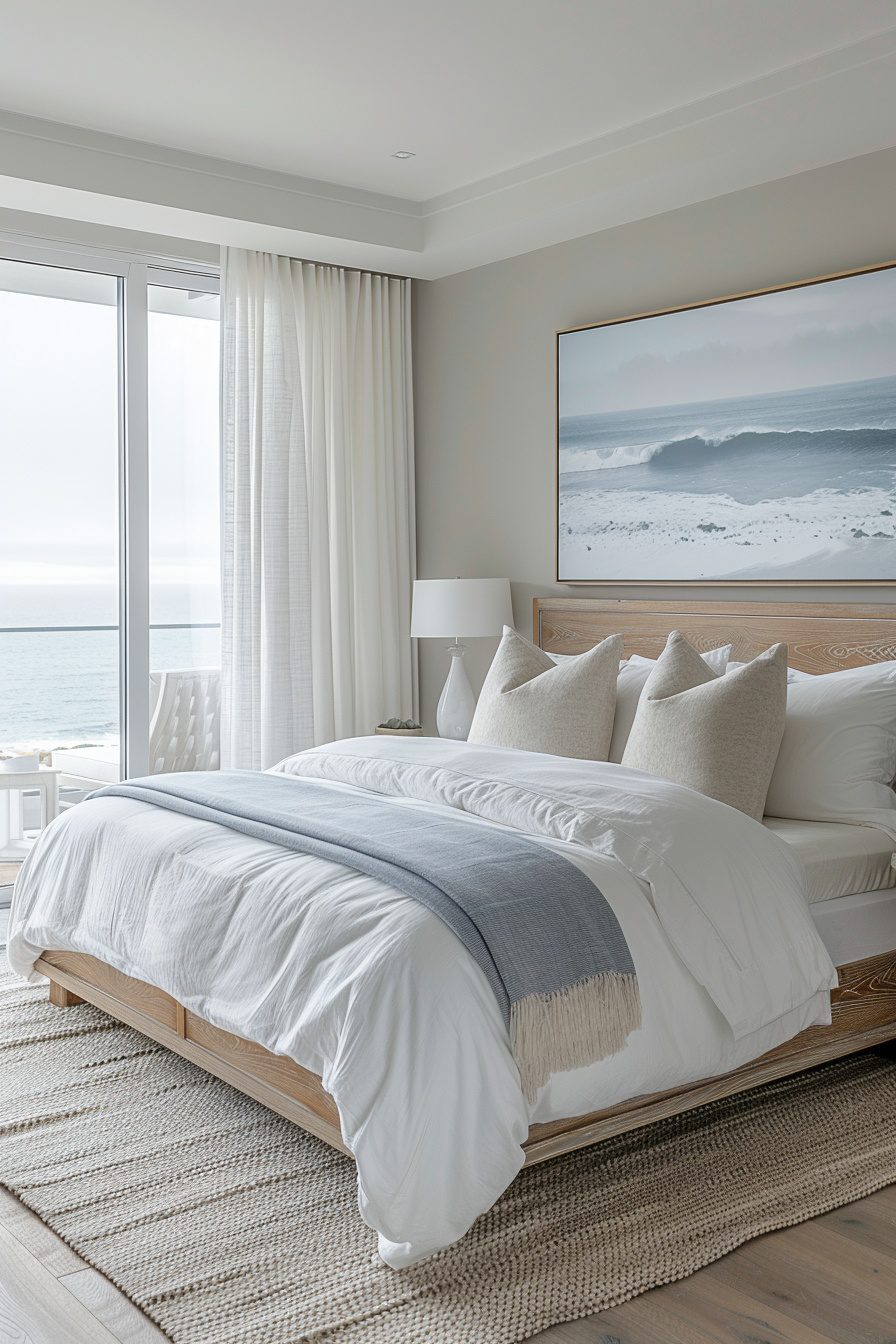
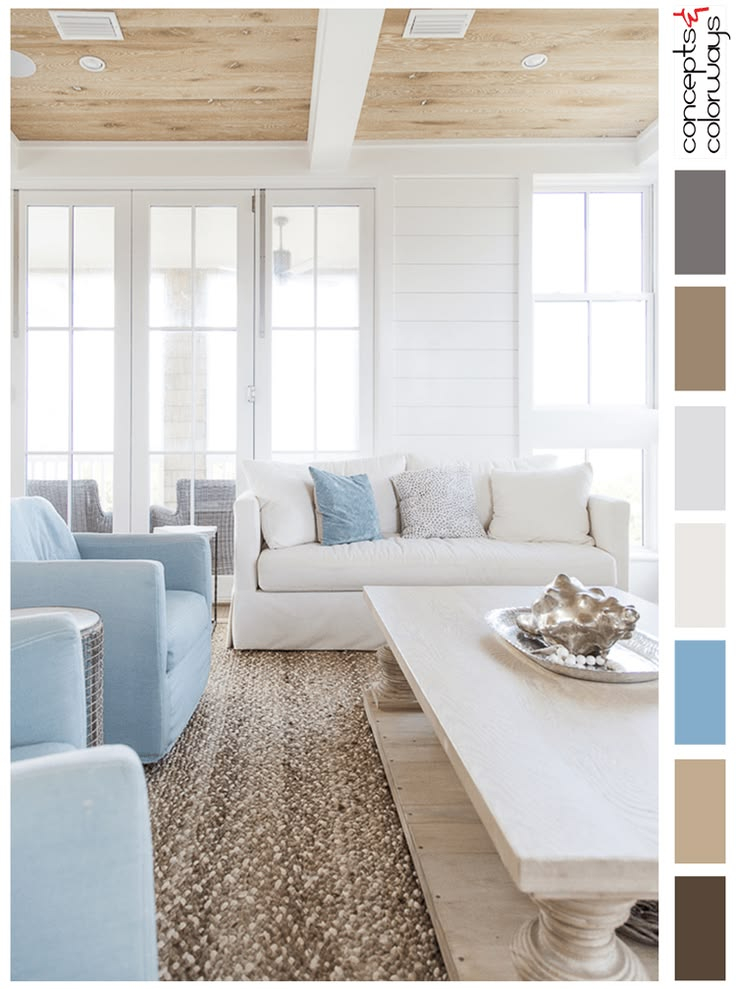
The front door clicks shut, and the erratic pulse of the outside world instantly stalls. Beneath your bare feet, wide-plank white oak flooring feels cool yet grounded, carrying the faint, welcoming grain of real timber. Sunlight streams through unlined linen drapery, diffusing into a milky amber glow that paints the walls in shades of raw linen and sun-bleached dune. There are no plastic anchors, no neon blue surf signs, and certainly no glaring nautical clichés. Instead, the room breathes. It feels like stepping onto a quiet stretch of coastline just after the morning fog has burned away, leaving behind an atmosphere of absolute, restorative stillness.
For years, coastal design was held hostage by a rigid playbook of navy blue stripes, distressed wooden whales, and high-contrast stark whites that felt more like a Cape Cod souvenir shop than an actual home. But the design philosophy of 2026 has undergone a profound, tactile evolution. We are moving away from thematic performance and stepping directly into quiet luxury—a disciplined approach anchored in sensory warmth, architectural honesty, and an uncompromising dedication to natural materials. The modern coastal aesthetic no longer tries to imitate the ocean through cheap motifs; rather, it channels the deep, primordial calm of the shoreline through an intentional palette of warm beiges, creamy ivories, and soft, chalky whites.
Achieving this balanced atmosphere requires a delicate interplay of light, shadow, and materiality. When you strip away the distraction of bold colors and decorative shortcuts, every single element in a room must pull its weight. A bare white wall can easily turn sterile and clinical if treated carelessly, just as a beige room can slip into muddiness without the right luminosity. Mastering this look means understanding how light refracts across rough-hewn plaster, how unbleached cotton interacts with raw jute, and how to layer subtle tones so a room feels expansive rather than empty.
The Evolution of Seaside Spaces and the Rise of Warm Neutrals
The contemporary fascination with warm coastal interiors is not a fleeting trend, but a collective exhale. As domestic spaces increasingly serve as multi-functional sanctuaries, our visual appetite has shifted away from cool grays and stark, icy whites toward tones that mimic the earth. Warm beiges, oatmeal, sand, and parchment possess an innate biological comfort. They reflect natural light with a soft diffusion that lowers cortisol levels and invites the mind to rest, mimicking the soothing environment of a secluded dune landscape at dusk.
This shift also reflects a broader re-evaluation of how we source and curate our living spaces. The modern coastal home borrows heavily from the understated elegance of "coastal grandma" sensibility combined with contemporary Japandi minimalism—prioritizing heirloom-quality construction, sustainable textiles, and patinad surfaces over fast-fashion decor. When furniture is chosen for its longevity and walls are finished with mineral-rich lime washes or clay paints, the home develops a lived-in patina from day one. It is an aesthetic rooted in authenticity, where the imperfections of a hand-knotted wool rug or a reclaimed pine coffee table are celebrated as marks of true character.
Furthermore, this palette acts as a chameleonic canvas. Because warm whites and soft beiges sit quietly in the background, they allow seasonal changes in natural light to completely transform the mood of a room. A winter afternoon brings out the cozy, buttery undertones of a creamy plaster wall, while blinding summer midday light bounces off pale linen upholstery to create an airy, floating sensation. This dynamic adaptability ensures that the interior never feels stagnant, maintaining a fresh, breathable ambiance twelve months a year.
Mastering Light, Tone, and Subtlety in a Neutral Envelope
Working exclusively with a palette of warm whites and beiges sounds deceptively simple on paper, yet it presents a fascinating design puzzle in practice. The greatest trap designers fall into is treating white as a single, uniform entity. In reality, whites and beiges are fiercely opinionated; they carry hidden undertones of green, yellow, pink, or blue that become glaringly apparent the moment the sun hits them. A stark, titanium white paint paired with a golden wheat beige will instantly make the beige look dirty, while a pink-based cream paired with a green-gray trim will create an unintended visual clash.
To master this environment, you must study your room’s orientation. South-facing rooms are flooded with warm, golden light throughout the day, which means you can lean into cooler, chalkier whites and balanced linen beiges to prevent the space from feeling overwhelmingly yellow. Conversely, north-facing rooms receive cool, diffuse, and often bluish light. Here, you need to actively inject warmth by selecting high-LRV (Light Reflectance Value) creamy whites with buttery undertones and deep, sun-baked sandy beiges that swallow the chill and radiate a faux-sunshine effect.
Texture becomes your primary tool for creating depth when color contrast is intentionally muted. Because the eye cannot rely on shifting hues to distinguish objects in a monochrome room, it relies entirely on tactile variety. Pair smooth tadelakt plaster walls with a heavy, slubby linen sofa. Introduce a coarse, hand-woven jute rug beneath a refined, honed travertine coffee table. Hang raw-edge sheer cotton curtains that catch the cross-breeze, and anchor the corner with a sculptural ceramic lamp boasting a subtle, ribbed glaze. Every surface should tell a slightly different textural story while speaking the same quiet, monochromatic language.
Step-by-Step Methodology for Curating a Calm Coastal Room
Transforming an ordinary room into a sophisticated, warm-neutral coastal retreat requires a disciplined, layered approach. Rushing to buy furniture before establishing the architectural envelope will leave you with a disjointed space. Follow this proven sequence to build a cohesive, breath-taking interior from the ground up:
- Step 1 (Assess and Calibrate Natural Light): Spend 48 hours observing how natural sunlight moves across your space. Note whether the light feels harsh and glaring or cool and gray, as this will dictate your foundational paint and textile undertones.
- Step 2 (Establish the Architectural Foundation): Paint walls, trim, and ceilings in a cohesive warm white or subtle lime wash. Opt for textured plaster or limewash over flat latex paint to catch shadows and introduce organic movement across large vertical surfaces.
- Step 3 (Select the Primary Upholstered Anchors): Invest in a large sofa and armchairs upholstered in heavy, performance-grade linen, cotton canvas, or brushed slipcovers in oatmeal, cream, or raw flax. Ensure the silhouettes are relaxed, low-slung, and inviting rather than stiff or formal.
- Step 4 (Layer Organic Materials and Wood Tones): Introduce varied wooden elements—focusing on bleached white oak, weathered ash, or light rattan. Avoid overly polished or dark mahogany finishes, choosing instead pieces with visible grain and natural imperfections.
- Step 5 (Edit Down and Accessorize with Intention): Remove any decorative items that rely on obvious nautical tropes. Replace them with organic accents: single branches in oversized terracotta vessels, unglazed ceramic bowls, vintage pottery, and sheer window treatments that maximize the connection to the outdoors.
Common Pitfalls and Field-Tested Workarounds
Even seasoned designers occasionally stumble when attempting to create a completely neutral interior. The margin for error is razor-thin when you eliminate high-contrast colors, making minor miscalculations instantly obvious to the eye. Recognizing these common traps will save you time, money, and aesthetic frustration:
- Pitfall 1 (The Sterile Hospital Look): Using bright, cool-toned builder’s white throughout the entire house, resulting in a cold, uninviting environment. Practitioner Workaround: Always sample paint directly on your walls and observe it across morning, noon, and night. Switch to creamy ivories with subtle yellow or red undertones, and layer in warm woods and woven grasscloths to instantly ground the space.
- Pitfall 2 (Flat, Monotonous Textures): Relying solely on smooth cottons, flat paint, and manufactured wood veneers, causing the room to feel lifeless and synthetic. Practitioner Workaround: Enforce a strict rule of tactile variety. For every smooth surface (like a marble tabletop), introduce at least two rough or tactile elements (such as a boucle armchair and a hand-knotted wool-and-jute rug).
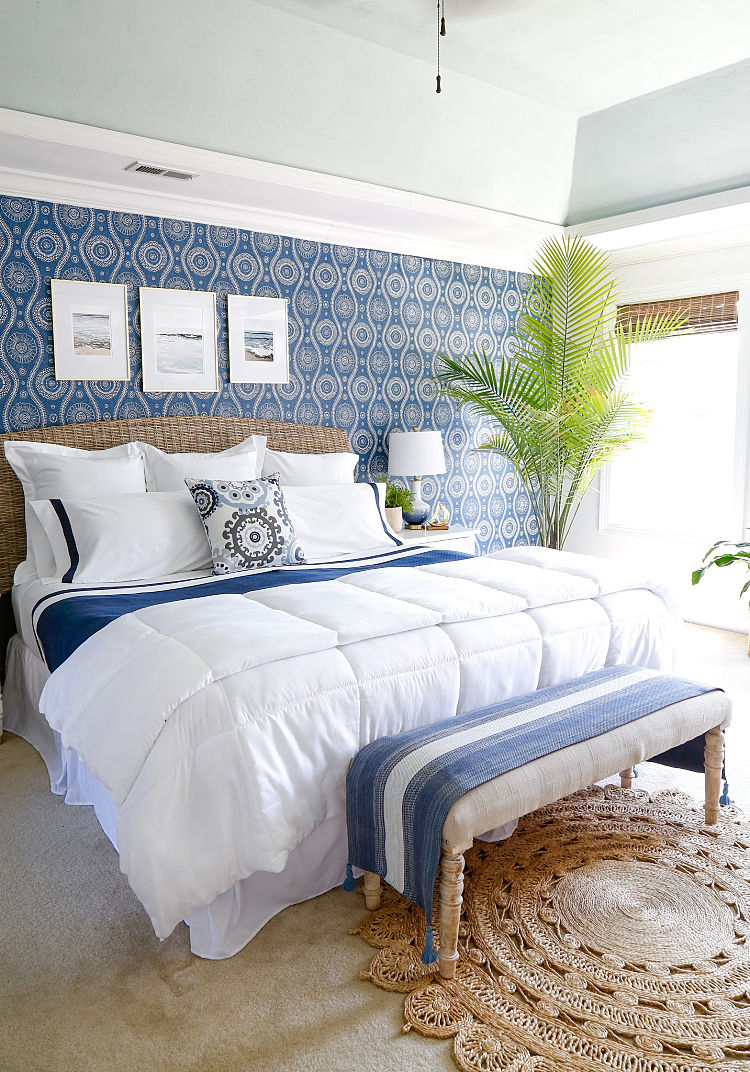
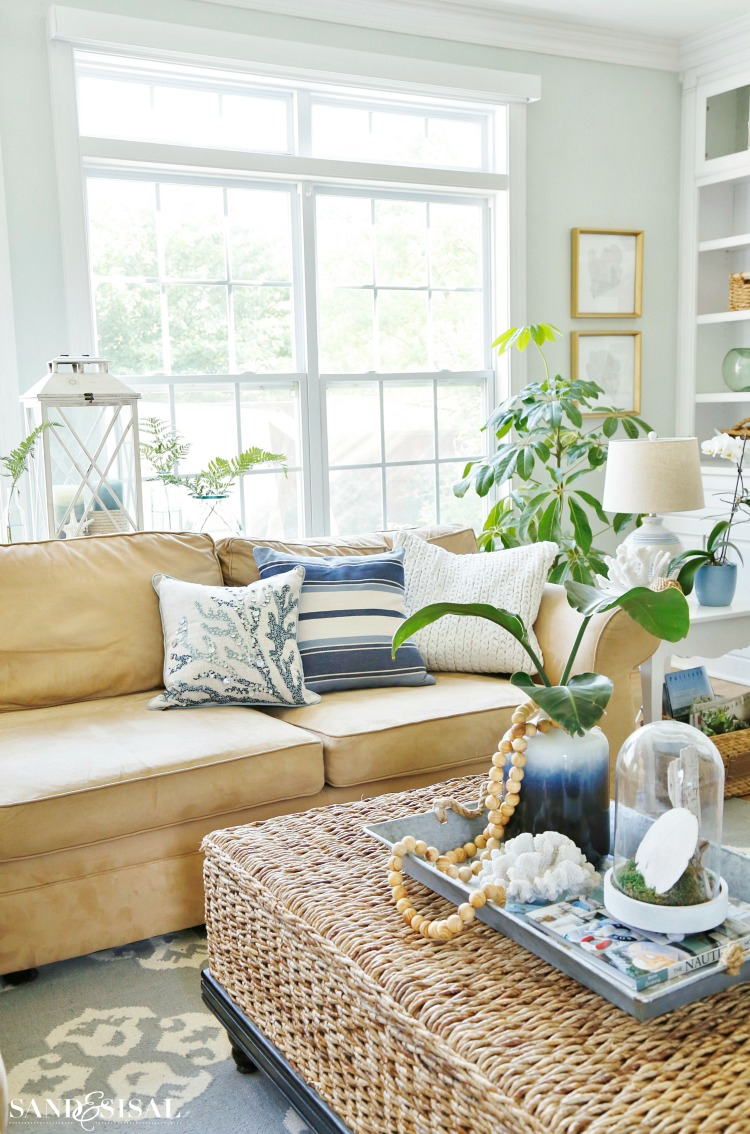
- Pitfall 3 (The Over-Theming Trap): Yielding to the temptation of adding literal beach decor—seashell collections, anchor motifs, and turquoise throw pillows—which cheapens the sophisticated aesthetic. Practitioner Workaround: Translate the coast abstractly through mood and material. Let the presence of light, raw timber, and sandy textures do the heavy lifting without a single literal reference to the ocean.
- Pitfall 4 (Ignoring Scale and Negative Space): Overcrowding the room with too many small beige items, creating visual clutter despite the calm color palette. Practitioner Workaround: Embrace negative space. Invest in fewer, larger-scale statement pieces—like an oversized slipcovered sofa or a massive abstract canvas in tone-on-tone plaster—to let the room breathe.
- Pitfall 5 (Poor Task and Ambient Lighting): Relying on harsh overhead recessed lighting that casts unflattering shadows and ruins the warm evening atmosphere. Practitioner Workaround: Layer your lighting entirely at human height. Combine wall sconces with warm Edison bulbs, linen table lamps, and hidden floor uplights to mimic the soft, golden glow of a fading beach sunset.
The Broader Impact of Sustainable, Slow-Living Interiors
Designing a home around the principles of warm coastal calm extends far beyond superficial visual appeal; it represents a profound psychological and ecological alignment. In an era marked by digital fatigue and hyper-consumption, the choice to curate a quiet, minimalist interior serves as a physical boundary against external chaos. When your living space is free from visual clutter, synthetic finishes, and trend-driven noise, your nervous system responds with measurable physical relaxation. The home transitions from a simple backdrop for daily life into an active participant in personal wellness.
From an economic and environmental standpoint, this aesthetic champions the tenets of slow design and circular longevity. By focusing on natural, durable materials like solid unsealed woods, untreated linens, terracotta, and stone, you are investing in pieces that age gracefully rather than degrade. A linen slipcover softens and drapes more beautifully with every wash; a teak or white oak table develops a richer patina through years of family dinners. This stands in stark contrast to fast-furniture trends that require constant replacement, reducing landfill waste and honoring the finite natural resources from which these materials were harvested.
Moreover, this design movement encourages a deeper reconnection with the natural world outside our windows. By prioritizing sheer, light-filtering window treatments, unobstructed sightlines, and earthy indoor flora, the barrier between interior and exterior dissolves. You begin to notice the angle of the afternoon sun, the sway of the trees in your yard, and the shifting textures of the sky. The home ceases to be a hermetically sealed box and becomes an open-air pavilion adapted for modern comfort.
Actionable Recommendations for Immediate Implementation
If you are ready to pivot your living space toward this calm, sophisticated coastal framework, start with a clear, prioritized action plan. Do not attempt to overhaul your entire home in a single weekend; instead, execute these high-impact changes sequentially to watch your space transform organically:
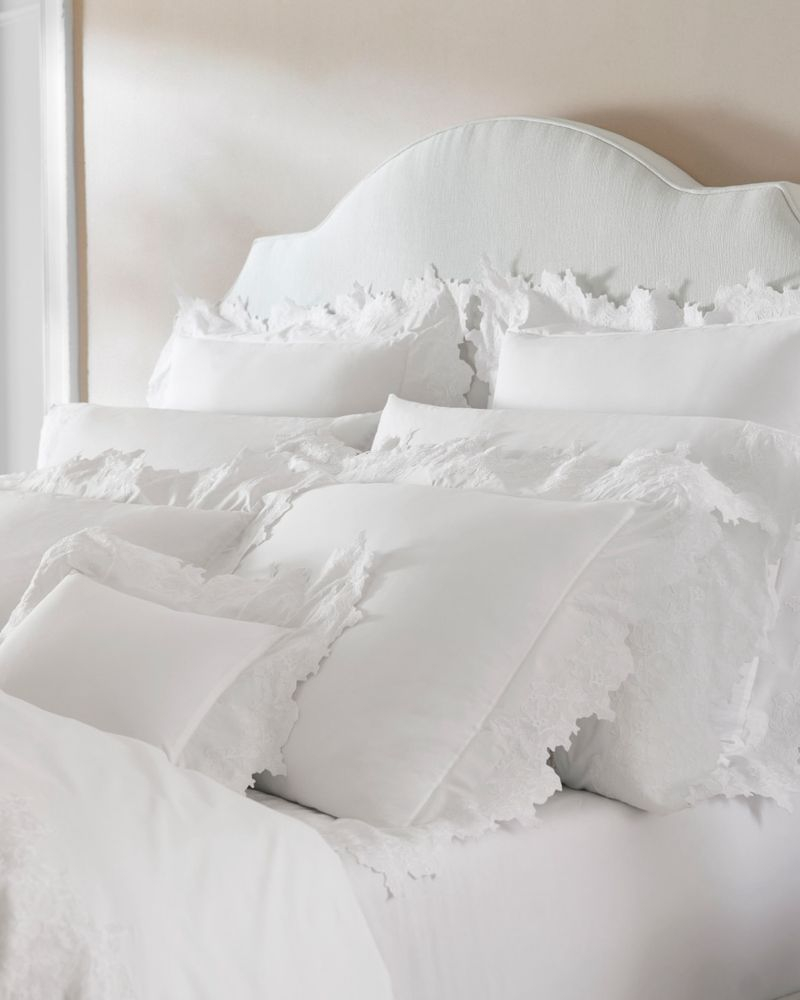
- Audit Your Textiles First: Strip away heavy velvet, synthetic polyester, and high-contrast geometric prints. Replace them with washed linen duvet covers, unbleached cotton throw blankets, and textured canvas cushion covers in shades of sand, stone, and bone.
- Upgrade Your Lighting Bulbs: Check every bulb in your main living areas. Swap out harsh daylight bulbs (5000K+) for warm, dimmable LEDs sitting strictly between 2400K and 2700K to instantly infuse your white walls with a golden, sunset-like glow.
- Introduce Raw Earth Elements: Clear out plastic or shiny lacquered decor items. Replace them with raw, porous materials: a heavy stone catch-all tray, an unglazed terracotta planter with a trailing pothos, or a weathered driftwood sculptural branch sourced locally.
- Simplify Wall Art and Frames: Take down busy, high-contrast gallery walls. Hang a single large-scale piece of art featuring minimalist abstract brushstrokes in cream and taupe, framed simply in raw light oak or floating canvas.
- Clear the Floor Margins: Pull bulky furniture away from the walls and pare down accent tables. Allow breathing room around your primary seating arrangements to let light pool naturally on your floors.
Creating a sanctuary through warm beiges and soft whites is ultimately an exercise in restraint and self-awareness. It asks us to look past the relentless noise of micro-trends and consumerist clutter, challenging us to build spaces that value peace over performance. When you strip a room down to its essential elements—glorious natural light, honest materials, and a palette drawn directly from the earth—you stop decorating a house and start shaping an atmosphere.
As we navigate the demands of modern life, the true luxury of a home lies in its ability to restore us. A thoughtfully curated coastal interior acts as an anchor, grounding you in the present moment every time you walk through the door. Embrace the quiet power of neutral tones, let the natural textures speak for themselves, and allow your living space to become the timeless, restorative refuge you have always craved.