Ever walked into a friend’s tiny apartment and thought, "Wait, this feels huge?" It’s not magic. It’s intention. We’ve all been there, squeezed into shoebox studios or one-bedrooms where the kitchen counter doubles as a desk and the dining table. For years, the narrative was that luxury required acreage. High ceilings, sprawling lawns, separate wings for guests. But look around our cities in 2026. The script has flipped.
Luxury isn’t about square footage anymore. It’s about atmosphere. It’s the weight of a door handle, the way light hits a textured wall at dusk, and the sheer calm of a space that works for you, not against you. Living small in the heart of the city doesn’t mean compromising on elegance. In fact, some of the most stunning interiors today are found in micro-dwellings. It’s about curation. Choosing less, but better. And knowing exactly how to make every inch sing.
The Psychology of Space and Light
Let’s talk about perception first. Because honestly, half of luxury is just tricking the eye. In compact urban dwellings, light is your most valuable asset. Not just any light, but layered light. You can’t rely on that single, harsh ceiling fixture. It kills the vibe instantly. Instead, think in zones. Ambient light for the general glow, task lighting for reading or cooking, and accent lighting to highlight art or architectural details.
Recent trends in contemporary urban design emphasize this fusion of technology and mood. Imagine a media corner where soft, indirect lighting wraps around dark tones, creating an enveloping, cinema-like feel without taking up physical space. It’s about creating depth. When you wash a wall with light, it pushes the boundaries out. Shadows become friends, not enemies. They add mystery and dimension. A well-placed floor lamp behind a sleek sofa can make a ten-foot room feel like fifteen. It’s simple physics, but it feels like alchemy.
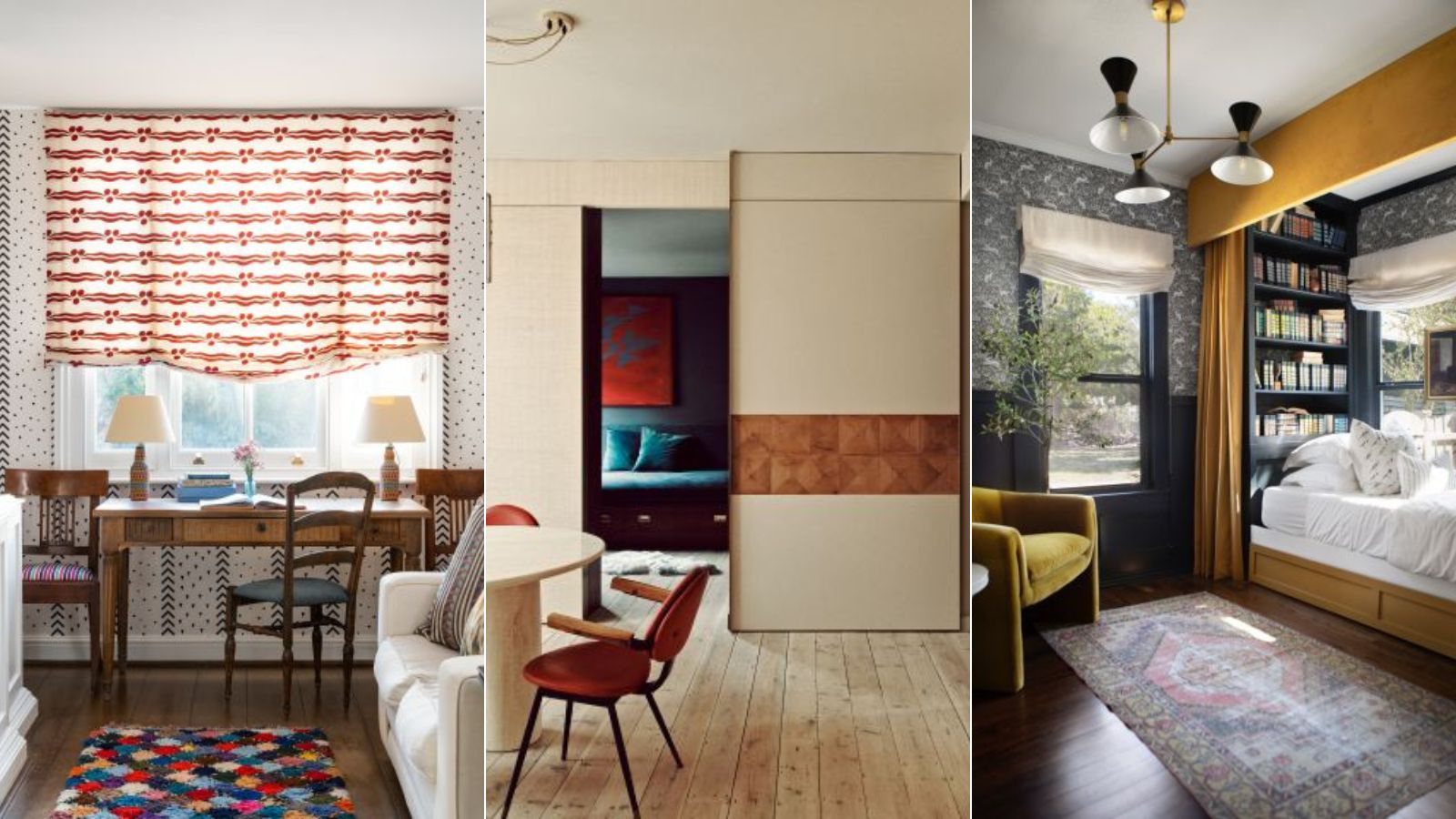
And don’t forget the windows. If you’re lucky enough to have them, treat them like jewelry. Keep treatments minimal. Heavy drapes eat up visual space. Go for sheer fabrics that diffuse daylight or simple Roman shades that tuck away cleanly. The goal is to blur the line between inside and out. Let the city energy in during the day, then curate your own private sanctuary at night. It’s a rhythm. A dance between the bustling street below and the quiet refuge above.
Multifunctional Furniture as Sculpture
Here’s the thing about small spaces: you can’t afford clutter. But you also can’t afford boring. This is where multifunctional furniture steps in as the hero. But please, banish the image of clunky, convertible sofas from the nineties. Today’s pieces are chic. They’re innovative. They fuse practicality with sleek design so seamlessly you’d never guess they hide a secret.
Think of a coffee table that lifts to become a dining surface. Or a bed that disappears into a wall unit lined with books and display niches. These aren’t just space-savers; they’re statement pieces. In 2026, we’re seeing a rise in bespoke, custom-built joinery that serves multiple purposes. A bench that offers storage underneath. A desk that folds flat against the wall when not in use, revealing a beautiful piece of art or a textured panel. It’s about versatility without sacrificing style.
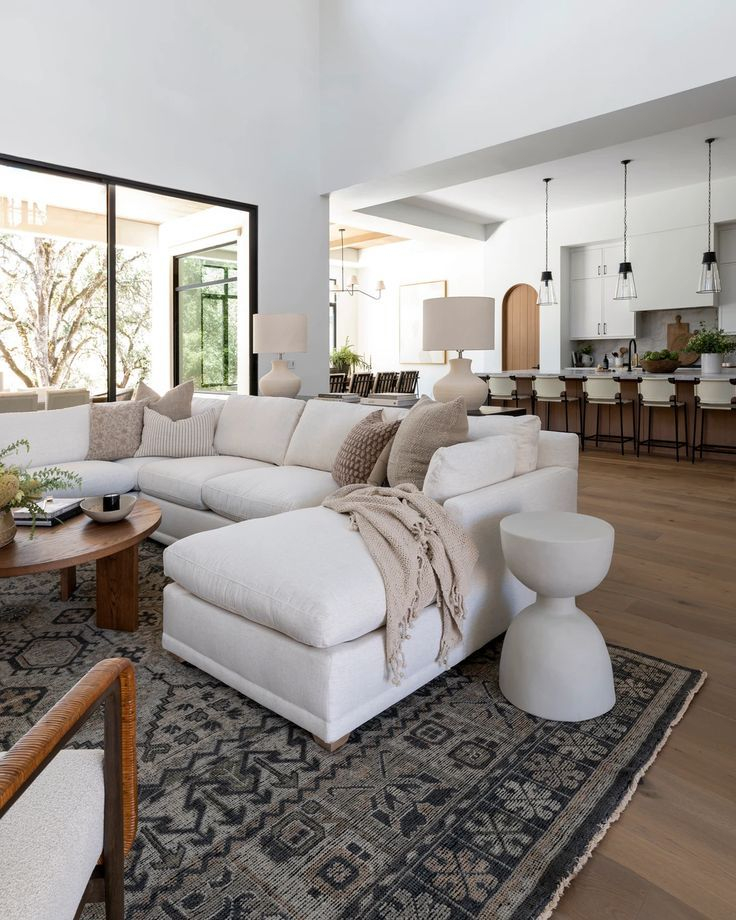
The key is to choose pieces that stand on their own merit. A compact round settee, for instance, offers comfortable seating without the visual bulk of a large sectional. It floats in the room, allowing light and air to circulate around it. When every item has a job to do, you free up floor space. And floor space? That’s the ultimate luxury. It gives the eye a place to rest. It makes the room breathe. So, invest in quality. One perfect chair is worth ten mediocre ones.
Materiality and Texture Over Color
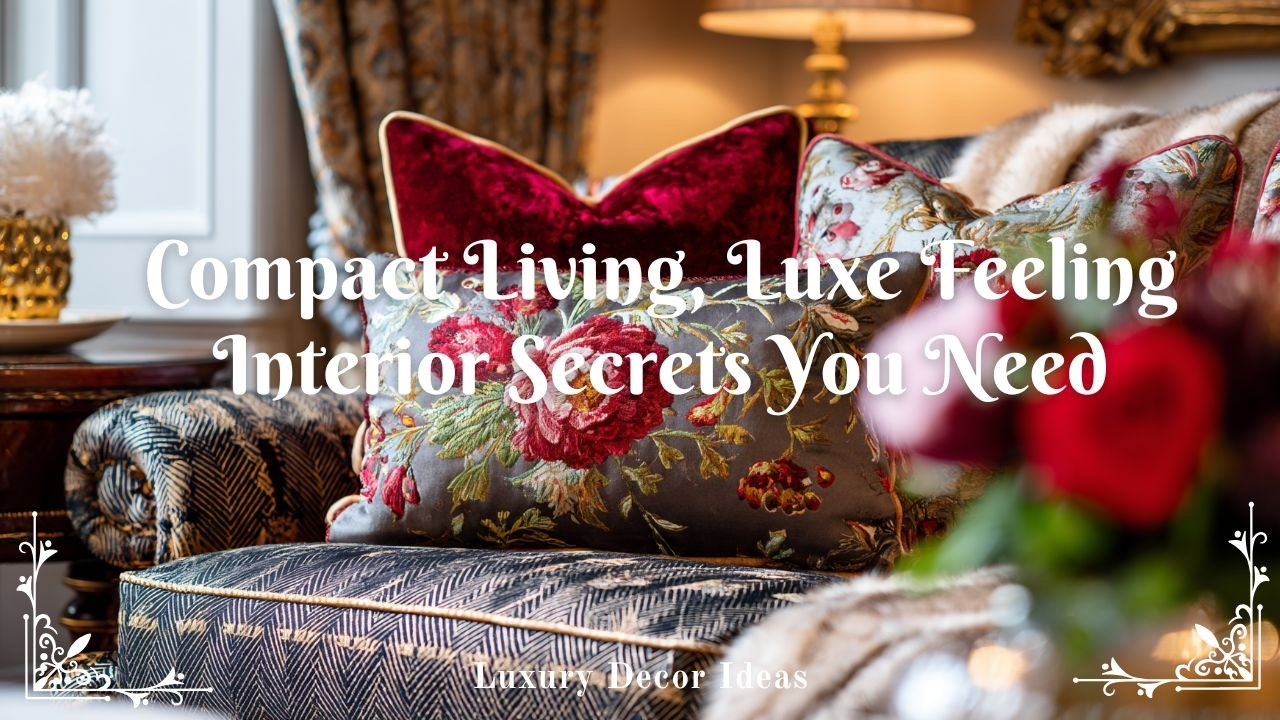
In a large house, you can get away with plain white walls and sparse decor. In a small apartment? It falls flat. It feels sterile. To create a luxe atmosphere, you need texture. You need materials that invite touch. Think velvet cushions, rough-hewn wood tables, cool marble countertops, and warm brass fixtures. These tactile experiences ground the space. They add richness that color alone can’t achieve.
A monochromatic palette is often recommended for small spaces, and for good reason. It creates a seamless flow, preventing the eye from stumbling over jarring color changes. But monochrome doesn’t mean monotone. Layer different shades of the same color. Mix matte finishes with glossy ones. Pair soft textiles with hard surfaces. This contrast creates visual interest without shrinking the room. It’s sophisticated. It’s understated. And it feels expensive.
Consider the details. The hardware on your cabinets. The grout lines in your bathroom tiles. These small elements add up. In compact living, you’re closer to everything. You notice the grain of the wood. The coolness of the stone. Make those interactions pleasant. Choose natural materials where possible. They age beautifully, developing a patina that tells a story. Synthetic materials often look cheap under close inspection, and in a small space, everything is under close inspection.
Verticality and the Illusion of Height
Most urban apartments suffer from low ceilings. It’s a common complaint. But you can fight it. Draw the eye upward. Use vertical lines to create the illusion of height. Floor-to-ceiling curtains are a classic trick. Hang them as high as possible, even if the window is small. It tricks the brain into thinking the window—and the room—is taller. Same goes for shelving. Tall, slender bookcases that reach the ceiling maximize storage while emphasizing vertical space.
Mirrors are another powerful tool. But be strategic. A massive mirror opposite a window bounces light around and doubles the view. It’s like adding a second window. But avoid placing mirrors where they’ll reflect clutter. That just doubles the mess. Instead, use them to reflect something beautiful. A plant. A piece of art. A interesting architectural feature. It’s about curating what gets reflected.
Don’t neglect the ceiling itself. In many older urban buildings, you might find original moldings or beams. Highlight them. Paint them a contrasting color or keep them pristine white to stand out. If the ceiling is plain, consider a subtle wallpaper or a bold paint color to draw attention up. It distracts from the limited floor area. It makes the space feel grander. It’s a shift in perspective. Literally.
The Power of Negative Space
This sounds counterintuitive, right? In a small space, shouldn’t you fill every nook? No. Absolutely not. Clutter is the enemy of luxury. Negative space—the empty areas between objects—is crucial. It allows the eye to rest. It highlights the pieces you do have. Think of it as breathing room. Without it, even the most expensive furniture looks cramped and chaotic.
Be ruthless with editing. If an item doesn’t serve a purpose or bring you joy, let it go. This is the core of curating. It’s not just about buying things; it’s about choosing what stays. Display a few meaningful objects rather than dozens of knick-knacks. Let a single large piece of art anchor a wall instead of a gallery wall that feels busy. Simplicity is sophisticated. It shows confidence. It says, "I don’t need to shout to be heard."
Storage is key to maintaining this emptiness. Everything needs a home. Hidden storage is your best friend. Ottomans with lids, beds with drawers, benches with compartments. Keep surfaces clear. A clean countertop feels luxurious. A cluttered one feels stressful. In 2026, the trend towards minimalist aesthetics in urban homes is stronger than ever. It’s not about being cold; it’s about being calm. It’s about creating a backdrop for your life, not a museum of stuff.
Finally, luxury is personal. It’s about how the space makes you feel. Engage all the senses. What does your apartment smell like? Invest in a good diffuser or fresh flowers. Scent has a powerful impact on mood. What does it sound like? Consider acoustics. Soft furnishings absorb sound, reducing echo and creating a quieter, more intimate atmosphere. Rugs, curtains, and upholstered furniture are not just decorative; they’re acoustic tools.
Art is essential. It injects personality. It breaks the monotony. Choose pieces that speak to you, not just what’s trendy. A small space can handle bold art because the proximity makes it impactful. You’re living with it, literally inches away. Let it challenge you. Inspire you. Comfort you. It’s your daily companion.
And don’t forget the green. Plants bring life. They soften hard edges. They improve air quality. Even a single fiddle-leaf fig in a corner can transform a room. It adds organic shape and color. It connects you to nature, which is often scarce in dense urban environments. It’s a small touch, but it makes a big difference. It makes the space feel alive. Cared for. Loved.
So, where does this leave us? Creating a luxe atmosphere in a compact urban dwelling isn’t about budget. It’s about vision. It’s about understanding how light, material, and space interact. It’s about choosing quality over quantity. It’s about curating an experience, not just filling a room.
You don’t need a mansion to live well. You need intention. You need to know what matters to you. Strip away the excess. Highlight the beautiful. Make every element count. When you do, your small space becomes more than just a place to sleep. It becomes a sanctuary. A reflection of who you are. And honestly? That’s the truest form of luxury there is. It’s not about showing off. It’s about coming home.