In our bustling, always-on world, finding a true haven can feel like searching for a hidden treasure, can’t it? Our homes, for many of us, have become more than just places to sleep; they’re offices, gyms, entertainment hubs, and sometimes, even classrooms. The lines blur, and suddenly, that sense of calm we desperately crave feels just out of reach. It’s a common story in 2026, where the pace of life seems to only quicken.
But what if the secret to serenity wasn’t about escaping to a remote island, but rather, about transforming the very place you spend most of your time? What if your modern home, with all its contemporary demands and conveniences, could also be your most profound source of peace and quiet? It’s not a pipe dream, I promise. It’s about making intentional choices, big and small, that nudge your space towards tranquility. Let’s delve into how you can make your home a genuine sanctuary, a place where peace isn’t just an idea, but a lived experience.
Decluttering Your Domain – The Physical and Digital Purge
Let’s be frank: a cluttered space often means a cluttered mind. It’s a simple truth, yet so many of us struggle with it. In 2026, the sheer volume of "stuff" we accumulate, both tangible and digital, can be overwhelming. The first step towards a more tranquil home is often the most challenging: a ruthless, honest purge. Start with surfaces. Clear off everything that doesn’t serve a purpose or bring you genuine joy. Think about the silent mental load those forgotten gadgets and stacks of papers carry.
But it’s not just about physical items. Our digital lives spill into our homes more than ever. Consider a "digital declutter" for your living spaces. That means designated charging stations hidden away, not a tangle of cords on your nightstand. It means setting boundaries with devices, perhaps a "no screens in the bedroom after 9 PM" rule. Studies from recent years consistently show that reducing screen time, especially before bed, significantly improves sleep quality and overall mental well-being. A clean, uncomplicated environment, free from visual noise and digital distractions, acts like a balm for the weary soul.
Embrace Nature’s Whisper – Biophilic Design for Inner Peace
Humans are inherently connected to nature. It’s in our DNA. Yet, many modern homes, especially in urban areas, can feel like sterile boxes, cut off from the natural world. This is where biophilic design comes in, and it’s gaining serious traction for good reason. Bringing the outside in isn’t just about aesthetics; it’s about tapping into that deep, innate need for connection with living things and natural elements. Think about adding a generous amount of indoor plants – not just one or two, but a small collection. Spider plants, snake plants, and peace lilies are easy to care for and excellent air purifiers.
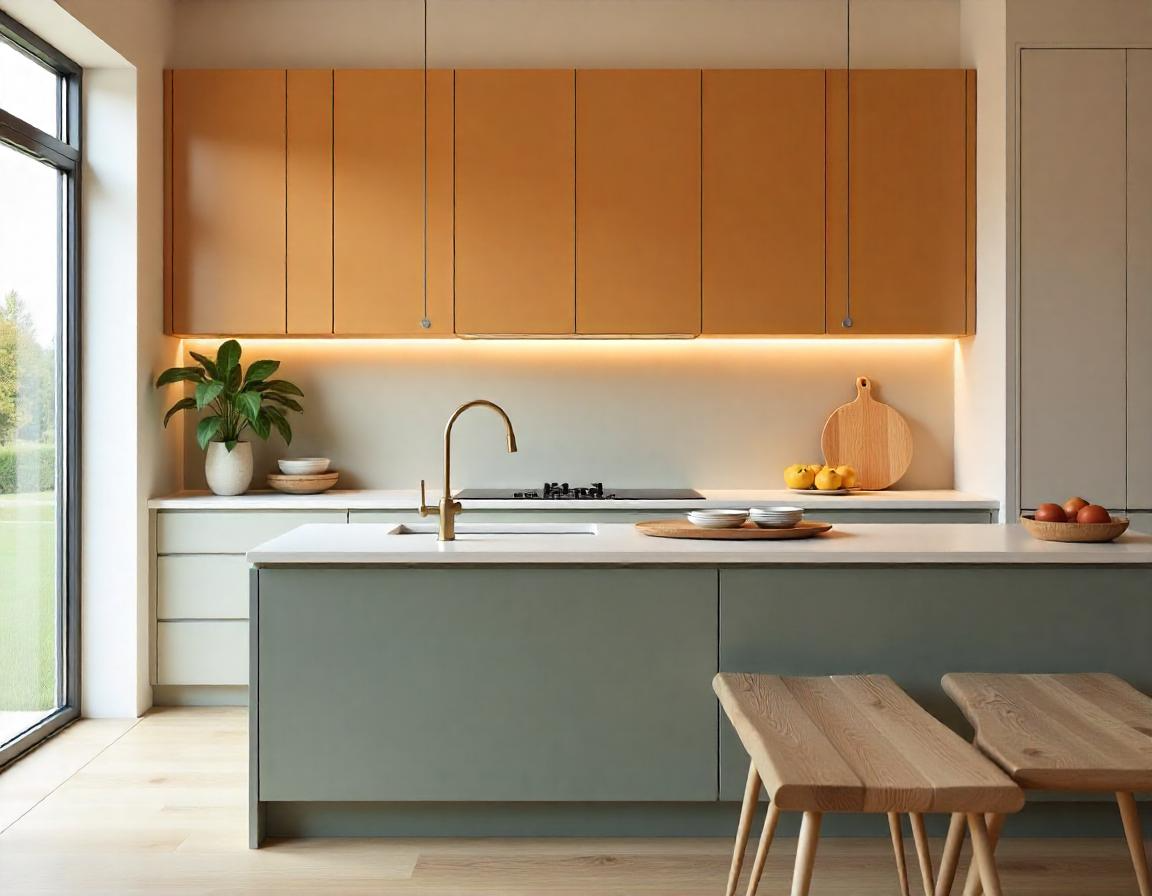
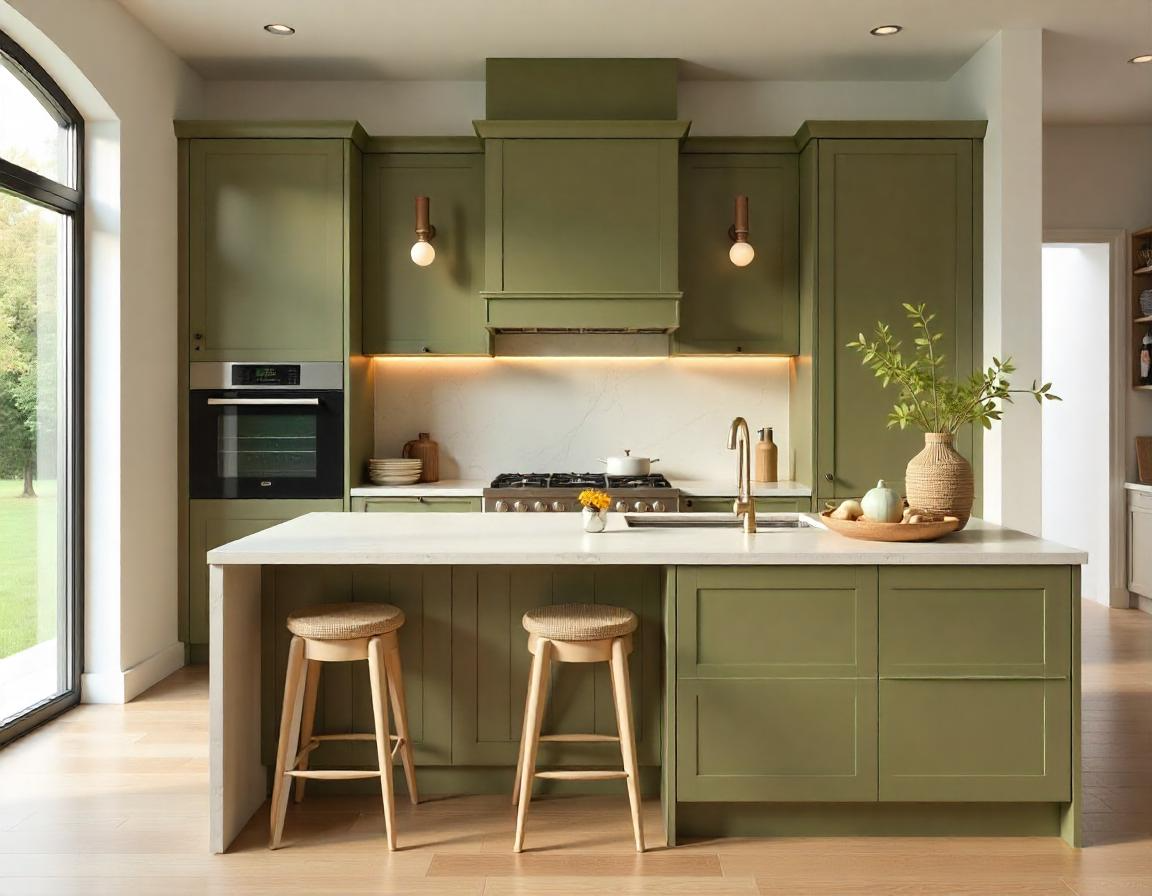
Beyond greenery, consider natural light. Maximize it wherever you can. Keep windows unobstructed, use sheer curtains, and position mirrors to reflect light deeper into rooms. If natural light is scarce, invest in full-spectrum lighting that mimics daylight. Incorporate natural materials too: wood, stone, cotton, linen. These textures and hues have a grounding effect, a quiet elegance that synthetic materials often lack. Even a small water feature can add a soothing sound element. It’s about creating an environment that breathes, mirroring the calm of a forest or a gentle stream right inside your home.
Smart Tech, Smarter Calm – Integrating Technology Thoughtfully
Technology, often seen as a source of modern stress, can actually be a powerful ally in creating serenity, if used wisely. We’re not talking about more gadgets, but about smart integration that simplifies and enhances your environment, rather than complicating it. Consider smart lighting systems that allow you to adjust color temperature and brightness. Warm, dim lights in the evening can signal your body it’s time to wind down, promoting better sleep. Cool, bright lights in the morning can help you wake up gently and feel more alert.
A smart thermostat can ensure your home is always at the perfect, comfortable temperature, eliminating discomfort that can easily disrupt peace. Air purifiers and humidifiers, often integrated with smart home systems, can maintain optimal air quality, a subtle but significant contributor to well-being. And don’t forget the power of sound. Smart speakers can deliver calming soundscapes – ocean waves, gentle rain, ambient music – on demand. The trick is to automate these elements so they work in the background, subtly supporting your calm, without demanding your constant attention or adding to your digital burdens.
Crafting Comfort – Textures, Sounds, and Scents
Serenity isn’t just about what you see; it’s a full sensory experience. Think about how your home feels, sounds, and smells. Soft furnishings are key here. Layering plush throws, comfy cushions, and textured rugs can instantly make a space feel more inviting and nurturing. Consider materials like velvet, cashmere, or chunky knits – anything that begs to be touched and provides a sense of warmth and security. These tactile elements create a sense of cocooning, a vital ingredient for relaxation.
The soundscape of your home is another crucial, often overlooked, aspect. Are there jarring noises from outside? Consider soundproofing solutions, even simple ones like heavy curtains or strategically placed bookshelves. Inside, think about introducing gentle, intentional sounds. A quiet fan, soft music, or even the subtle hum of a humidifier can create a comforting background. Finally, scent. Our olfactory sense is powerfully linked to memory and emotion. Diffusers with essential oils like lavender, chamomile, or frankincense can instantly shift the mood of a room, promoting relaxation and reducing stress. A clean-smelling home, perhaps with hints of citrus or fresh linen, also contributes to a feeling of calm.
Flexible Living, Peaceful Mind – Designing for Adaptability
Modern life is dynamic, and our homes need to keep pace without sacrificing peace. The idea of rigid, single-purpose rooms is becoming outdated. Instead, think about creating flexible spaces that can adapt to different needs throughout the day or week. This adaptability can significantly reduce stress and enhance a sense of ease. For example, a living room might easily transition from a family gathering space to a quiet reading nook with the clever use of movable furniture and screens.
Consider zones within larger rooms. A corner of a bedroom can become a mini-meditation area with just a comfortable cushion and perhaps a small plant. A dining table can double as a workspace during the day and a place for shared meals in the evening. The key is to ensure these transitions are seamless and that each zone feels distinct and intentional when in use. Storage solutions that keep clutter out of sight are paramount here, allowing spaces to transform effortlessly. This intelligent design for adaptability means your home works for you, supporting your changing needs without adding friction or visual chaos.
Creating a serene home isn’t a one-time project; it’s an ongoing practice, a set of habits that sustain the peace you’ve cultivated. Think of it as mindful maintenance. This isn’t about rigid chores, but about establishing small, consistent routines that keep your space feeling fresh and welcoming. For example, making your bed every morning can set a positive tone for the day. Wiping down kitchen counters after each meal keeps the heart of your home clean and inviting. These small acts of care prevent overwhelm and contribute to a feeling of order and calm.
Beyond daily upkeep, consider weekly or monthly rituals. Perhaps a thorough deep clean of one room each week, or a regular "reset" where you tidy up any stray items and refresh your plants. Creating a dedicated "landing strip" by your front door – a place for keys, mail, and bags – can prevent clutter from spreading throughout your home. These small, consistent efforts are not just about cleanliness; they’re about honoring your space and, by extension, honoring your own peace of mind. It’s about being present in your home and recognizing its role as your personal sanctuary.
So, there you have it. The secret to serenity in your modern home isn’t some mystical formula or an expensive renovation. It’s a combination of intentional choices, a blend of practical adjustments and a mindful approach to your living environment. From purging the unnecessary and embracing nature’s calm, to thoughtfully integrating technology and creating truly comfortable spaces, each step contributes to a deeper sense of peace.
It’s a journey, not a destination. Your home, like you, is always evolving. But by consistently applying these principles, by making your space a reflection of the calm you wish to cultivate within yourself, you’ll discover that true serenity isn’t just possible, it’s waiting for you, right there, in the quiet corners of your very own modern home. What a wonderful thing, wouldn’t you say.