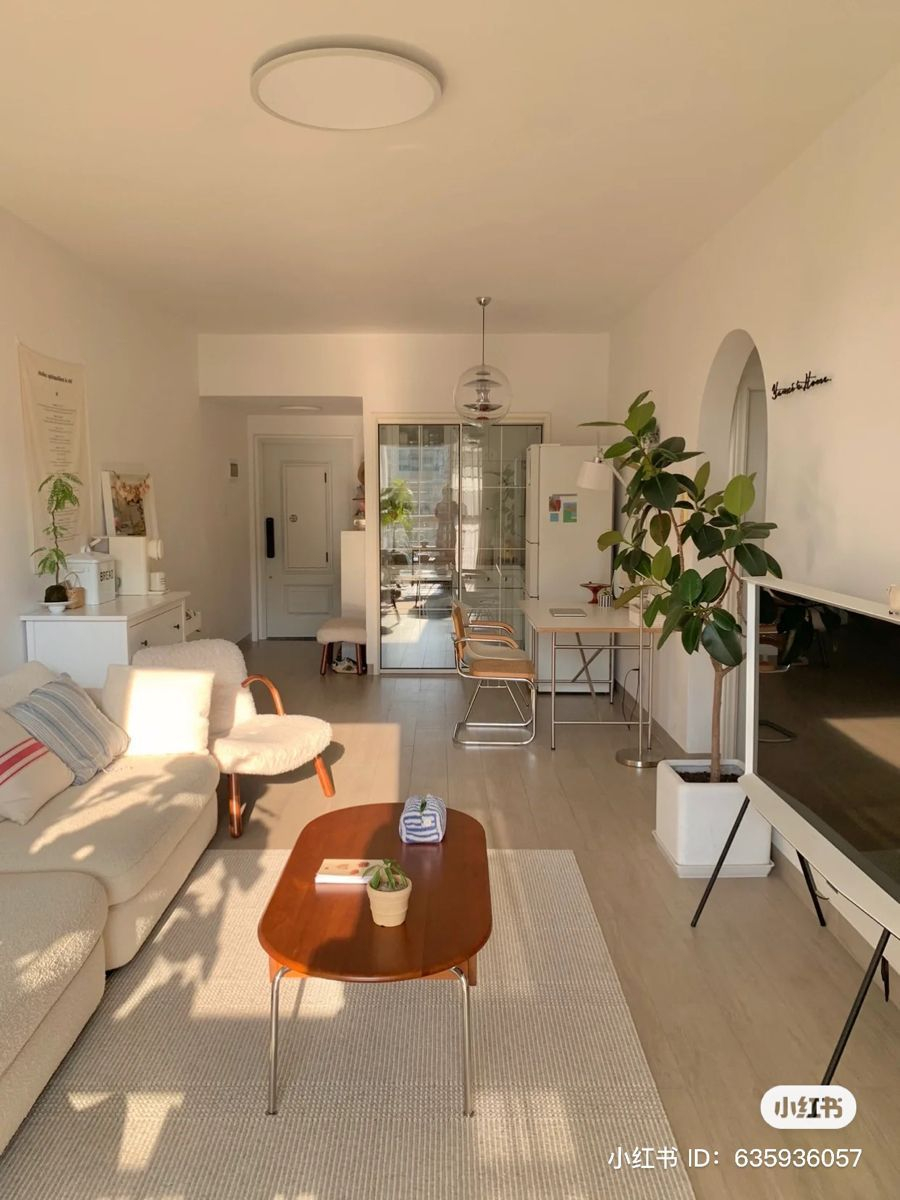
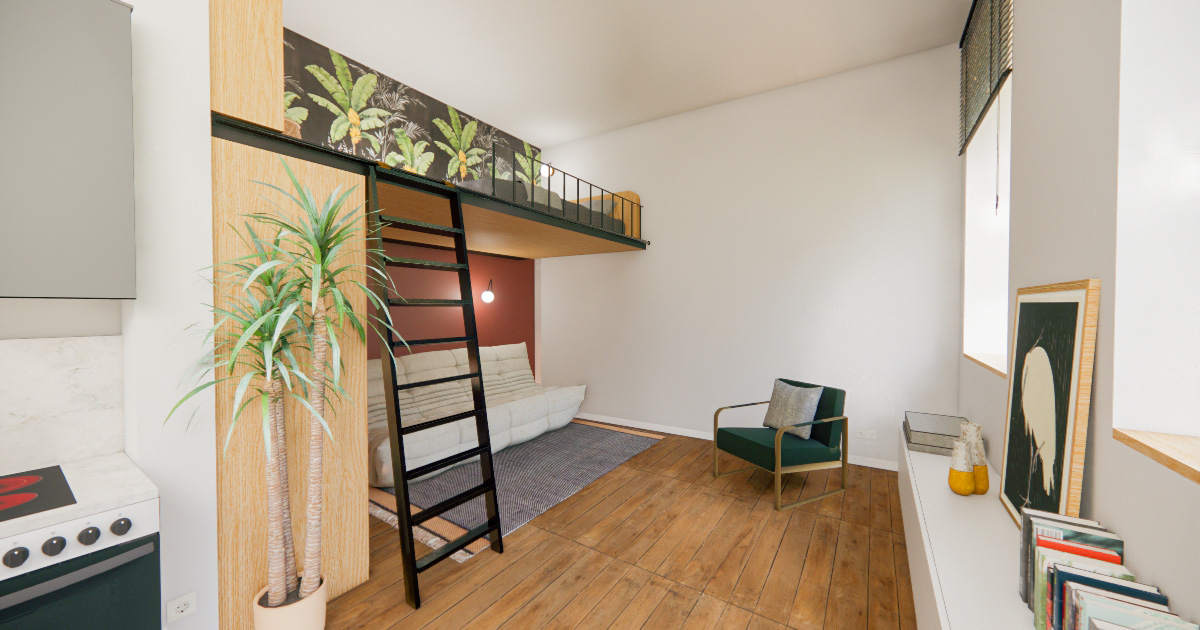
You finally got the keys. The echo in the empty rooms feels like pure freedom, doesn’t it. But then you stand in the center of your living area and realize you have to actually fill it. How do you make a tiny studio feel like a grand home, or keep a weirdly long living room from looking like a bowling alley.
It is easy to get swept up in Pinterest boards and TikTok room tours. You buy a massive, plush couch because it looks comfy, only to realize it swallows your entire floor space. Furnishing your very first apartment is less about buying things you love and more about understanding how those things talk to each other in a room. It is a dance of visual weight, proportions, and layout. Let us dive into how you can nail this right now in 2026.
The Tape Measure Is Your Best Friend
Before you even look at an online shopping cart, you need to know your numbers. And no, guessing does not count. A lot of first-timers skip this step because it feels like homework, but skipping it is the fastest way to buy a bedframe that blocks your closet door. Measure the walls, the window placements, and especially the entryways.
When you start browsing for furniture, look at the depth just as much as the length. A sofa might fit along your wall, but if it sticks out too far into the walking path, your room will feel cramped. Pro tip: use blue painter’s tape to outline the actual size of pieces on your floor before buying. It gives you a real-life view of how much walking room you will actually have left.
Understanding Visual Weight
Have you ever walked into a room and felt like it was tipping over to one side. That is usually a failure of visual weight. Every object in a room draws a certain amount of attention. Heavy, dark items with solid bases—like a chunky wooden coffee table—look much heavier than a glass-topped table with thin metal legs, even if they take up the exact same physical space.
To create balance, you want to scatter these weights around. If you have a dark, heavy sofa on one side of the room, do not put two massive dark armchairs right next to it. Balance that couch with something lighter across from it, like a sleek media console or a couple of airy chairs. It keeps your eyes moving naturally through the space.
The Magic of the 2/3 Rule
When it comes to scale, human eyes love certain mathematical proportions, even if we do not realize it. One classic interior design trick that works wonders for beginners is the two-thirds rule. It is super simple: your main piece of furniture should occupy about two-thirds of the wall it is sitting against.
The same goes for the things that sit on or above that furniture. Your coffee table should be roughly two-thirds the length of your sofa. The artwork hanging above your bed ought to span about two-thirds the width of the headboard. Following this guideline prevents your items from looking awkwardly tiny or overwhelmingly massive.
Going Vertical to Create Breathing Room
When floor space is limited, you have to look up. A common mistake when furnishing a first apartment is keeping everything at the exact same height. If your couch, TV stand, coffee table, and bed all sit low to the ground, the top half of your apartment feels totally empty and uninviting.
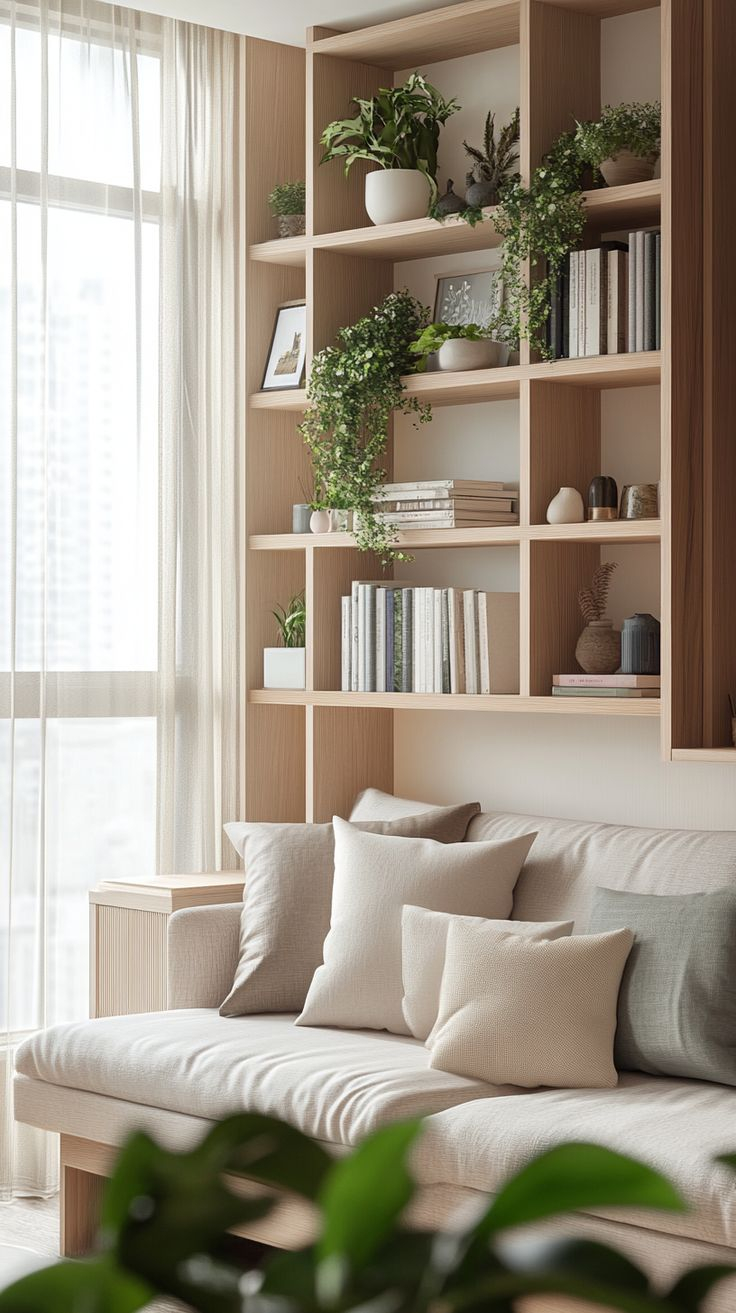
You can break up this monotony by introducing vertical elements. Think tall, slender bookshelves, floor lamps that arch upward, or floor-to-ceiling curtains. Hanging your curtain rods a few inches above the actual window frame is an old designer secret that instantly fools the mind into thinking your ceilings are way higher than they actually are.
Rugs: The Anchors of Your Space
Let us talk about rugs because people get this wrong all the time. Usually, out of a desire to save money, people buy rugs that are way too small. A tiny rug floating in the middle of a room acts like a magnifying glass for small spaces, making the whole area feel disconnected and fractured.
Your rug should act as an anchor that ties your furniture grouping together. Ideally, all the feet of your living room furniture should sit on the rug. If that is not possible because your space is tight, at least make sure the front legs of your sofa and chairs are resting on it. This creates a defined zone and makes the room feel cohesive.
Leave Some Empty Spaces
When you are excited about your first place, it is tempting to fill every single corner with decor, plants, and side tables. But a balanced room needs breathing room—what designers call negative space. Empty areas are just as important as the spots filled with furniture because they give your eyes a place to rest.
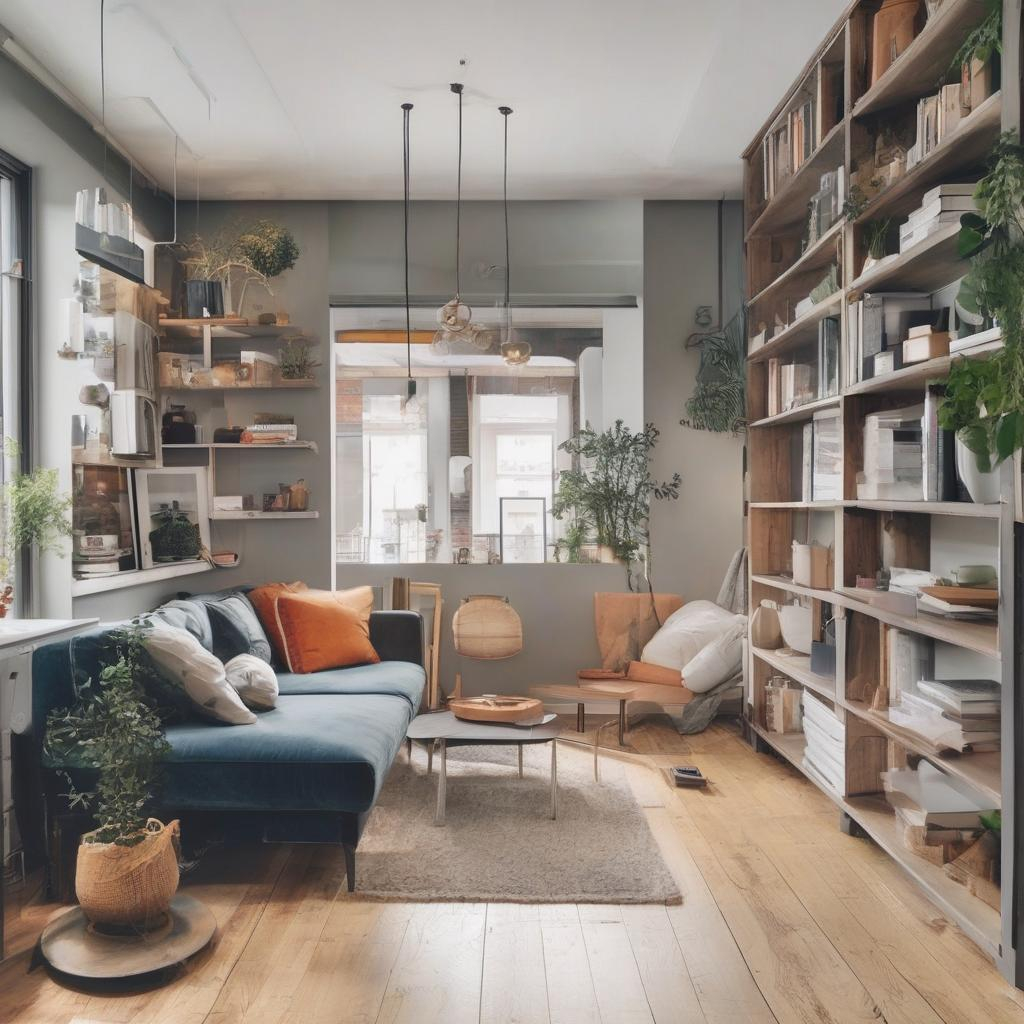
If every wall has a shelf and every corner has a chair, the apartment will quickly start feeling chaotic. Leave a wall blank. Keep a corner completely open. Allow the items you actually care about some room to shine, rather than burying them in a sea of clutter.
Furnishing your first apartment in 2026 is a journey of trial and error, and it rarely happens overnight. The secret is to take your time and build the room piece by piece. Start with your largest anchor items, like the bed or the sofa, and then layer in the smaller elements while keeping scale and balance in mind.
Remember to balance out the heavy materials with lighter ones, use your walls to draw the eye upward, and don’t be afraid of a little empty space. With these basic ideas in your toolkit, you can turn any cramped starter apartment into a comfortable, balanced home that feels uniquely yours. Happy decorating.