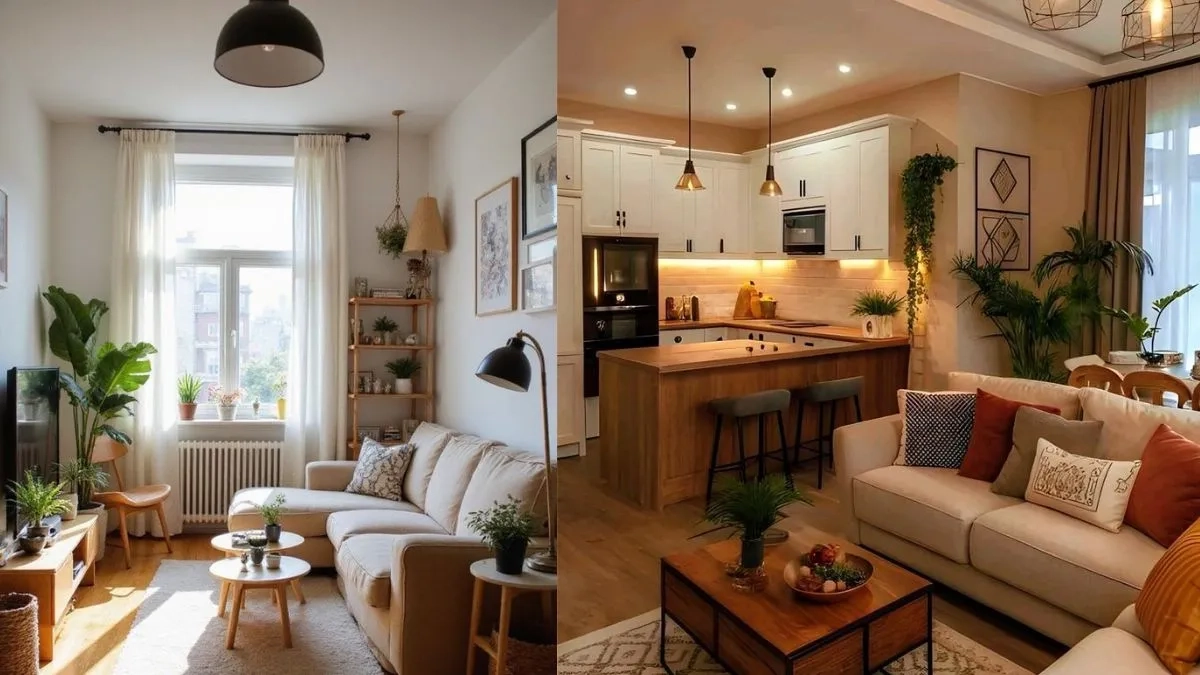
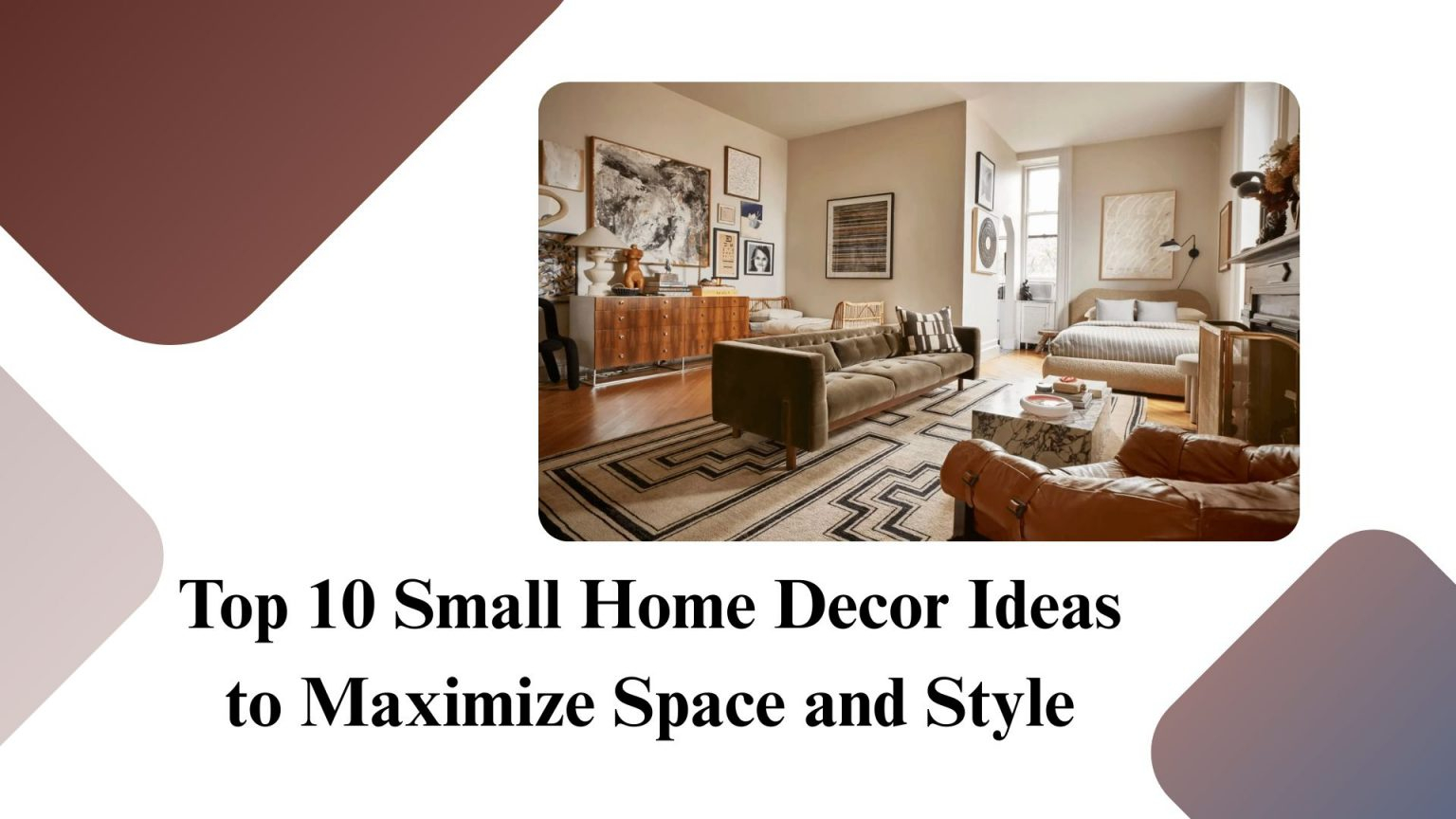
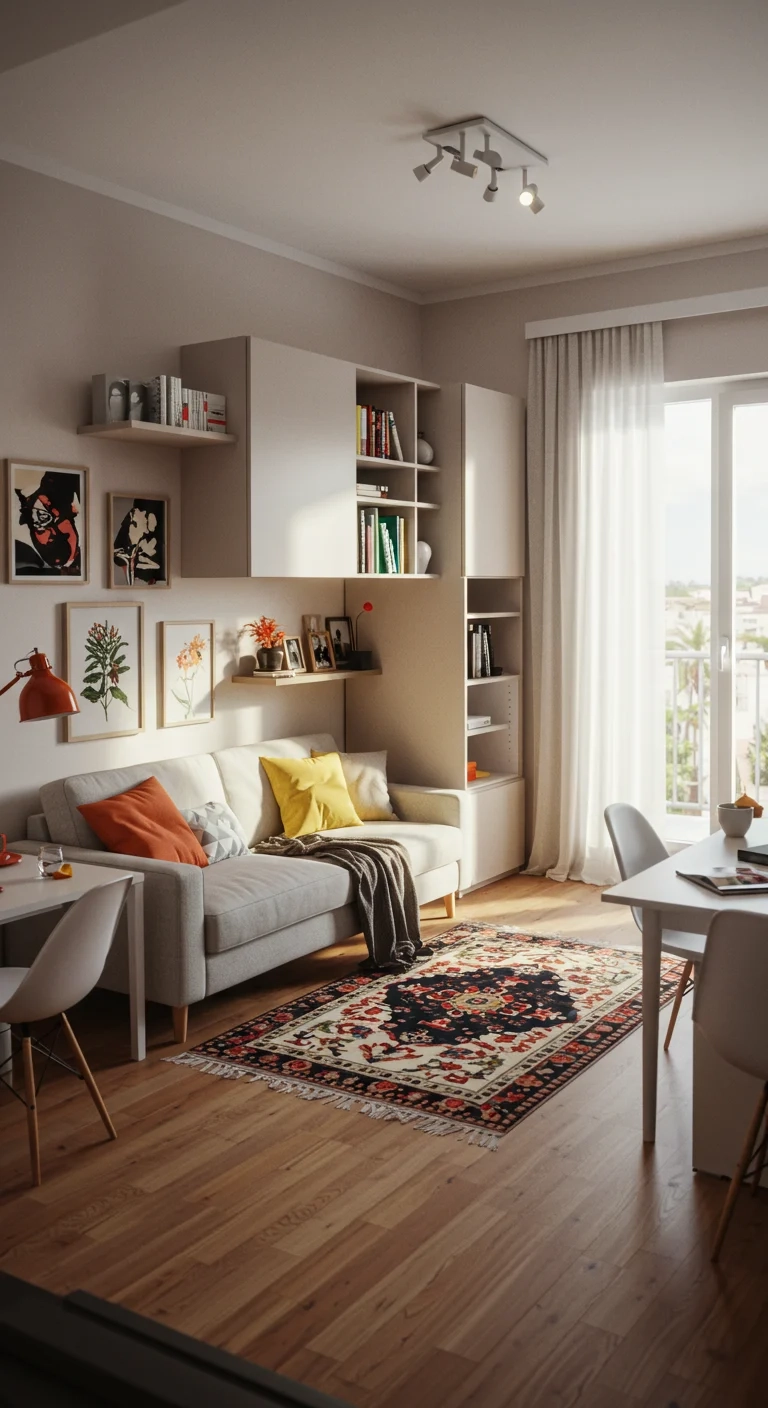
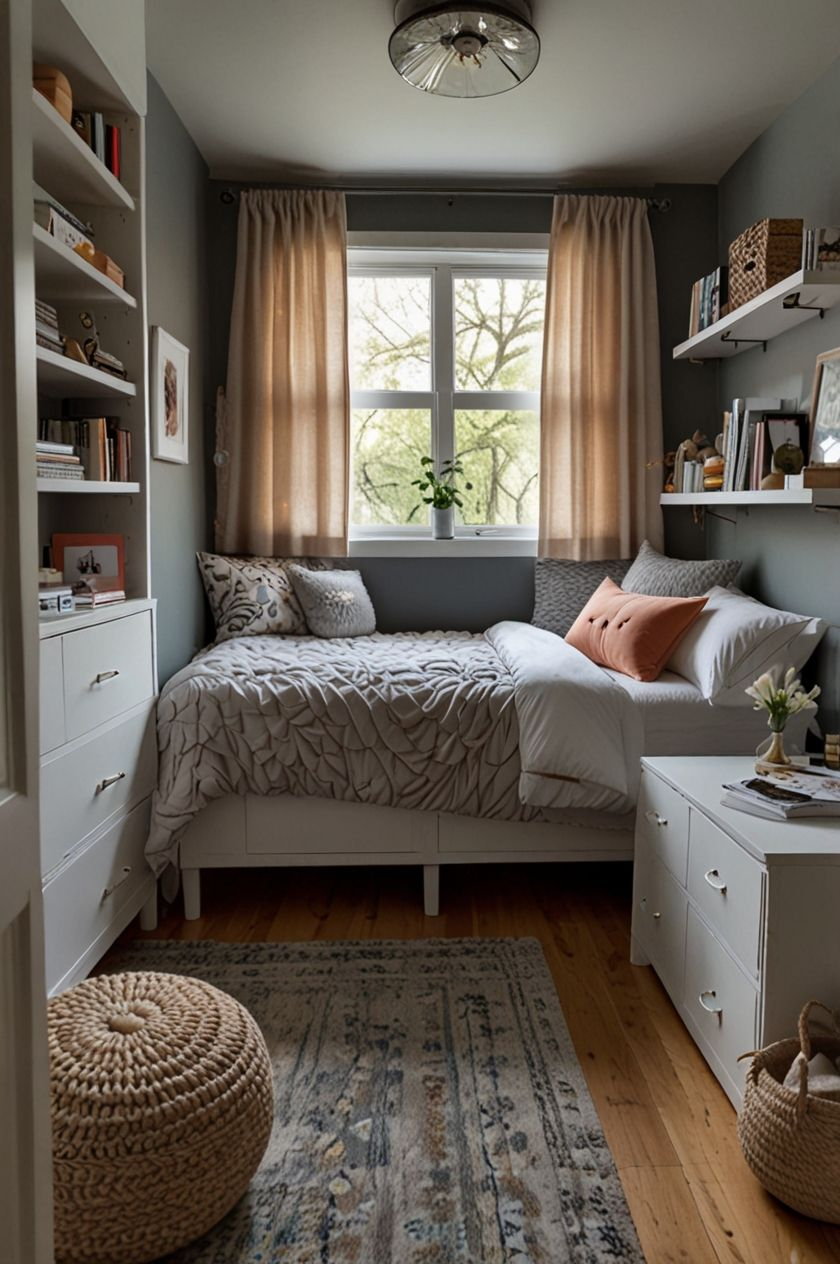
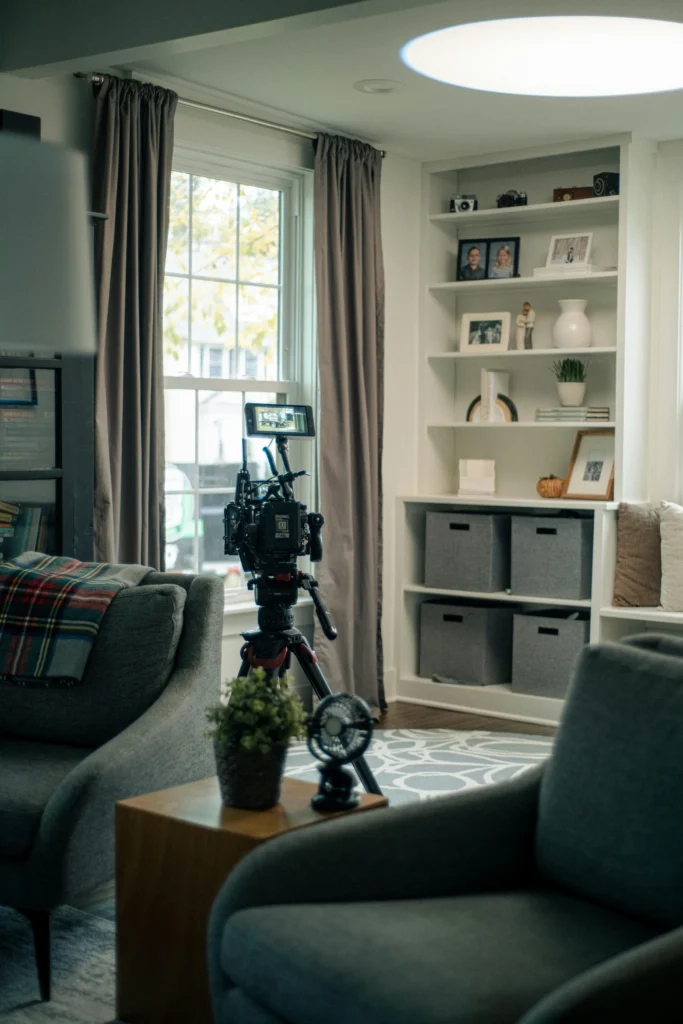
Ever feel like your living space is shrinking, even when the walls haven’t moved an inch? It’s a common experience, isn’t it? In our fast-paced 2026 world, where city living often means smaller footprints, many of us are grappling with how to make our homes feel expansive, peaceful, and truly ours, without bursting at the seams.
For years, we’ve been told to fill our homes, to accumulate, to showcase every memory and trinket. But what if the secret to a genuinely comfortable and stylish compact home isn’t about adding more, but thoughtfully subtracting? It turns out, that’s precisely the answer. Embracing "less is more" isn’t just a trend; it’s a profound shift in how we approach our personal sanctuaries, especially when square footage is at a premium. Let’s delve into why this philosophy is more relevant than ever right now.
The Quiet Power of Decluttering: More Than Just Tidy
Think about walking into a room that feels light, airy, and utterly serene. What’s the first thing you notice? Probably the lack of visual noise. Clutter, even small amounts, creates a subconscious burden, a constant demand for our attention. It’s not just about things being messy; it’s about the sheer volume of stuff competing for space, both physically and mentally. A cluttered environment can actually elevate stress levels, making it harder to relax and unwind after a long day.
When we intentionally reduce what we own, we’re not just tidying up; we’re creating mental breathing room. This isn’t about stark minimalism, but about curating a space that supports your life, rather than overwhelming it. It’s about being able to find what you need, appreciate what you have, and enjoy the feeling of an uncluttered home. This practice allows for a deeper connection with your surroundings, fostering a sense of peace and order that’s invaluable in today’s busy world.
Smart Choices for Small Spaces: The Art of Multi-Functionality
In 2026, the market is brimming with ingenious solutions for compact living. We’re talking about furniture that does double, even triple, duty. A coffee table that lifts to become a dining surface. A sofa that transforms into a guest bed with elegant ease. Storage ottomans, modular shelving units, and beds with integrated drawers are no longer niche items; they’re mainstream necessities. This isn’t just about saving space; it’s about maximizing the utility and versatility of every single item in your home.
When you invest in multi-functional pieces, you’re not just buying furniture; you’re buying flexibility. This approach lets your home adapt to various needs throughout the day, whether it’s working from home, entertaining friends, or simply relaxing. It simplifies your life by reducing the need for numerous single-purpose items, making your compact home feel far more capable and efficient. The key is to choose pieces that are not only practical but also beautifully designed, ensuring they contribute to the overall aesthetic of your space.
Crafting Calm: Light, Color, and the Illusion of Grandeur
It’s amazing what a difference light and color can make. In a compact home, these elements are your most powerful allies in creating an illusion of space and an atmosphere of calm. Lighter color palettes—think soft whites, gentle grays, and subtle pastels—reflect light, making rooms feel larger and more open. This doesn’t mean your home has to be bland, though. Pops of color through cushions, artwork, or a single statement chair can add personality without overwhelming the eye.
Natural light, whenever possible, is a game-changer. Keep window treatments minimal and light, allowing sunlight to flood in. Mirrors are another fantastic tool; strategically placed, they can bounce light around a room and create the perception of greater depth. By understanding how light and color interact, you can transform a small, potentially cramped space into a welcoming, expansive haven. It’s about working with what you have and enhancing it.
Curated Collections, Not Random Accumulations
We all have things we love, items that hold meaning and bring us joy. The "less is more" philosophy doesn’t demand you live like a monk. Instead, it encourages intentionality. Rather than randomly accumulating objects, think about curating your possessions. Choose pieces that genuinely resonate with you, tell a story, or serve a clear purpose. This might mean rotating decorative items seasonally, or displaying only a few cherished pieces at a time.
This approach elevates your belongings. Each item on display becomes a focal point, appreciated for its beauty and significance, rather than getting lost in a sea of stuff. It’s about quality over quantity, meaning over mere possession. When you thoughtfully select what enters your home and what stays, you create a space that feels deeply personal and authentic, free from the visual clutter of items you barely notice or don’t truly value. Your home becomes a gallery of your life, not a storage unit.
Technology’s Role in a Streamlined 2026 Home
In the year 2026, technology plays an even greater role in helping us live efficiently in smaller spaces. We’re seeing a surge in "invisible tech" – devices that blend seamlessly into the decor or are so compact they practically disappear. Think smart home systems that manage lighting, temperature, and entertainment from a single, discreet hub, reducing the need for multiple remotes and bulky gadgets. Wireless charging surfaces integrated into furniture, hidden speakers, and ultra-thin displays are becoming standard.
This technological evolution supports the "less is more" mantra by minimizing visible wires and devices, contributing to a cleaner, more minimalist aesthetic. It also enhances functionality without adding physical bulk. Smart appliances, for instance, are often more compact and energy-efficient, fitting better into smaller kitchens and laundry areas. Embracing these advancements can significantly reduce visual noise and improve the quality of life in a compact home, making it feel both modern and effortlessly organized.
The move towards "less is more" in compact homes isn’t just about aesthetics or convenience; it’s also deeply intertwined with sustainability. In 2026, there’s a growing awareness about our consumption habits and their impact on the planet. Choosing fewer, higher-quality items that are built to last reduces waste and supports ethical manufacturing. It encourages us to think about the lifecycle of our possessions, from production to disposal.
This thoughtful approach to decorating naturally leads to more sustainable choices. When you buy less, you’re not just saving space; you’re often saving resources and minimizing your environmental footprint. It fosters a mindset of appreciation for what you have and a resistance to impulsive purchases. Ultimately, embracing "less is more" can lead to a more conscious, responsible, and ultimately more fulfilling way of living, benefiting both your home and the world around you. It’s a win-win, really.
So, as we navigate 2026 and beyond, the message is clear: your compact home doesn’t have to feel small or overwhelming. By embracing the simple yet powerful philosophy of "less is more," you can transform your space into a haven of peace, functionality, and beauty. It’s about making intentional choices, valuing quality over quantity, and creating an environment that truly supports the life you want to live.
It’s not about deprivation; it’s about liberation. The freedom that comes from having exactly what you need, and nothing more, is a powerful thing. It allows you to breathe, to relax, and to truly enjoy the comfort and style of your well-loved, perfectly curated compact home. Give it a try; you might be surprised at the sense of calm and clarity it brings.