You walk into a room and feel it immediately. The air is lighter. Your shoulders drop an inch. It’s not just about white walls or empty shelves, though those are part of the look. It’s something deeper. For years, we’ve scrolled past images of perfect Copenhagen apartments on our phones, thinking, "I could never live like that." It feels cold. Sterile. Unreachable. But what happens when you actually try it? Not the Instagram version, but the messy, real-life attempt to bring a bit of Nordic sanity into your chaotic home?
The results are surprising. And honestly? They have very little to do with buying new furniture. In 2026, as digital noise reaches a fever pitch and our living spaces double as offices, schools, and gyms, the pull toward simplicity isn’t just a trend. It’s a survival tactic. Real people—parents, remote workers, students—are finding that stripping back their environment teaches them things they didn’t expect about their habits, their values, and even their relationships. It’s not about having less stuff for the sake of it. It’s about making room for what actually matters. Let’s dig into what they’re really learning.
The Myth of the Empty Room
First off, let’s clear up a huge misconception. Scandinavian minimalism is not about living in an empty box. If you talk to anyone who has successfully adopted this lifestyle in Stockholm or Oslo, they’ll tell you it’s about hygge (coziness) just as much as it is about space. The biggest lesson people learn early on is that "minimal" doesn’t mean "bare." It means "intentional."
When Sarah, a graphic designer from Portland, started her journey last year, she threw out half her books. She regretted it within a week. "I felt like I was living in a hotel lobby," she admitted. "It was clean, sure, but it had no soul." The shift happened when she stopped trying to copy a magazine spread and started asking herself: "Does this object bring me joy or serve a purpose?" She kept the books. She kept the quirky ceramic mug her grandmother gave her. But she got rid of the three extra blenders and the pile of cables for devices she hadn’t owned since 2019.
This distinction is crucial. You learn that clutter isn’t just physical; it’s emotional. By keeping only what is useful or beautiful, you create a backdrop for your life rather than a obstacle course. The rooms breathe. But they still feel lived-in. That’s the secret sauce. It’s warmth over starkness. Function over fashion. Once you get that, the guilt of "not being minimalist enough" disappears. You realize you’re curating, not depriving.
The Hidden Cost of Decision Fatigue
Here’s a thing nobody tells you until you’re standing in front of a closet with only ten items in it: you save so much mental energy. We make thousands of tiny decisions every day. What to wear? Where are my keys? Which coffee mug is clean? In a cluttered home, these micro-decisions add up. They drain your battery before you’ve even had breakfast.
Adopting a Scandinavian approach forces you to systematize your space. Everything has a home. When everything has a home, you stop hunting. Mark, a father of two in Chicago, noticed this change within the first month. "Mornings used to be a war zone," he said. "We’d spend fifteen minutes looking for shoes. Now, there’s a bench by the door. Shoes go there. Coats go there. Done." It sounds simple, almost too simple. But the cumulative effect is massive.
By reducing the visual noise in your environment, you reduce the cognitive load on your brain. This is backed by recent studies in environmental psychology showing that cluttered spaces increase cortisol levels. Real people learn that a tidy entryway isn’t just about aesthetics; it’s about starting the day with a clear head. You become more patient. You’re less irritable. You have more bandwidth for the big decisions, like how to help your kid with their homework or how to tackle that project at work. It’s freedom, disguised as organization.
Quality Over Quantity Becomes Real
We’ve all heard the phrase "buy less, choose well." It’s easy to say. It’s hard to do. But when you commit to owning fewer things, your relationship with purchasing changes drastically. You stop buying cheap, disposable items because you know they’ll just become clutter later. Instead, you start saving for things that last. This is a core tenet of Scandinavian design: durability and craftsmanship.
In 2026, with supply chains still fluctuating and environmental concerns at an all-time high, this lesson hits harder than ever. People report feeling a sense of pride in their possessions. A wooden table that was built to last fifty years feels different than a particle-board one from a fast-furniture chain. You take care of it. You repair it. You respect it.
This shift extends beyond furniture. It affects clothes, kitchenware, even toys. Parents find themselves buying fewer, higher-quality toys for their kids, which ironically leads to deeper, more creative play. Children aren’t overwhelmed by choices. They engage more fully with what they have. Adults find themselves wearing the same few high-quality outfits on rotation, feeling more put-together with less effort. The lesson here is economic and ethical. You spend less in the long run. You waste less. And you appreciate what you own. It’s a satisfying cycle that breaks the endless loop of consumerism.
Embracing Light and Nature Indoors
One of the most beautiful aspects of Scandinavian minimalism is its connection to the natural world. Given the long, dark winters in Nordic countries, light is precious. When people adopt this style, they learn to maximize natural light. They strip back heavy curtains. They keep windows clean. They use mirrors to bounce light around dark corners. But it goes deeper than just brightness.
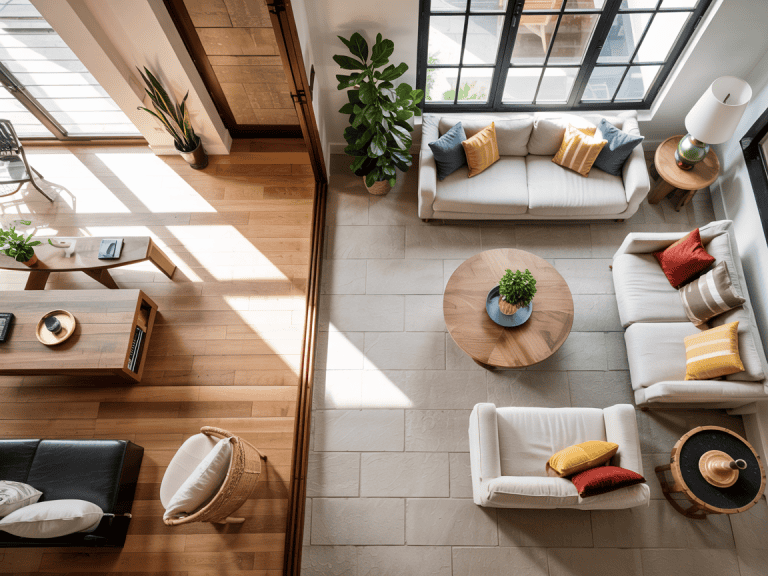
It’s about bringing the outside in. You’ll see a lot of wood, stone, wool, and plants. These textures add warmth and prevent the space from feeling clinical. Real people learn that their mood is directly tied to their environment’s connection to nature. Adding a fiddle-leaf fig or a simple vase of fresh branches isn’t just decor; it’s a daily reminder of the seasons. It grounds you.
In urban apartments, this can be challenging. But the lesson is adaptable. It might mean choosing a linen curtain instead of polyester. It might mean using warm-toned bulbs instead of harsh LEDs. It’s about creating a sensory experience that feels organic. Residents report feeling calmer and more connected to the rhythm of the day. When you wake up with sunlight hitting a wooden floor, it feels different than waking up to a beige carpet under fluorescent light. It’s a subtle shift, but it changes how you feel in your body. You learn to respect the light. And in turn, it respects you.
The Social Shift: Hosting Without Stress
Let’s talk about guests. For many, the idea of having people over is stressful. Is the house clean? Is there enough seating? Do I have nice plates? Scandinavian minimalism flips this script. Because your space is already curated and functional, hosting becomes easier. You don’t need to hide piles of junk in the closet before friends arrive. Your home is always ready.
But more importantly, the focus shifts from impressing people to connecting with them. The aesthetic encourages gathering. Large dining tables, comfortable seating areas, soft lighting. It’s designed for conversation. People learn that they don’t need a formal dining room to host a dinner party. A simple table with good food and good company is enough.
This lowers the barrier to socializing. You find yourself inviting people over more often. The pressure to be perfect fades. After all, if a scratch appears on that solid wood table, it’s just a story. It’s character. Real people learn that their home is a tool for connection, not a showroom for judgment. This builds stronger communities. Neighbors drop by. Friends linger longer. The home becomes a hub of warmth rather than a source of anxiety. It’s liberating to realize that your worth isn’t tied to how pristine your baseboards are.
Finally, there’s the environmental angle. While many start this journey for aesthetic or mental health reasons, they quickly realize the ecological impact. Buying less means less waste. Choosing durable goods means less landfill contribution. Using natural materials means fewer toxins in your home. In 2026, sustainability isn’t just a nice-to-have; it’s a necessity.
People learn that minimalism is inherently green. It’s not about buying "eco-friendly" products in bulk. It’s about not buying at all. It’s about repairing that chair instead of tossing it. It’s about borrowing a tool from a neighbor instead of buying one you’ll use once. This mindset shift ripples out into other areas of life. You start wasting less food. You consume less media. You drive less.
It becomes a holistic approach to living. You feel good knowing your lifestyle aligns with your values. There’s no greenwashing here. Just simple, honest choices. Real people find a sense of purpose in this. They aren’t just cleaning their house; they’re participating in a larger movement toward responsibility. It’s empowering. You realize that your small actions at home contribute to a healthier planet. And that feels pretty good. It adds a layer of meaning to the act of decluttering. It’s not just about you. It’s about everyone.
So, what’s the takeaway? Scandinavian minimalism isn’t a rigid set of rules. It’s not about counting your possessions or painting everything white. It’s a lens through which you view your life. It teaches you to value space, light, and connection. It shows you that less really can be more—if "more" means more time, more peace, and more joy.
You don’t have to overhaul your life overnight. Start small. Clear one shelf. Let in some light. Ask yourself what you truly need. See how it feels. You might find, like so many others have, that the space you create isn’t just in your home. It’s in your mind. And that’s a gift worth giving yourself.