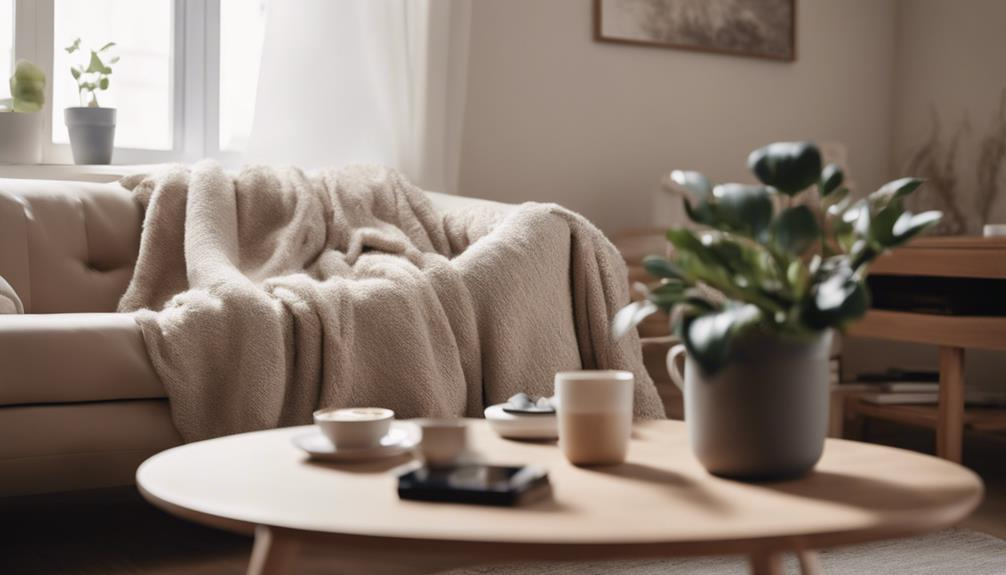
We’ve all seen it. That Instagram-perfect living room with stark white walls, a single grey sofa, and absolutely nothing else. It looks clean, sure. But does it look livable? Probably not. There is a huge difference between a showroom and a home, yet so many of us fall into the trap of thinking Scandinavian design means stripping away every ounce of personality until we are left with a sterile box. It’s a misunderstanding that has plagued interior trends for years, and honestly, it’s time we set the record straight.
The truth is, true Nordic style isn’t about emptiness. It’s about intentionality. It’s about creating a sanctuary that protects you from the long, dark winters while celebrating the brief, bright summers. When we get it wrong, our homes feel cold and uninviting. But when we get it right? Magic happens. You walk in and immediately exhale. That feeling has a name—hygge—and it’s not something you can buy off a shelf. It’s cultivated through thoughtful choices, natural materials, and a deep respect for comfort. Let’s look at where things usually go sideways and how to gently steer them back on course.
The Trap of the Sterile White Box
One of the biggest misconceptions is that Scandinavian design equals all-white everything. While light colors are essential for maximizing natural light during those short winter days, an overdose of bright white can make a space feel clinical rather than calming. In 2026, we are seeing a shift away from pure white towards warmer, earthier neutrals. Think creamy off-whites, soft beiges, and gentle greys. These tones reflect light just as well but add a layer of warmth that stark white simply cannot achieve.
If your walls feel too cold, don’t panic. You don’t need to repaint the whole house tomorrow. Start by introducing warmth through your textiles and accessories. Swap out crisp white linen curtains for ones in a natural oatmeal shade. Add a rug with subtle cream and tan variations instead of a solid bright white one. The goal is to create depth. A monochromatic palette works beautifully, but only if there is variation in tone and texture. Without that nuance, the eye has nowhere to rest, and the room feels flat.
Another quick fix is lighting. Harsh overhead lights exacerbate the coldness of white walls. Instead, layer your lighting. Use floor lamps with warm-toned bulbs (aim for 2700K to 3000K) to cast a golden glow against the walls. This simple change transforms the perception of the color itself, making whites appear softer and more inviting. It’s a small tweak with a massive impact on the mood of the room.
Ignoring Texture and Natural Materials
Scandinavian design is deeply rooted in nature. The forests, lakes, and rocky coastlines of the Nordics inspire a material palette that is organic and tactile. A common blunder is relying too heavily on synthetic materials or smooth, mass-produced surfaces. When every surface is sleek laminate or polished plastic, the space loses its soul. It might look modern, but it doesn’t feel grounded.
To correct this, bring the outdoors in. Wood is non-negotiable. Whether it’s oak flooring, pine furniture, or birch accents, wood adds immediate warmth and character. But don’t stop there. Look at what you are touching. Are your throw pillows made of polyester? Switch them for wool, chunky knit cotton, or sheepskin. These materials invite touch. They signal to your brain that this is a safe, comfortable place to relax. In fact, recent design surveys show that homes incorporating at least three different natural textures report higher satisfaction levels regarding comfort and coziness.
Mixing materials is key. Pair a smooth leather chair with a rough-hewn wooden side table. Place a soft faux fur rug over hardwood floors. Contrast a glass vase with a woven seagrass basket. This interplay of textures creates visual interest without adding clutter. It keeps the minimalist aesthetic intact while ensuring the space feels rich and layered. Remember, minimalism isn’t about having less stuff; it’s about having better stuff. And better stuff usually means natural, durable, and textured.
Cluttering the Minimalist Space
There is a fine line between minimalism and emptiness, and another fine line between curated and cluttered. Many people misunderstand minimalism as having nothing on display. This leads to barren shelves and empty countertops that feel uninhabited. On the flip side, others try to hide their clutter behind closed doors, resulting in a lack of personal expression. Both approaches miss the mark. True Scandinavian minimalism is functional and personal.
The fix here is curation. Instead of hiding everything, choose a few meaningful items to display. A stack of favorite books, a ceramic vase from a local artist, or a framed family photo. These items tell your story. They break up the clean lines and add humanity to the space. The rule of thumb is quality over quantity. If an item doesn’t serve a function or bring you joy, it probably doesn’t belong. But if it does, let it shine. Give it space to breathe. Don’t crowd it with other knick-knacks.
Storage is also crucial. Scandinavian design is famous for its smart storage solutions because clutter is the enemy of calm. Invest in furniture that doubles as storage, like ottomans with hidden compartments or beds with drawers underneath. Keep surfaces clear not because you have nothing, but because you have a place for everything. This intentional approach reduces visual noise and creates a sense of order that is deeply soothing to the mind. It’s not about restriction; it’s about freedom from chaos.
Neglecting the Hygge Factor
Hygge is often thrown around as a buzzword, but it’s really the heart of Scandinavian living. It’s that feeling of cozy contentment and well-being through enjoying the simple things in life. A major blunder is designing a space that looks good in photos but fails to support actual living. If your chairs are too stiff to lounge in, or your lighting is too bright for evening relaxation, you are missing the point. Comfort must come first.
Start with seating. Sofas and chairs should be deep, soft, and inviting. Add plenty of cushions and throws within arm’s reach. The idea is that anyone sitting down should feel instantly enveloped in comfort. Lighting plays a huge role here too. Avoid harsh, direct light in the evenings. Use candles—real or flameless LED ones—to create flickering, ambient light. There is something primal and calming about candlelight that electric lights struggle to replicate.
Don’t forget the sensory details. Scent matters. A subtle hint of pine, cedar, or vanilla can enhance the cozy atmosphere. Sound matters too. Consider how sound travels in your space. Soft furnishings like rugs and curtains help dampen echoes, creating a quieter, more intimate environment. Hygge is holistic. It’s about engaging all the senses to create a bubble of tranquility. When you prioritize these elements, your home becomes a retreat from the outside world.
Overlooking Sustainability and Longevity
In 2026, sustainability isn’t just a trend; it’s a necessity. Scandinavian design has always valued longevity and quality, but modern fast-furniture culture has diluted this principle. A common mistake is buying cheap, trendy pieces that will end up in a landfill in a few years. This contradicts the core Nordic value of respecting nature and resources. Authentic Scandinavian style is built to last.
Choose pieces that are timeless rather than trendy. A well-made wooden dining table will look just as good in twenty years as it does today. Look for furniture made from sustainable materials like FSC-certified wood or recycled metals. Support brands that prioritize ethical production and durability. It might cost more upfront, but the cost per use over time is often lower. Plus, knowing your furniture was made responsibly adds a layer of satisfaction that cheap disposables never can.
Consider second-hand and vintage finds. Scandinavians have a long tradition of valuing pre-loved items. A vintage mid-century chair or a retro glass lamp adds character and history to your home. It’s also one of the most sustainable choices you can make. By giving old items a new life, you reduce waste and create a unique space that reflects your individual taste. Every choice adds up. Start small: swap one synthetic throw for organic linen, or choose a vintage lamp over a new one.
Finally, the most frequent blunder is forgetting that this is your home. Scandinavian design provides a framework, not a rigid set of rules. Too many people strip away their personality in an attempt to achieve a "pure" look. The result is a space that feels generic and impersonal. It might look like a page from a catalog, but it doesn’t feel like home.
Inject your personality through art, color accents, and hobbies. Do you love painting? Display your work. Are you an avid reader? Make your bookshelf a focal point. Do you travel? Showcase souvenirs that have meaning to you. Color shouldn’t be feared either. While neutrals dominate, pops of muted blue, sage green, or terracotta can add vitality and reflect your personal style. These accents break the monotony and make the space uniquely yours.
Remember, the goal is balance. Keep the foundation simple and neutral, then layer in your personal touches. This ensures the space remains calm and uncluttered while still feeling lived-in and loved. Your home should be a reflection of who you are, not just what is currently fashionable. When you blend the principles of Scandinavian design with your own narrative, you create something truly special. It’s authentic, it’s warm, and it’s unmistakably you.
So, take a look around your space. Does it feel cold? Add some wood and wool. Is it cluttered? Curate and store. Does it lack soul? Add your story. Fixing these blunders isn’t about a complete overhaul. It’s about small, mindful adjustments that bring warmth and authenticity back into your home. And isn’t that what we’re all really looking for? A place that feels good, inside and out.