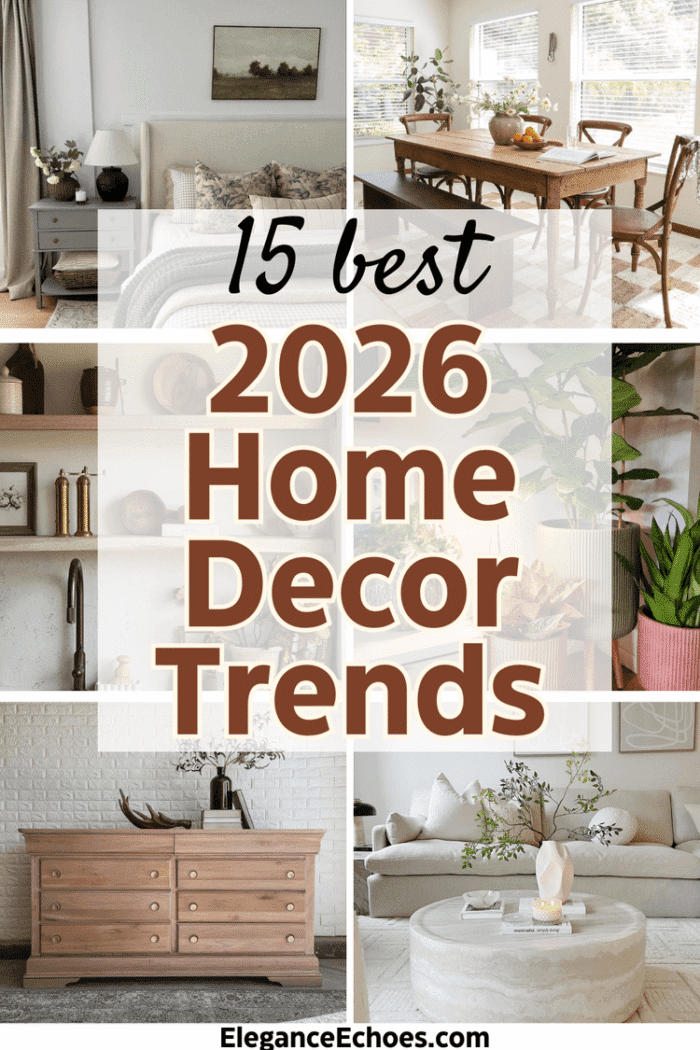
The heavy, sterile gray of the past decade is finally losing its grip on our homes. For years, we retreated into algorithmic safety—swathed our walls in clinical white, bought modular boxy sofas that looked great in a digital ad but felt punishingly rigid in reality, and stripped away any trace of human error from our living spaces. We optimized for resale value instead of emotional resonance.
Yet, step into a cutting-edge home right now, and the atmosphere shifts immediately. The air feels softer, infused with the scent of unsealed stone, raw timber, and heavy woven wools. Rooms no longer look like static showrooms staged for a quick scroll on social media; instead, they breathe, shift, and welcome the messy, beautiful reality of human life. This transformation marks a definitive cultural pivot away from sterile perfectionism.
We are living through a profound exhaustion with the generic. The design landscape is undergoing a massive recalibration, favoring spaces that act as psychological sanctuaries rather than status symbols. This shift is not merely about swapping out throw pillows or painting an accent wall; it is a fundamental restructuring of how our homes support our well-being. By moving beyond safe choices, we are redefining luxury as a deep connection to materials, history, and physical comfort.
The Death of Cool Grey and the Rise of Immersive Color Drenching
The era of the monochromatic cool grey interior is officially over. For nearly fifteen years, developers and homeowners relied on pale greys and stark whites as a risk-free baseline, assuming neutral meant universally appealing. That assumption has shattered. Today, color is treated not as an afterthought or a superficial surface treatment, but as an immersive atmospheric medium. Color drenching—where walls, baseboards, crown molding, and even ceilings are saturated in the exact same pigment—has become the standard tool for turning boxy, uninspired rooms into enveloping sanctuaries.
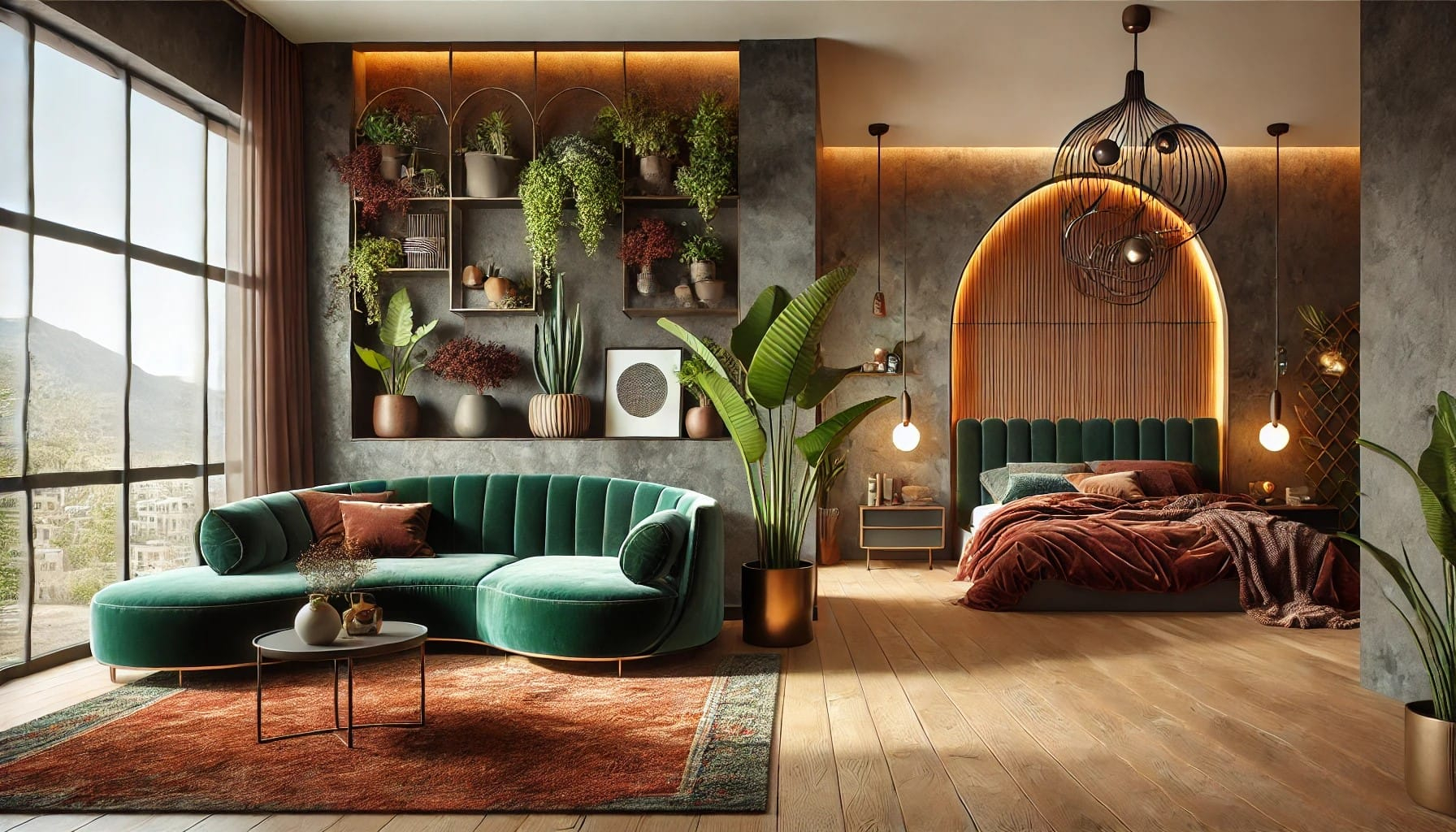
This technique alters spatial perception completely. Instead of highlighting architectural flaws or sharp corners with contrasting trim, color drenching blurs boundaries, making small rooms feel infinitely deep and large rooms feel intimately grounded. The palette itself has evolved dramatically. We are seeing a massive surge in rich, earthy pigments: calcified terracotta, moody olive, oxidized copper, and deep mushroom tones that shift dynamically as natural light changes throughout the day. These hues absorb light rather than reflecting it harshly, creating an immediate sense of calm that clinical whites could never achieve.
Choosing these complex, saturated hues requires a radical departure from traditional paint selection methods. Homeowners are abandoning tiny paper swatch cards in favor of large-format sample boards painted directly onto drywall, observing how morning sun and artificial evening bulbs transform the undertones. When you wrap a room in a single, deeply pigmented shade, the architecture steps back, and the human element—the art you collect, the textiles you drape, the people who inhabit the space—comes into sharp, vivid focus.
Biomorphic Architecture and the Ascendancy of the Cocoon Aesthetic
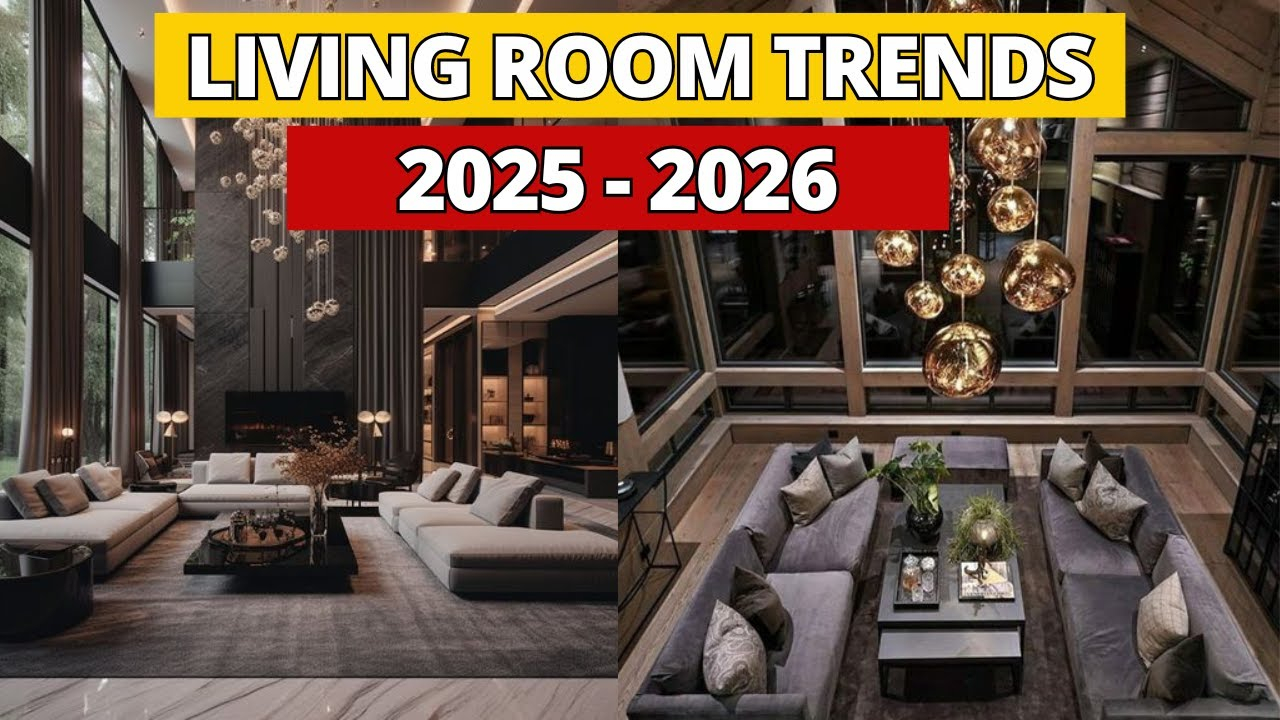
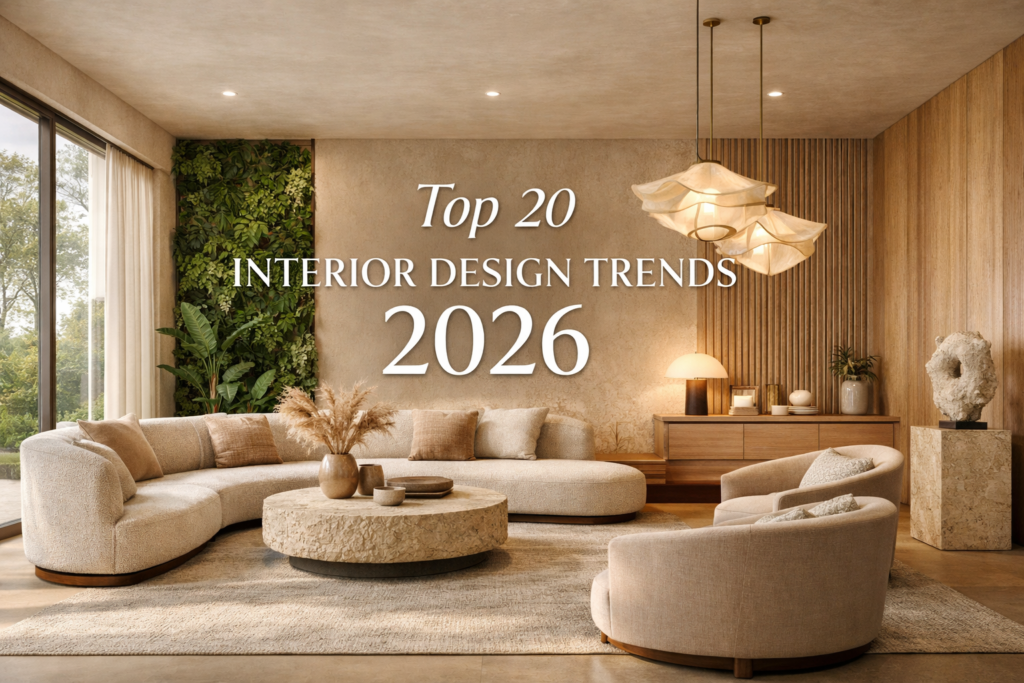
Rigid lines and sharp 90-degree angles are rapidly receding from contemporary floor plans. In their place stands the "Cocoon" aesthetic, a movement defined by voluptuous, biomorphic shapes that consciously echo the human form and the natural world. Sofas curve in generous, organic arcs; walls feature hand-trowelled plaster with softly rounded corners; and coffee tables are carved from heavy blocks of travertine or walnut with zero sharp edges. This design philosophy recognizes that our nervous systems respond adversely to aggressive geometric sharpness in our living environments.
This shift extends far beyond furniture silhouettes into the very structure of our interiors. Arched doorways, barrel-vaulted ceilings, and sweeping staircases are replacing the brutalist boxiness of recent architectural trends. The goal is to create flow and tactile comfort. When you move through a home designed around biomorphic principles, your body navigates the space more fluidly. There are no bruised hips from sharp coffee table corners, and no visual friction points that trap the eye.
Implementing this style demands an appreciation for scale and proportion. A heavily curved sofa or an oversized, organically shaped rug requires negative space to breathe. Cramming biomorphic furniture into a cramped, rigidly rectangular room creates visual confusion rather than harmony. Designers are pulling furniture away from the walls, floating sculptural seating arrangements in the center of rooms to celebrate the back-and-forth interplay of shadow and soft contour.
Mindful Maximalism and the Return of Sacred Objects
For a long time, minimalism was equated with emptiness—a relentless curation designed to project an illusion of total control. The antidote taking over homes is mindful maximalism, a philosophy that celebrates abundance, history, and personality without descending into chaotic clutter. This movement rejects mass-produced decor in favor of curated storytelling. Every piece on display—from a weathered ceramic vessel found at a coastal market to a centuries-old tapestry hung with hand-forged iron brackets—serves an emotional purpose.
Mindful maximalism thrives on juxtaposition. Sleek, modern architectural elements are paired with homespun, lived-in textiles like heavy linen, raw silk, and unrefined wools. The visual weight of a room is balanced through rich layering. Books are stacked vertically and horizontally; art frames lean casually against walls rather than hanging with rigid mathematical precision; and collections are displayed with intentionality, honoring the provenance of each item. This style demands curation over consumption.
The economic and psychological value of this shift is profound. By investing in meaningful objects that carry narrative weight, homeowners break free from the exhausting cycle of fast-furniture trends. A room layered with items gathered over a lifetime cannot be replicated by ordering an entire matching set from a big-box retailer. It takes time, patience, and a willingness to let your home evolve organically, resulting in spaces that feel utterly unique to their inhabitants.
Step-by-Step Methodology for Transitioning Away from Safe Design Choices
Transforming a home that relies on safe, neutral defaults into a deeply personal, movement-driven sanctuary requires a strategic roadmap. Rumping headfirst into bold colors and radical silhouettes without a plan often leads to visual fatigue and costly mistakes. Follow this structured framework to overhaul your space with absolute confidence.
- Step 1 (Audit the Existing Architecture): Walk through every room and identify hard, rigid lines, cold finishes, and uninspired surfaces that need softening, noting where natural light hits throughout the day to inform future color choices.
- Step 2 (Establish an Emotional Palette): Ditch standard white and grey chips; select three to four rich, earthy, or saturated pigments that evoke a specific emotional state and test them on large wall boards over 48 hours.
- Step 3 (Introduce Biomorphic Shapes): Replace one or two anchor furniture pieces—such as a rigid media console or a boxy sofa—with sculptural, curved alternatives that invite physical touch and soften room flow.
- Step 4 (Layer with Artisanal Textiles): Introduce tactile warmth by hanging heavy textiles, swapping out synthetic rugs for natural wool or jute, and incorporating unrefined linens and tactile ceramics across flat surfaces.
- Step 5 (Curate with Mindful Maximalism): Gather objects with personal narrative weight, grouping them intentionally to tell a story while eliminating mass-produced decor that lacks emotional resonance.
Common Pitfalls and Field-Tested Workarounds for 2026 Interiors
Moving beyond safe choices is liberating, but it introduces distinct design hazards. Without careful execution, bold design choices can quickly turn a home from a sophisticated sanctuary into an overwhelming or claustrophobic environment. Recognizing these common traps allows you to sidestep costly errors before they happen.
- Pitfall 1 (Over-Drenching Small, Dark Rooms): Drenching a north-facing room in a moody, light-absorbing pigment without adjusting lighting can make the space feel cave-like and depressing; the workaround is to layer warm 2200K-2400K architectural lighting and introduce reflective metallic accents like unlacquered brass.
- Pitfall 2 (Clashing Organic Silhouettes): Introducing too many competing biomorphic curves in a small footprint creates visual chaos; the workaround is to anchor curves with a single rectilinear architectural baseline, such as a clean-cut fireplace or a straight gallery wall.
- Pitfall 3 (Surface Monotony in Maximalism): Layering multiple items without varying material textures results in a flat, dusty look; the workaround is to strictly balance matte finishes (plaster, raw wood) with high-touch elements (ceramics, heavy weaves, polished stone).
- Pitfall 4 (Buying Trendy Sculptural Furniture Impulsively): Purchasing viral organic-shaped furniture online without checking ergonomics often leads to pieces that look stunning in photos but are deeply uncomfortable to use; the workaround is to physically test seat depths and back angles before committing.
- Pitfall 5 (The Museum Trap): Curing a room so meticulously that it feels untouchable defeats the purpose of the cocoon aesthetic; the workaround is to intentionally leave surfaces partially lived-in, featuring open books and well-used trays that invite human interaction.
The Long-Term Economic and Sustainable Value of Intentional Design
The design choices we make for our homes carry profound ecological and financial implications. For decades, the fast-furniture economy encouraged a disposable mindset, where sofas and decor were treated as seasonal items to be replaced every few years. The movements defining contemporary interiors represent a decisive rejection of this waste. By prioritizing longevity, raw materials, and artisanal craftsmanship, homeowners are participating in a sustainable shift that reduces landfill waste and honors the finite resources of our planet.
Investing in solid timber, natural stone, unlacquered metals, and hand-woven textiles means buying pieces that age with dignity. Unlike synthetic veneers and fast-assembly particle board, natural materials develop a rich patina over time. A travertine coffee table or a solid walnut dining chair gains character from the minor scuffs and marks of daily life, telling a visual story of the home’s history. This durability transforms interior design from an ongoing expense into a long-term capital investment.
Furthermore, designing with intention directly impacts our mental health and daily productivity. When our homes are engineered to soothe our nervous systems through biomorphic geometry, acoustic dampening via heavy textiles, and grounding color palettes, our baseline stress levels drop significantly. Your home ceases to be a storage unit for your possessions and becomes an active participant in your overall wellness, providing a reliable refuge against an increasingly noisy digital world.
Practical Recommendations for Crafting Your Personal Sanctuary
Translating macro design movements into your specific living space requires balancing trend awareness with personal authenticity. You do not need to gut-renovate your entire house to embrace the design philosophies shaping modern interiors. Start by evaluating how you actually use your space. If your living room is currently organized strictly around a television screen, consider pivoting the layout to encourage conversation, reading, and contemplation.
Prioritize sensory engagement in every room. Introduce tactile variety by mixing rough-hewn stone with ultra-soft upholstery, and engage your sense of smell and sight through natural wood burners, beeswax candles, and raw clay ceramics. When selecting new items, ask yourself whether the piece will look better in five years than it does today. If the answer is yes, you are investing in true quality rather than temporary decoration.
Finally, give your home permission to remain unfinished. The most compelling spaces are those that evolve slowly over years, reflecting the changing tastes, travels, and experiences of the people who live within them. By letting go of the pressure to achieve a sterile, catalog-perfect finish, you open the door to a home that is genuinely alive, deeply comfortable, and entirely your own.
The shift away from safe, sterile interior design choices marks a mature turning point in how we relate to our private spaces. We are finally recognizing that a home should not be an antiseptic museum designed to impress strangers on the internet, but a deeply personal ecosystem designed to sustain our humanity. By embracing immersive color, organic architecture, and mindful curation, we reclaim our homes as genuine sanctuaries.
As we look toward the future, this emphasis on intentionality and tactile authenticity will only deepen. The boundary between our physical interiors and our mental well-being has never been more porous, and the design choices we make today are shaping the quality of our everyday lives tomorrow. Take the risk, break the safe mold, and build a home that truly breathes with you.