Step into a room that feels flat, sterile, and entirely uninspired, and you instantly recognize the void. The walls might sport a coat of trending neutral paint, the furniture might be sleek and functional, yet the space feels hollow—like a musical score played by a single, unvaried instrument. Human beings are sensory creatures wired for nuance. We crave visual rhythm, tactile contrast, and spaces that mirror the complex, layered realities of our inner lives. When a home lacks these dimensions, it fails to offer refuge or inspiration.
Fixing this spatial dissonance requires a shift in perspective. Moving beyond rigid interior design rules, the most compelling homes are composed much like a classical symphony. Every element—from the high-gloss sheen of a lacquered credenza to the coarse, looping weave of a vintage wool rug—acts as a distinct note, timbre, or tempo. By intentionally layering colors, textures, and deeply personal details, you stop decorating rooms and start composing an environment that breathes, evolves, and resonates with your lived experience.
This philosophy rejects the notion of instant, turnkey perfectionism popularized by mass-market catalogs. Instead, it invites a slower, more deliberate curation. It asks you to think about how a muted ochre wall shifts its character under the amber glow of a vintage brass lamp, or how the rough grain of reclaimed white oak flooring grounds a room filled with gossamer linen curtains. The home becomes a canvas where visual weight, tactile variety, and narrative history intersect to create something entirely unique.
The Architectural Foundation of Visual Harmony and Color Chords
Every great composition begins with a foundational structure, and in interior spaces, that foundation is established through the deliberate manipulation of color and scale. Color is rarely experienced in isolation; it behaves dynamically, shifting its emotional resonance depending on what sits adjacent to it. Designing a cohesive color chord means moving past monochromatic safety nets and embracing a sophisticated palette of dominant, secondary, and accent tones. Think of the dominant wall color as the cello section—providing a deep, continuous baseline—while furniture acts as the mid-range woodwinds, and smaller decor pieces serve as the sharp, piercing notes of brass and percussion.
Achieving depth requires understanding value and saturation rather than just chasing trending hues. A room painted entirely in flat, high-saturation pastel will quickly induce visual fatigue, while a space built on tonal variation—pairing chalky lime-wash walls with deep charcoal trim and dusty terracotta accents—creates an immediate sense of architectural maturity. This approach mimics natural landscapes, where colors are rarely uniform. The eye needs places to rest and places to awaken, moving fluidly across gradients of light and shadow.
Light acts as the conductor in this visual orchestra. Natural daylight changes dynamically from the cool, blue-tinted dawn to the warm, golden cascades of late afternoon. Selecting colors without observing how they react to changing sunlight is akin to writing a symphony without hearing the instruments. Testing large swatches of paint directly on the wall, observing them across twenty-four hours, ensures that your color chord maintains its emotional integrity whether the room is flooded with midday sun or illuminated by 2700K warm interior bulbs.
Proportion and repetition tie these color chords together. A distinct accent color, such as a deep forest green or a rich burnt umber, cannot simply exist in one isolated corner of a room; it will feel like a stray note. To create rhythm, this color must be repeated across varying scales—perhaps picked up in the binding of a coffee table art book, the glaze of a ceramic vase on a mantel, and the piping of an armchair. This rhythmic distribution guides the human eye effortlessly around the space, establishing a subconscious sense of balance and calm.
Weaving Tactile Narratives Through Mixed Fibers and Raw Materials
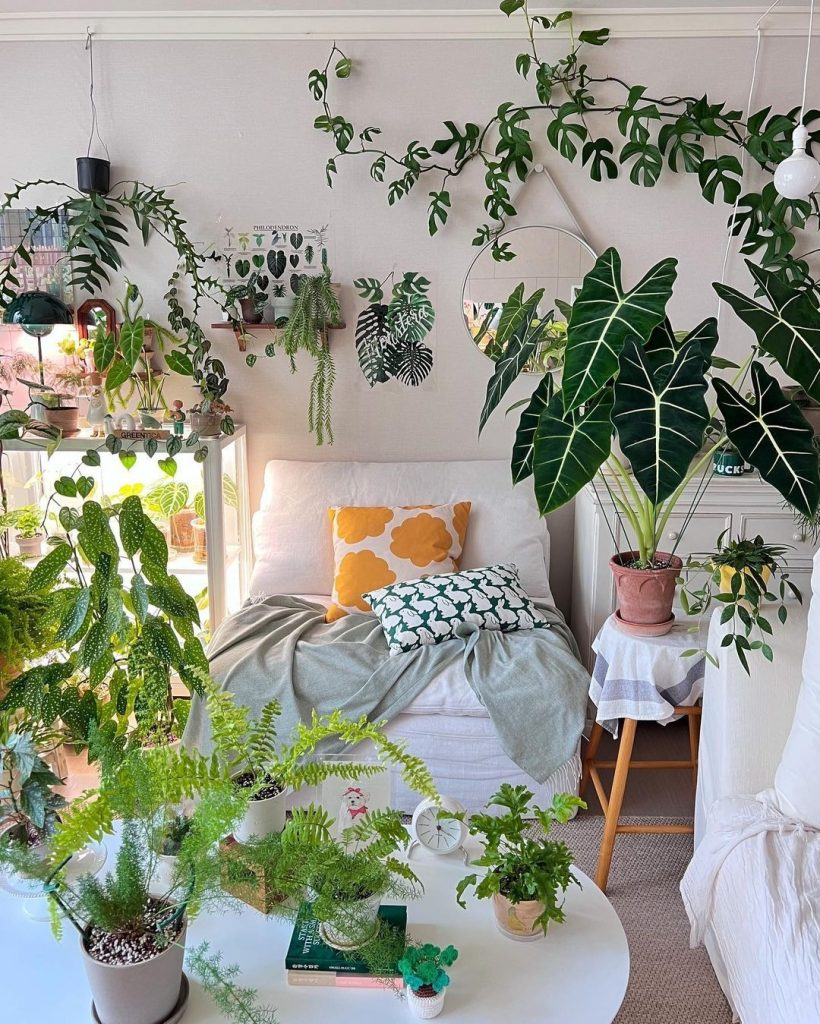
While color establishes the emotional mood, texture provides the physical heartbeat of a room. A space dominated by smooth, synthetic surfaces—leather, polished chrome, and glass—feels frictionless and cold, denying the skin and eyes any sense of grounding. Introducing mixed-fiber creations and raw architectural materials changes the entire dynamic. Combining heavy wool roving, nubby bouclé, raw-edged linen, and distressed leather invites touch, signaling to the brain that this environment is safe, tactile, and deeply engaging.
The art of tactile layering relies on contrast. Placing a sleek, honed marble coffee table atop a thick, high-pile Moroccan Beni Ourain rug creates an immediate dialogue between hard and soft, cold and warm. Similarly, mounting rough-hewn cedar beams against a smooth plaster ceiling introduces a rustic gravity that balances contemporary furnishings. The goal is to avoid monotony by ensuring that no single texture dominates the sensory landscape. Every surface should invite a reaction, whether it is the cool slip of silk velvet or the coarse, organic weave of jute and sisal.
Artisanal craft plays a vital role in this material symphony. Mass-produced decor often features uniform finishes that lack character, whereas handmade ceramics, hand-knotted textiles, and forged iron carry the subtle imperfections of the human hand. These variations create micro-shadows and tactile shifts that catch light differently throughout the day. When you bring these elements into your home, you are not merely filling square footage; you are anchoring the space in physical reality, connecting your daily life to centuries-old traditions of craftsmanship and material manipulation.
Furthermore, textural layering serves a distinct functional purpose by improving room acoustics. Hard surfaces bounce sound waves, turning rooms into echoing chambers that feel frantic and exhausting. Soft textiles—heavy drapery interlined with flannel, upholstered acoustic panels disguised as art, and layered rugs over hardwood floors—absorb high-frequency noise. This creates an acoustically soft environment that feels intimate, quiet, and restorative, proving that tactile design is as much about psychological comfort as it is about visual aesthetics.
A Practical Blueprint for Orchestrating Your Home Environment
Transforming a chaotic room into a harmonious, layered masterpiece requires a systematic, step-by-step approach. Rushing to buy decor pieces all at once usually results in a disjointed collage of impulse purchases. Instead, treat the transformation as a gradual score development, moving methodically from the structural canvas down to the final, personal flourishes.
- Step 1 (Establish the Base Canvas): Begin by stripping the room of visual clutter and evaluating the permanent architectural features. Treat your walls, floors, and primary lighting as the base score, selecting foundational colors and textural finishes like lime-wash, micro-cement, or wide-plank hardwood that will anchor everything else.
- Step 2 (Anchor the Large Scale Furniture): Introduce major functional pieces—such as a sofa, dining table, or bed frame—prioritizing solid textures and neutral, enduring tones. These large items provide the foundational weight and rhythm, ensuring the room does not feel overwhelmed by fleeting patterns or overly trendy silhouettes.
- Step 3 (Layer the Textile Foundation): Bring in softness and movement through foundational textiles. Layer a large natural fiber rug (like jute or sisal) underneath a smaller, patterned vintage or wool rug to define zones, and hang floor-to-ceiling drapery panels that soften hard window frames and manipulate natural light.
- Step 4 (Introduce Mid-Scale Accents and Color Chords): Layer in secondary items such as accent chairs, side tables, and ceramic lamps. This is where you introduce your secondary color chords and contrasting materials—pairing a distressed leather ottoman with a sleek brass floor lamp or a raw wood tray.
- Step 5 (Curate Meaningful Details and Artifacts): Finish the composition by adding personal narrative elements. Display inherited heirlooms, travel-worn objects, hand-bound books, and organic forms like branches or dried grasses that reflect your unique history and inject soul into the space.
Navigating Common Pitfalls and Field-Tested Workarounds
Even with the best intentions, interior composition can easily veer off course. The most common traps usually stem from a lack of editing or an over-reliance on a single design archetype. Recognizing these pitfalls early saves time, money, and emotional energy, allowing you to course-correct before your living room starts resembling a furniture showroom.
- Pitfall 1 (The Matchy-Matchy Trap): Buying an entire living room suite from a single catalog strips a home of its narrative depth. Workaround: Mix eras, styles, and price points. Pair a mid-century modern walnut credenza with an antique gilded mirror and contemporary linen armchairs to build genuine visual tension.
- Pitfall 2 (Over-Patterning and Visual Noise): Using bold patterns on rugs, drapery, pillows, and wallpaper simultaneously creates a chaotic visual symphony with too many soloists and no conductor. Workaround: Follow the 60-30-10 rule for patterns. Keep 60 percent of major surfaces solid or subtly textured, use secondary patterns on 30 percent of medium accents, and reserve bold, high-contrast prints for just 10 percent of small details.
- Pitfall 3 (Ignoring Vertical Scale): Focusing exclusively on eye-level and floor decor leaves the upper half of the room dead and disconnected. Workaround: Draw the eye upward by installing picture rails, hanging tall vertical art pieces, using floor-to-ceiling bookshelves, or suspending statement lighting that utilizes the vertical volume of the room.
- Pitfall 4 (The Sterile Neutral Fallback): Relying entirely on safe, bleached-out neutrals (grays, stark whites, beige) in the name of minimalism results in a sterile environment devoid of human warmth. Workaround: Layer warm, earthy undertones, tactile surfaces like unlacquered brass and blackened steel, and deep, moody accent colors to inject life into neutral spaces.
- Pitfall 5 (Surface Clutter Mistaken for Detail): Equating meaningful details with an accumulation of cheap, mass-produced knick-knacks that collect dust. Workaround: Embrace negative space. Curate fewer, higher-impact objects that tell a genuine personal story, and rotate items seasonally to keep the composition fresh and intentional.
The Broader Impact of Thoughtful Spatial Composition on Well-Being
The environments we inhabit do more than just house our bodies; they actively shape our cognitive functions, emotional regulation, and daily moods. Environmental psychology demonstrates that cluttered, disharmonious spaces elevate cortisol levels, inducing chronic, low-grade stress. Conversely, a home composed with balanced color chords, tactile variety, and meaningful details acts as a spatial buffer against the relentless speed and digital noise of contemporary life.
This approach to home curation also aligns with broader sustainability movements. When you invest time in sourcing vintage furniture, repairing heirloom pieces, and selecting durable, natural materials like wool, linen, and solid timber, you actively reject the disposable culture of fast-interior design. Composing a home in this manner transforms consumption from a passive retail habit into an act of stewardship. Items are no longer temporary commodities meant to be replaced next season; they are permanent members of your domestic orchestra, destined to age, patina, and gather history alongside you.
Economically, this methodology offers profound long-term value. While trend-driven decor depreciates rapidly the moment it enters your home, high-quality, authentic materials and classic silhouettes hold or even increase their emotional and material worth. By prioritizing craftsmanship over fleeting aesthetics, you build a sanctuary that requires fewer overhauls, reducing waste and financial strain while yielding an infinitely more sophisticated living environment.
Ultimately, this way of living encourages a deeper connection to the physical world. In an era dominated by screens, glass interfaces, and virtual spaces, our hands and eyes are starved for tactile reality. Running your hand over the hand-carved arm of a vintage chair, watching the morning light catch the varied weave of a wool tapestry, or noticing the subtle patina on a brass candlestick anchors you firmly in the present moment. Your home ceases to be a background setting and becomes an active participant in your well-being.
Core Recommendations and Frameworks for Sustained Home Harmony
Sustaining a beautifully composed home requires a shift from a project-based mindset to a philosophy of continuous curation. A symphony is never truly finished; it is performed, interpreted, and occasionally rearranged as the orchestra evolves. Adopting a few foundational frameworks ensures that your living space maintains its resonance and personal relevance over the years.
- Adopt the One-In, One-Out Rule: To prevent your carefully curated space from sliding back into clutter, commit to removing one object for every significant new item you introduce, ensuring that every piece maintains its distinct purpose and visual weight.
- Embrace Seasonal Remapping: Just as an orchestra changes its repertoire, rotate your textiles, throw pillows, and tabletop objects seasonally—transitioning from heavy wools and deep terracottas in winter to crisp linens and sun-washed indigos in summer.
- Prioritize Patina and Aging: Select materials that improve with time—such as vegetable-tanned leather, unsealed brass, and reclaimed wood—allowing the inevitable scuffs and marks of daily life to enrich the overall composition rather than ruining it.
- Curate with Personal Narrative: Resist the urge to buy decor solely for aesthetic completion; instead, collect objects that document your travels, relationships, and passions, ensuring your home tells a story that no interior designer could replicate from a catalog.
Composing a symphony at home is an act of translation. It takes the abstract fragments of who you are—your memories, your aesthetic leanings, your need for comfort and inspiration—and translates them into a physical language of color, texture, and light. It demands patience, a willingness to edit, and the courage to stray from algorithmic design trends in favor of something deeply personal and enduring.
As you look around your living spaces, remember that perfection is the enemy of resonance. A home that feels too pristine often feels uninhabitable, whereas a space built through thoughtful layers invites life, gathering, and quiet contemplation. Start small—adjust the lighting in a neglected corner, drape a heavy wool throw over a stiff armchair, or display an inherited object that has sat hidden in a box for years.
Listen to the room as it responds. Notice how the shadows lengthen in the afternoon, how the textures soften the acoustics, and how the colors hold you in a sense of quiet belonging. By treating your home as a living composition, you create more than a stylish interior—you forge a sanctuary that honors your past, anchors you in the present, and inspires whatever comes next.