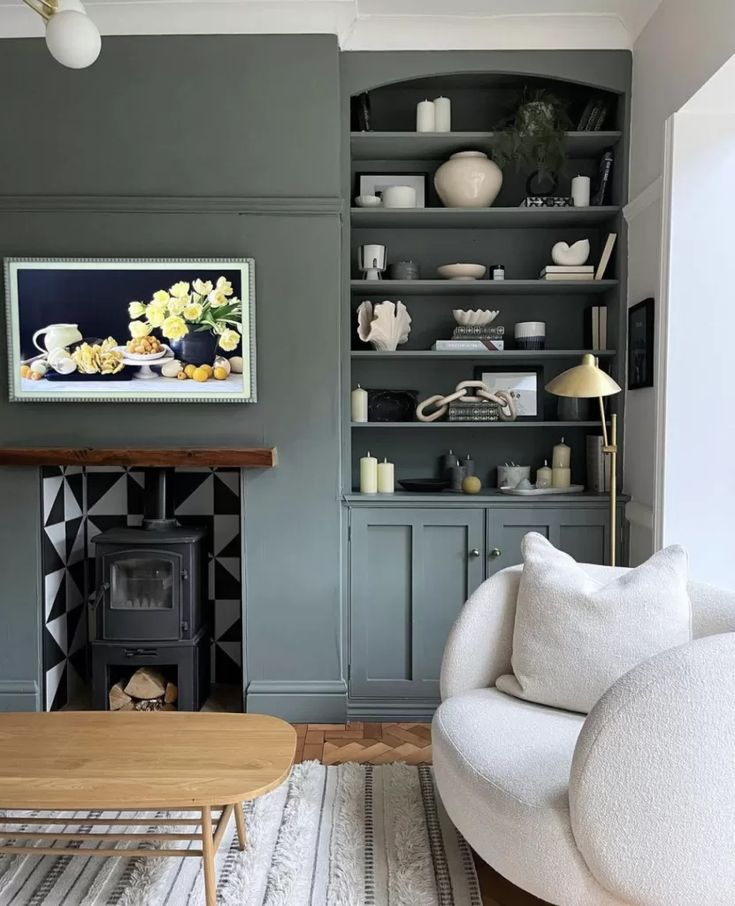
There is a distinct, suffocating weight that settles into your chest when you cross the threshold of an undersized apartment living room after a grueling workday. You drop your keys on a surface that doubles as a dining table and a home office, step delicately around a coffee table that bites your shins, and realize your field of vision is entirely blocked by oversized, overstuffed upholstery. It feels less like a home and more like a storage unit you happen to sleep in.
We have all been sold the lie that domestic peace requires square footage. Architectural trends and glossy catalog spreads convince us that a functional living space demands sprawling sectional sofas, massive media consoles, and endless arrays of accent furniture. Yet, living large in a tiny footprint is less about physical expansion and more about optical illusion, psychological breathing room, and radical editorial discipline. You do not need a four-figure design budget or a sledgehammer to knock down drywall; you just need a shift in how you manipulate light, negative space, and visual weight.
Urban housing densities have climbed steadily through 2026, forcing a cultural reckoning with how we inhabit compact spaces. The modern square-foot premium means millions of renters and homeowners are squeezing their lives into rooms measuring less than twelve by twelve feet. Rather than viewing these dimensions as a life sentence of clutter, a new wave of clever interior design treats the constraint as an asset. By harnessing low-cost, high-impact spatial strategies, you can strip away the visual noise and engineer an airy sanctuary that feels twice its actual size.
The Psychology of Negative Space and Visual Weight
The human brain processes tight spaces through an evolutionary lens. When your line of sight is constantly interrupted by blocky obstacles, bulky objects, and competing color palettes, your nervous system interprets the environment as a threat or a barrier. This is why tiny rooms often induce mental fatigue long before physical discomfort sets in. To counteract this, interior architects rely heavily on the manipulation of visual weight—the perceived heaviness or lightness of an object based on its color, material, shape, and density.
Consider the traditional blocky sofa. It sits flat on the floor, swallowing every inch of space beneath it and creating a visual dead zone that registers as dense mass to the eye. Swap that same sofa for a mid-century modern silhouette featuring tapered, exposed wooden legs, and the dynamic shifts entirely. Light passes underneath the furniture piece, allowing the eye to trace the continuous flooring from wall to wall. This unbroken expanse tricks the brain into registering the room as significantly larger than its physical perimeter.
Furthermore, the concept of negative space is your greatest financial ally because it requires subtraction rather than purchase. Most tiny living rooms are not actually too small; they are simply over-edited. Every decorative object, throw pillow, and side table exerts a gravitational pull on the room’s energy. When you systematically remove items that lack utility or profound aesthetic value, the remaining pieces are allowed to breathe. This minimalist discipline costs zero dollars, yet it yields an immediate exponential increase in perceived volume and airiness.
Palette Engineering and Reflective Physics
Color is not merely a coat of paint; it is a thermodynamic and optical tool that dictates how light behaves within a confined room. Dark, saturated pigments absorb light waves, pulling walls inward and creating a cocoon-like atmosphere that can feel intensely cozy, but tragically cramped. Conversely, high-LRV (Light Reflectance Value) paints—shades of crisp chalk white, pale bone, warm alabaster, and ethereal stone—bounce ambient light around the room, effectively dissolving the hard boundaries where walls meet the ceiling.
Achieving an airy sanctuary on a strict budget begins with selecting a cohesive, monochromatic or low-contrast color palette. When your walls, large furniture pieces, and window treatments share similar tonal families, the eye glides effortlessly across the space without stumbling over harsh color breaks. This continuity eliminates visual stutter. You do not need expensive specialty lime-washes or imported Italian plasters to achieve this; standard flat or eggshell acrylic latex paint from your local hardware store, applied with patience, does the heavy lifting.
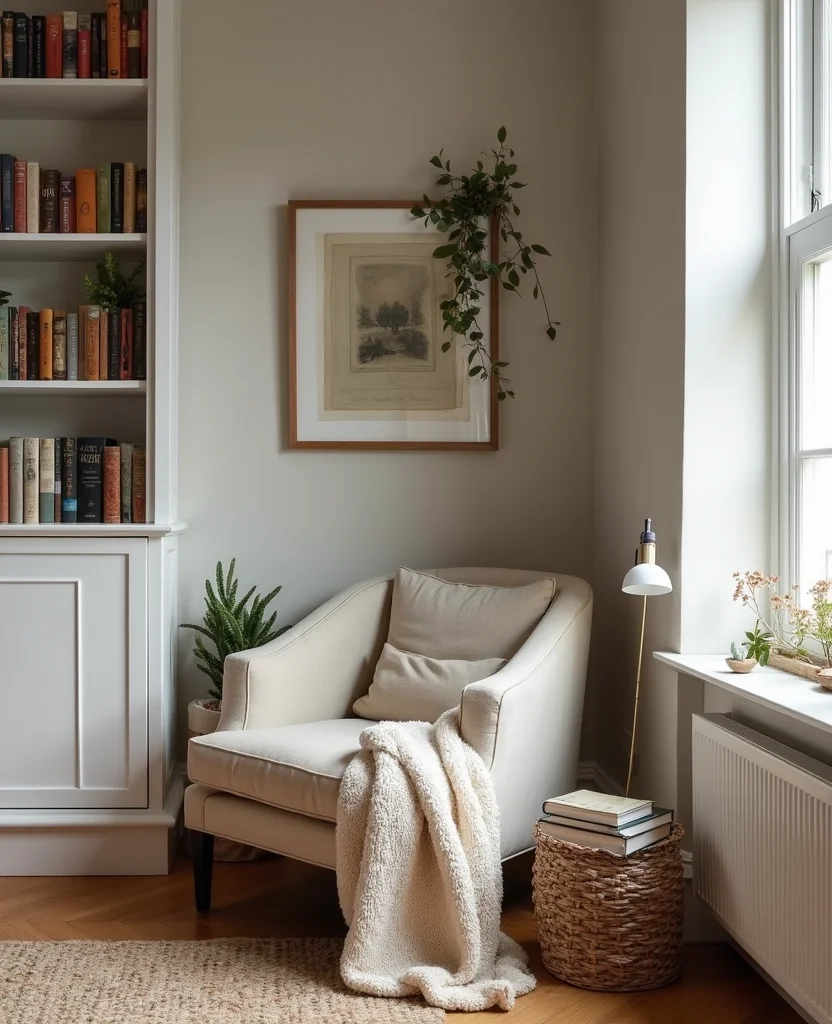
Beyond walls, look critically at your flooring and textile choices. Heavy, dark area rugs chop a tiny room into unceremonious fractional pieces. A large, low-pile jute or sisal rug in a natural oatmeal hue stretches the visual boundaries of the floor plate. Because these natural fibers reflect light differently than synthetic shags, they brighten the lower half of the room. Layering these inexpensive foundational elements creates a textural richness that replaces the need for clutter, proving that simplicity and luxury are deeply intertwined.
The Step-by-Step Blueprint for Engineering Airiness
Transforming a cramped interior into an expansive refuge requires a methodical sequence of actions. Skipping steps or buying furniture before clearing the canvas will only lead to frustration and wasted funds. Follow this systematic field-tested methodology to execute the overhaul without breaking the bank.
- Step 1 (The Brutal Audit and Total Reset): Remove every single movable item from your living room, leaving it completely bare. Clean the baseboards, wash the windows, and stand in the center of the empty room to study its natural architecture, noting exactly where morning and afternoon light falls.
- Step 2 (The Leg Rule & Floating Furniture Swap): Inspect your seating and storage. Sell or donate blocky, floor-touching items on local marketplaces. Replace or modify them with elevated pieces featuring exposed legs—such as wire-frame coffee tables, open-shelf media consoles, and slim-profile armchairs—to maximize floor visibility.
- Step 3 (Vertical Exploitation and Wall Anchoring): Lift your storage off the ground entirely. Install inexpensive floating wooden shelves painted the same color as the wall to make them visually disappear. Mount your television or use slim vertical bookshelves to draw the eye upward toward the ceiling line.
- Step 4 (Light Maximization and Illusionary Glass): Strip away heavy, light-blocking drapes. Install inexpensive ceiling-mounted curtain tracks right beneath the crown molding and hang semi-sheer linen-blend panels that pool slightly on the floor. Add a large, thrifted or budget-friendly frameless mirror opposite your primary window to double the incoming daylight.
- Step 5 (Monochromatic Styling and Textural Editing): Bring back only your most essential items, curated strictly by texture rather than color. Mix smooth ceramic, rough jute, woven cotton, and brushed brass in small doses. Keep surfaces at least seventy percent clear of knick-knacks to preserve that coveted sanctuary feel.
Dodging Budget Traps and Spatial Missteps
Redecorating a tiny space on a budget is fraught with psychological and physical traps that can easily backfire, making your room feel even more cluttered than before. Recognizing these common pitfalls will save you both money and regret.
- Pitfall 1 (Buying "Miniature" Furniture): A common misconception is that tiny rooms require dollhouse-sized furniture. In reality, a collection of tiny pieces creates visual clutter and makes a room look chaotic. Workaround: Instead of many small items, choose one or two well-proportioned, full-scale statement pieces with slim profiles, like a sleek apartment sofa paired with a single comfortable accent chair.
- Pitfall 2 (Over-Reliance on Overhead Lighting): Relying solely on a harsh, central ceiling fixture casts unflattering shadows and shrinks the room’s perimeter. Workaround: Layer inexpensive ambient and task lighting at different heights. Use thrifted table lamps, plug-in wall sconces, and floor uplights to wash the corners in a soft, diffused glow that visually pushes the walls outward.
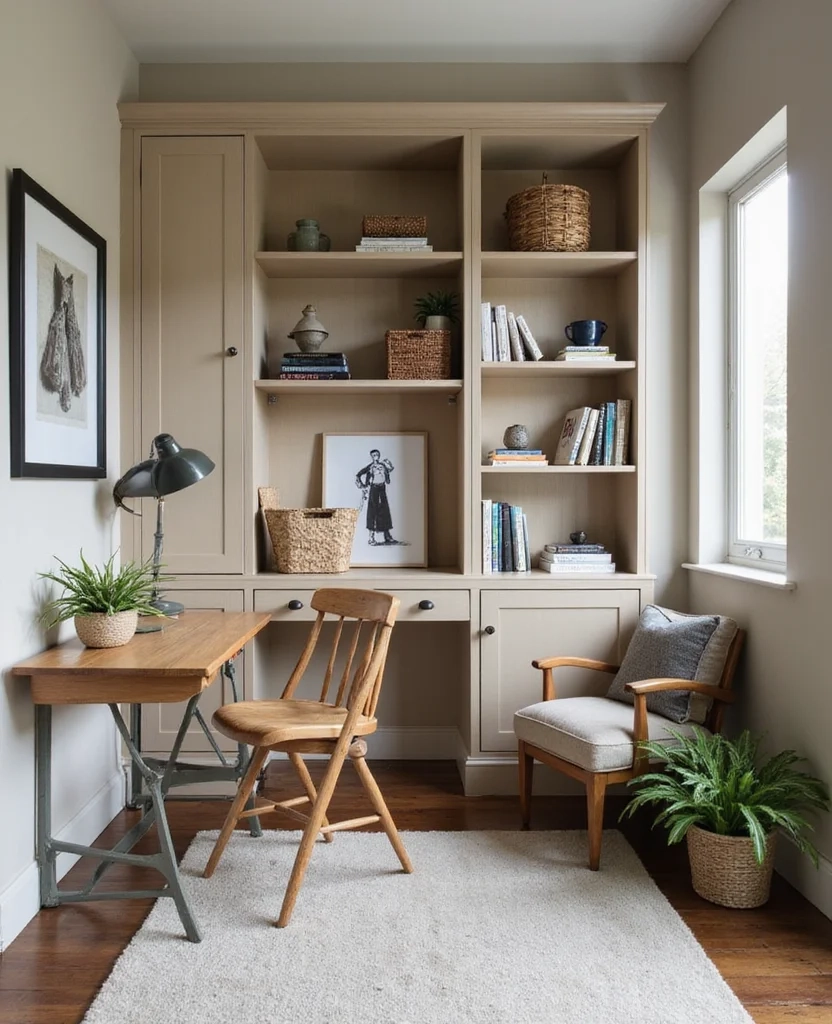
- Pitfall 3 (Ignoring Vertical Real Estate): Piling storage boxes, plants, and decor exclusively on horizontal surfaces crowds your walkways. Workaround: Exploit vertical space by hanging art high, mounting floating ledges, and utilizing tall, narrow storage units that pull the eye upward toward the ceiling.
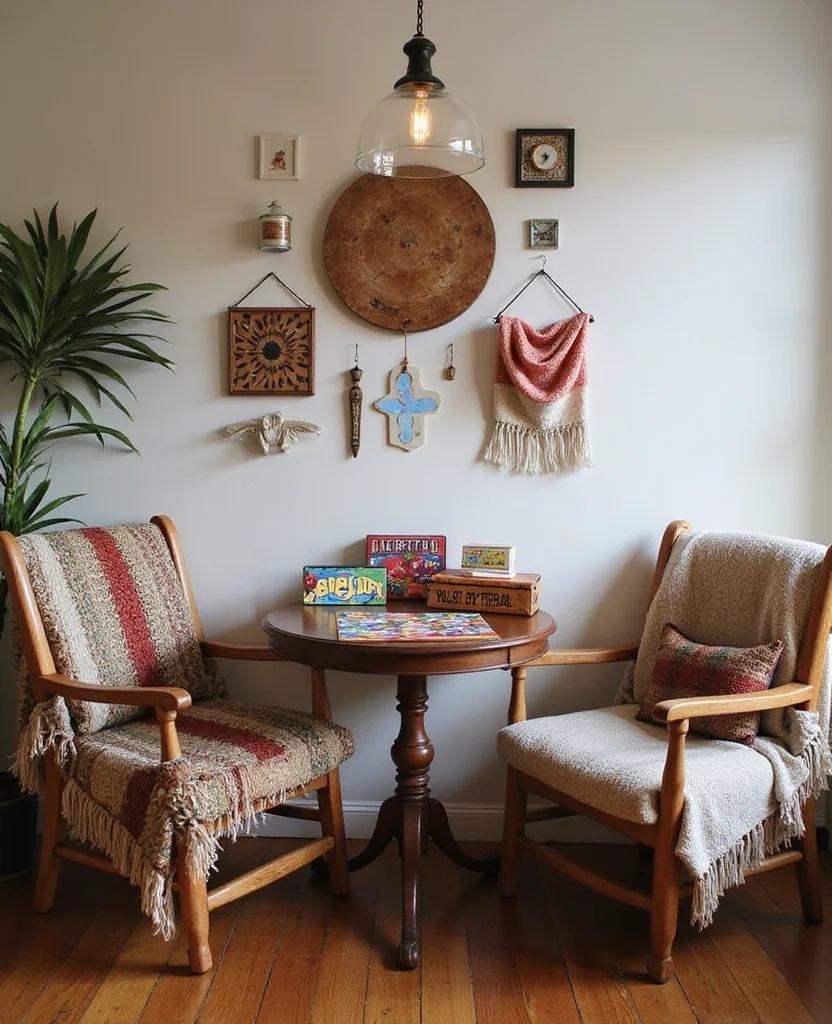
- Pitfall 4 (The Matchy-Matchy Trap): Buying an entire coordinated living room set from a single big-box catalog results in a sterile, flat environment devoid of personality or depth. Workaround: Mix eras, textures, and price points. Pair a modern budget-friendly sofa with a vintage wooden side table found at a flea market to introduce organic character.
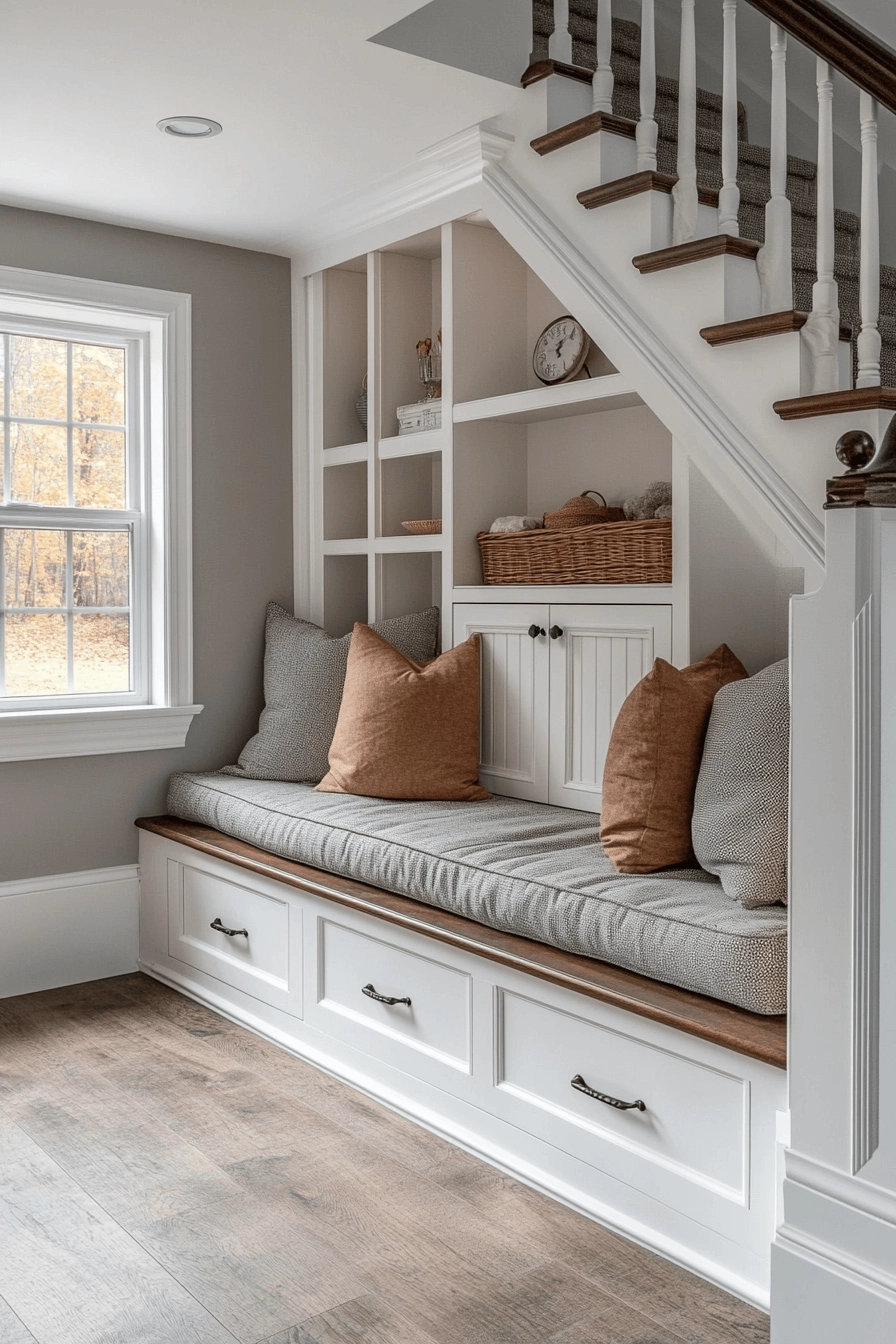
- Pitfall 5 (Clutter Hiding in Clear Containers): Acrylic storage bins and clear boxes are trendy, but if they are packed with visible junk, they still register as visual noise to the human eye. Workaround: Opt for opaque, textured baskets and closed cabinets where items can vanish completely, maintaining clean, uninterrupted sightlines.
The Longevity and Sustainable Economics of Minimalism
Embracing an airy, minimalist aesthetic in a small living room extends far beyond momentary interior design trends; it is an exercise in sustainable domestic economics. When you limit your living space to what is truly essential, your consumption habits naturally shift. You stop buying cheap, disposable decor items that ultimately end up in landfills, and instead invest your limited funds in fewer, higher-quality anchor pieces that withstand daily wear and tear. This intentional approach drastically reduces your carbon footprint while saving you thousands of dollars over the lifespan of your tenancy or homeownership.
Furthermore, a breathable living environment pays immediate dividends in mental health and cognitive efficiency. In an era defined by digital saturation and endless notifications, your physical home should act as a neurological reset button. When your eyes are not constantly assaulted by piles of clutter, disorganized cords, and chaotic color palettes, your cortisol levels drop. The financial barrier to achieving this state is remarkably low—often requiring nothing more than a can of light neutral paint, a few hours of sweat equity, and the courage to part with things you never truly needed in the first place.
As urban housing markets continue to evolve, the ability to curate a spacious feeling within a compact footprint is becoming a masterclass in modern living. It proves that wealth and comfort are not measured by the sheer volume of space you control, but by the mindfulness with which you curate every square inch. By stripping away the non-essential, you reclaim not only your physical square footage, but your peace of mind.
Practical Frameworks for Sustaining Your Airy Sanctuary
Maintaining the pristine airiness of a tiny living room requires establishing micro-habits that prevent clutter from creeping back in through the backdoor. The most beautifully styled room can devolve into a chaotic storage locker within a fortnight if daily maintenance protocols are ignored.
- The One-In, One-Out Rule: For every new decorative item, throw blanket, or book you bring into your living room, an older item must immediately leave the space via donation, sale, or recycling.
- The Nightly Ten-Minute Reset: Dedicate the final ten minutes of your evening to clearing flat surfaces, fluffing pillows, returning stray mugs to the kitchen, and folding throws, ensuring you wake up to a serene, breathable space every morning.
- Concealed Tech Management: Unmanaged cable nests are a primary source of visual anxiety in small rooms. Use inexpensive adhesive cord channels painted to match the wall to route wires cleanly out of sight.
- Seasonal Textile Rotation: Keep your color palette light and airy year-round by swapping heavy woolen throws and dark velvet pillows for lightweight cotton gauze and linen variants during warmer months without buying entirely new decor sets.
The transformation of a tiny living room from a cramped storage zone into an expansive sanctuary is ultimately an exercise in self-discovery. It forces you to confront what you genuinely value, what brings you comfort, and what is merely taking up space in your life. You do not need an architectural degree, a trust fund, or a suburban mortgage to experience the profound luxury of an open, breathable home.
By applying the principles of visual weight, strategic lighting, vertical expansion, and ruthless editing, you take absolute control of your immediate environment. Take a hard look at your space today. Pick up a paintbrush, clear off the floor, and let the light in. Your sanctuary is waiting, hidden quietly beneath the clutter, ready to breathe.