We’ve all been there. You walk through the front door after a long, draining day, drop your keys, and look around. What do you see? Piles of stuff. Sharp plastic edges. Glaring screens. A visual noise that seems to hum louder than the traffic outside. It’s not just messy; it feels heavy. In 2026, as our digital lives become even more immersive and demanding, the need for a physical anchor has never been greater. We are craving something real. Something we can touch that doesn’t beep back at us.
I recently visited a small apartment in the city that felt exactly like that heavy, cluttered trap. The owner, let’s call her Maya, was overwhelmed. Every surface was covered in gadgets, fast-fashion decor, and synthetic fabrics that trapped dust and stress. She didn’t need a bigger house. She needed a different feeling. The transformation wasn’t about throwing everything away—though some did go. It was about changing the texture of what remained. By introducing natural elements, we didn’t just decorate; we changed the energy of the room. It became a sanctuary. And the best part? You don’t need a designer’s budget to do it. You just need to know where to look.
The Psychology of Touch in a Digital World
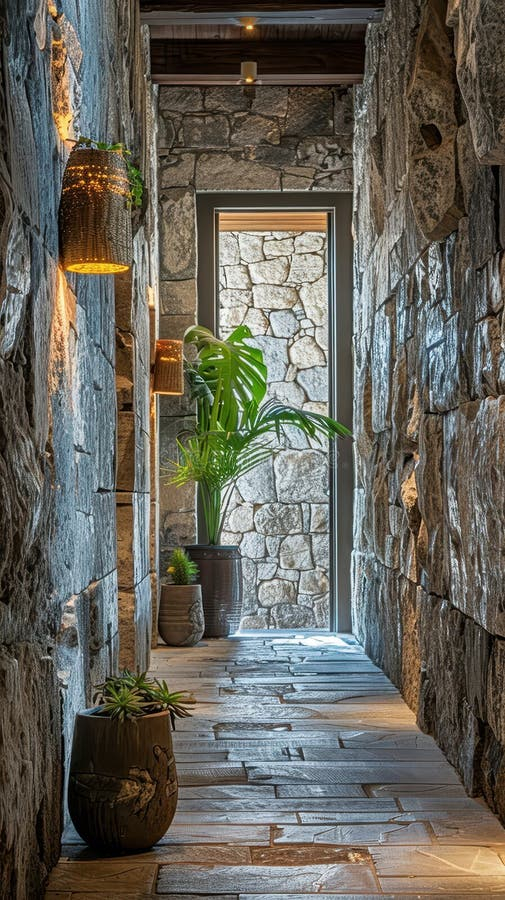
Why does a rough-hewn wooden bowl feel better than a sleek plastic one? It’s not just aesthetics. It’s biology. Our brains are wired to respond to nature. This concept, often called biophilic design, isn’t a new trend—it’s a return to our roots. When we surround ourselves with organic textures, our cortisol levels drop. We breathe easier. In a world where we spend hours staring at smooth, cold glass screens, our hands crave variation. They want the grain of wood, the weave of linen, the coolness of stone.
Think about the last time you walked barefoot on grass. That immediate sense of grounding? You can replicate that indoors. When Maya replaced her polyester throw blankets with chunky wool knits, the change was instant. The room didn’t just look softer; it felt safer. Natural textures have imperfections. A knot in the wood, a slub in the fabric, a vein in the marble. These irregularities tell our subconscious mind that this space is alive, not manufactured. It’s a subtle signal that says, "You can relax here. Nothing is perfect, and that’s okay."
This shift is crucial for mental well-being. Clutter often feels chaotic because it’s visually loud. Synthetic materials tend to reflect light harshly, creating glare and visual tension. Natural materials, on the other hand, absorb light. They diffuse it. A matte clay vase doesn’t shout for attention; it invites a glance. By prioritizing these tactile experiences, we create a buffer against the high-speed digital world. It’s a way to slow down time, even if just for a few minutes while sitting in your favorite chair.
Decluttering with Intent, Not Just Removal
The first step in Maya’s journey wasn’t buying new things. It was looking at what she already had with fresh eyes. We often think decluttering means emptying a room until it looks like a showroom. But a sterile room isn’t calming; it’s cold. The goal is to remove the items that add visual noise and keep the ones that add warmth. We started by identifying the "visual static." These were usually small, plastic items, cheap decor, and tangled cords.
We adopted a simple rule: if it doesn’t have a texture that invites touch, it probably doesn’t belong in the sanctuary zones. This meant donating the glossy magazine racks and the shiny metal figurines. It felt scary at first. Would the room look empty? Surprisingly, no. By removing the clutter, we created space for the natural elements to breathe. This is where the magic happens. Negative space—the empty areas—is just as important as the objects themselves. It gives your eyes a place to rest.
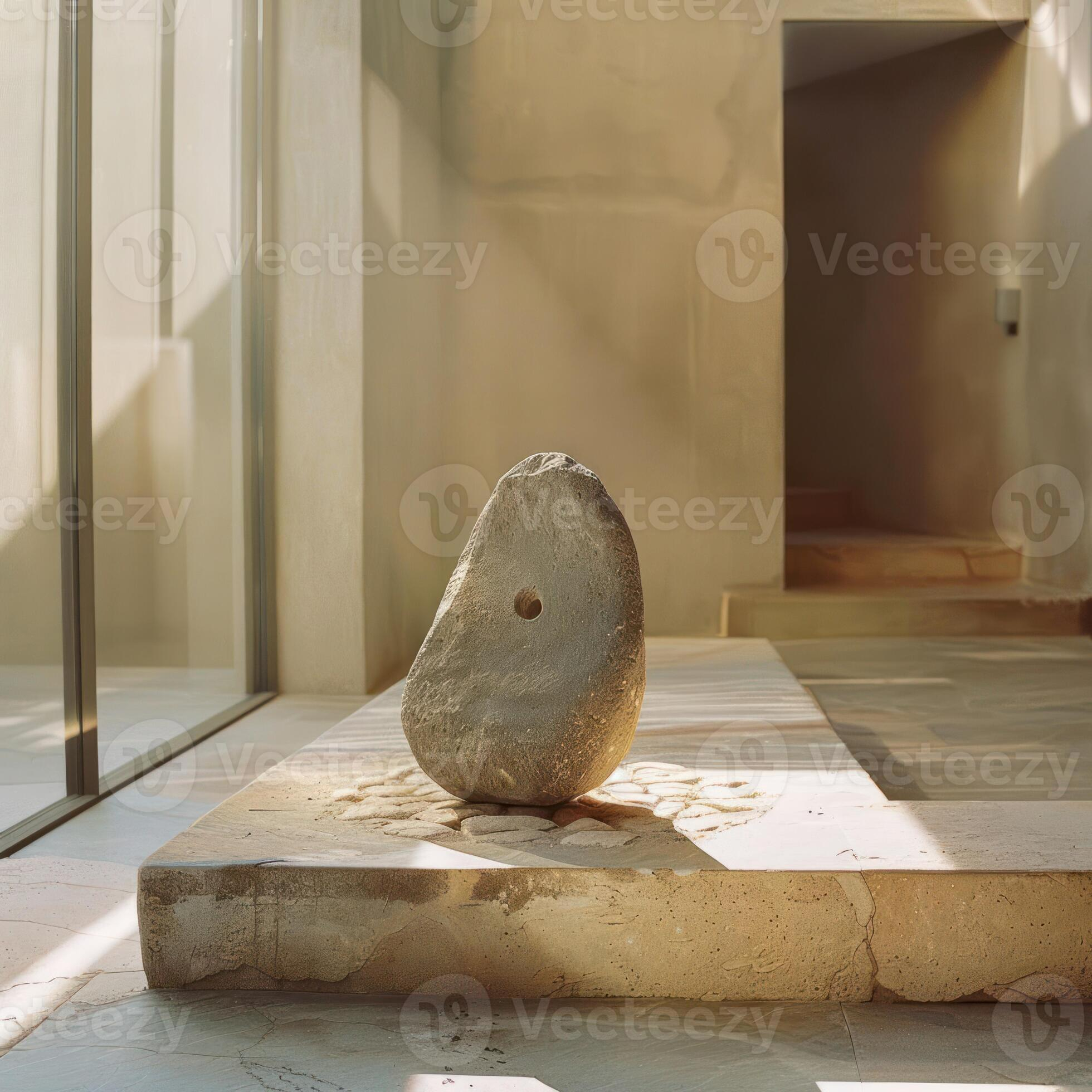
Instead of filling every shelf, we left gaps. We placed a single, large river stone on a clear wooden surface. The contrast between the smooth stone and the grainy wood became a focal point. It was intentional. This approach transforms decluttering from a chore into a curatorial process. You aren’t just throwing things out; you are making room for peace. It’s about quality over quantity. One beautiful, hand-thrown ceramic mug brings more joy than ten mass-produced ones stacked in a cupboard.
Layering Earthy Tones and Organic Materials
Once the clutter was cleared, we began the layering process. This is where natural textures truly shine. We started with the foundation: the floors and walls. Maya had stark white walls and laminate flooring. While clean, they felt clinical. We couldn’t repaint or replace the floor, so we worked with rugs and art. A large jute rug anchored the living area. Its coarse, fibrous texture added immediate warmth underfoot. It smelled faintly of earth, a reminder of the outdoors.
Next came the furniture accents. We introduced walnut and oak elements. A side table made of reclaimed wood brought history into the room. You could see the saw marks, the age. It had character. We paired this with linen curtains. Linen is fantastic because it wrinkles. It’s imperfect. When the breeze hit them, they moved softly, casting gentle shadows. Unlike stiff synthetic drapes, linen breathes. It filters light in a way that makes the whole room glow during the golden hour.
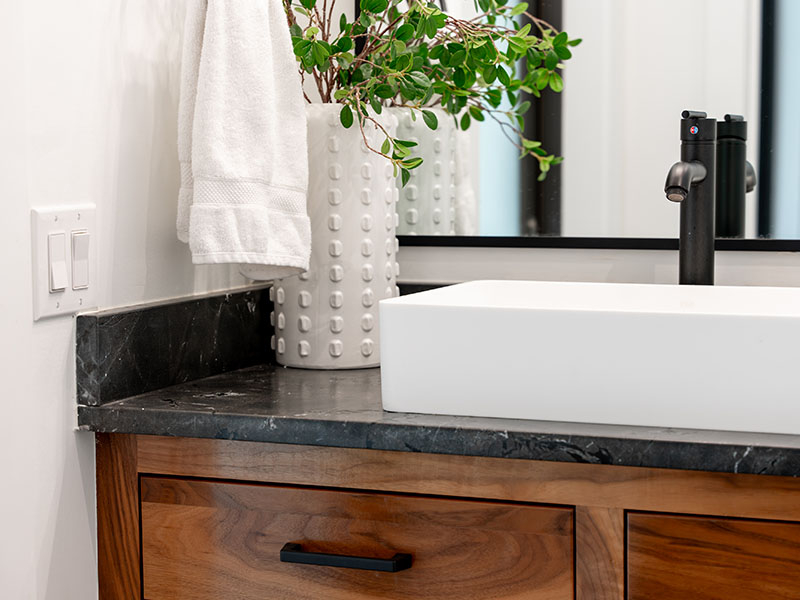
We also incorporated greenery, but not just any plants. We chose varieties with interesting leaf textures. A fiddle leaf fig with its broad, waxy leaves sat in a terracotta pot. The porous clay of the pot contrasted beautifully with the slick leaves. These combinations create visual interest without chaos. The color palette stayed earthy: sage greens, warm beiges, soft browns. These colors are found in nature, so our eyes don’t have to work hard to process them. They are inherently soothing.
The Power of Handmade and Imperfect Objects
In a mass-produced world, handmade items carry a unique energy. They connect us to the human touch. For Maya’s sanctuary, we swapped out factory-made decor for artisan pieces. A macramé wall hanging added vertical texture. The knots were uneven, the cotton slightly off-white. It wasn’t perfect, and that was the point. It felt human. These pieces tell a story. When you look at them, you imagine the hands that made them. That connection fosters a sense of community and warmth, even when you’re alone.
Ceramics played a huge role too. We filled a shallow bowl with smooth sea glass and placed it on the coffee table. The cool, tumbled glass invited fingers to trace its edges. We added a few hand-thrown vases with glazed finishes that dripped naturally. These imperfections are called wabi-sabi, a Japanese aesthetic that finds beauty in transience and flaw. Embracing wabi-sabi helps us let go of the need for control. It teaches us to appreciate things as they are, not as we wish them to be.
This shift also applies to textiles. Instead of perfectly pressed cotton sheets, we used washed linen bedding. It felt lived-in from day one. We added a sheepskin rug beside the bed. The softness was luxurious, but it was also primal. It reminded us of comfort and safety. These handmade and natural items don’t just sit in the room; they interact with you. They invite touch. They demand presence. And in doing so, they pull you out of your head and into your body.
Lighting and Sensory Harmony
Lighting can make or break a sanctuary. Harsh overhead lights are the enemy of calm. They create sharp shadows and highlight dust. In Maya’s space, we banished the big ceiling light for evening use. Instead, we layered low-level lighting. Table lamps with rice paper shades cast a soft, diffused glow. The paper texture softened the bulb’s intensity, creating a warm amber hue. Floor lamps with woven rattan bases added another layer of natural texture while providing ambient light.
Candles played a sensory role too. We chose beeswax candles with wooden wicks. When lit, they crackled softly, mimicking the sound of a fireplace. The scent was subtle, not overpowering. This auditory element is often overlooked. Silence is good, but complete silence can feel empty. Gentle, natural sounds fill the void without adding stress. We also added a small tabletop fountain. The sound of trickling water is universally calming. It masks street noise and creates a white noise backdrop that helps the brain unwind.
Temperature and air quality matter as well. Natural materials help regulate humidity. Wood and clay breathe. We kept windows open when possible to let fresh air circulate. The combination of soft light, gentle sound, and fresh air created a multi-sensory experience. It wasn’t just about how the room looked; it was about how it felt to exist in it. Every sense was engaged in a gentle way. No shocks. No surprises. Just steady, calming input.
Creating a sanctuary is one thing; keeping it that way is another. Life happens. Mail piles up. Laundry accumulates. The key is to build systems that support the calm, not fight against it. We established a "one in, one out" rule for new items. If Maya bought a new ceramic bowl, an old one had to go. This prevented clutter from creeping back in. We also designated specific homes for everyday items. Keys went in a wooden tray. Bags hung on a woven hook. Everything had a place, so nothing ended up on the floor.
Maintenance of natural textures is different too. Wood needs oiling. Linen needs washing. Stone needs wiping. But these tasks aren’t chores; they’re rituals. Oiling a wooden table once a month becomes a moment of mindfulness. You notice the grain. You appreciate the material. It connects you to your space. This care reinforces the value of the items. When you care for your surroundings, you respect them. And when you respect your space, it respects you back by providing peace.
It’s also important to remember that a sanctuary isn’t static. It evolves with you. In winter, Maya added heavier wool throws and darker candles. In summer, she swapped them for lighter cottons and fresh flowers. The core elements remained, but the layers shifted with the seasons. This flexibility keeps the space feeling fresh and aligned with your current needs. It’s a living space, not a museum exhibit. And that’s what makes it truly calming. It supports your life, rather than dictating it.
Transforming a cluttered space into a calm sanctuary doesn’t require a total renovation. It requires a shift in perspective. By focusing on natural textures, you tap into a deep, biological need for connection with the earth. You replace visual noise with tactile warmth. You trade perfection for authenticity. The result is a home that doesn’t just look good, but feels good. It becomes a place where you can exhale. Where the weight of the day lifts off your shoulders.
Start small. Pick one corner. Add a plant. Swap a synthetic pillow for a linen one. Notice how it changes the feel of the room. Let that guide you. There’s no rush. No right or wrong way. Just your way. As you bring more nature indoors, you’ll find that the calm spreads. It moves from that one corner to the whole room, and eventually, to your whole home. And maybe, just maybe, it spills out into your life too. After all, peace starts with where we rest our heads.