You know that feeling when you scroll through your feed, see a kitchen that looks like it was carved out of a single block of marble, and think, "Wow, that’s beautiful," followed immediately by, "But could I actually live there?" For the last decade, we’ve been caught in a weird loop. We renovate our most expensive rooms based on what’s popping off on social media, only to feel a strange sense of buyer’s remorse before the paint is even dry. It’s exhausting. And honestly? It’s expensive.
But something shifted this year. If you’ve been paying attention to how people are talking about their homes in 2026, you’ve probably noticed the vibe has changed. The pressure to have a "Instagrammable" space is fading. In its place is a quiet, stubborn desire for rooms that feel like they’ve always been there. Rooms that hold memories rather than just reflecting algorithms. This isn’t just about aesthetics; it’s a rebellion against the speed of modern life. We are finally stopping the chase. We are starting to design for the long haul.
The data backs this up, too. Recent reports show a massive drop in searches for "trendy kitchen ideas" and a spike in queries for "durable materials" and "classic layouts." People are tired of the sterile show kitchens. They’re done with neutral-only interiors that feel like a hotel lobby nobody wants to stay in. We are seeing a collective exhale. A move toward spaces that are layered, livable, and deeply personal. This article isn’t about telling you what color to paint your cabinets so you can sell your house in three years. It’s about helping you build a heart for your home that beats strong for thirty.
The Great Trend Fatigue of the Early 2020s
Let’s be real for a second. The trend cycle used to move at the speed of fashion seasons. Then it moved at the speed of TikTok. By the time you ordered your custom cabinetry in 2023 or 2024, the style you picked was already considered "cringe" by the internet hivemind. That is a broken system. It creates a constant state of anxiety for homeowners who just want their space to feel right. The risk was that your kitchen would feel dated by the time the contractor finished sweeping up the dust. That’s not just annoying; it’s a waste of resources and money.
This fatigue is real, and it’s widespread. We saw it with the all-white kitchen craze. For years, white was treated as the safest bet, especially if you were thinking about resale value. But as sources like Re-thinking the Future pointed out recently, that safety started to feel like sterility. The all-white kitchen became flat. It lacked soul. It required constant cleaning to maintain that pristine, unrealistic look. People started asking for kitchens that felt specific to them, not generic to the market. They wanted warmth. They wanted character. They wanted to stop holding their breath every time they spilled a drop of red wine.
Now, in 2026, we are seeing the aftermath of that burnout. The conversation has shifted from "What’s new?" to "What lasts?" Brands and designers are ditching the chase for virality. As noted in recent industry analysis, successful design is no longer about catching the wave; it’s about building the surfboard that doesn’t break. This is a business case for enduring design, sure, but it’s also a human one. We are craving stability. In a world that feels increasingly chaotic and fast-paced, our homes need to be the anchor. Chasing trends undermines that stability. Embracing timelessness restores it.
Warmth Over Sterility: The Return of Natural Materials
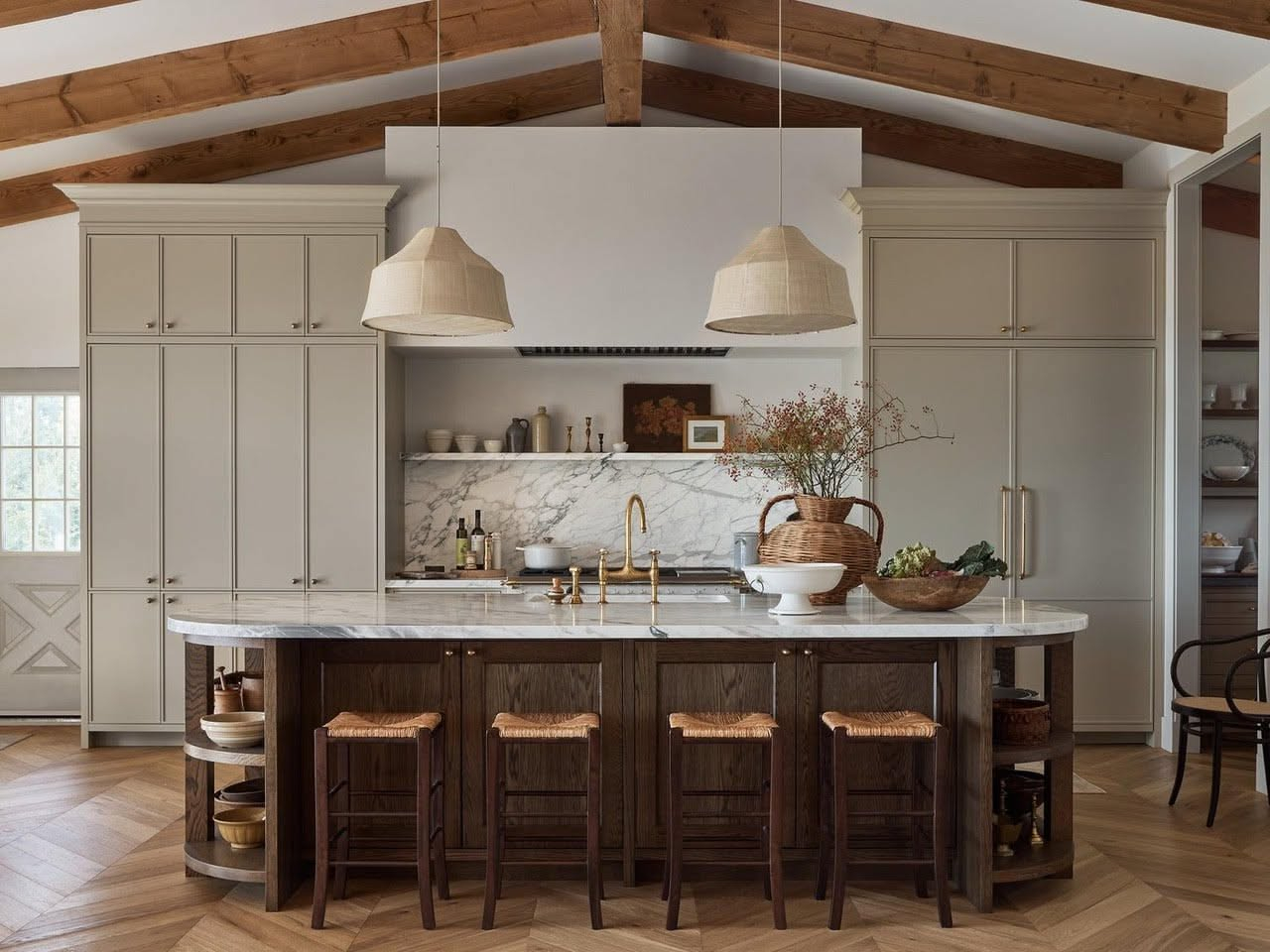
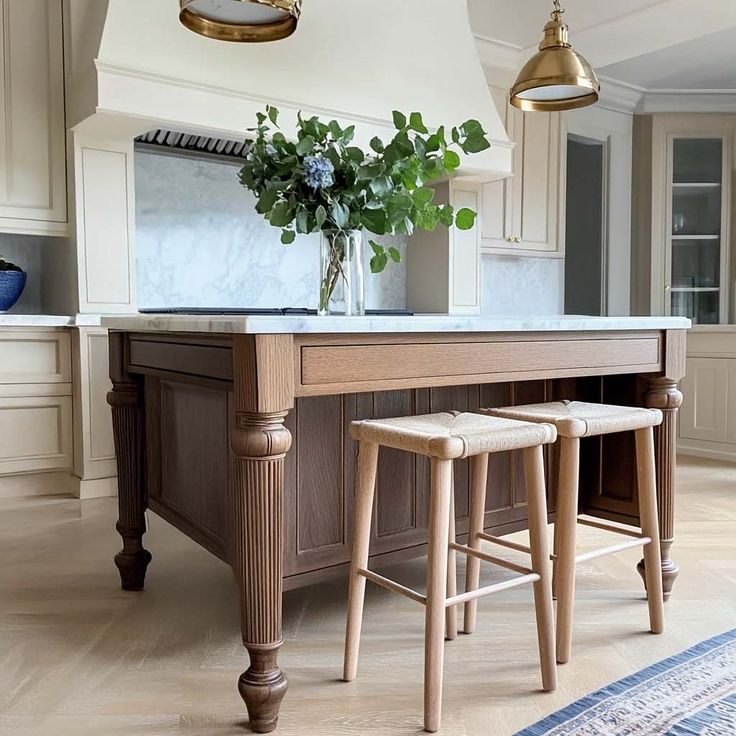
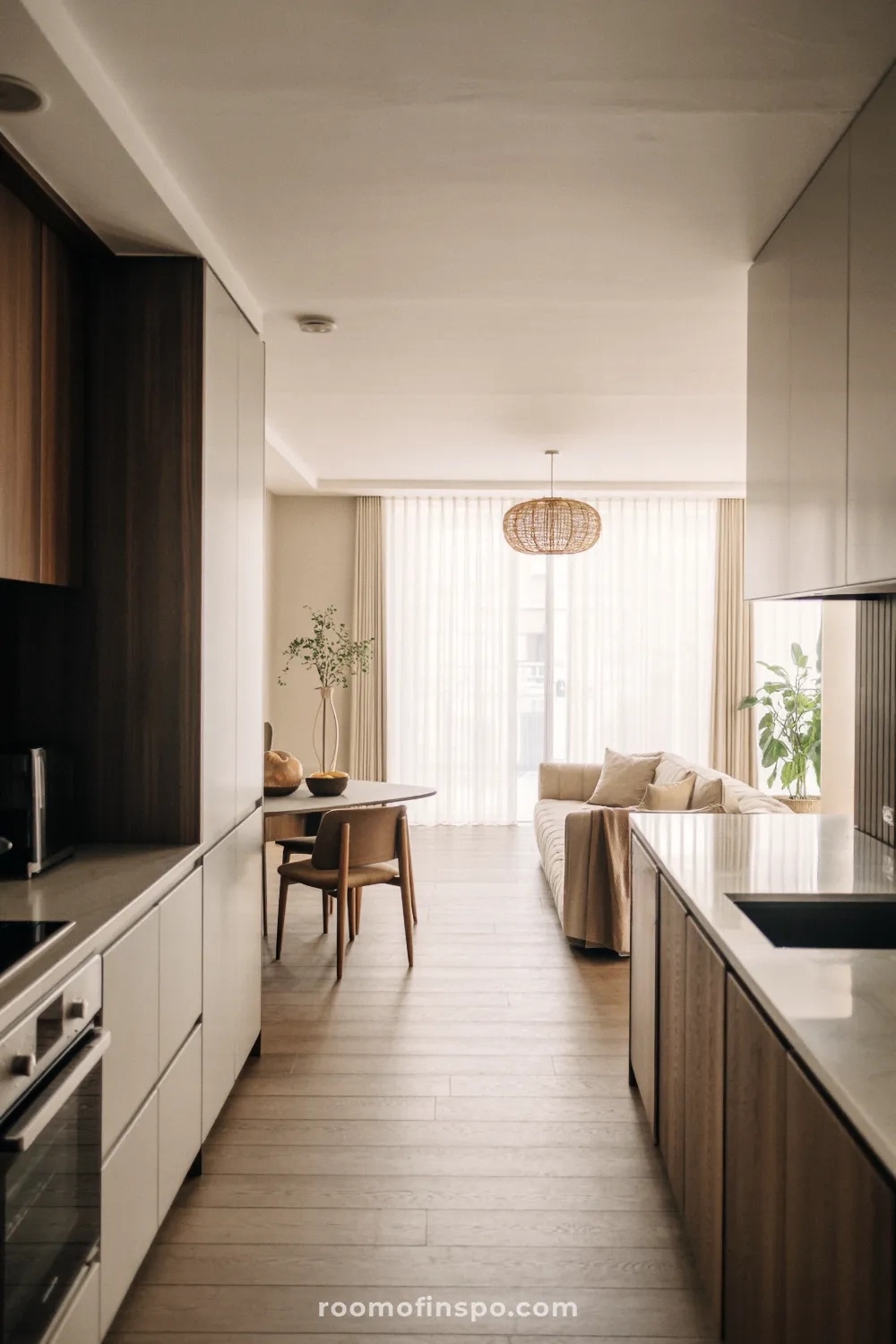
If there is one visual signature of 2026 kitchens, it’s the return of wood. Not the dark, heavy, traditional wood of the 90s, and not the bleached, processed look of the early 2010s. We are talking about natural wood in its honest form. Oak, walnut, cherry. Grains that tell a story. This shift is directly replacing the cold, clinical feel of the all-white remodel. Natural wood does something magical: it makes a space feel alive without making it feel rustic or old-fashioned. It bridges the gap between modern functionality and organic comfort.
Why does this matter? Because our brains respond to it. Recent discussions on color palettes and material choices highlight a move toward nature-derived schemes that support mental wellness. There is actual science here. Warm, natural tones have been linked to lower cortisol levels and increased feelings of calm. When you walk into a kitchen with warm wood tones and soft, earthy colors, your body relaxes. It’s the opposite of the high-contrast, cool-toned minimalism that dominated the previous decade. That older style looked great in photos, but it often felt harsh in real life. It didn’t invite you to linger.
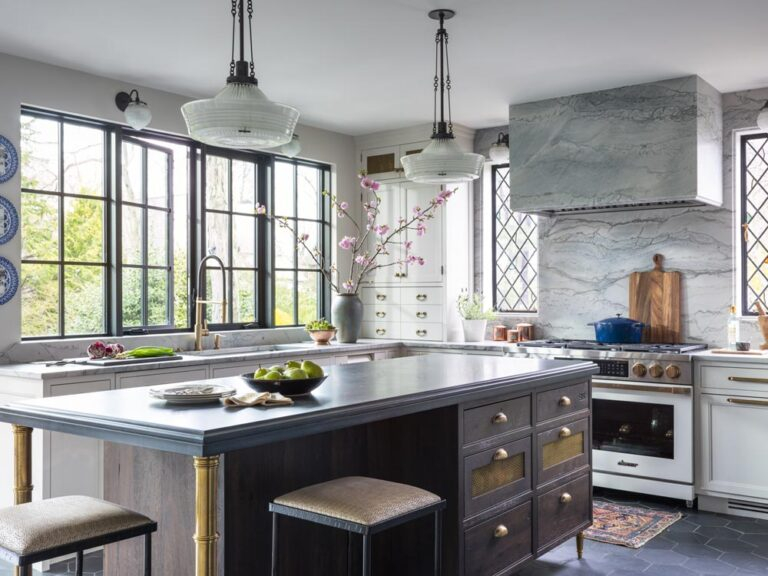
This isn’t just about slapping some wood veneer on a cabinet door, either. It’s about texture. It’s about mixing materials that age well together. Think stone countertops with subtle veining instead of stark, uniform quartz. Think brass hardware that develops a patina over time instead of polished chrome that shows every fingerprint. These choices acknowledge that life happens. They accept wear and tear as part of the beauty. When you choose materials that get better with age, you stop fighting your home and start living in it. It’s a liberating feeling, knowing that a scratch on the table isn’t a failure—it’s a memory.
Color With Purpose: Palettes That Calm the Mind
For a long time, "neutral" meant gray or stark white. It was safe. It was blank. But in 2026, neutral has been redefined. It now means warm, earthy, and grounded. We are seeing a surge in colors that come straight from the landscape: terracotta, sage green, deep ochre, and soft clay. These aren’t bold, shouty colors. They are quiet. They recede into the background while still adding depth. This shift reflects an exhaustion with sterile aesthetics and a desire for environments that nurture us.
The focus here is on longevity over virality. Designer-approved schemes this year are prioritizing how a color feels after you’ve lived with it for five years, not how it looks in a fifteen-second video clip. Cool-toned minimalism is out. Warmth is in. This is a scientifically backed return to colors that increase serotonin. Think about the last time you sat in a sun-drenched room with warm walls. You probably felt okay, right? Maybe even good. That’s the goal. We are designing for our nervous systems.
And let’s talk about contrast. The old rule was to keep everything monochromatic to make a small kitchen look bigger. The new approach is more layered. You might have warm wood cabinets paired with a soft, creamy wall color and a countertop with subtle movement. It creates visual interest without chaos. It’s sophisticated but approachable. It allows for personality to seep in through accessories and art without clashing with the base palette. This flexibility is key to timeless design. It gives you room to change your mind about the small stuff without needing to rip out the big stuff.
Function First: Breaking Up the Open Concept
Here is a controversial take that is becoming mainstream: the open-concept floor plan is losing its grip. For years, we knocked down walls to create massive, sprawling living areas. The idea was that it made entertaining easier and families more connected. But in practice? It often meant noise traveled everywhere. Smells from cooking lingered in the living room. There was nowhere to hide the mess. In 2026, we are seeing a fatigue around this layout. People are asking for definition. They want spaces that have purpose.
This doesn’t mean we are going back to tiny, closed-off boxes. It means we are designing for "broken plan" living. Using half-walls, sliding doors, or strategic furniture placement to create zones. You can still see into the living area, but you can close it off when you’re blending a loud smoothie at 6 AM. It’s about control. It’s about respecting the different activities that happen in a home. Cooking is messy and loud. Relaxing is quiet and still. Why force them to share the exact same air space all the time?
This shift also impacts how we design the kitchen itself. Instead of one giant island that tries to do everything (prep, eat, work, homework), we are seeing more specialized zones. A dedicated coffee station. A separate prep sink. A quiet corner for reading recipes. These details make the kitchen more functional for the people who actually use it, rather than impressive for guests who visit once a year. It’s a move toward intimacy. It acknowledges that the kitchen is a workspace, yes, but it’s also a gathering place. And sometimes, those two things need a little bit of separation to coexist peacefully.
The Death of the "Show Kitchen" and Rise of Livability
We need to talk about the "show kitchen." You know the one. It has no clutter. The counters are bare. The appliances are hidden behind panels that match the cabinets perfectly. It looks like a museum exhibit. And it is completely impractical for real life. In 2026, we are finally admitting that we don’t live in museums. We live in houses with kids, pets, jobs, and hobbies. The trend toward sterile, perfect spaces is being replaced by a desire for layered, livable interiors.
This means embracing storage that is accessible, not just invisible. Open shelving is still around, but it’s styled with things you actually use, not just decorative bowls you’re afraid to touch. It means having a spot for the mail, the keys, the dog’s leash. It means designing for the chaos of Tuesday night, not the perfection of a magazine shoot. This is a huge relief for most homeowners. It takes the pressure off. You don’t have to tidy up every surface before you sit down to eat. Your home is allowed to look lived-in.
This shift also extends to the textures we choose. The overused trendy textures of the past few years—like certain types of fluted glass or overly patterned tiles—are being swapped for classics. Subway tile, simple shaker cabinets, solid stone. These elements don’t scream for attention. They provide a calm backdrop for your life. They allow your personality to shine through in the way you use the space, not just in the way it’s built. It’s a subtle but powerful change. It moves the focus from the object to the experience. And isn’t that what a home is supposed to be about?
Let’s get practical for a moment. Renovation is expensive. Like, really expensive. When you chase a trend, you are essentially betting that the style will hold its value for the short term. But as we’ve seen, trends fade fast. If you install a highly trendy feature today, it might look dated in three years. That means you’re either stuck with it, or you’re paying to replace it. Neither option is great for your wallet or the planet. Timeless design, on the other hand, is an investment in longevity.
Choosing classic materials and layouts means your kitchen won’t need a major overhaul in a decade. It might need a refresh—new paint, updated hardware—but the bones will remain solid. This is the business case for enduring design. It saves money in the long run. It also reduces waste. In a world where sustainability is becoming more important, choosing durability is a responsible act. It’s about buying less, but buying better. It’s about choosing a cabinet door style that has been around for fifty years and will likely be around for fifty more.
This mindset also changes how we view resale value. For a long time, the advice was to neutralize everything to appeal to the broadest buyer. But buyers in 2026 are smarter. They can spot a cheap, trendy flip from a mile away. They are looking for quality. They are looking for character. A kitchen with genuine wood cabinets and well-made fixtures appeals to buyers who value craftsmanship. It stands out in a sea of gray laminate and fake marble. So, ironically, by designing for yourself and for timelessness, you are often creating a more valuable asset. It’s a win-win. You get to enjoy a beautiful, functional space now, and you retain value for later.
So, where does this leave us? It leaves us with permission. Permission to ignore the noise. Permission to choose the wood grain because you love the way it feels, not because it’s trending. Permission to close a door if you want some quiet. Permission to design a kitchen that fits your life, not your feed. 2026 is the year we stop apologizing for wanting our homes to be comfortable. We are moving away from the superficial and toward the substantial.
This doesn’t mean design has to be boring. Far from it. Timeless design is rich and deep. It allows for creativity within a framework of stability. It encourages you to think about how you move through your day. How you cook. How you connect. It asks you to consider the light in the room at different times of day. It invites you to touch the surfaces and ask if they bring you joy. It’s a slower process, but the result is worth it. A kitchen that feels like it belongs to you.
As you plan your next project, or even just tweak your current space, remember this: trends will come and go. The internet will find a new obsession next week. But your kitchen is there every day. It’s where you start your morning and end your night. Make it a place that supports you. Make it warm. Make it real. Stop chasing the new, and start building the lasting. Your future self will thank you for it. And honestly? It’s about time we all took a breath and just let our homes be homes.