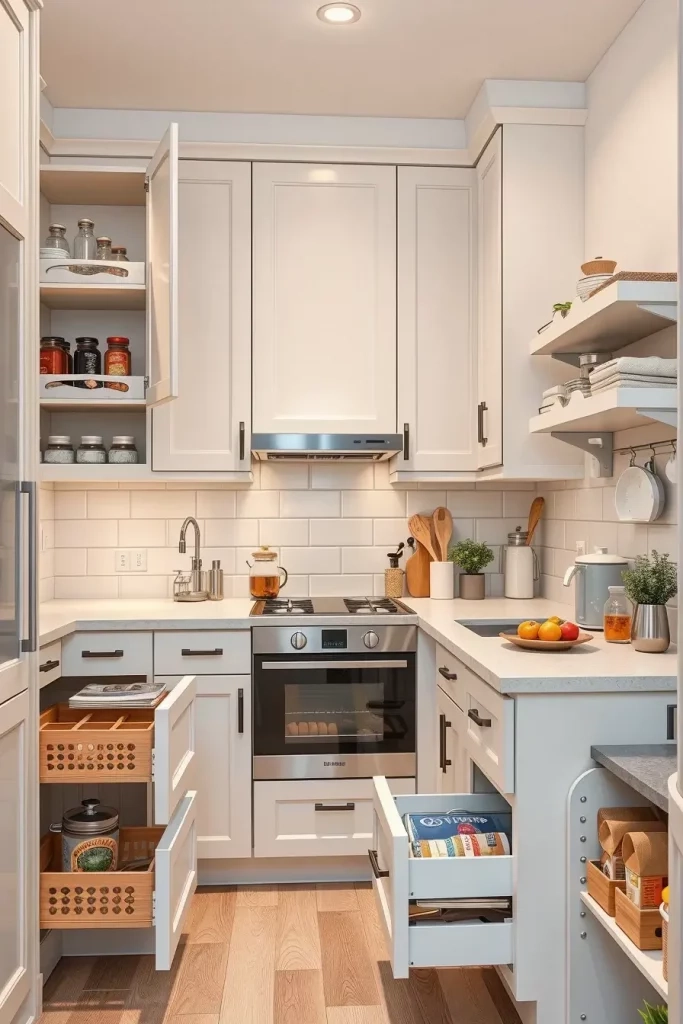
The kitchen clock glows 6:15 PM. Flour coats the counter in a fine, ghost-like powder, a rogue onion skin clings statically to the side of a mixing bowl, and the recipe you printed out three days ago has vanished beneath a stack of junk mail. Sound familiar? Cooking from scratch is meant to be a deliberate, soul-nourishing act of creation, yet it frequently devolves into an exhausting exercise in hide-and-seek. You spend twenty minutes hunting for the microplane, another ten looking for a clean dish towel, and by the time the garlic hits the pan, the joy has curdled into frustration.
Modern home cooks face an invisible friction that has nothing to do with culinary skill and everything to do with spatial architecture and workflow design. We treat our kitchens like storage lockers rather than high-performance workshops. The sheer volume of gadgets, spices, and unit-task tools marketed to us over the last decade has created a landscape of digital noise and physical clutter. When every dinner requires opening four different cabinets and excavating the back of a pantry shelf just to find kosher salt, cooking ceases to be an art form and becomes an endurance test.
Stepping away from processed foods requires a fundamental recalibration of how we inhabit our cooking spaces. It is not about buying more containers or organizing spices in rainbow order for social media validation. True culinary efficiency stems from ruthless minimalism, ergonomic staging, and institutionalizing habits that save precious minutes. The goal of any serious scratch cook is to minimize the mundane logistics of food prep so that energy can be channeled directly into flavor development, technique refinement, and the sheer pleasure of creating a meal from raw components.
The Architecture of Efficiency: Spatial Design and Tool Accessibility
The physical layout of a kitchen dictates cognitive load. If your workspace forces you to pivot forty-five degrees and cross your body to reach your knives, you are expending unnecessary physical and mental energy with every single cut. Professional restaurant kitchens operate on the principle of the work triangle and dedicated station zoning, and home cooks can adopt these exact spatial blueprints. The first step toward reclaiming your kitchen time is evaluating what sits within your immediate physical reach—the prime real estate of your countertops and lower cabinets.
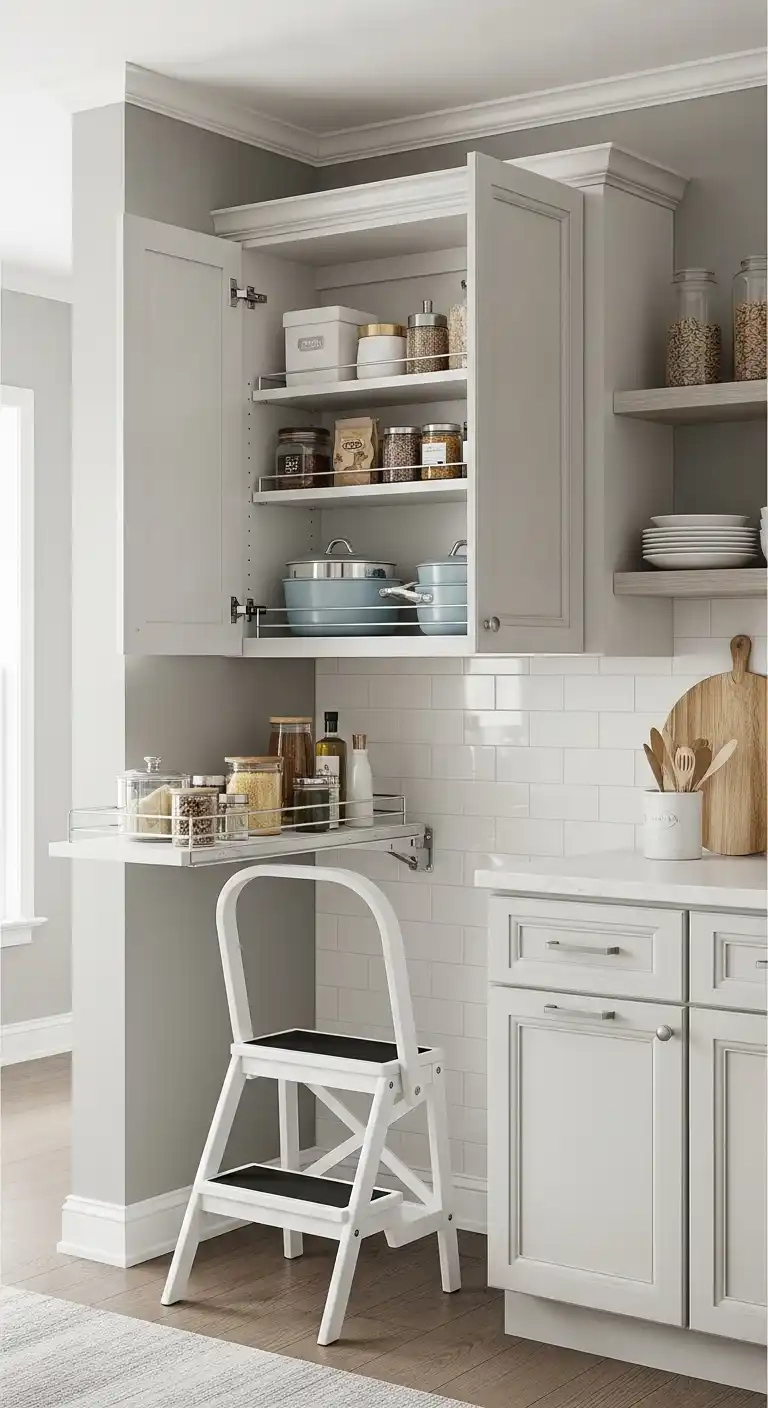
Items used daily—such as your chef’s knife, primary cutting board, neutral cooking oil, and kosher salt—should never live behind closed doors. They belong on the counter or in the top drawer directly beneath your prep zone. Conversely, seasonal or single-purpose appliances like the ice cream maker or the turkey roaster belong on high shelves or in basement storage. By clearing out the visual clutter of items you touch twice a year, you instantly reduce the cognitive friction of starting a meal.
Another foundational shift involves standardizing your vessel sizes and minimizing dish congestion. Scratch cooking generates an ungodly number of dirty bowls if you let it. Adopting the French concept of mise en place—putting everything in its place—fails if you use thirty ramekins to hold three cloves of minced garlic and a diced shallot. Instead, group dry ingredients together in small bowls, wet ingredients in liquid measuring cups, and utilize your cutting board’s surface area to stage chopped items in distinct piles. This physical discipline slashes dishwashing time by half and keeps your workspace clear of architectural chaos.
Mastering the Prep Station: Sharp Tools, Smart Cuts, and Knife Logic
Nothing slows down a scratch cook quite like a dull blade. A dull knife does not cut; it crushes, slipping off onion skins and tomato membranes while chewing through your patience and your fingertips. Keeping your primary chef’s knife razor-sharp is the single highest-return investment of time you can make. You do not need an elaborate wet-stone sharpening kit every week; a ceramic honing rod used for five seconds before every cooking session realigns the microscopic teeth of the blade and maintains the edge between professional sharpenings.
Beyond the knife itself, cutting board stability dictates your speed and safety. A sliding wooden board on a slick granite countertop is a recipe for a sliced thumb. Placing a damp microfiber cloth or a piece of non-slip shelf liner underneath your cutting board locks it into place permanently. Once your station is anchored, your physical mechanics take over. Curl your non-dominant fingers into a "claw" grip, rest the flat of the knife blade against your knuckles, and let the rocking motion of the knife do the work rather than downward brute force.
Prep speed also relies on ruthless standardization of cuts. Do not dice onions fine for one soup and thick for another unless the recipe demands it; establish a uniform house style for your mirepoix, mince, and brunoise. Furthermore, embrace the bench scraper as your best friend in the kitchen. This stainless steel rectangle with a handle is not just for cutting bread dough; it is the ultimate tool for sweeping mounds of chopped vegetables off the cutting board and straight into your pan in one fluid motion, saving you from awkward handfuls or dropping half your garlic on the floor.
Fifty Practical Kitchen Tips for Scratch Cooks Who Want to Spend Less Time Searching and More Time Creating
To help you bridge the gap between messy ambition and streamlined execution, here are fifty concrete, field-tested tips categorized by workflow, pantry management, and cooking mechanics:
- 1. Keep Salt in a Widemouth Cellar: Ditch the cardboard canister or the shaker with tiny holes. A ceramic bowl or wooden salt pig next to the stove allows you to grab a three-finger pinch of kosher salt instantly.
- 2. The Damp Towel Anchor: Place a wet paper towel or dishcloth under your cutting board to prevent dangerous slipping during heavy chopping sessions.
- 3. Pre-Heat Your Pans, Not Your Patience: Always let your stainless steel or cast-iron skillet come up to temperature before adding oil or food to create a natural non-stick surface via the Leidenfrost effect.
- 4. Designate a Trash Bowl: Keep a large bowl on the counter during prep to collect peelings, onion ends, and packaging, eliminating constant trips to the under-sink trash can.
- 5. Store Oils Away from Heat: Keep your extra virgin olive oil in a dark glass bottle away from the stove to prevent heat and light degradation that turns oils rancid.
- 6. The Two-Knife Rule: Maintain one heavy 8-inch chef’s knife for general prep and one small 3.5-inch paring knife for intricate peeling and coring; ignore the block of twelve steak knives you never use.
- 7. Freeze Herb Stems for Stock: Toss parsley stems, cilantro roots, and celery leaves into a designated freezer bag to build a robust vegetable stock base later.
- 8. Buy Whole Spices in Bulk: Whole cumin seeds, coriander, and black peppercorns retain their volatile oils infinitely longer than pre-ground powders; crush them in a mortar as needed.
- 9. Group Ingredients by Recipe Step: When baking or cooking complex dishes, arrange your ingredients on a baking sheet in chronological order of when they hit the pan.
- 10. Label Bulk Bins with Dry-Erase Markers: Write the expiration date or purchase date directly onto glass storage jars with a grease pencil or dry-erase marker so you never guess about age.
- 11. The Sheet Pan Shield: Always line roasting pans and baking sheets with parchment paper or heavy-duty foil to eliminate post-dinner scrubbing entirely.
- 12. Keep Citrus at Room Temperature: Cold citrus yields significantly less juice. Roll lemons or limes firmly on the counter before cutting to burst internal juice vesicles.
- 13. Deglaze Every Pan: Never let fond go to waste. Pour wine, broth, or vinegar into a hot pan after searing meat to dissolve browned bits into an instant pan sauce.
- 14. Master the Microplane: Use a rasp-style microplane for garlic, ginger, hard cheeses, and whole nutmeg; it extracts maximum flavor with zero fibrous residue.
- 15. Store Onions and Potatoes Separately: Potatoes emit moisture and ethylene gas that cause onions to sprout and rot prematurely. Keep them in dark, cool, distinct containers.
- 16. Pre-Portion Butter: Keep a permanent marker near your butter dish or freezer to mark tablespoon increments on butter wrappers so you can slice exact amounts without measuring.
- 17. Use Tongs as an Extension of Your Hand: Invest in two pairs of heavy stainless steel spring-loaded tongs; they offer superior control compared to spatulas for flipping meats and tossing vegetables.
- 18. Clean As You Go with a Hot Soapy Sponge: Keep a basin of warm soapy water in the sink before you start cooking so tools can be dropped in immediately rather than crusting over.
- 19. Freeze Tomato Paste in Tablespoon Blobs: Open a 6-ounce can of paste, scoop it onto parchment paper in tablespoon mounds, freeze solid, and transfer to a baggie for future sauces.
- 20. Revive Wilted Greens in Ice Water: Toss limp spinach, kale, or herbs into a bowl of ice water for thirty minutes to restore cell turgor pressure before cooking.
- 21. Store Garlic in Breathable Mesh: Avoid airtight plastic bags for garlic bulbs; air circulation prevents mold and preserves crispness.
- 22. Invest in One Heavy Dutch Oven: A 5.5-quart enameled cast-iron Dutch oven replaces three separate pots for braising, soup making, bread baking, and deep frying.
- 23. Toast Your Spices: Dry-toast whole seeds in a skillet over medium heat for sixty seconds until fragrant to awaken dormant essential oils before grinding.
- 24. Keep Parchment Paper Pre-Cut: Buy pre-cut parchment sheets sized for your standard half-sheet pans to eliminate wrestling with curling rolls.
- 25. The Egg Float Test: Drop fresh eggs into a glass of cold water; if they sink flat, they are fresh. If they stand on end or float, use them hard-boiled or discard.
- 26. Use a Meat Thermometer Relentlessly: Stop guessing if chicken is done. Pull breasts at 160°F and steaks at 125°F (letting carryover cooking finish the job) to guarantee juicy results.
- 27. Mince Garlic Faster with Salt: Smash peeled garlic cloves with the flat of your knife, sprinkle coarse salt over them, and mash into a paste directly on the board.
- 28. Keep Vinegar Near the Stove: A splash of apple cider or white wine vinegar at the end of cooking balances heavy stews and brightens dull sauces instantly.
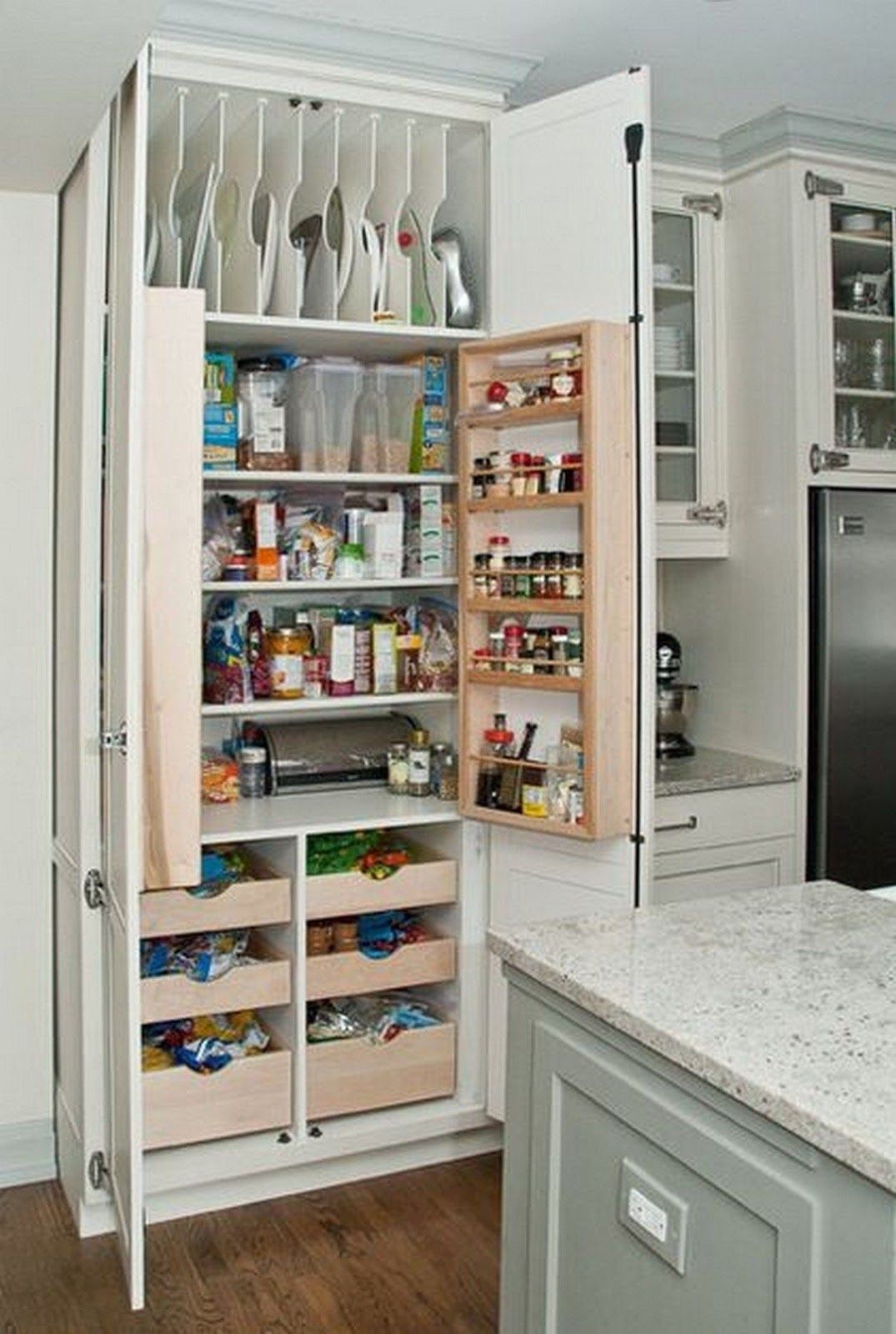
- 29. Store Baking Sheets Vertically: Use a vertical rack inside a lower cabinet for baking sheets and cutting boards so you can slide one out without moving the stack.
- 30. Peel Ginger with a Spoon: Scraping ginger skin with the edge of a stainless steel spoon removes the skin while preserving the knobby flesh far better than a peeler.
- 31. Double Batches of Long-Cooked Sauces: If you are spending three hours making a Bolognese or marinara, double the ingredients and freeze half in flat, stackable freezer bags.
- 32. Keep a Permanent Pen in the Kitchen: Label every single container going into the fridge or freezer with its contents and date; mystery leftovers are kitchen garbage.
- 33. The Warm Plate Trick: Stack dinner plates in a low oven (200°F) for five minutes before serving hot meals to keep food from cooling down prematurely.
- 34. Store Flour in Airtight Wide-Mouth Bins: Scoop flour easily with a one-cup measuring cup by housing it in a wide rectangular container rather than a tall canister.
- 35. Salt Your Pasta Water Aggressively: It should taste like seawater. Salting water after it boils is too late; season it before adding the pasta to flavor the dough from within.
- 36. Keep Kitchen Shears Handy: A heavy-duty pair of take-apart kitchen shears is faster than a knife for snipping herbs, cutting bacon, and spatchcocking poultry.
- 37. Save Bacon Grease: Strain leftover pork fat through a fine-mesh sieve into a glass jar and store in the fridge to use as a high-flavor cooking fat for eggs and greens.
- 38. Roast Vegetables at High Heat: Set your oven to 425°F minimum for root vegetables and brassicas to achieve caramelization rather than steaming them at lower temperatures.
- 39. Use Cast Iron for Acid-Free Cooking: Reserve unseasoned cast iron for searing and baking; save enameled cast iron or stainless steel for tomato sauces and citrus braises.
- 40. Clean Stainless Steel with Bar Keepers Friend: Restore burnt or discolored stainless steel pots to mirror finish instantly with oxalic acid powder rather than endless scrubbing.
- 41. Let Meat Rest: Rest cooked steaks and roasts for at least ten minutes before slicing to allow muscle fibers to relax and reabsorb juices.
- 42. Buy Block Cheese and Grate It Yourself: Pre-shredded cheese is coated in cellulose powder to prevent clumping, which ruins melting texture; block cheese melts infinitely better.
- 43. Use Parchment Paper Funnels: Roll a sheet of parchment paper into a cone to transfer dry ingredients into narrow-neck spice jars or bottles with zero spills.
- 44. Keep a Rolling Tasting Spoon: Taste your food at multiple stages of cooking—when raw aromatics hit the oil, after liquid is added, and just before plating—to catch seasoning errors early.
- 45. Freeze Leftover Wine in Ice Cube Trays: Pour leftover red or white wine into silicone ice cube trays and drop frozen wine cubes into future braises and pan sauces.
- 46. Clean Your Range Burners Monthly: Soak removable burner grates in a tub of hot water mixed with ammonia or dish soap overnight to dissolve baked-on grease with zero effort.
- 47. Store Spices Away from Steam: Never mount spice racks directly above your stove or dishwasher; steam and heat degrade spice compounds rapidly.
- 48. Use Plastic Wrap Directly on Custards: Press plastic wrap directly onto the surface of warm puddings or curds to prevent an unpleasant skin from forming as they cool.
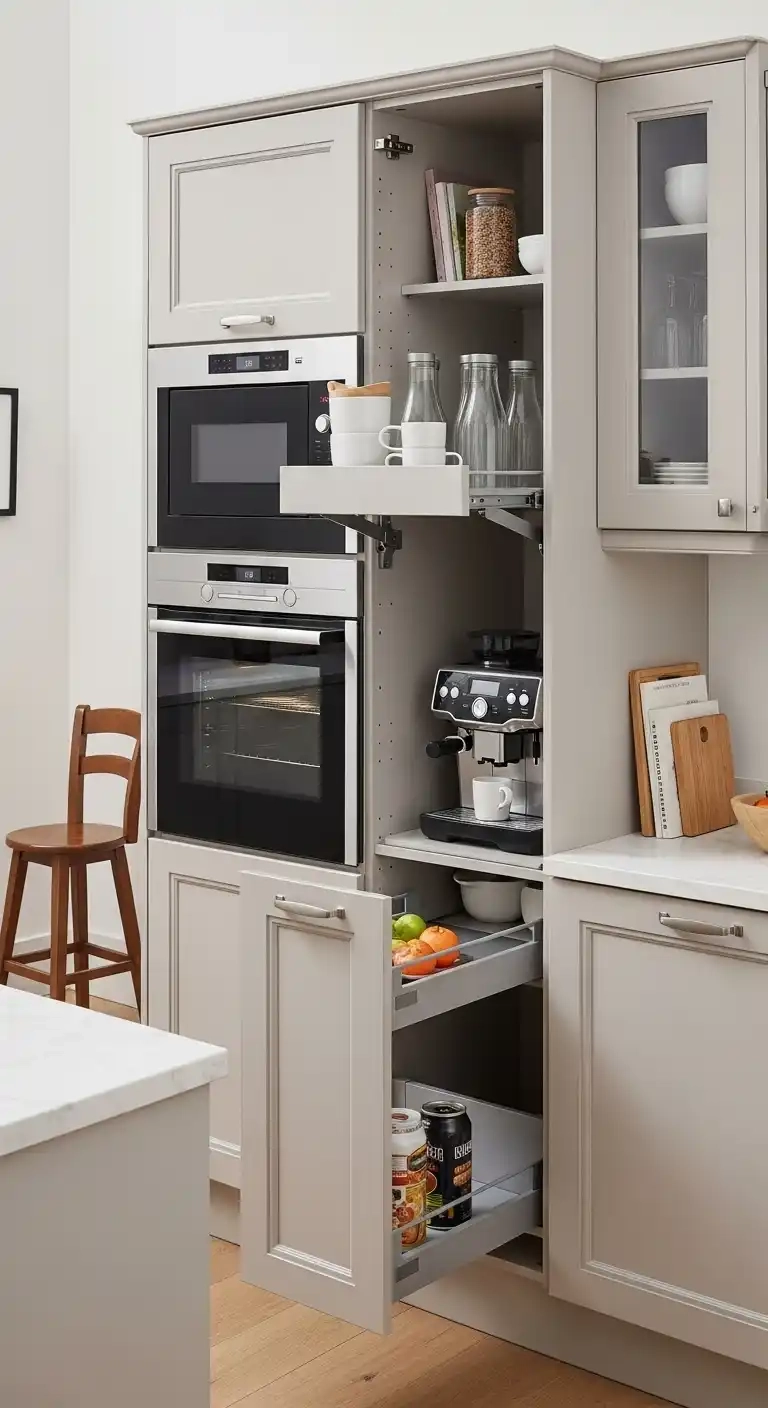
- 49. Keep Heavy Appliances on Slider Trays: Mount heavy stand mixers or food processors on sliding caster trays so you can pull them forward without lifting.
- 50. Plan One "Pantry Purge" Meal Weekly: Invent a soup, frittata, or fried rice dish once a week utilizing bits of leftover vegetables and proteins to eliminate food waste entirely.
Common Pitfalls and Field-Tested Workarounds for Scratch Cooks
Transitioning to a scratch-cooking lifestyle often exposes hidden traps that cause well-intentioned cooks to burn out within months. One of the most common pitfalls is overbuying esoteric ingredients for a single trendy recipe, only to watch them expire in the back of the pantry. When a recipe calls for five tablespoons of pomegranate molasses or black garlic paste that you will never use again, pause and evaluate substitutions. Maintaining a streamlined pantry means stocking high-utility foundational items—good vinegars, soy sauce, fish sauce, honey, and basic spices—that can be combined to mimic complex flavor profiles without accumulating culinary clutter.
Another dangerous trap is the "all-or-nothing" scratch cooking mindset. Trying to bake sandwich bread, churn butter, press your own pasta, and simmer bone broth all on a Tuesday evening after a ten-hour workday is a direct path to takeout fatigue. Sustainable scratch cooking relies on modular meal planning and strategic shortcuts that do not compromise quality. Buy high-quality organic canned tomatoes or store-bought puff pastry when time is short, but make your own stocks and dressings. Give yourself permission to hybridize your cooking routine so that scratch cooking feels like a creative outlet rather than a prison sentence.
Tool accumulation represents the silent killer of kitchen efficiency. Infomercials and social media platforms constantly push single-task gadgets—avocado slicers, banana hangers, garlic rollers, and motorized herb strippers—that occupy valuable drawer real estate and perform worse than a standard chef’s knife. Every tool in your kitchen should earn its rent by performing at least three distinct functions. If an item cannot pass the multi-use test, it does not belong in a serious cook’s workflow.
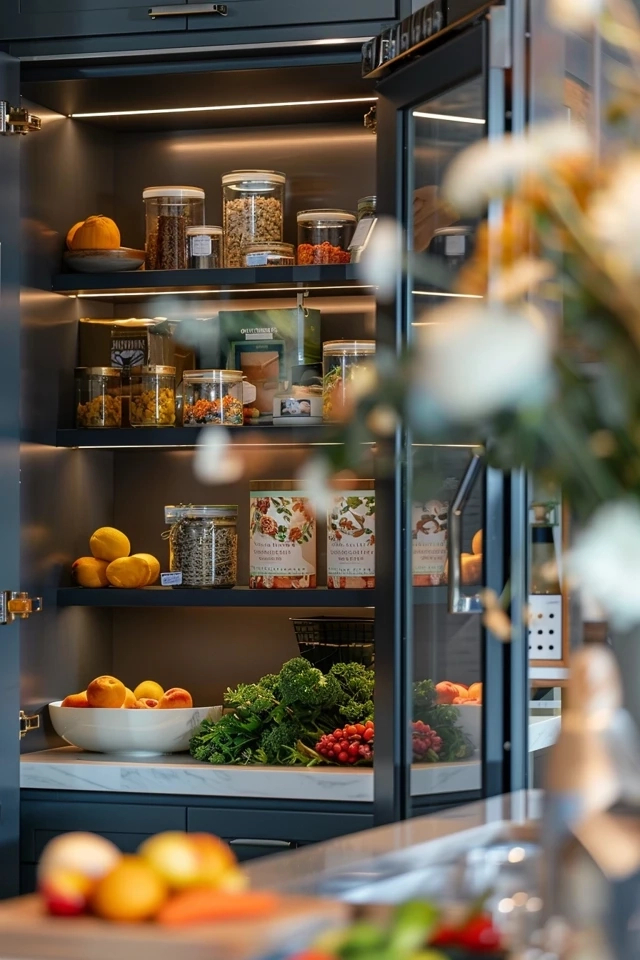
Storage mismanagement frequently sabotages even the best ingredients. Purchasing organic bulk grains, flours, and lentils only to store them in permeable paper bags invites pantry moths and weevils that can ruin months of food supplies in days. Investing in uniform, square, airtight polycarbonate or glass containers transforms chaotic pantry shelves into an organized inventory system. Square containers maximize shelf space utilization compared to round jars, allowing you to see your stock levels at a glance and eliminating the panicked search for half-empty bags of spelt flour.
Finally, ignoring thermal dynamics during cooking leads to inconsistent results and frustrating cleanup. Throwing cold meat straight from the refrigerator into an under-heated pan guarantees sticking, uneven cooking, and grey, unappetizing proteins. Allowing meats to temper on the counter for twenty minutes before cooking and ensuring your pans are properly preheated bridges the gap between amateur execution and restaurant-quality execution.
The Long-Term Economic and Ecological Value of Scratch Cooking
Beyond the immediate gratification of a delicious Tuesday night dinner, mastering the logistics of scratch cooking rewires your relationship with consumption, waste, and family health. In an era dominated by hyper-processed convenience foods and rising grocery costs, cooking from raw components acts as a powerful economic shield. Purchasing whole chickens, bulk dry beans, whole root vegetables, and raw grains costs a fraction of their pre-prepared supermarket counterparts, while yielding significantly higher nutritional value and eliminating industrial preservatives, excess sodium, and hidden seed oils.
The ecological footprint of a streamlined scratch kitchen is equally profound. By utilizing vegetable scraps for homemade stocks, freezing citrus peels for zest infusions, and repurposing leftover proteins into grain bowls and frittatas, home cooks can dramatically slash household food waste. The average modern household discards up to thirty percent of the food it purchases—a staggering statistic driven largely by poor inventory visibility and a lack of creative resourcefulness. When your pantry and refrigerator are organized with clear zoning and systematic labeling, ingredients are used before they turn, transforming environmental mindfulness into daily kitchen habit.
Furthermore, the act of cooking from scratch fosters a deeper sensory literacy. When you stop relying on commercial seasoning packets and start building flavors from raw salt, fat, acid, and heat, your palate evolves. You begin to understand how the Maillard reaction transforms amino acids and sugars in a searing cast-iron skillet, how acidity lifts a heavy cream sauce, and how proper resting preserves moisture in roasted meats. This culinary intuition cannot be downloaded from an app; it is earned through tactile repetition and mindful observation at the stove.
Cultivating Sustainable Kitchen Habits and Actionable Frameworks
Translating fifty tips into a sustainable daily routine requires a phased approach rather than an overwhelming kitchen overhaul. Do not attempt to reorganize every drawer, purge your pantry, and adopt professional mise en place habits all in one weekend. Begin with your knife skills and workstation setup, as these yield the most immediate reduction in daily cooking friction. Once your cutting board is secure and your knife is sharp, move on to pantry containerization and strategic shopping habits.
Establishing a weekly reset ritual is the ultimate secret weapon for efficient scratch cooks. Spending thirty minutes on a Sunday afternoon washing greens, roasting a tray of root vegetables, preparing a batch of grains, and sharpening your knives transforms the subsequent workweek. When you walk into the kitchen on Wednesday evening and find washed spinach, pre-chopped onions in clear containers, and a jar of homemade broth waiting in the fridge, the psychological barrier to cooking from scratch evaporates entirely.
Embrace flexibility and forgiveness within your kitchen ecosystem. Not every meal needs to be an artisanal masterpiece, and not every dinner must feature ingredients sourced entirely from local farms. The true essence of a scratch cook lies in resourcefulness, curiosity, and the confidence to turn basic components into something extraordinary with minimal fuss.
The kitchen should never feel like a testing ground where you are constantly failing against impossible standards set by food stylists or algorithm-driven video clips. It is your personal workshop, a space designed for sustenance, experimentation, and quiet satisfaction at the end of a long day. By stripping away the non-essential clutter, sharpening your physical tools, and organizing your workflow with intentionality, you reclaim the most valuable commodity in modern life: time.
When you spend less time hunting for misplaced tools, wrestling with dull blades, or untangling chaotic pantry shelves, cooking returns to its roots as a fundamentally grounding human activity. The flour on the counter no longer represents a mess to clean, but the evidence of bread rising. The sizzling pan is no longer a source of anxiety, but a rhythm you control. Step into your kitchen with purpose, equip yourself with systems that work, and rediscover the profound joy of creating something remarkable from nothing at all.