Step into a newly renovated home today, and you will immediately notice something missing. The blinding, high-gloss white lacquer that dominated Pinterest boards for the better part of a decade is gone. So too is the sterile, slate-gray island that felt modern in 2018 but now reads like a waiting room. Instead, your hand brushes against a pantry door finished in a wire-brushed white oak, feeling the subtle, organic ridges of the grain. Your eyes rest on perimeter cabinetry painted not in high-test surveyor’s white, but in a buttery, complex cream that shifts subtly with the afternoon light.
This is not a minor shift in color palettes; it is a fundamental correction in how we inhabit our homes. For years, the kitchen was treated primarily as a machine for cooking—a clinical laboratory designed to be wiped down with bleach and photographed under 4000K LED strips. But as our lives have become increasingly digital, fast-paced, and screen-bound, our physical sanctuaries have had to shoulder a heavier psychological burden. We no longer want our kitchens to look like operating theaters. We want them to feel grounded, tactile, and deeply, unmistakably human.
The data supports what homeowners are feeling in their bones. According to recent trade figures from the National Kitchen & Bath Association (NKBA), an overwhelming 96% of designers now heavily favor warm neutrals, with natural wood and soft off-whites capturing the lion’s share of market specifications. The era of the all-white, factory-finished kitchen has officially ceded the throne to a design language rooted in warmth, comfort, and geological honesty.
To understand why warm wood finishes and soft whites are defining every serious 2026 kitchen remodel, we have to look past simple fashion cycles. This movement is driven by a convergence of material innovation, shifting ergonomic needs, and a collective cultural craving for permanence in an ephemeral world. When homeowners spend upwards of fifty thousand dollars on a custom kitchen, they are no longer asking for a showroom display that looks pristine for Instagram. They are investing in a room that absorbs the chaos of daily life, hides the inevitable fingerprint, and ages like a fine leather armchair.
The Death of the Clinical Kitchen and the Rise of Organic Tactility
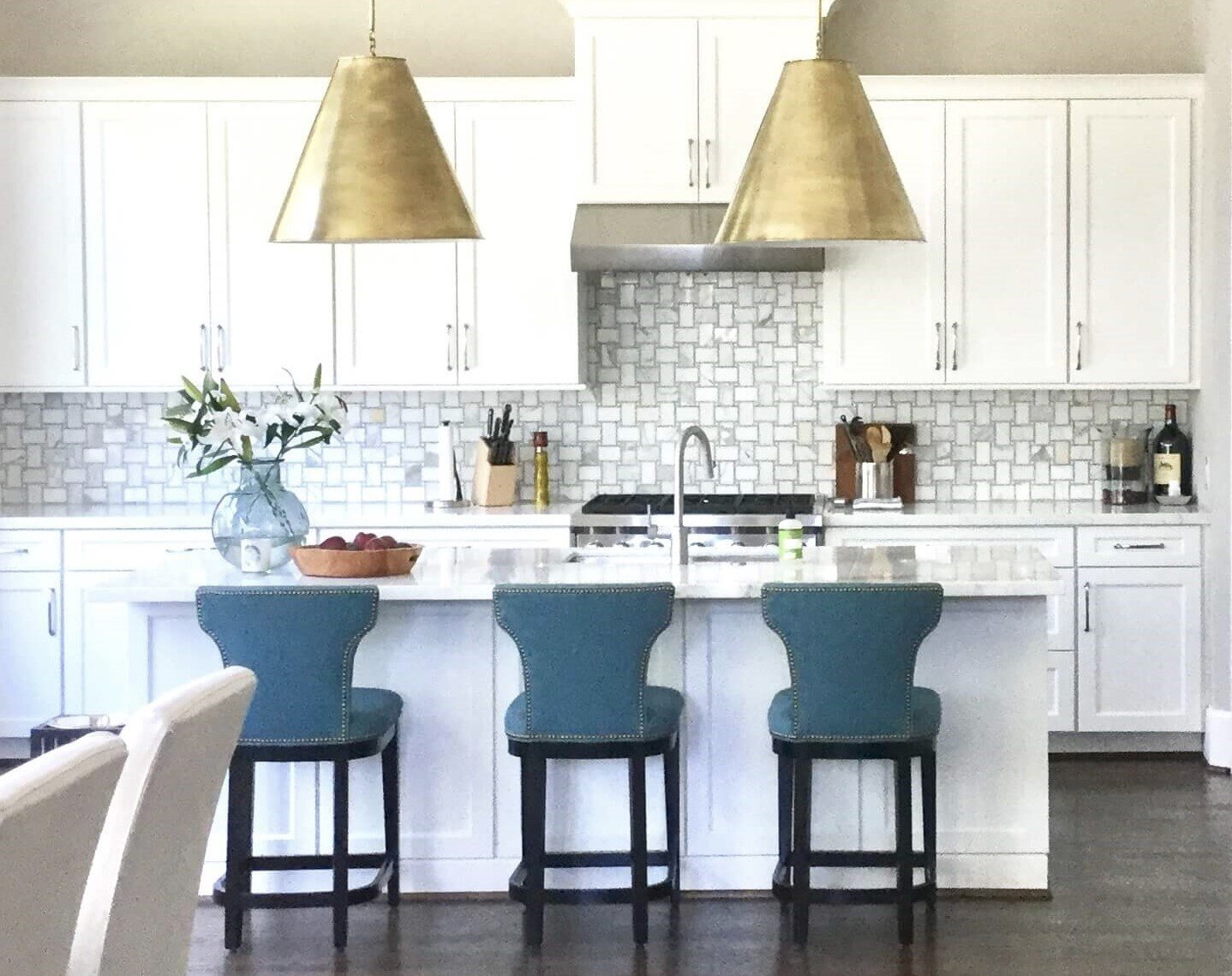
For the past fifteen years, the domestic kitchen was defined by an obsession with extreme brightness. Driven by the rise of open-plan living and real estate staging strategies, homeowners demanded spaces that felt as large and reflective as possible. This led directly to the tyranny of ultra-white shaker cabinets, polished quartz countertops featuring gray lightning-bolt veining, and blinding chrome fixtures. While undeniably clean at first glance, these spaces harbored a hidden flaw: they lacked soul. Under harsh under-cabinet lighting, high-gloss white finishes often felt sterile, clinical, and unforgiving, turning morning coffee routines into exercises in industrial efficiency rather than moments of peaceful awakening.
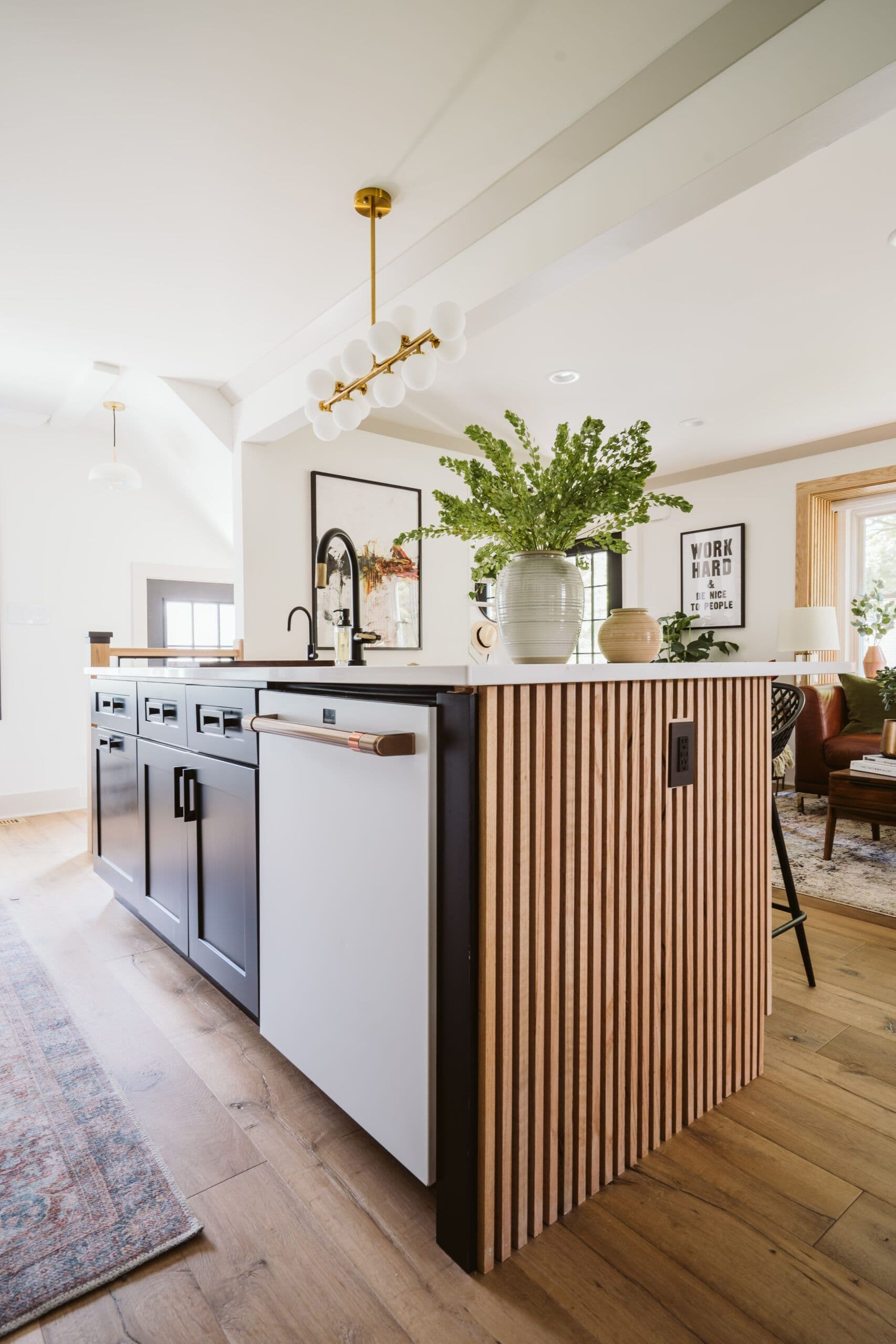
The 2026 kitchen remodel rejects this cold minimalism entirely, pivoting toward a philosophy of radical tactility. Designers are specifying quarter-sawn white oak, European walnut, and character-grade hickory not just for visual interest, but for how they feel beneath the fingertips. Wood grain has become the ultimate luxury texture. When light hits a matte-varnished or soap-treated wooden island, it diffuses softly across the surface rather than bouncing back in a harsh glare. This shift reflects a broader psychological pivot: we are trading the illusion of perpetual cleanliness for the rich, comforting patina of authentic materials.
Underpinning this textural revolution is a major advancement in wood finishing technology. Old-school polyurethane finishes that left wood looking trapped beneath a thick, plastic shell have been replaced by reactive stains, hard-wax oils, and low-VOC water-based conversions. These modern finishes penetrate deep into the cellular structure of the timber, sealing the wood against moisture and red wine spills while preserving its raw, velvety texture. You can feel the pores of the oak, the natural undulations of the ring patterns, and the subtle warmth of the tree itself. It is a sensory engagement that engineered laminate and synthetic paint coatings simply cannot replicate.
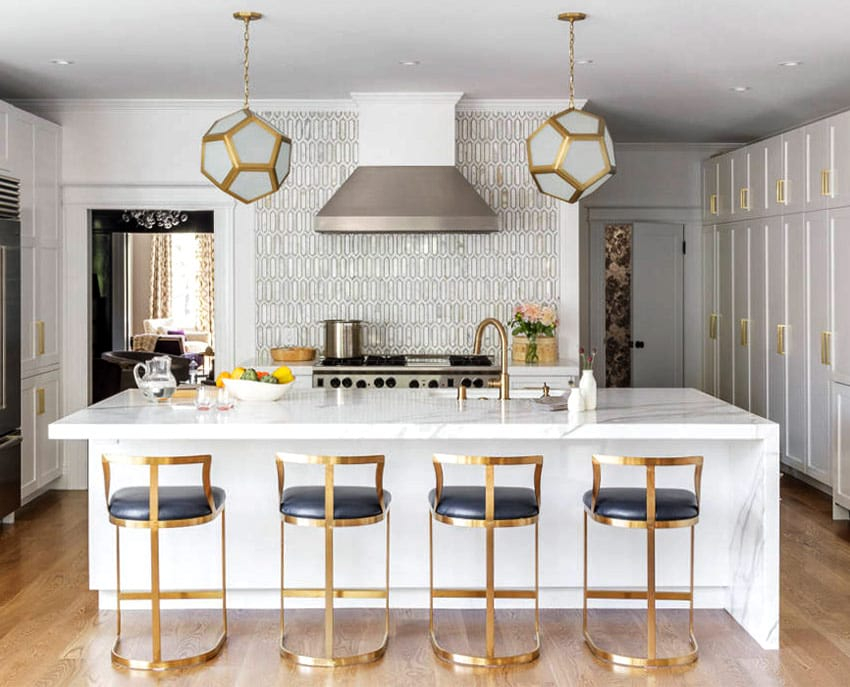
Moreover, the pairing of these rich timber tones with soft, creamy whites creates a dynamic visual tension that pure white-on-white schemes always lacked. Rather than matching trim and cabinetry to a flat, industrial white base, modern palettes rely on complex off-whites infused with hints of yellow, green, or gray—shades like linen, chalk, parchment, and warm putty. These soft whites act as a tranquil visual anchor, preventing heavy wood tones from overwhelming the space while maintaining an inviting, cloud-like softness that makes even a compact urban kitchen feel expansive and serene.
Deciphering the 2026 Color Palette: Moving Beyond Grays and Stark Whites
The chromatic vocabulary of residential architecture has undergone a massive detox over the past twenty-four months. The cool grays that dominated the late 2010s have been retired, recognized by designers and homeowners alike as dreary and uninspired. In their place comes a sophisticated, earth-bound palette that borrows its cues from nature. At the center of this movement are soft stone tones—sand, clay, mushroom, and warm taupe—which form a foundational layer that feels both contemporary and deeply traditional.
This palette does not shy away from nuance. A soft white cabinet in 2026 is rarely a pure, unadulterated white base; it is heavily nuanced with warm undertones that react dynamically to shifting natural light throughout the day. In the golden hour of late afternoon, these creamy off-whites pick up amber and peach hues, casting a welcoming glow across the room. By contrast, stark white surfaces act as prisms, reflecting blue light and frequently feeling cold or institutional when the sun goes down. By shifting the baseline color temperature of the kitchen upward, homeowners create an environment that feels welcoming and restorative at 7:00 AM or 10:00 PM alike.
Wood species selection has similarly matured. While honey-toned oak and cherry once carried unfortunate baggage reminiscent of 1990s suburban tract homes, contemporary treatments have elevated these woods to high art. White oak remains the undisputed king of the modern kitchen, prized for its pale, neutral grain structure that refuses to yellow over time when finished with a specialized white-pigmented oil. Walnut offers a dramatic, mid-century-leaning warmth for islands or tall pantry walls, while smoked and fumed oaks provide deep, moody charcoal-brown undertones without the heavy, opaque weight of traditional dark stains.
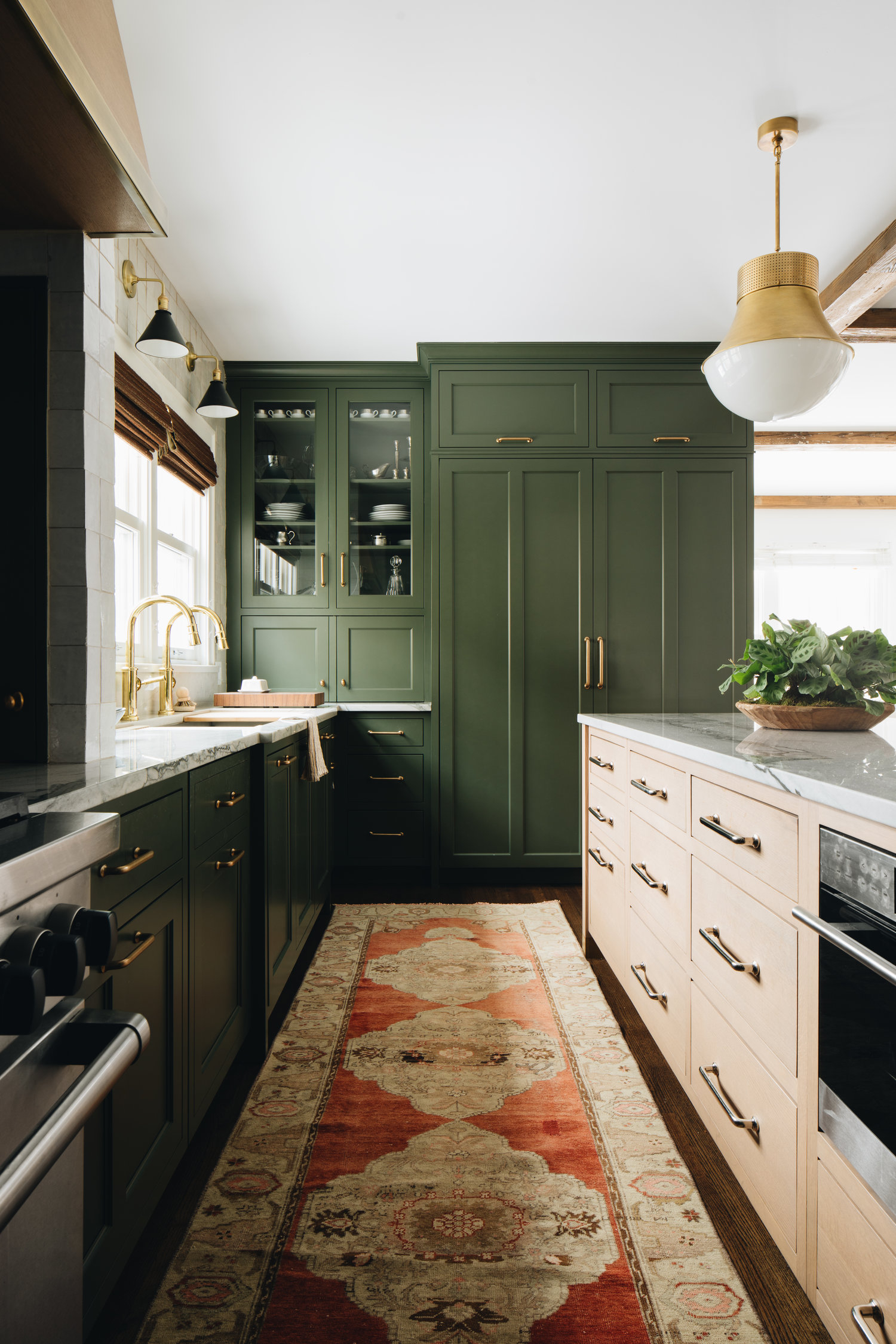
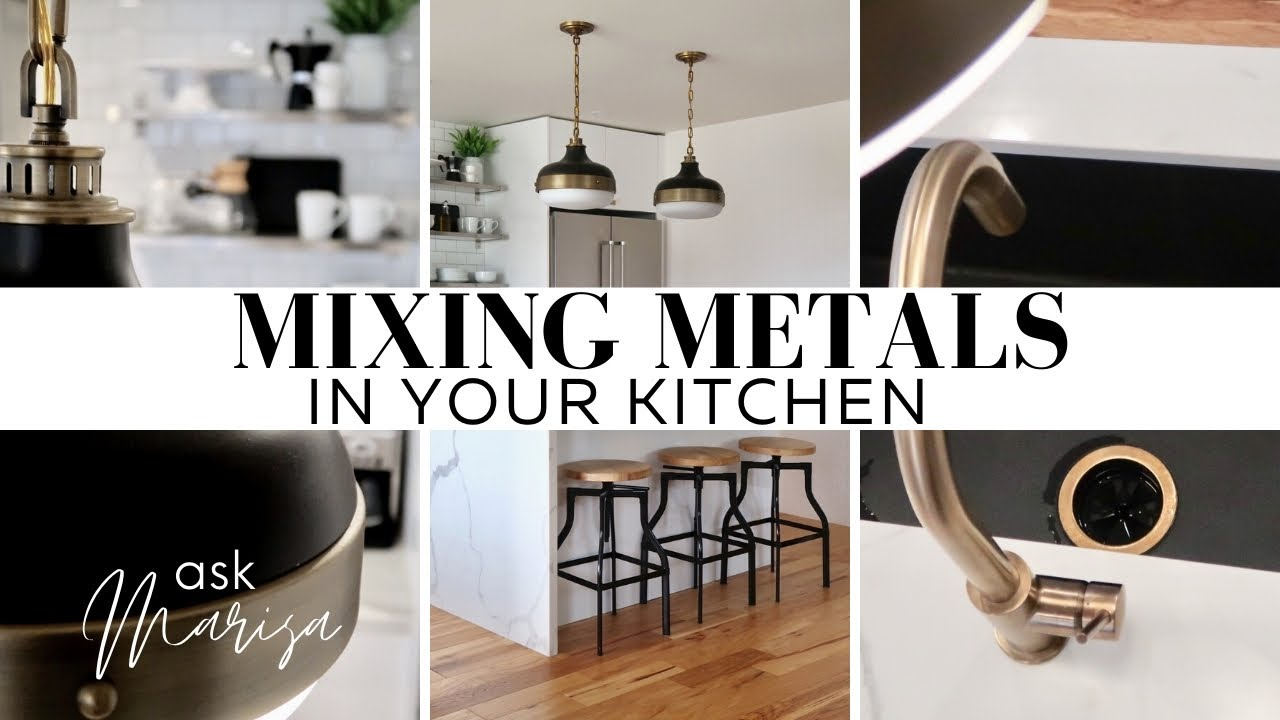
These elements do not exist in a vacuum; they are supported by a carefully curated supporting cast of hardware and surface materials. Unlacquered brass, living copper, and oil-rubbed bronze have largely pushed aside polished chrome and matte black. These "living finishes" are engineered to patina, reacting with the oils from human hands and the humidity of the cooking environment to develop a unique, personalized finish over years of use. Combined with warm stone countertops—such as honed soapstone, leathered quartzite, or warm-veined marbles—the 2026 kitchen achieves a rare design trifecta: it is visually breathtaking, remarkably durable, and profoundly personal.
Executing the Warm Wood and Soft White Transformation: A Step-by-Step Blueprint
Transitioning a kitchen from outdated cool grays or sterile whites into a warm, wood-infused sanctuary requires careful sequencing. Whether embarking on a full gut renovation or a strategic cosmetic refacing, adhering to a structured methodology ensures material cohesion and budget control.
- Step 1 (Audit Natural Light and Spatial Orientation): Before selecting your wood species or off-white paint formula, track how natural light enters your kitchen throughout the day. North-facing kitchens receive cool, bluish light that can make soft whites look dingy; counteract this by selecting creamier, yellow-based off-whites and warmer amber wood stains like chestnut or natural white oak.
- Step 2 (Establish the Anchor Wood Tone): Decide where wood will make the greatest architectural impact. Do not wrap the entire room in timber, or the space will feel claustrophobic. Instead, designate specific focal points—such as the kitchen island, a floor-to-ceiling appliance wall, or open floating shelving—leaving perimeter cabinetry to be finished in your soft white or putty tone.
- Step 3 (Select Performance-Driven Finishes): Kitchens are high-moisture, high-spill zones. Insist on conversion varnishes, two-part polyurethane topcoats with UV inhibitors, or professional-grade hard-wax oils for wood surfaces. For painted soft white cabinets, specify a durable moisture-resistant conversion coating with a dead-matte or low-satin sheen (around 10 to 20 percent gloss) to capture the organic look while repelling grease.
- Step 4 (Layer Hardware and Metal Accents Wisely): Coordinate your hardware finishes with the undertones of your wood and paint. Unlacquered brass and living bronze amplify the golden and red notes in white oak and walnut, whereas subtle brushed nickel or pewter can bridge the gap if you prefer a slightly cooler, transitional balance. Avoid high-shine chrome, which shatters the warm, organic illusion.
- Step 5 (Integrate Tactile Countertops and Backsplashes): Complete the scheme with surfaces that honor the natural theme. Opt for honed, leathered, or brushed stone textures rather than high-gloss polished slabs. Warm quartzites, limestone with subtle fossilization, and handmade zellige tile backsplashes introduce organic imperfections that catch light beautifully and ground the cabinetry.
Navigating Common Remodeling Pitfalls and Practitioner Workarounds
Even the most well-intentioned kitchen transformations can go awry if designers and homeowners fall into predictable trapdoors. Understanding these pitfalls before the first hammer swings saves thousands of dollars in costly adjustments.
- Pitfall 1 (Mismatched Wood Undertones): Trying to match flooring, island cabinetry, and floating shelves using different wood species or random stain brands often results in a visually chaotic, disjointed space. Workaround: Stick to a maximum of two wood species and tones per space. If your hardwood floors are natural white oak, use white oak for your cabinetry or choose a contrasting walnut that deliberately stands apart rather than clumsily trying to match the floor.
- Pitfall 2 (Ignoring Paint LRV – Light Reflectance Value): Selecting a "white" paint chip in a small lighting showroom without testing it in your actual kitchen frequently leads to disaster, resulting in walls that look blindingly bright or sickly yellow. Workaround: Always paint large sample boards (at least 2×2 feet) and move them around different walls of your kitchen over 48 hours to observe how the soft white reacts to morning, noon, and evening light.
- Pitfall 3 (Over-Glossing Matte Materials): Applying a high-shine clear coat over beautiful wood grain to protect it against water damage destroys its organic, tactile appeal, making it look like cheap laminate. Workaround: Demand ultra-matte or low-sheen architectural finishes (dead-matte conversions or penetrating oils) that offer high-level water resistance without sacrificing the natural hand-feel of the timber.
- Pitfall 4 (Neglecting Appliance Integration): A stunning run of warm white cabinetry and white oak can be instantly ruined by the aggressive stainless steel slab of a modern refrigerator standing out like a sore thumb. Workaround: Invest in panel-ready appliances. Concealing your refrigerator and dishwasher behind matching custom panels preserves the uninterrupted, furniture-like flow of the kitchen walls.
- Pitfall 5 (Ignoring Practical Maintenance Realities): Choosing raw, untreated timber or highly porous soft limestone around high-spill cooking and prep zones invites permanent staining and heartbreak. Workaround: Use high-performance protective sealers on natural wood near sinks and ranges, or substitute high-maintenance marble countertops with durable, leathered quartzites that mimic the exact same warmth and veining without the vulnerability to acidic etching.
Economic Value, Longevity, and the Shift Toward Sustainable Interiors
Beyond the immediate aesthetic gratification, the rise of warm wood finishes and soft whites represents a pragmatic financial calculation for homeowners. For years, real estate analysts noted that an all-white kitchen was the safest bet for resale value. However, market saturation has changed the equation. Today, cookie-cutter all-white kitchens can sometimes read as generic or dated to prospective buyers who have toured dozens of identical homes. A kitchen that thoughtfully incorporates custom wood craftsmanship and nuanced, warm architectural paint tones signals quality, bespoke design, and long-term value.
This shift is deeply tied to sustainability and material honesty. In an era where flat-pack furniture and synthetic veneers have flooded the market, solid wood and high-grade engineered timber represent an investment in longevity. High-quality cabinet boxes built from sturdy plywood and faced with genuine hardwood can be easily refinished, sanded, or updated a decade down the line. You do not need to rip out a well-built kitchen when styles shift; you can simply update the finish, swap the hardware, or re-stain the island. This circular approach to interior design stands in stark contrast to the disposable, trend-chasing culture of fast decorating.
Furthermore, the psychological dividend of these organic spaces cannot be overstated. Architects and environmental psychologists increasingly point out that biophilic design—incorporating natural materials, organic textures, and sunlight into indoor environments—directly lowers cortisol levels and promotes a sense of calm. The kitchen is the undisputed emotional hearth of the modern home. When it is clad in warm timber and soft, inviting off-whites, it ceases to be just a workspace for food preparation and becomes a true domestic sanctuary where families naturally congregate, unwind, and linger long after the meal is finished.
Masterclass Takeaways for Your 2026 Kitchen Design
Distilling the core principles of the 2026 kitchen remodel down to actionable rules ensures that your project remains timeless, functional, and emotionally resonant for decades to come.
- Prioritize Material Honesty: Let natural materials look and feel like themselves. Choose low-sheen, tactile finishes that celebrate the authentic grain of wood and the organic variations of stone.
- Ditch Stark White for Complex Off-Whites: Embrace creamy linen, mushroom, putty, and parchment tones for your perimeter cabinets to create a soothing, light-diffusing backdrop that adapts gracefully to changing light.
- Anchor with Wood, Balance with Neutrals: Use mid-tone architectural woods like white oak or walnut strategically on islands or focal walls, anchoring them with soft stone counters and unlacquered hardware.
- Design for the Human Hand: Select living metals like unlacquered brass and tactile surfaces that develop a rich, personal patina over years of daily family use.
- Future-Proof Through Quality: Invest in robust construction and refinishable cabinet surfaces rather than chasing temporary color fads, ensuring your investment ages with grace and character.
The transformation unfolding in contemporary kitchen design is much more than a fleeting aesthetic preference. It is a cultural recalibration—a collective turning away from the cold, hyper-sanitized digital environments that dominate our working lives, and a return to spaces that nourish our humanity. By anchoring our homes in the honest warmth of natural timber and the gentle embrace of soft, nuanced whites, we are building kitchens that do not merely function, but heal.
As you stand on the threshold of your own remodeling journey, remember that the goal is not to build a permanent museum exhibit. The true measure of a successful 2026 kitchen is how it looks on a Tuesday morning when flour is dusted across the white oak island, coffee is steaming in a handmade mug, and the afternoon sun is catching the soft cream of the pantry doors. Design your kitchen not for the camera, but for the life you actually live, and you will create a space that feels like home from the very first day.