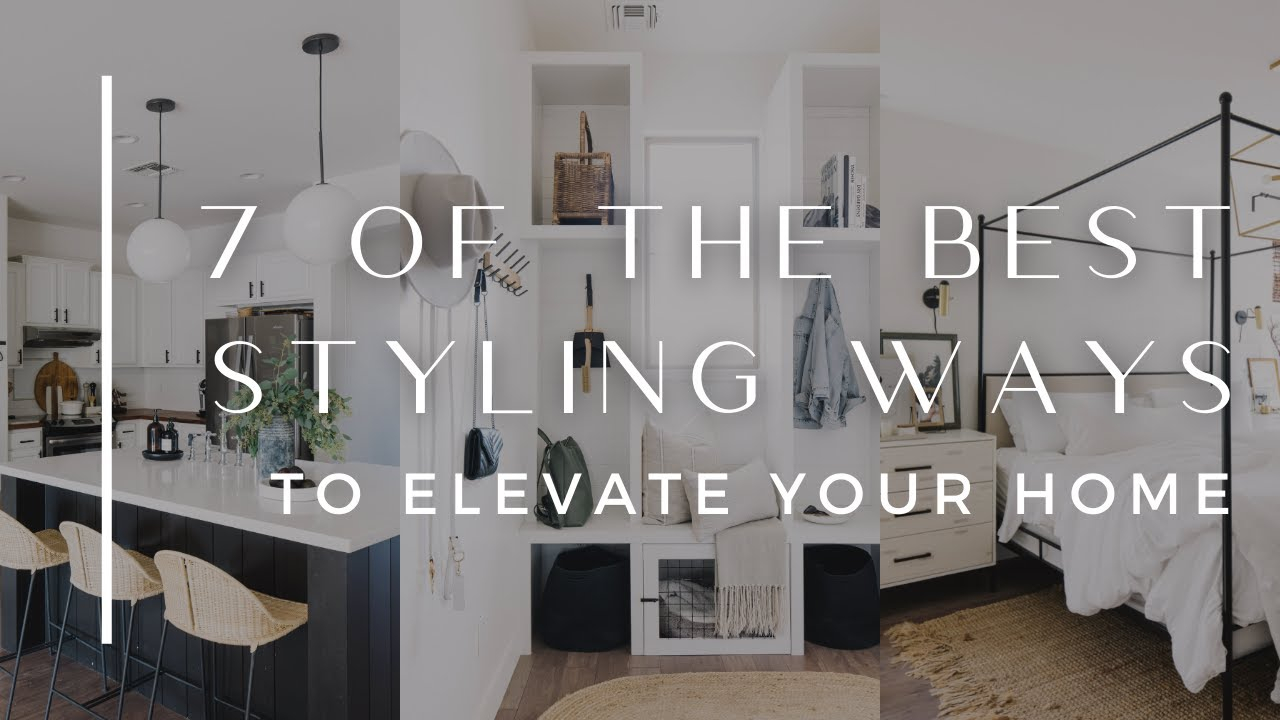
Let’s be real for a second. Have you ever scrolled through social media, seen a living room that looks like it was styled by angels, and then looked at your own bank account? It hurts. We all want that crisp, modern aesthetic—the one that feels curated but lived-in—but the idea of dropping thousands on furniture just isn’t in the cards for most of us right now. Especially in 2026, where every dollar feels like it needs to work double duty.
But here is the good news. You don’t need a massive renovation budget to make your space feel expensive. In fact, some of the biggest shifts in interior design this year are actually leaning away from cold, sterile minimalism and toward spaces that feel warm, personal, and surprisingly easy to achieve on a shoestring. It’s less about buying new things and more about seeing what you have in a new light.
This guide isn’t about telling you to buy the latest trendy sofa. It’s about showing you how to use paint, light, texture, and a bit of elbow grease to transform your home. Whether you are renting an apartment with beige walls that drive you crazy or owning a house that feels stuck in 2015, these strategies are designed to help you elevate your space without emptying your savings. Let’s dive in.
Embracing Warmth Over Sterility
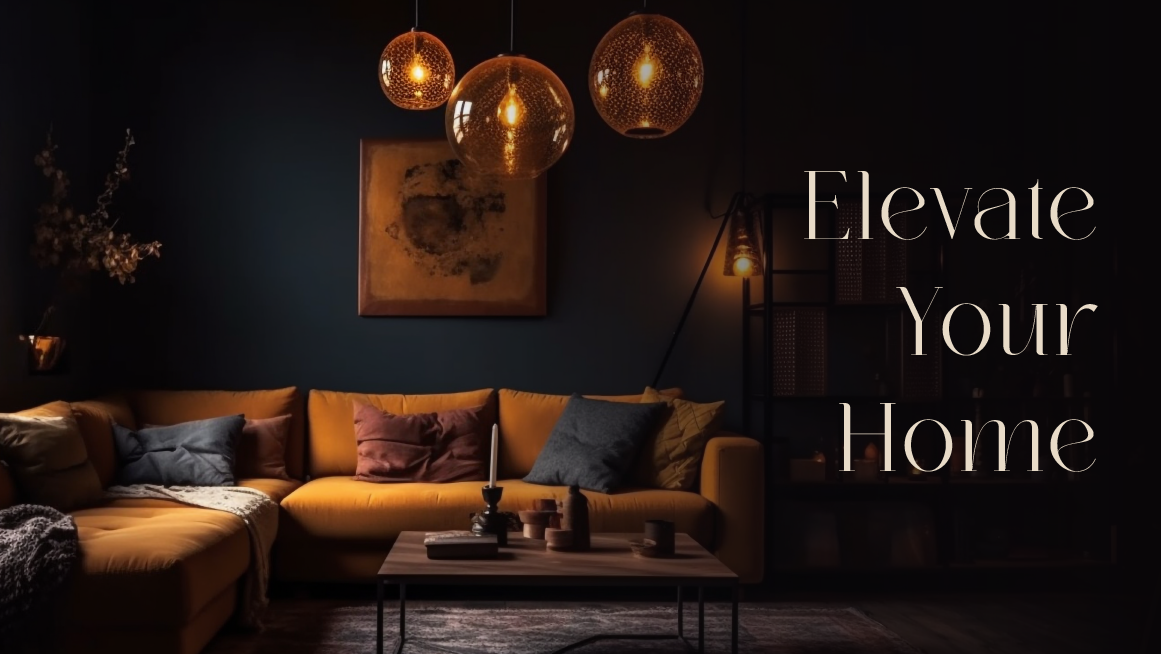
If you’ve been following design trends for the last few years, you know that "modern" used to mean white walls, gray floors, and zero personality. That era is officially over. In 2026, modern aesthetics are getting a serious dose of warmth. Think of it as "soft modern." It’s still clean and uncluttered, but it invites you to sit down and stay awhile. The key here is color. We are moving away from stark whites and toward creamy off-whites, warm beiges, and even soft terracottas.
Why does this matter for your budget? Because paint is arguably the highest-impact, lowest-cost change you can make. A gallon of quality paint might cost you forty or fifty bucks, but it completely changes how light hits a room. If your current walls feel cold or clinical, try a warm neutral. It instantly makes the space feel more expensive and cozy. You don’t even need to repaint the whole house. Just focusing on the main living areas or even just one accent wall can shift the entire vibe.
Another way to inject this warmth is through textiles. You don’t need designer rugs. Look for natural fibers like jute, wool blends, or cotton. Layering is your best friend here. Throw a textured blanket over a simple sofa. Add a couple of pillows in earthy tones. These small additions break up the visual monotony and add depth. It’s a trick interior designers use all the time, but it costs next to nothing if you shop sales or dig through your own linen closet. The goal is to create a space that feels inviting, not like a showroom you’re afraid to touch.
The Magic of Lighting Layers
Lighting is often the most overlooked element in home decor, yet it has the power to make or break a room. Many of us rely on a single overhead light fixture, which casts harsh shadows and makes everything look flat. To elevate your home aesthetic in 2026, you need to think in layers. This doesn’t mean rewiring your house. It means adding plug-in options that create pools of light at different heights.
Start by swapping out those harsh daylight bulbs for warm white ones (around 2700K to 3000K). This simple switch costs pennies but makes your home feel instantly cozier. Next, look at floor lamps and table lamps. You don’t need to buy new ones if you already have them. Sometimes, just changing the lampshade can modernize an old fixture. If you are starting from scratch, look for second-hand lamps at thrift stores. A quick coat of spray paint on the base and a new shade can turn a dated find into a modern statement piece.
Wall sconces are also having a huge moment, and thanks to plug-in versions, you don’t need an electrician to install them. These are perfect for flanking a bed or a sofa, adding symmetry and a high-end look for a fraction of the cost. They draw the eye up and make ceilings feel higher. If you are renting, command strips can often hold lighter plug-in sconces securely. The idea is to avoid relying on that one big ceiling light. By creating multiple sources of soft, ambient light, you add dimension and mood to your rooms, making them feel thoughtfully designed rather than just functional.
Texture Is the New Color
In previous years, we relied heavily on bold accent walls or colorful furniture to add interest. But in 2026, texture is taking center stage. This is great news for budget-conscious decorators because texture often comes from materials you can find cheaply or already own. When a room is mostly neutral, texture prevents it from feeling boring. It adds tactile richness that makes a space feel luxurious.
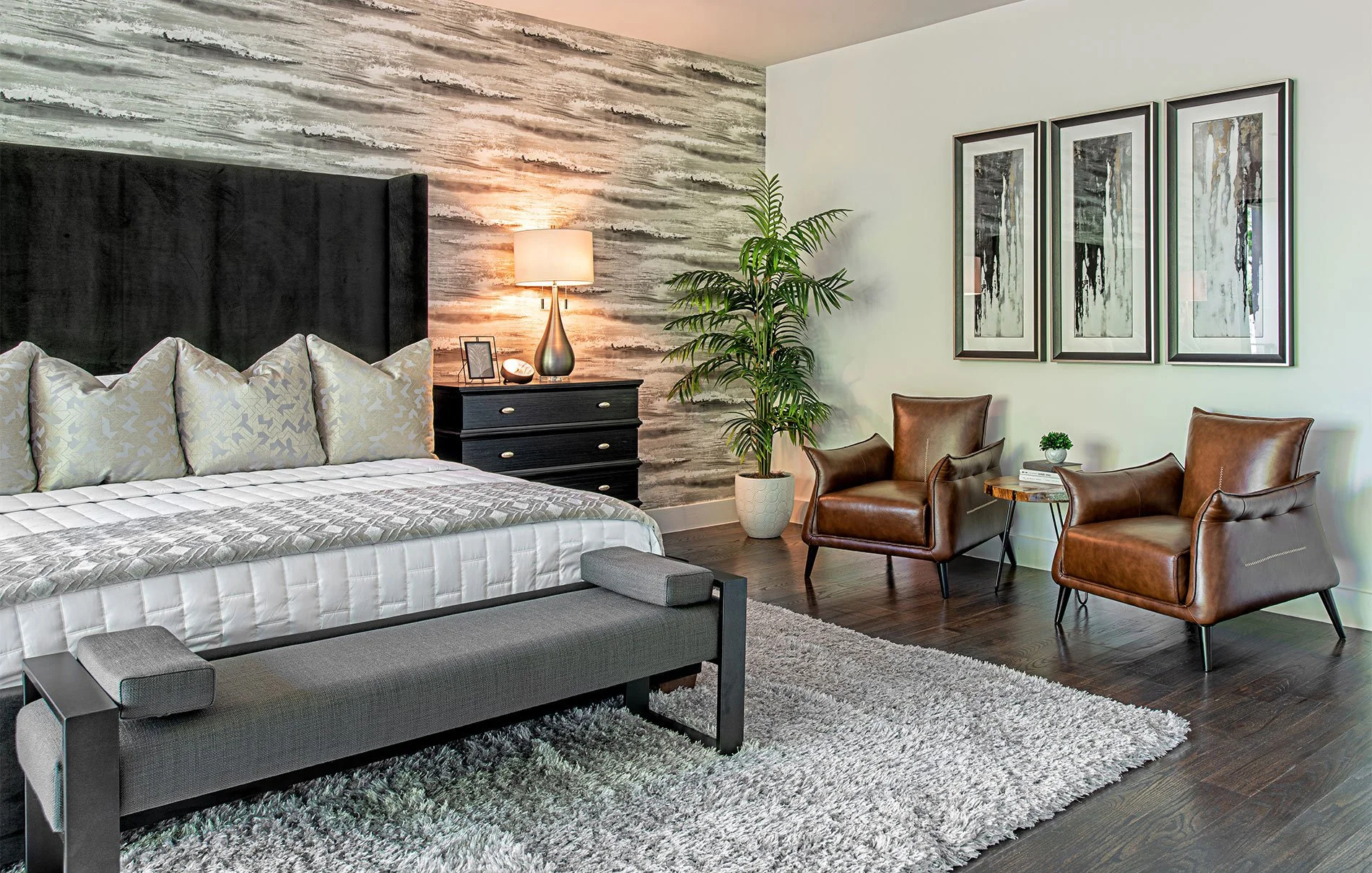
Think about mixing materials. If you have a smooth leather or fabric sofa, add a chunky knit throw. If your floors are hard wood or laminate, soften them with a plush rug. Wooden elements are also key. You don’t need solid oak furniture. Look for pieces with wood veneers or even wooden accents like picture frames, bowls, or cutting boards displayed on shelves. The grain of the wood adds organic warmth that plastic or metal just can’t match.
Don’t underestimate the power of plants, either. They are the ultimate budget-friendly decor item. A large fiddle leaf fig or a trailing pothos adds life and softness to a corner. Plus, they improve air quality, which is a nice bonus. If you kill every plant you touch, go for high-quality faux greens. The technology has improved so much that many are hard to distinguish from the real thing from a distance. Grouping a few plants together creates a mini indoor garden effect that feels fresh and vibrant. The point is to engage the senses. When a room has varied textures, it feels complete and intentional, even if the individual items were inexpensive.
Smart Swaps and DIY Upgrades
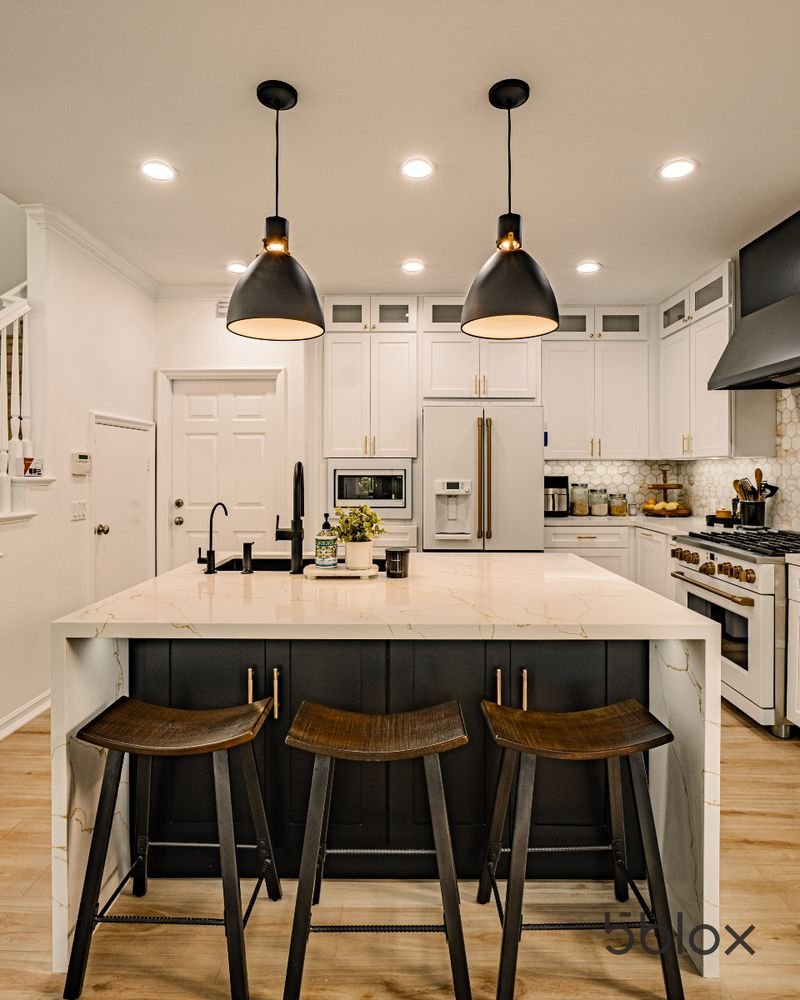
Sometimes, the bones of your home are fine, but the details feel dated. This is where smart swaps come in. Hardware is the jewelry of your home. Replacing old cabinet knobs, drawer pulls, and door handles can modernize a kitchen or bathroom without a full remodel. You can find stylish matte black, brass, or brushed nickel hardware online for very reasonable prices. It’s a weekend project that requires only a screwdriver, but the impact is immediate.
Peel-and-stick products have come a long way. In 2026, there are high-quality peel-and-stick tiles for backsplashes, wallpaper for accent walls, and even flooring options for renters. These are perfect for adding pattern or color without the commitment or cost of traditional materials. For example, a peel-and-stick backsplash in a geometric pattern can transform a bland kitchen into a focal point. Just make sure to measure carefully and prep the surface well to ensure it sticks properly.
Another easy DIY is updating trim and baseboards. If your home has plain, flat trim, you can add character by applying simple molding strips to create a paneled look. Paint it the same color as the wall for a subtle, elegant effect, or contrast it for a bolder statement. This adds architectural interest that usually only comes with older, more expensive homes. These small projects might seem minor, but they add up. They show attention to detail, which is what separates a generic space from a styled one. And the best part? You can do them at your own pace, spreading the cost and effort over time.
Curating Art and Personal Touches
A modern home shouldn’t feel like a hotel lobby. It needs soul. Art is one of the best ways to inject personality, but it doesn’t have to cost a fortune. In 2026, the trend is toward eclectic mixes rather than matching sets. Frame prints you love, whether they are from a museum shop, a local artist, or even pages from a beautiful book. Thrift stores are goldmines for unique frames. You can spray paint mismatched frames in a uniform color (like black or white) to create cohesion, or leave them mixed for a more bohemian vibe.
Gallery walls are still popular, but they are getting more relaxed. Instead of a perfectly symmetrical grid, try a looser arrangement that evolves over time. Start with one large piece you love and build around it. Include personal photos, but print them in black and white or sepia tones to keep the look sophisticated. You can also incorporate non-traditional items like woven baskets, hats, or vintage mirrors. This approach takes the pressure off finding the "perfect" expensive artwork and allows you to tell your own story.
Mirrors are another secret weapon. They reflect light and make small spaces feel larger and brighter. A large mirror leaned against a wall or hung above a console table can act as a major art piece. Look for interesting shapes or frames at garage sales or online marketplaces. Cleaning up an old mirror and giving it a fresh frame can make it look custom-made. The key is to choose pieces that speak to you. When you love what’s on your walls, your home feels authentic and welcoming, which is the ultimate goal of any design.
Finally, let’s talk about the freeest upgrade of all: decluttering. Modern aesthetics thrive on breathing room. This doesn’t mean you need to live in an empty box, but it does mean being intentional about what you keep on display. Clutter creates visual noise, which makes a space feel smaller and more chaotic. By clearing surfaces and organizing storage, you allow the design elements you’ve added—like lighting, texture, and art—to shine.
Start with the basics. Clear off countertops, coffee tables, and nightstands. Keep only a few curated items out, like a vase of flowers, a stack of books, or a candle. Everything else should have a home inside a cabinet or drawer. This creates a sense of calm and order. If you lack storage, get creative. Use attractive baskets or boxes to hide miscellaneous items. Label them if it helps you stay organized. The goal is to reduce visual stress.
Digital clutter counts too. Hide those tangled cords behind furniture or use cord management clips. Exposed wires are a major aesthetic killer. Tucking them away makes the space look cleaner and more polished. Take a walk through your home and ask yourself: does this item add value or joy? If not, consider donating or storing it. A streamlined space feels larger, brighter, and more luxurious, regardless of the actual square footage. It’s about quality over quantity, and it costs absolutely nothing but a little time and effort.
So, there you have it. Elevating your home in 2026 isn’t about keeping up with the Joneses or buying the latest must-have items. It’s about creating a space that feels good to be in. By focusing on warm colors, layered lighting, rich textures, smart DIY swaps, personal art, and intentional decluttering, you can achieve a modern, sophisticated look without breaking the bank.
Remember, design is a journey, not a destination. You don’t have to do everything at once. Pick one or two ideas from this list and start there. Maybe it’s painting a room this weekend. Maybe it’s rearranging your lamps. Small changes add up. And honestly, the most beautiful homes are the ones that reflect the people living in them. So trust your instincts, have fun with it, and enjoy the process of making your space truly yours.