The moment you step inside a freshly painted, minimalist apartment, a subtle tension often settles in the chest. Everything looks pristine on a smartphone screen—matte white walls, streamlined steel-leg furniture, and high-gloss hardwood floors gleaming under recessed LED downlights. Yet, within ten minutes of sitting down, your skin starts seeking friction. Your eyes bounce off hard planes with nowhere to rest. The room is visually complete, but biologically barren. It feels less like a home and more like an architectural rendering waiting for life to happen.
This modern sensory deficit is an unintended casualty of design trends that prized absolute flatness, seamless finishes, and sterile perfection. When every surface rejects the hand, the nervous system stays on high alert. Humans are biological organisms wired for physical feedback; we evolved reading our environments through touch, weight, and friction. Without physical variation, a living space remains static, locking its inhabitants in a perpetual state of visual and tactile starvation.
Transforming that flat room into a living sanctuary requires shifting focus away from mere color palettes and furniture arrangements. It demands an intentional choreography of textures. By introducing calculated friction—rough against smooth, heavy against light, matte against polished—you awaken a room’s physical presence. This guide breaks down the science, the materials, and the execution required to turn sterile four-wall boxes into immersive, soul-restoring environments.
The Architecture of Touch and the Neurobiology of Space
For decades, mainstream interior styling relied heavily on a two-dimensional mindset. Rooms were judged by how they photographed from a single fixed angle, prioritizing color harmonies over physical interaction. This aesthetic sidelined the human sense of touch, treating furniture and walls as optical objects rather than physical surfaces meant to be grazed, stepped on, and leaned against. Sensory interior design upends this flat philosophy by recognizing that physical touch triggers deep emotional responses, regulating cortisol levels and evoking feelings of psychological safety.
When the hand encounters a nubby boucle armchair, a rough-hewn reclaimed oak beam, or the cool, dense weight of a honed soapstone countertop, the brain immediately registers material authenticity. These tactile interactions ground us in the physical present. Without them, even a luxuriously sized room feels hollow. The human nervous system craves contrast. If every surface in a room has the same uniform sheen or flat drywall texture, the brain stops processing the environment, treating the space as visual noise.
Architects and master craftsmen have long understood that materials tell a story through their aging process and tactile friction. Unsealed brass patinas, organic linen with slubs and irregularities, and hand-knotted wool rugs carry the evidence of human hands and natural forces. Integrating these elements alters the acoustics of a room as well. Hard, flat surfaces bounce sound waves relentlessly, creating an unconscious cognitive fatigue. Soft, porous, and layered tactile materials absorb sound, softening the auditory landscape and turning a boisterous echo chamber into an acoustic sanctuary.
Decoding the Five Material Dimensions of Dimensional Design
Mastering texture is not about throwing random fabrics together; it is a systematic balancing act across five distinct material dimensions: weight, temperature, scale, finish, and flexibility. Every object in a room falls somewhere along these spectrums. A successful sanctuary balances these dimensions so that no single sensory note dominates the space.
Consider material weight. A lightweight, sheer polyester curtain paired with a sleek metal floor lamp creates a top-heavy, flimsy feeling if the base lacks anchor. Introducing a heavy, unglazed terracotta vessel or a low-slung, solid-timber bench restores equilibrium. Temperature plays an equally vital role in how a room feels during different seasons. Cold-rolled steel, polished chrome, and polished marble draw heat away from the body, making a space feel brisk. Layering in warm-toned tactile elements like shearling pelts, wool throws, and raw ceramics counteracts this chill, creating an immediate psychological warmth.
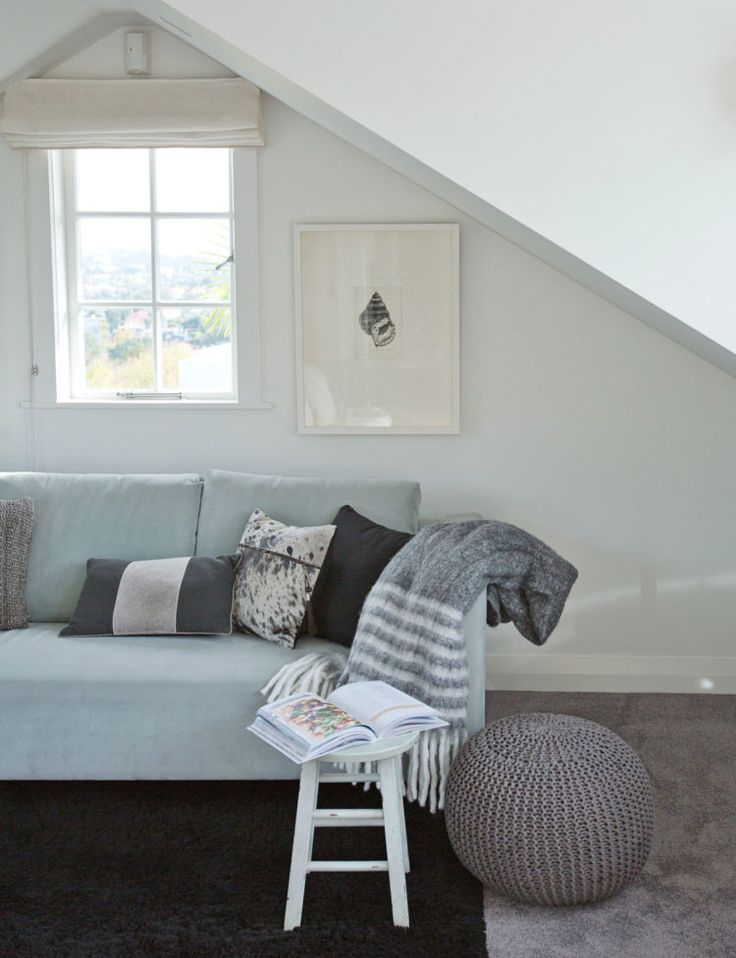
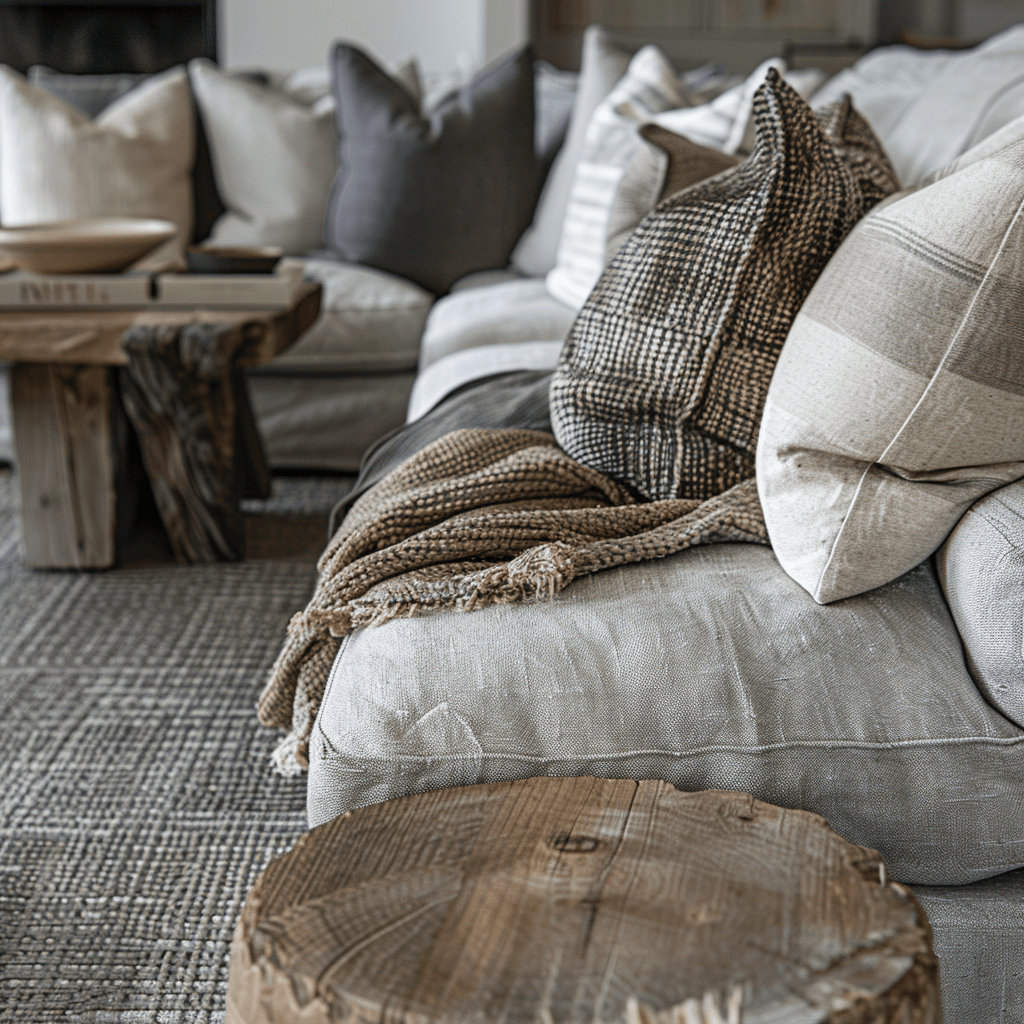
Scale is where many spatial transformations fail or succeed. If all textures in a room share a fine grain—such as smooth leather upholstery, micro-weave cotton pillows, and fine-finish oak floors—the room loses its textural depth. True sanctuary design demands juxtaposition: pairing the micro-texture of smooth plaster walls with the macro-texture of a chunky, hand-spun jute rug or a deeply ribbed velvet upholstery. This interplay between fine and coarse grain tricks the eye and invites the hand to explore, creating a multidimensional environment that feels perpetually alive.
The Step-by-Step Blueprint for Layering a Room From the Ground Up
Revitalizing a flat room requires a deliberate sequencing of interventions. Rushing to buy decorative pillows before establishing the foundational layers will only result in surface-level clutter. Follow this systematic, five-step methodology to build a room with genuine tactile depth.
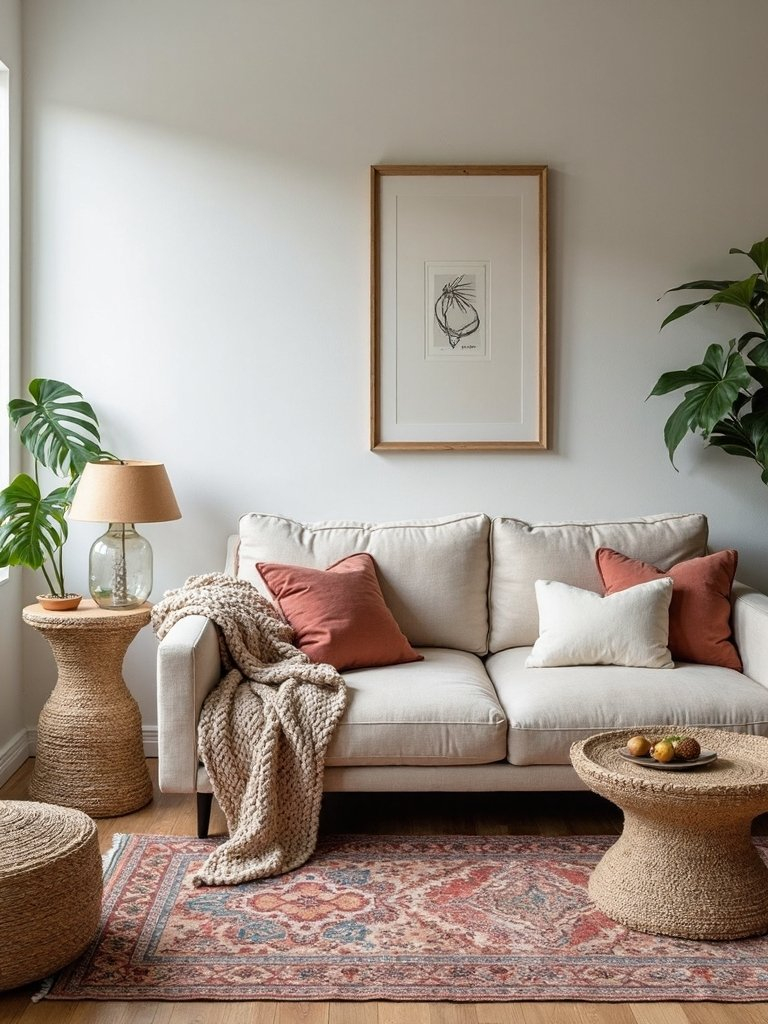
- Step 1 (Anchor the Floor Foundation): Begin with the lowest plane. Discard flimsy, low-pile synthetic rugs and lay down a high-texture, natural-fiber foundation such as a thick wool loop or an organic jute rug. For ultimate luxury, layer a smaller vintage distressed wool rug or a sheepskin directly over the natural base to introduce varied pile heights.
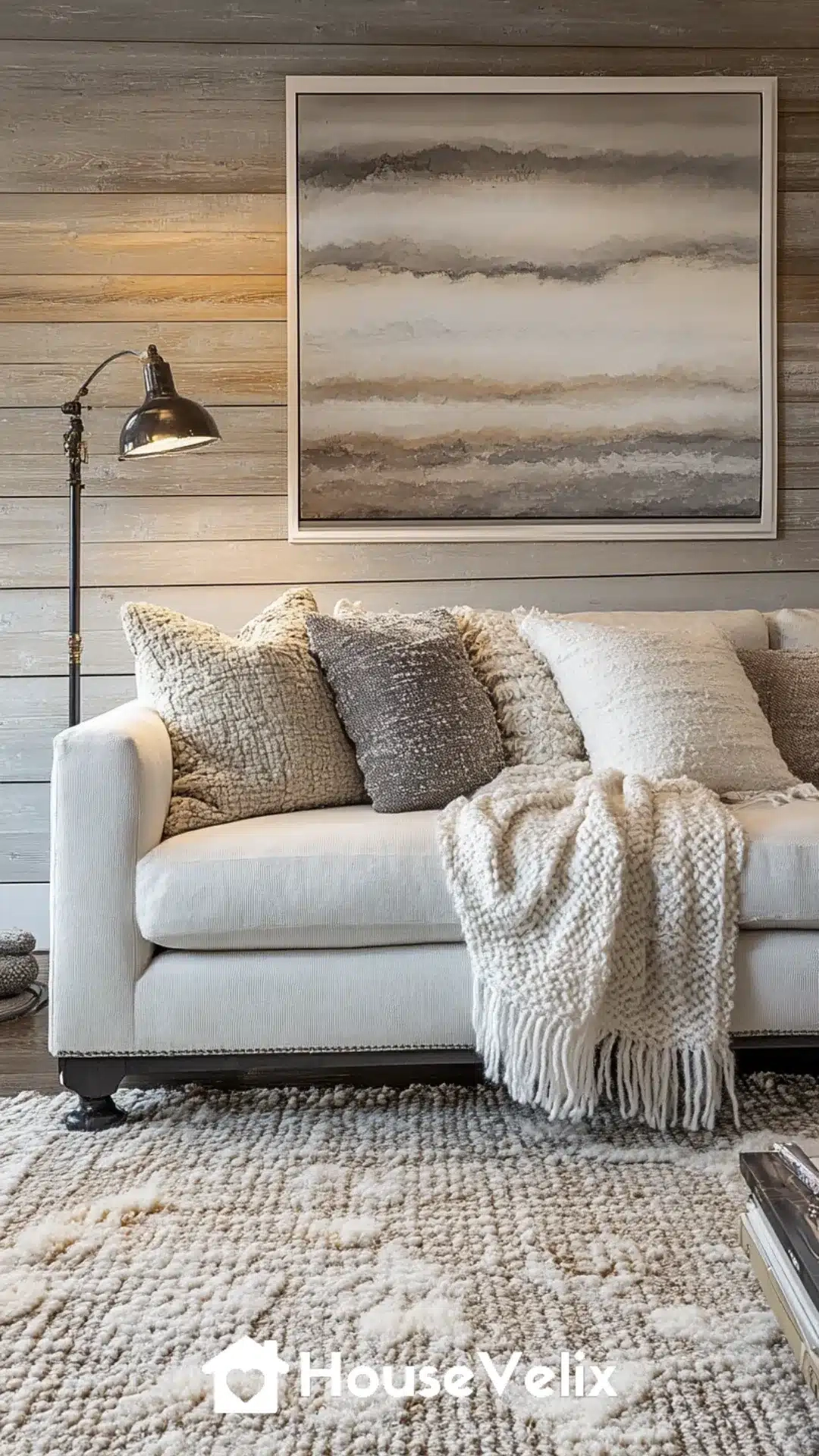
- Step 2 (Treat the Vertical Walls): Move upward to the walls. Break the monotony of flat drywall by applying a micro-cement finish, limewash, or lime-plaster wash that catches shifting daylight. If structural changes are not possible, anchor large-scale art featuring tactile canvases, woven wall hangings, or vertical slatted wood acoustic paneling.
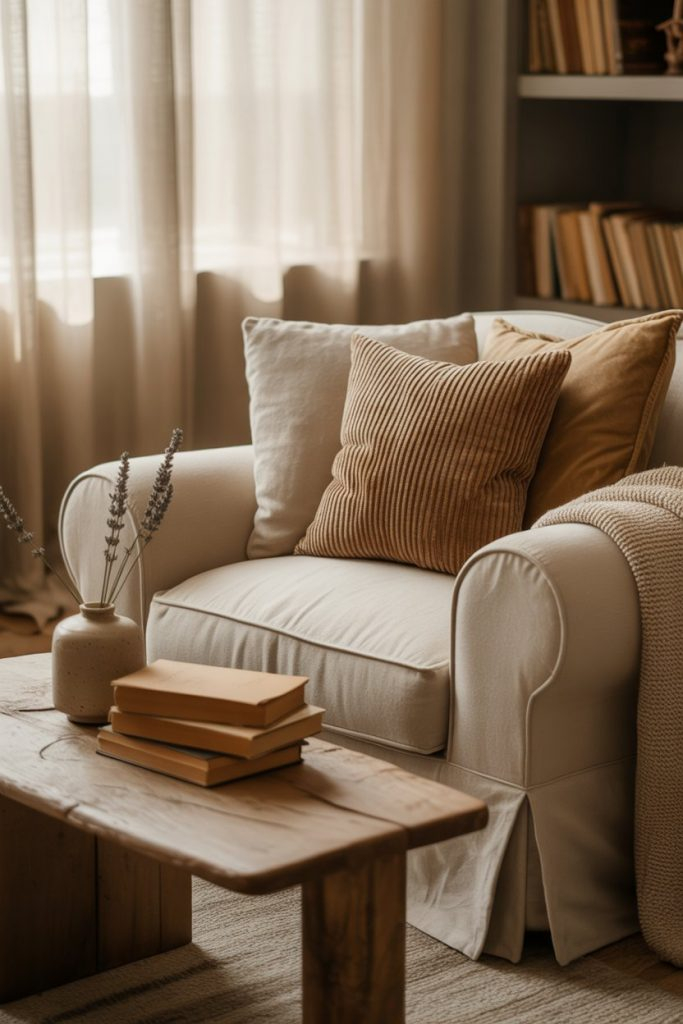
- Step 3 (Select Upholstery with Structural Contrast): Evaluate your seating and larger furniture pieces. Ensure your sofa and armchairs feature contrasting fabric weights—pair a smooth, tailored leather frame with heavy, textured linen slipcovers or deep-channel velvet cushions that shift in tone as the light changes.
- Step 4 (Layer Functional Surfaces and Accents): Address coffee tables, consoles, and sideboards. Eliminate plastic or purely high-gloss surfaces in favor of living materials: honed travertine, fluted ceramic vases, heavy cast-bronze trays, and unpolished wood bowls that invite touch every time someone reaches for a book or a cup of coffee.
- Step 5 (Incorporate Soft Textiles and Illumination): Complete the space with the final textile and lighting layer. Drape artisan-made linen throws over chair backs, scatter pillows featuring varying fill weights and tactile weaves, and position lamps with ceramic or woven lamp shades to diffuse warm, directional light across your newly created textures.
Navigating Texture Traps and Common Styling Pitfalls
Even well-intentioned interior projects can veer off course when texture is applied haphazardly. Without a strategic eye, a room can quickly transition from a curated sanctuary into a chaotic, visually heavy warehouse of competing elements. Recognizing these common pitfalls prevents costly mistakes and preserves the clean intention of your space.
Over-texturing is the most frequent misstep. Piling on fringe, jute, velvet, boucle, rustic wood, and exposed brick all at once creates visual anxiety rather than calm. Balance is achieved through the 80/20 rule: keep 80 percent of the room anchored in serene, clean, cohesive finishes, and reserve 20 percent for high-impact tactile contrasts. Another common trap is ignoring tactile maintenance. Natural fibers like untreated wool, raw linen, and unsealed stone require specific care. Failing to account for how a fabric wears in a high-traffic zone leads to premature degradation, ruining the sensory appeal within months.
- Pitfall 1 (The Monolithic Monoculture): Relying entirely on one family of textures, such as an all-boucle or all-linen scheme. Practitioner Workaround: Force a material clash by introducing a piece of contrasting density, such as a cold, smooth stone side table next to a soft fabric sofa.
- Pitfall 2 (Visual Clutter Masquerading as Texture): Confusing busy patterns with genuine tactile depth. Practitioner Workaround: Strip away distracting prints and rely solely on physical weave, grain, and weight to create interest without optical fatigue.
- Pitfall 3 (Ignoring Seasonal Comfort Shifts): Keeping heavy, hot wools and dense leathers out during sweltering summer months, or leaving cold metal and bare wood unmitigated in winter. Practitioner Workaround: Rotate lightweight linen and cotton layers in summer, swapping them for heavier sheepskins and chunky knits as temperatures drop.
- Pitfall 4 (Neglecting Scale and Grain Contrast): Using materials that all share a similar fine grain, making the room look flat from a distance. Practitioner Workaround: Pair ultra-smooth surfaces, like polished concrete, directly against coarse, heavily grained organic materials like reclaimed timber or rough ceramic.
- Pitfall 5 (Forgetting the Acoustic Reality): Designing a visually stunning tactile room that still echoes because every soft item is non-absorbent. Practitioner Workaround: Introduce heavy drapery, upholstered acoustic panels, and thick-pile rugs to trap sound waves and quiet the room’s atmosphere.
The Long-Term Economics and Emotional Return of Sensory Interiors
Investing in tactile materials changes the economic footprint of how you furnish a living space. Fast-furniture items constructed from particle board covered in printed vinyl wrap are designed to degrade quickly, contributing to a cycle of constant replacement and environmental waste. By contrast, investing in living materials—solid hardwoods, artisan-woven wools, natural stone, and heavy forged metals—builds a home interior that improves with age. These materials develop a patina, recording the history of the household rather than breaking down under daily use.
From a psychological standpoint, rooms built on tactile layers act as emotional shock absorbers. In a world dominated by glass screens, digital interfaces, and smooth plastic devices, coming home to an environment rich in physical variance offers vital sensory grounding. This is not merely an aesthetic indulgence; it is a fundamental wellness strategy. When your physical surroundings engage multiple senses, your heart rate stabilizes, cognitive fatigue lifts, and the home successfully reclaims its role as a sanctuary from the outside world.
Furthermore, authentic textures connect us to global craftsmanship and sustainable production methods. Sourcing hand-knotted rugs from independent artisans, unglazed ceramics thrown by local potters, and reclaimed timber salvaged from historic structures imbues your living space with narrative weight. You no longer live inside a generic catalog page; you inhabit a curated collection of human stories and geological history, wrapped in fabrics that soothe the skin and elevate daily existence.
Strategic Frameworks for Sustaining a Multisensory Sanctuary
Maintaining a tactile sanctuary requires ongoing curation rather than a one-time setup. As seasons shift and lifestyles evolve, your home should adapt to mirror those changes while preserving its core sensory balance. Establishing a seasonal rhythm for your textiles ensures that your living space remains dynamic throughout the year.
Begin by auditing your rooms twice a year during equinox transitions. Assess whether the current tactile weight aligns with the ambient climate and your psychological needs. In spring, strip away heavy wool throws and dense velvet pillow covers, storing them cleanly while bringing out crisp, breathable Belgian linens and smooth cotton-silk blends. In autumn, reverse the cycle, reintroducing heavy weaves, warm-toned ceramics, and layered floor coverings that insulate both visually and physically against the coming chill.
Keep a mental inventory of your room’s sensory friction points. If a corner of your living room feels dead or uninviting despite having adequate lighting and furniture, it usually signals a tactile vacuum. Rather than adding another piece of furniture, introduce a sensory catalyst: a heavy woven basket filled with linen quilts, a raw-edge wooden stool, or a tactile ceramic lamp base. By continuously fine-tuning these micro-elements, you ensure that your living sanctuary remains a living, breathing environment that nurtures you day after day.
Transforming a flat, sterile room into a living sanctuary is an act of reclaiming your immediate environment from the relentless digitization of modern life. It requires moving beyond the flat perfection of screen-based design and embracing the beautiful, tactile irregularities of the physical world. By balancing weight, temperature, scale, and finish, you stop merely decorating a space and start engineering an atmosphere of calm.
The journey does not require a complete architectural overhaul or an unlimited budget. It begins with a single intentional choice: swapping a synthetic throw for a heavy wool knit, trading a high-gloss plastic side table for a honed stone pedestal, or laying down an organic jute rug that begs to be felt underfoot. Each tactile layer you introduce whispers to your nervous system that you are safe, grounded, and home.
Take a critical look around your primary living space today. Notice where your eyes glide without stopping, where your hands find nothing to touch, and where the air feels visually thin. Apply the principles of tactile layering, respect the balance of material contrast, and watch as your flat rooms evolve into enduring, multi-sensory sanctuaries.