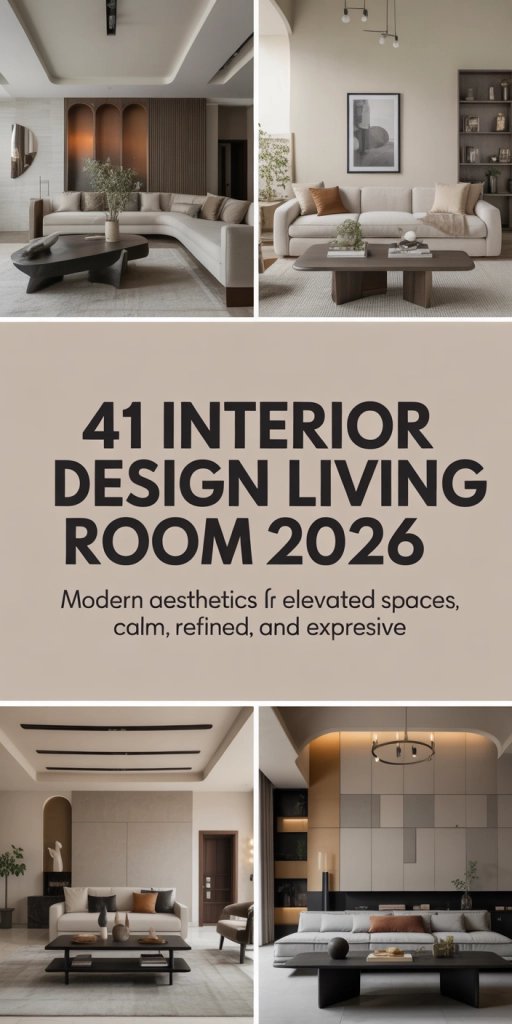
The throw pillows are karate-chopped. The matte-black metal accents catch the afternoon light, and the area rug sits precisely eighteen inches away from the baseboards, anchoring a seating arrangement pulled straight from a digital lookbook. Yet, standing in the center of the living room, a heavy, sinking realization sets in: the space looks immaculate, but it could belong to anyone. It lacks a pulse. It feels like a high-end hotel lobby or a furniture showroom floor, completely stripped of the messy, beautiful narrative of the human beings who actually inhabit it.
We live in an era of algorithmic aesthetic homogenization. Social media feeds constantly push identical palettes of greige, fluted wood paneling, and boucle chairs, conditioning people to value visual perfection over emotional resonance. When a home is styled strictly according to viral design trends, it ceases to be a personal sanctuary. Instead, it becomes a staging ground for external validation. The tragedy of the modern home is not that it lacks expensive furniture, but that it lacks the unmistakable signature of the lives lived within its walls.
Reclaiming a room requires unlearning the rigid orthodoxy of perfectionism. It demands a shift away from decorating for the camera and toward designing for the nervous system and the personal history. Personalization is not about cluttering surfaces with random keepsakes or abandoning design fundamentals. Rather, it is the deliberate art of weaving individual identity, tactile memory, and lived experiences into the physical architecture of a room. By mastering a few straightforward styling rules, any ordinary, flat space can shed its corporate sterility and transform into an environment that feels profoundly, unmistakably yours.
Breaking Free From the Showroom Aesthetic Through Intentional Layering
The primary culprit behind a sterile room is the absence of visual and material depth. Mass-produced interior styling often relies on flat, uniform surfaces where every object is brand new, perfectly coordinated, and arranged with clinical precision. Real, deeply personal spaces are born from friction—the intentional juxtaposition of old and new, polished and raw, manufactured and organic. Achieving this requires moving past the initial phase of furniture placement and entering the realm of micro-layering, where the texture of a surface tells a sensory story before a single word is spoken.
Layering begins with the foundational envelope of the room: floors, walls, and windows. Instead of settling for standard-issue window treatments or bare, unadorned surfaces, a personal room demands textiles that absorb sound and soften hard architectural lines. Consider layering a flat-weave jute rug beneath a vintage, distressed Persian wool rug to create an instant sense of history and geographical grounding. This technique immediately tricks the eye into believing the room has evolved over decades rather than being assembled over a single weekend from a corporate catalog.
Furthermore, lighting acts as the invisible conductor of atmosphere. Overhead architectural lighting and recessed cans flatten spatial dimensions and drain color from human skin. Personal spaces reject the singular overhead glare in favor of an ambient constellation of light sources operating at varying heights. Table lamps with warm-toned bulbs, picture lights casting a soft glow over framed family sketches, and heavy iron floor lamps create pools of intimacy. When light bounces off mixed metals, aged brass, and raw ceramics, the room awakens, casting long, softening shadows that make ordinary corners feel mysterious and inviting.
The Psychology of Curating Objects With Narrative Weight
A room feels deeply personal when the items resting on its shelves and coffee tables possess an internal narrative. Most people approach shelf styling by running to a home goods retailer to buy decorative objects—faux books, ceramic urchins, and geometric sculptures that carry zero emotional weight. While these items fill physical space, they fail to anchor the inhabitant’s identity. The secret to a soul-filled room lies in shifting the curation mindset from mere decoration to artifact collection.
Objects with narrative weight are those gathered from the friction of daily life, travel, inheritance, and personal obsession. That chipped stoneware bowl picked up at a roadside market in rural Portugal, the stack of dog-eared paperback philosophy books inherited from a grandfather, or the framed matchbooks from memorable dinners out carry energetic frequencies that mass-market decor cannot replicate. These items act as visual anchors, sparking memories and inviting conversation. When guests enter the room, they do not just see a pretty space; they encounter the autobiography of the homeowner rendered in three dimensions.
However, displaying personal artifacts requires editorial restraint. If every sentimental object owned is crammed onto a single bookshelf, the result is visual chaos rather than curated charm. The rule of thumb for personal curation is the rhythm of breath: negative space is just as important as the object itself. Group items in odd numbers, vary their heights by utilizing stacked books or wooden risers, and ensure that every displayed piece has a clear visual counterpart across the room to maintain balance and visual harmony.
A Step-by-Step Framework for Infusing Soul Into a Standard Room
Transforming an ordinary room into a deeply personal haven does not require a complete architectural overhaul or an unlimited budget. It requires a systematic approach to editing, sourcing, and styling that prioritizes personal meaning over trend compliance.
- Step 1 (The Great Blank Slate Audit): Strip the room down to its essential furniture pieces by removing all generic decor, seasonal trinkets, and impulse purchases that do not genuinely serve your daily life or bring you immediate joy.
- Step 2 (The Personal Artifact Inventory): Gather items from storage, closets, and other rooms that hold deep sentimental value—old photographs, travel mementos, handmade pottery, vintage textiles, and heirloom books.
- Step 3 (Establishing the Tactile Foundation): Introduce organic textures through high-quality natural fibers like heavy linen, distressed leather, raw wood, and unlacquered brass to counteract the coldness of modern drywall and synthetic carpets.
- Step 4 (Strategic High-Low Arrangement): Style surfaces by pairing high-end foundational pieces with raw, imperfect personal items, ensuring that the arrangement feels collected over time rather than purchased in a single transaction.
- Step 5 (Lighting and Scent Harmonization): Layer warm, low-level light sources across multiple elevations and introduce a signature, subtle ambient scent using natural beeswax candles or essential oil diffusers to engage the olfactory senses.
Common Styling Mistakes That Strip a Space of Its Humanity
Even with the best intentions, homeowners often fall into traps that drain personality out of a room. Recognizing these missteps is essential for maintaining a space that feels authentic rather than forced.
- Pitfall 1 (The Museum Syndrome): Placing precious items under glass domes or high up on sterile shelves where they cannot be touched or interacted with, turning the living space into a cold museum exhibit rather than a functional home.
- Pitfall 2 (Over-Matching Furniture Sets): Buying entire bedroom or living room collections from a single catalog page, which eliminates the tension of discovery and results in a flat, showroom environment.
- Pitfall 3 (Neglecting Scale and Proportion): Hanging tiny, postage-stamp-sized artwork dead-center on massive walls out of fear of making a bold statement, leaving the room feeling timid and unresolved.
- Pitfall 4 (The Trap of Perfectionism): Constantly rearranging items to eliminate natural asymmetry and organic messiness, creating an uptight atmosphere where guests feel afraid to sit down or relax.
- Pitfall 5 (Hiding All Practical Life): Stashing away everyday items like favorite coffee mugs, reading glasses, and current reading material in closed bins, resulting in a sterile look that denies human occupation.
The Long-Term Evolution of a Living, Breathing Interior
A truly personal room is never finished; it is an ongoing, living organism that evolves alongside its inhabitants. The contemporary obsession with instant gratification in interior design encourages people to view a room as a final destination—a project to be completed, photographed, and checked off a list. This mindset overlooks the reality that human beings change, grow, accumulate new passions, and shed old phases. A home that reflects its owner must possess the structural elasticity to absorb these life transitions gracefully.
Embracing the evolution of a room means allowing surfaces to acquire patina, wear, and minor imperfections. Scratches on a solid oak dining table, softened leather on a reading chair, and faded spines on well-read books are not defects; they are the physical markers of time passing. When styling rules are applied with flexibility, the home becomes a chronological archive of life. Seasonal shifts provide natural moments for micro-updates—swapping heavy wool throw blankets for lightweight vintage kantha quilts in the spring, or bringing in foraged branches from local walks instead of buying artificial floral arrangements.
Furthermore, economic and ecological sustainability naturally aligns with this personal styling philosophy. When you stop chasing micro-trends and instead invest in vintage finds, heirloom restoration, and meaningful handmade objects, you reduce consumption waste and build a timeless interior. The economic value of a home styled with personal narrative far surpasses that of a trend-driven space because personal identity is immune to depreciation. A room anchored in authentic personal history remains eternally relevant, regardless of what the design market dictates next season.
Actionable Takeaways for Crafting Your Personal Sanctuary
Synthesizing the art of personal room styling into actionable daily habits ensures that your living space remains a true reflection of your internal world. The goal is to create an environment that acts as an exhale the moment you walk through the front door, shielding you from the external noise of the world.
- Prioritize Function and Feeling Over Trends: Always ask whether a design choice serves your daily lifestyle and emotional well-being before considering whether it aligns with current design aesthetics.
- Embrace the Imperfect and Aged: Seek out vintage, antique, or handmade items that carry visible signs of age, use, and human craftsmanship to ground your modern spaces.
- Edit Ruthlessly and Rotate Often: Do not display every sentimental item at once; curate a rotating exhibition of personal artifacts to keep surfaces dynamic and uncluttered.
- Layer Sensory Elements: Combine varied textile weights, warm lighting at multiple heights, and natural scents to engage all the senses, transforming a visual composition into a tactile experience.
The rooms we inhabit shape our thoughts, our creativity, and our capacity for rest. When we surrender our living spaces to the endless churn of algorithmic styling and corporate homogenization, we quietly surrender a piece of our personal agency. Reclaiming an ordinary room is an act of quiet rebellion against a culture of mass-produced uniformity. It is a commitment to honoring your own history, your quirks, your travels, and your quietest moments of peace.
As you look around your own home today, do not view the flaws or the empty corners as failures. View them as an invitation to begin the slow, deeply rewarding work of curation. By applying these simple styling rules—layering with intention, celebrating narrative objects, and refusing the tyranny of perfection—you can turn any ordinary room into a sanctuary that speaks fluently in your own voice. The road ahead is not about achieving a final, frozen aesthetic, but about creating a living, breathing backdrop for the unfolding story of your life.