The tape measure always lied. I learned this the hard way after standing in forty-square-meter studio apartments across Brooklyn, London, and Melbourne, holding floor plans that looked mathematically sound on vellum yet felt suffocatingly rigid in reality.
For the past decade, my job as a design journalist has meant sitting across from the world’s most sought-after residential architects and decorators. I have listened to them dissect spatial psychology, debate upholstery weights, and curse the omnipresent tyranny of the drywall partition.
Somewhere around my three-hundredth interview—somewhere between sipping cold espresso in a minimalist Parisian alcove and nodding along to a manifesto on tactile layering in a converted warehouse—it clicked. The prevailing wisdom of small-space living was fundamentally broken. We had been treating tight quarters like engineering problems to be solved with clever plastic bins and deceptive optical illusions, rather than human habitats that required softness, air, and emotional room to breathe.
For years, high-end interior design suffered from an institutional stiffness that made small urban living spaces look more like sterile gallery showrooms than actual homes. Pristine white lacquer, icy chrome accents, and furniture arranged with military precision created spaces that demanded admiration from a safe distance, but rarely invited a deep, restorative exhale. When you squeeze those showroom tropes into a tight footprint, the result is claustrophobic. True style in a small home is not about hiding your belongings or forcing a room to look twice its size. It is about curating a landscape of tactile honesty that makes four hundred square feet feel like an intentional sanctuary.
The Myth of Absolute Minimalism and the Necessity of Edited Accumulation
The default advice given to anyone moving into a small footprint is simple: get rid of everything. Purge your books, hide your kitchen appliances, paint every wall optic white, and buy acrylic ghost chairs so you can see right through your own furniture. Interviewing designers who specialize in historical preservation and bohemian maximalism completely shattered this illusion for me. Absolute minimalism in a tight space often backfires, stripping the room of the acoustic and visual friction it needs to feel grounded.
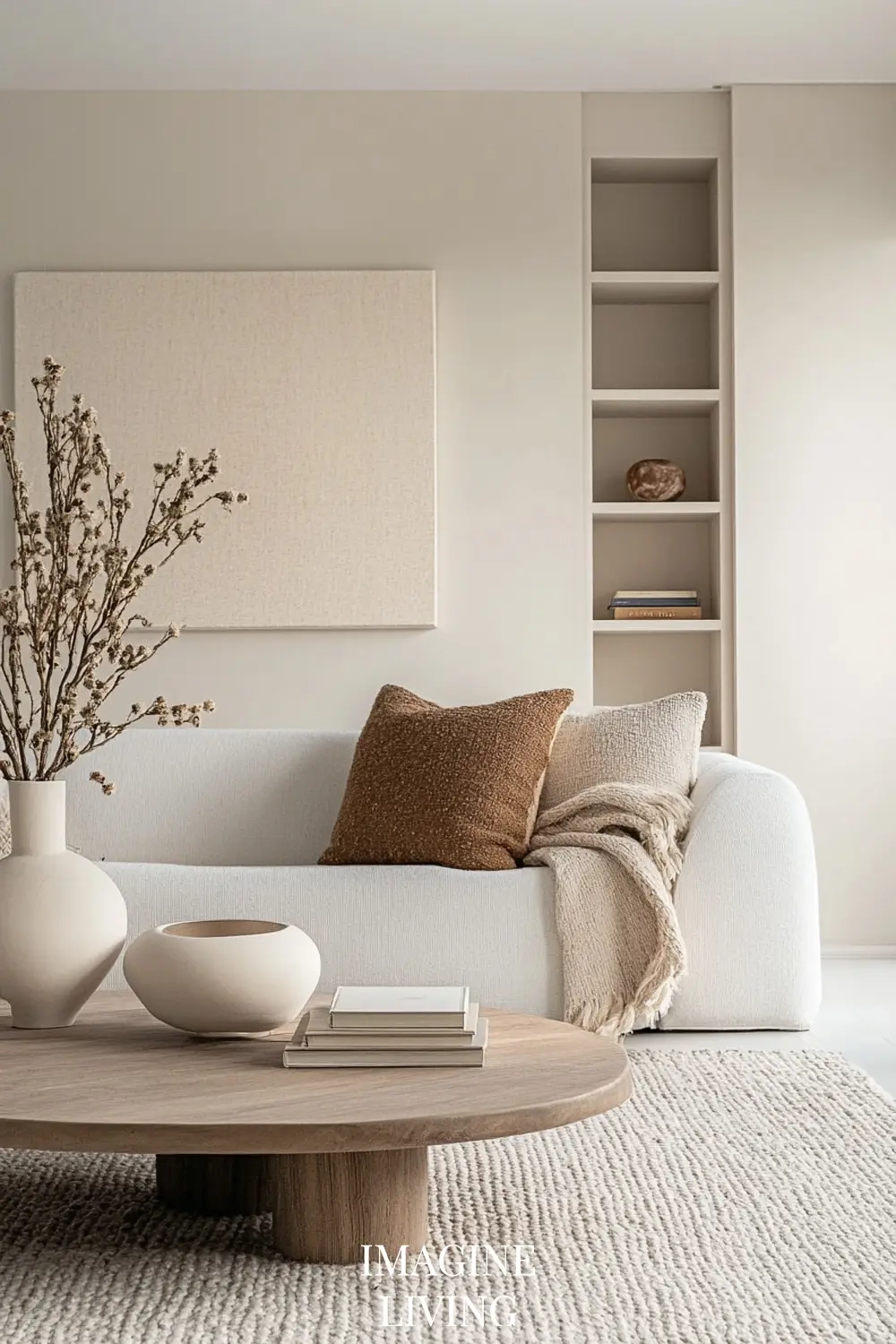
When a room has no texture, sound bounces endlessly off hard surfaces, creating an underlying sensory fatigue that inhabitants misinterpret as spatial anxiety. Designers who master small footprints do not rely on emptiness; they rely on calibrated curation. They teach that a tight room needs weight, but that weight must be distributed with surgical precision. Instead of twenty small, disjointed decorative objects that create visual clutter, they advocate for single, monumental focal points—a heavy ceramic vessel, an oversized piece of abstract art leaning casually against a wall, or an antique oak dining table that anchors the entire perimeter.
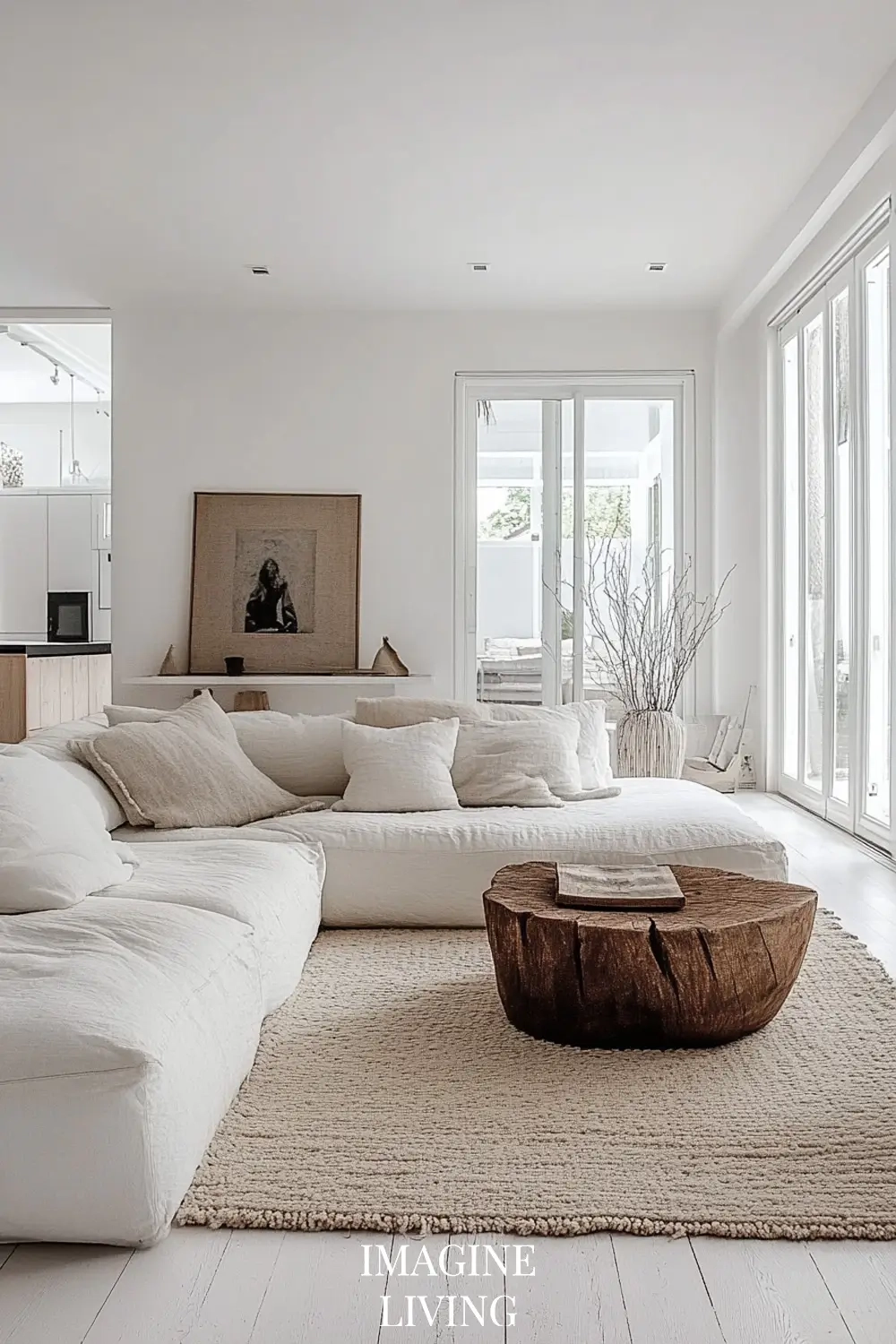
This approach changes how the human eye moves through a room. Instead of darting nervously across a dozen tiny items, the gaze rests and travels along deliberate lines. Scale distortion is another fascinating tactic I picked up from commercial residential architects. Pushing back against the old wives’ tale that small rooms require tiny furniture, seasoned designers often anchor a compact living room with one oversized, low-profile sofa upholstered in a heavy, tactile linen or brushed cotton. By maximizing floor contact and keeping the silhouette low, the furniture commands the room without blocking sightlines, creating a psychological sense of abundance where scarcity previously lived.
Material Authenticity and the Palette of the Earth
If there is a single dividing line between amateur small-space staging and professional interior architecture, it is the treatment of materials. When square footage is at a premium, every square inch of surface is within touching distance. You brush past the walls; your coffee cup rests inches from the edge of the sofa; your bare feet hit the floorboards the moment you step out of bed. In this hyper-intimate environment, synthetic finishes, cheap veneers, and cold plastics betray their own artificiality immediately.
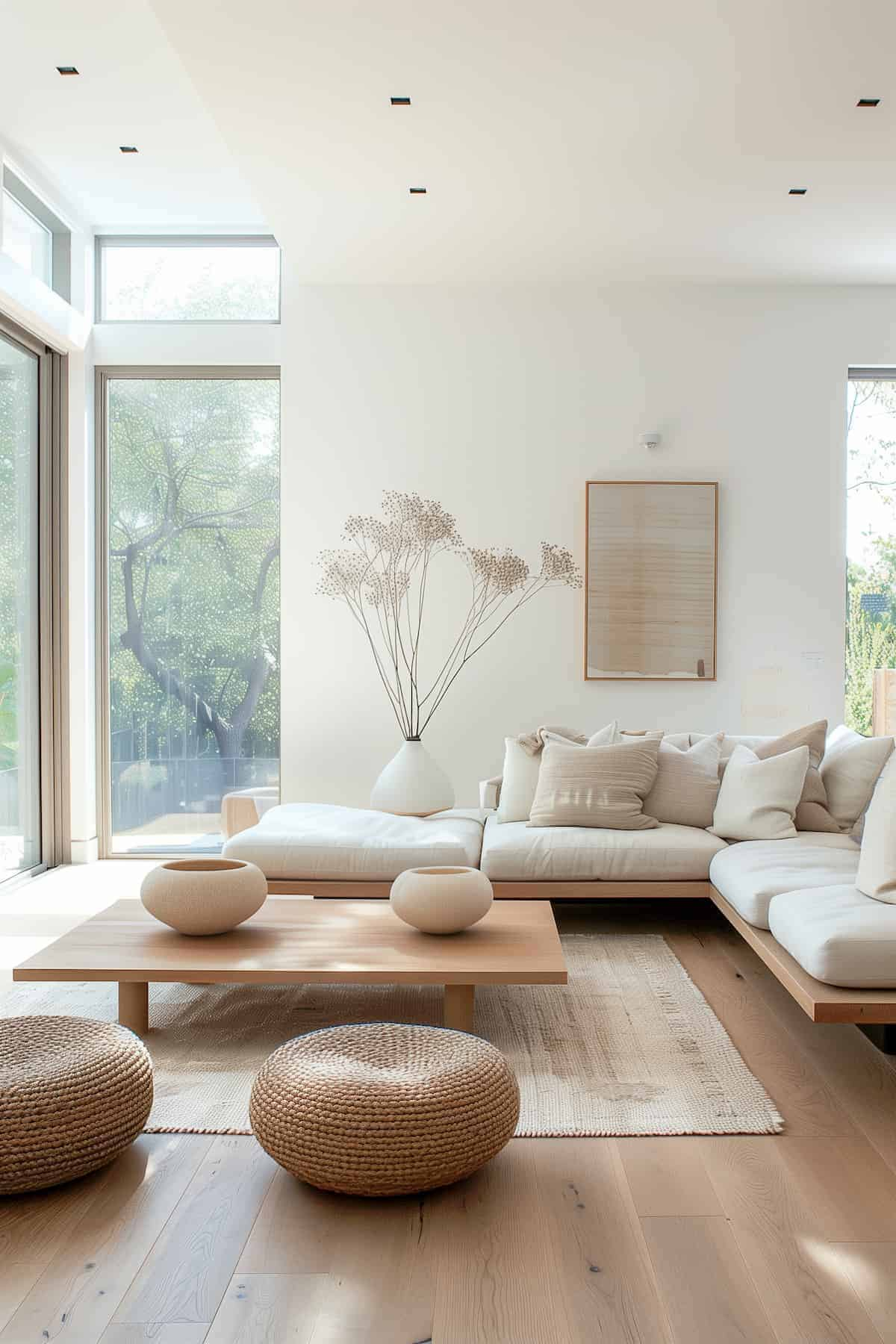
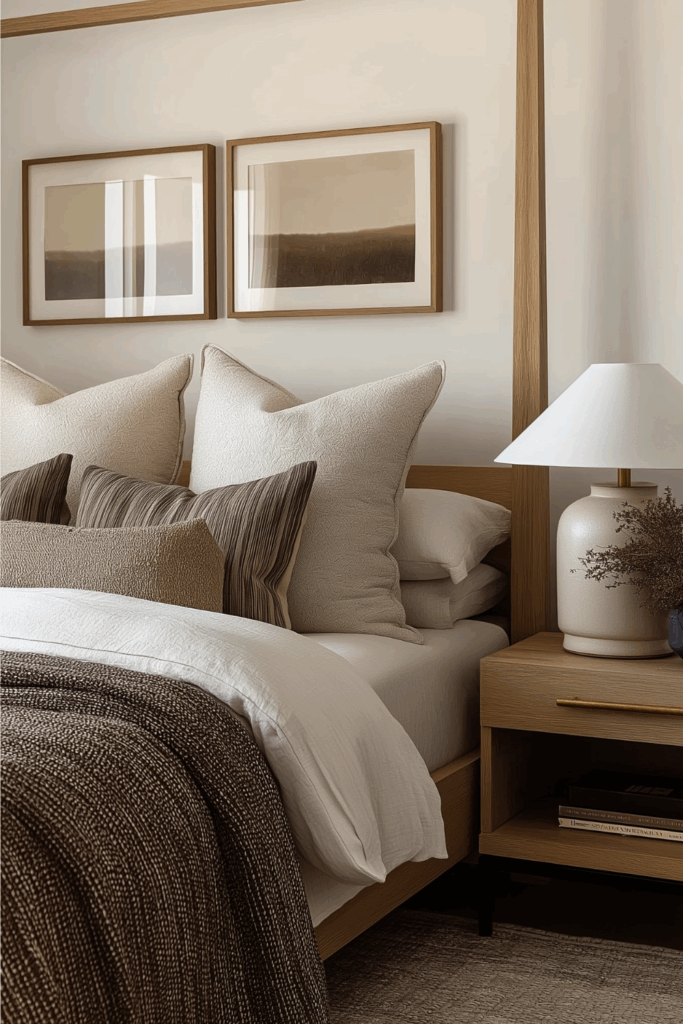
Designers working in tight footprints obsess over tactile integrity. They lean heavily toward materials that age with grace: unlacquered brass that darkens with finger oils, European oak with visible grain knots, Belgian linen that wrinkles softly, and lime-wash paints that absorb light rather than reflecting it back with blinding glare. This material honesty shifts the psychological dimension of a tight room. A space built from authentic, breathing elements feels larger because it possesses depth. Light interacts with matte, porous textures in complex ways, casting soft shadows that blur hard corners and soften the hard geometry of standard drywall construction.
Color theory in tight spaces also underwent a quiet revolution over the past decade. The old mandate of painting everything stark white to bounce light has largely been retired by forward-thinking designers. While white certainly has its place in maximizing luminosity, it can also render a small room cold, sterile, and undefined—like being trapped inside a giant Styrofoam cup. Instead, contemporary experts often advocate for enveloping small rooms in moody, saturated earth tones: olive, muddy terracotta, deep charcoal, or complex shades of muddy taupe. When a small room is wrapped in a dark, rich hue, the boundaries of the walls seem to dissolve into shadow at night, creating an intimate, protective womb-like atmosphere rather than a cramped box.
Step-by-Step Practical Implementation Guide for Natural Small-Space Styling
Translating high-end editorial insights into a real-world apartment requires a methodical framework. Here is the field-tested methodology distilled from years of shadowing master designers as they transform cramped footprints into fluid, organic living environments.
- Step 1 (Audit the Spatial Flow and Sightlines): Stand at the primary entrance of your room and track your natural eyeline. Remove any furniture pieces that block the diagonal corners of the room, as exposing the floor perimeter instantly tricks the brain into perceiving a larger area.
- Step 2 (Establish a Tactile Anchor): Select one substantial, high-impact furniture piece—such as a deep sofa or a solid wood credenza—built from honest, natural materials. Build the rest of the room’s scale and proportion outward from this single anchor point.
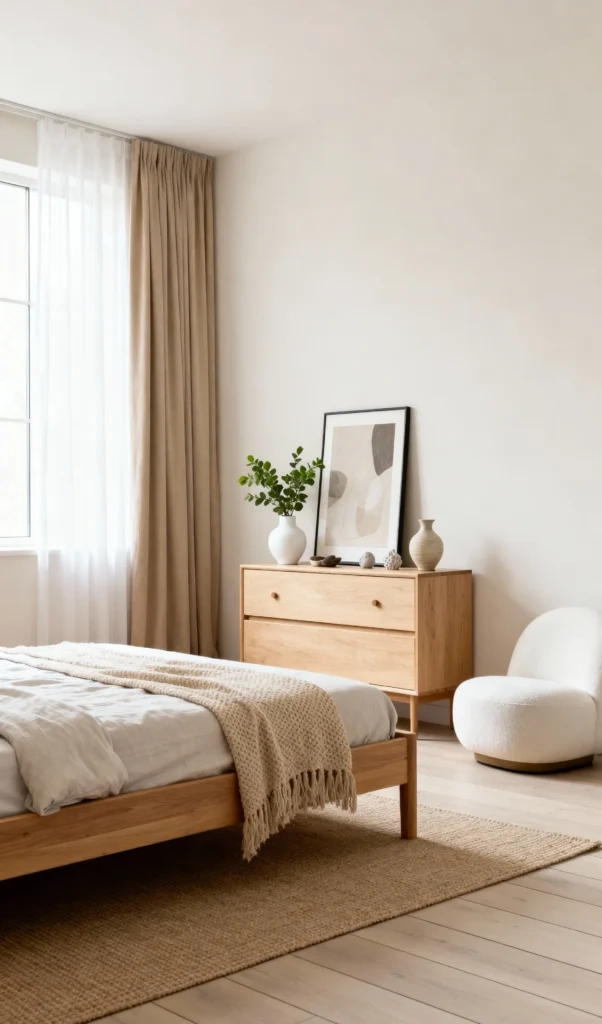
- Step 3 (Layer Mismatched Eras and Textures): Avoid matching suite furniture sets entirely. Blend a mid-century modern wooden armchair with a rustic vintage pine side table and a contemporary textured wool rug to create historical depth and visual breathability.
- Step 4 (Calibrate Lighting at Multiple Elevations): Eliminate aggressive overhead ceiling lighting entirely. Install dimmable wall sconces, low table lamps, and picture lights to wash the walls with warm luminescence, pushing the boundaries outward and eliminating harsh shadows.
- Step 5 (Edit Functional Surfaces with Purpose): Clear off horizontal surfaces by utilizing concealed storage for daily clutter, leaving only curated, meaningful items—such as a stack of art books or a ceramic bowl—to maintain spatial calm.
Common Pitfalls and Field-Tested Workarounds in Compact Design
Even with the best intentions, amateurs frequently fall into predictable traps when trying to style tight quarters. Recognizing these missteps early saves both money and frustration.
- Pitfall 1 (Pushing All Furniture Against the Walls): Amateurs often believe floating furniture in the middle of a small room steals space. In practice, pushing everything to the perimeter creates a desolate bowling-alley effect in the center; pulling furniture even a few inches away from the wall creates a shadow line that makes the room feel unexpectedly expansive.
- Pitfall 2 (Over-Relying on Plastic and Acrylic Transparency): While ghost chairs and glass coffee tables were once heralded as space-saving magic tricks, they often accumulate visible scratches, dust, and visual clutter, ending up looking messy rather than invisible; substitute them with slender-legged wooden or iron frames that let light pass through while maintaining structural warmth.
- Pitfall 3 (Ignoring Vertical Acoustic Softening): Hard floors, bare walls, and glass windows turn small apartments into acoustic echo chambers. Combat this by introducing floor-to-ceiling linen drapery, textured wall hangings, and dense wool area rugs to absorb sound and create a plush, quiet sanctuary.
- Pitfall 4 (Buying Tiny Scale Furniture): Filling a small living room with undersized dollhouse furniture highlights the restricted square footage rather than hiding it; instead, use fewer, properly scaled pieces that make the room feel deliberately designed rather than squeezed.
- Pitfall 5 (Neglecting the Power of Negative Space): Leaving walls or corners completely bare feels terrifying to people trying to maximize storage, but visual breathing room is essential; allow select corners to remain completely empty so the eye can rest.
Holistic Perspectives and the Economic Value of Intimate Living
The shift toward styling tight quarters naturally is not merely an aesthetic preference; it represents a broader cultural recalibration. As urbanization intensifies and real estate prices climb across global capitals, square footage has become an expensive luxury. This economic reality has forced a profound re-evaluation of what constitutes a high-quality domestic life. For generations, cultural messaging equated success with sprawling square footage, echoing suburban ideals of endless empty rooms.
Designers working at the forefront of contemporary urban housing argue that tight quarters offer a unique psychological dividend. When your space is compact, you are forced into an intentional relationship with every single object you own. You cannot hoard possessions anonymously in a distant guest room or a sprawling attic. Every item must earn its keep, either through daily utility or profound emotional resonance. This curation fosters a sustainable lifestyle built on mindful consumption. Investing in a single, impeccably crafted solid-oak dining chair instead of a flat-pack set of four transforms your relationship with your belongings, turning consumption into preservation.
Furthermore, the environmental footprint of furnishing a small home naturally shrinks. When prioritizing vintage pieces, heirloom textiles, and sustainably harvested woods, the cyclical economy of interior design thrives. Interviewing restorers and vintage dealers revealed a thriving ecosystem of craftsmanship that rejects fast-furniture waste. Styling tight quarters naturally means looking backward to classical construction methods and forward to sustainable urban densities, proving that limitation can be the ultimate incubator for creativity.
Actionable Recommendations and Key Takeaways for Your Space
Bringing these insights into your own living environment requires a shift from frantic decoration to thoughtful curation. You do not need an interior design degree or a massive renovation budget to make a compact room feel alive, breathable, and deeply personal.
Start by auditing your textiles. Swap out synthetic polyester cushion covers and nylon rugs for heavy linen, raw wool, jute, and untreated cotton. These materials interact dynamically with natural light and human touch, transforming the sensory profile of your rooms immediately. Next, embrace the power of mixing eras. Pair a sleek modern floor lamp with a weathered rustic side table or an inherited mid-century dresser. This juxtaposition shatters the sterile, showroom look and infuses the home with a sense of narrative history.
Finally, remember that your home is not a static photograph for social media; it is a dynamic ecosystem designed to support your daily well-being. Let go of the compulsion to hide every trace of your life behind closed cabinet doors. Allow your favorite books to stack up, let your ceramics show their chips, and let your textiles wrinkle naturally. The true secret I learned from years behind the scenes with top designers is that perfection is sterile, but natural imperfection is where life actually happens.
Standing in that final redesigned studio apartment last autumn, watching the golden afternoon light catch the linen drapery and warm up the lime-washed walls, the lesson crystallized once more. We spend so much of our lives fighting our physical boundaries, trying to bend architecture to our impossible demands for expansiveness. Yet, the most memorable spaces are those that surrender to their own scale.
When you stop treating a small home as a problem to be solved and start treating it as a close companion to be understood, everything changes. The cramped corners soften. The low ceilings become protective rather than oppressive. You realize that style is never a function of square footage. It is the direct result of attention, intention, and an unwavering commitment to bringing warmth and honesty into the places where we lay our heads.