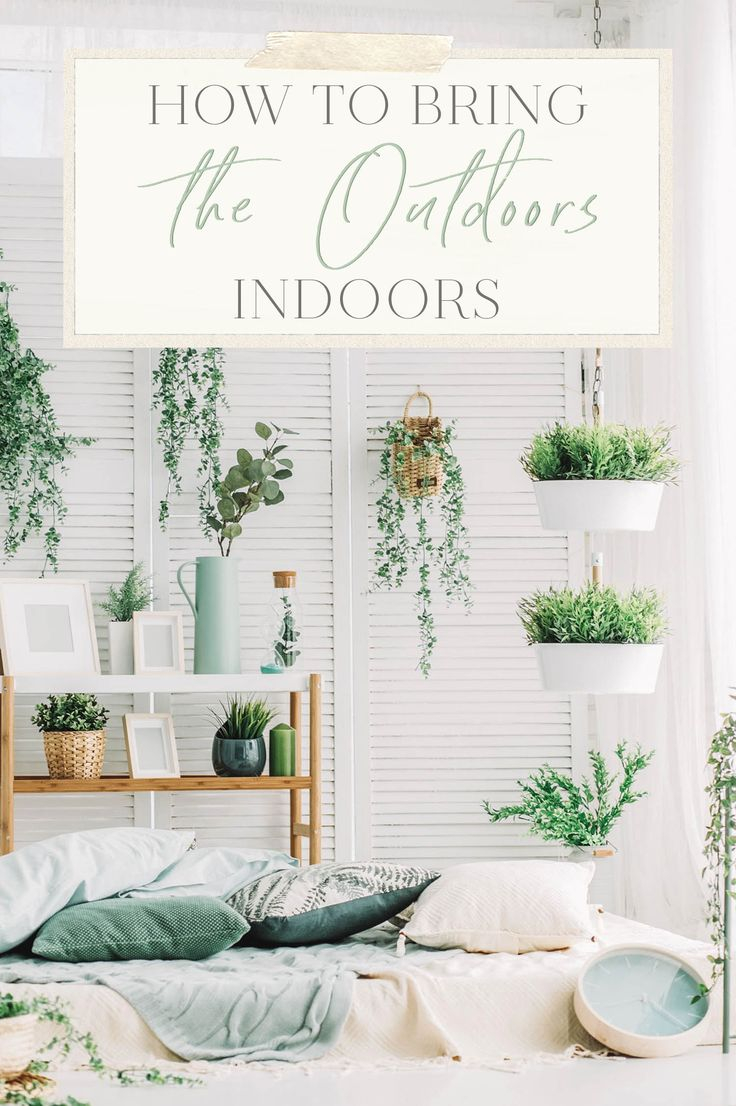
Have you ever walked into a room and just felt… lighter? Like the air was crisper, your shoulders dropped an inch, and your brain finally stopped buzzing with the noise of the day. That is the magic we are chasing this year. It isn’t about buying the most expensive furniture or following some rigid rulebook from a glossy magazine. It is about bringing the outside in. In 2026, our homes have become more than just places to sleep and eat; they are our sanctuaries, our offices, and our retreats from a world that moves way too fast. We crave connection. We crave authenticity. And honestly, nothing feels more authentic than the raw, imperfect beauty of nature.
Organic home decor has evolved. It is no longer just about tossing a few potted plants in the corner and calling it a day. It is a holistic approach to living. It is about choosing materials that breathe, colors that soothe, and shapes that mimic the curves of the earth rather than the sharp angles of industry. Whether you are working with a tiny apartment or a sprawling house, these principles apply. The goal is simple: create a space that fills you with natural joy. Let’s dive into how you can transform your environment into a breath of fresh air.
Embracing Earthy Tones and Natural Light
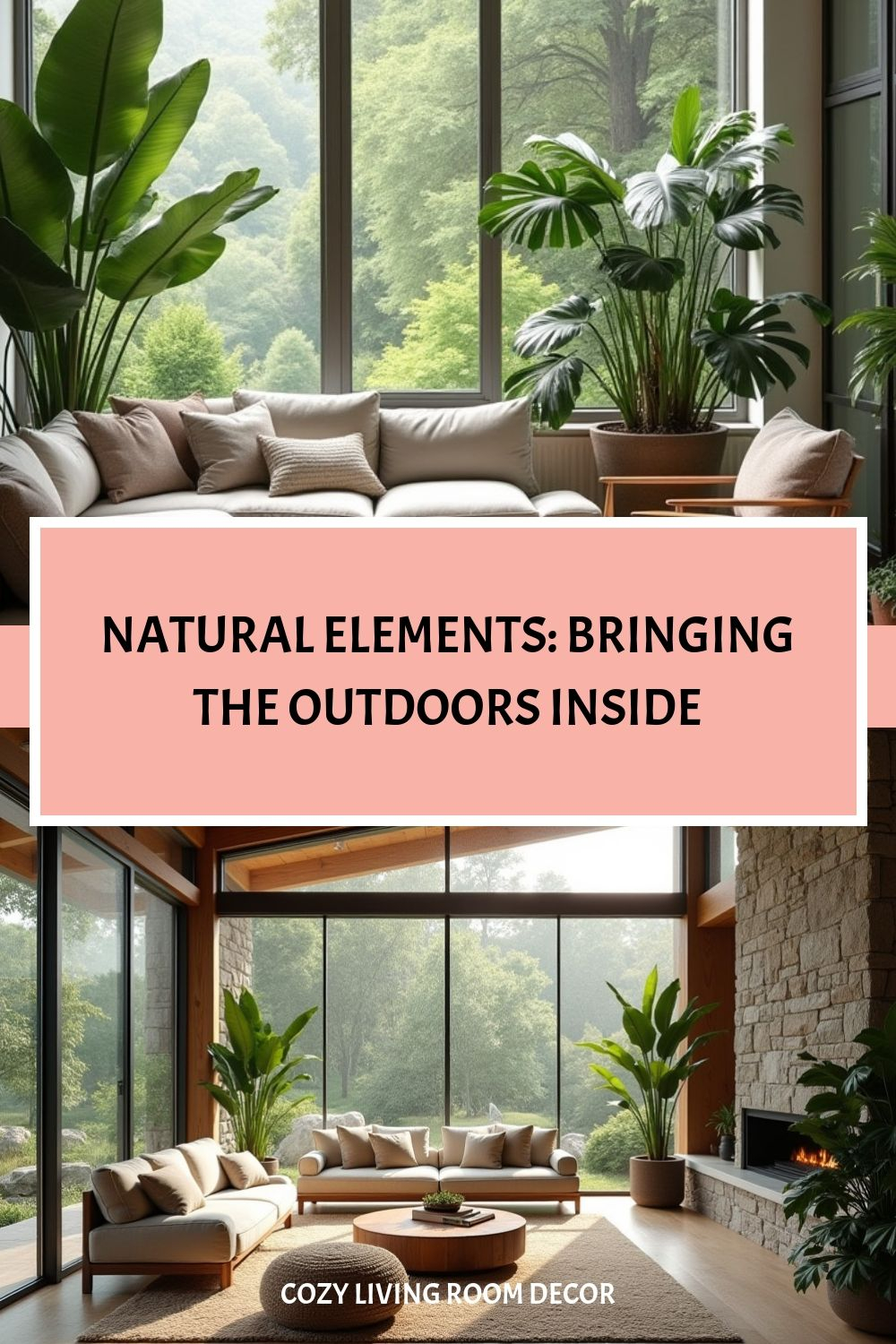
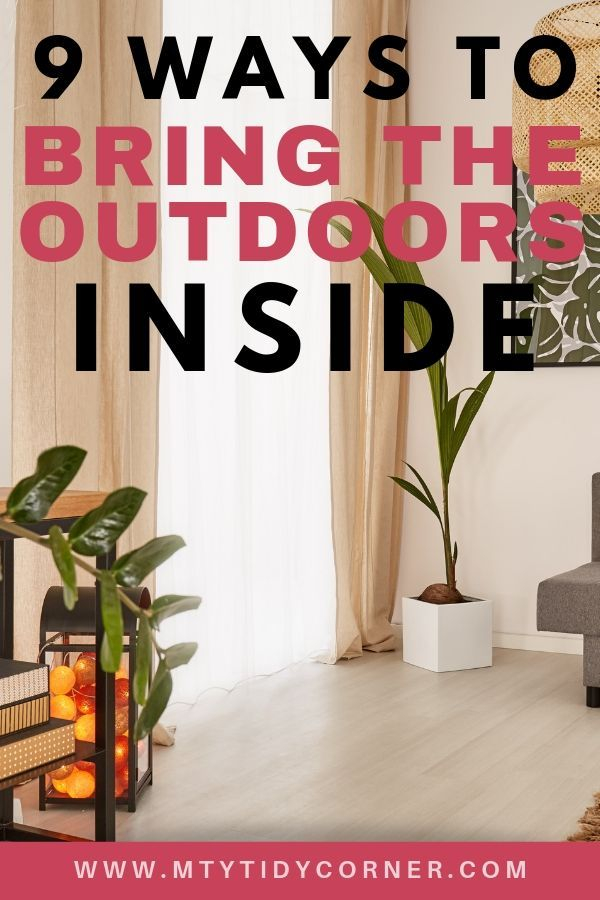
The foundation of any uplifting space starts with light and color. But we aren’t talking about stark, clinical white walls here. Think warmer. Think creamy whites, soft beiges, and gentle taupes. These shades act as a canvas, reflecting natural light in a way that feels inviting rather than glaring. In 2026, we are seeing a huge shift toward "biophilic lighting," which means maximizing daylight whenever possible. Pull back those heavy drapes. Let the sun dance across your floors. If privacy is a concern, opt for sheer linen curtains that filter the light softly, creating a dreamy, ethereal glow throughout the day.
When it comes to paint, consider earthy tones that ground your soul. Sage green, terracotta, and warm clay are having a major moment. These colors don’t just look good; they feel good. They remind us of forests, deserts, and riverbeds. You don’t need to paint every wall. Sometimes, a single accent wall in a deep olive or a muted ochre can anchor a room without making it feel dark. Pair these colors with plenty of white space to keep things feeling airy. The balance is key. Too much dark color can feel cozy but cramped, while too much light can feel sterile. Find that sweet spot where the room feels open yet hugged by warmth.
Don’t forget the power of mirrors in amplifying this effect. A large, organically shaped mirror—think oval or irregular edges rather than perfect rectangles—can bounce light around a dim corner. Place it opposite a window to double the view of the sky and trees outside. This trick makes small spaces feel expansive and connects the interior visually with the exterior world. It is a simple change, but the impact on your mood can be profound. After all, who doesn’t love a bit more sunshine in their life?
Textures That Tell a Story
If color is the voice of a room, texture is its heartbeat. Organic decor relies heavily on tactile experiences. You want to run your hand over surfaces and feel something real. This is where woven textures come into play. Jute rugs, rattan chairs, and wicker baskets add layers of visual interest and physical comfort. They break up the monotony of smooth walls and flat screens. In 2026, handmade items are prized over mass-produced perfection. Look for imperfections in the weave. Those little quirks prove that a human made it, adding a layer of soul to your space.
Linen is another superstar in the organic toolkit. It is breathable, durable, and gets softer with every wash. Use linen for bedding, throw pillows, or even slipcovers on your sofa. Its natural wrinkles are part of its charm, so stop trying to iron them out! Embrace the relaxed vibe. Cotton and wool blends also work wonders for adding warmth during cooler months. A chunky knit throw draped over a armchair invites you to sit down and stay awhile. It signals comfort. It says, "You are safe here."
Stone and wood bring a different kind of texture—solidity and permanence. A marble coffee table with natural veining or a live-edge wooden bench adds weight and stability to a room. These materials age beautifully. They develop a patina over time, telling the story of your life within those walls. Don’t be afraid to mix textures. Combine the roughness of raw wood with the smoothness of ceramic vases. Mix the softness of wool with the hardness of stone. This contrast creates dynamic energy that keeps the eye moving and the mind engaged. It prevents the space from feeling flat or one-dimensional.
Sustainable and Sculpted Wood Accents
Wood is perhaps the most essential element in organic design. But not just any wood. We are moving away from highly processed, uniform planks toward sculpted wood accents that celebrate the grain and character of the tree. Think of furniture pieces that look like they were carved by hand. A dining table with a live edge, where the natural contour of the tree is preserved, becomes a centerpiece that demands attention. It reminds us of the forest. It brings a piece of the wild into our domesticated lives.
In 2026, sustainability is non-negotiable. Choose wood that is reclaimed or certified by responsible forestry organizations. Reclaimed wood has history. Maybe it came from an old barn or a factory floor. That history adds depth to your decor. It is not just material; it is memory. When you choose sustainable options, you are making a statement about your values. You are saying that beauty does not have to come at the expense of the planet. This alignment between your actions and your environment creates a sense of integrity that is deeply satisfying.
Sculpted wood details can be subtle too. Consider wooden bowls on your counter, carved wooden handles on cabinets, or even wooden art pieces on the wall. These small touches add warmth without overwhelming the space. Lighter woods like oak and ash feel airy and modern, while darker woods like walnut feel rich and traditional. Mix them if you dare, but keep the undertones consistent to avoid clashing. The goal is harmony. Wood connects us to the earth in a primal way. It grounds us. In a digital world, touching real wood is a reminder of what is tangible and true.
Bringing the Outdoors In with Greenery
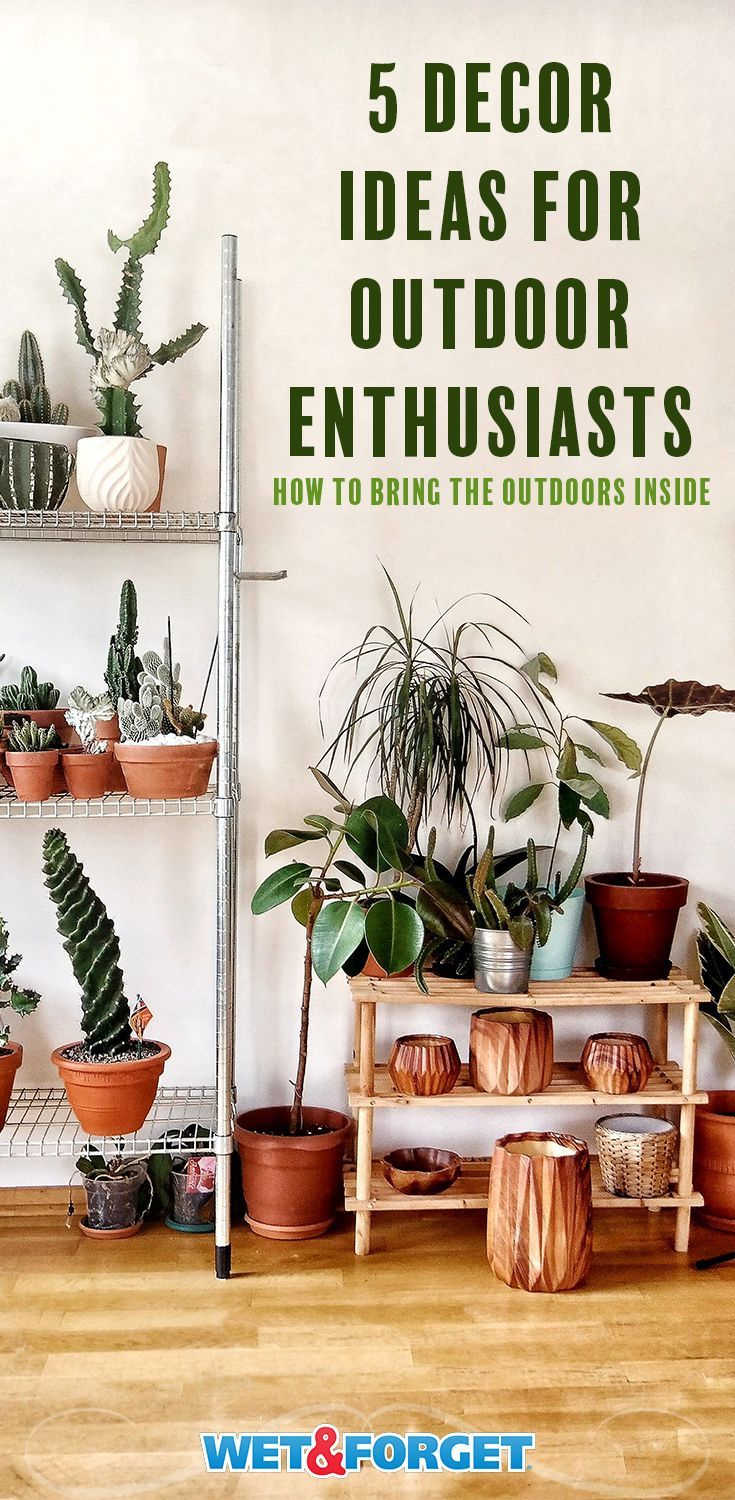
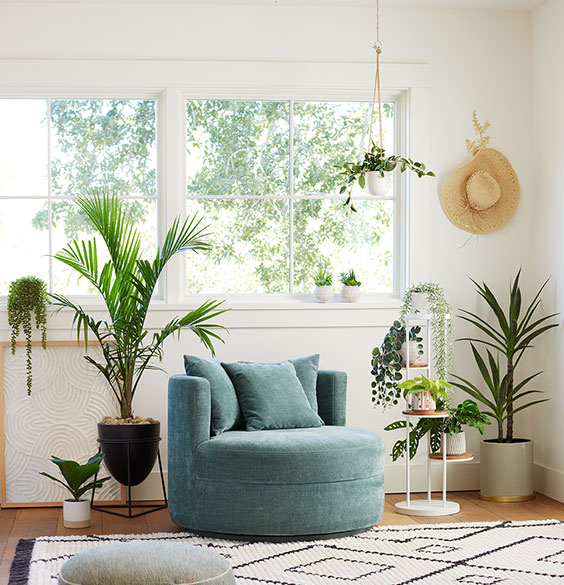
Let’s talk about plants. Yes, the obvious choice, but hear me out. It is not just about having a plant; it is about curating a mini-ecosystem. Large floor plants like fiddle leaf figs or monsteras create architectural interest. They fill empty corners and add height to a room. Hanging plants like pothos or ferns draw the eye upward, making ceilings feel higher. Grouping plants of varying heights and leaf shapes creates a lush, jungle-like vibe that is incredibly calming. Studies have shown that being around plants reduces stress and improves air quality. It is science, but it feels like magic.
But what if you kill every plant you touch? Don’t worry. You are not alone. High-quality faux plants have come a long way. In 2026, you can find silk and plastic plants that look startlingly real. The key is to choose ones with realistic textures and colors. Avoid anything that looks shiny or overly perfect. Dust them regularly to keep them looking fresh. Mix real and fake if you need to. Put a real succulent on the windowsill where it gets light, and a faux fern in a dark bathroom where nothing survives. No judgment here. The goal is the aesthetic and the feeling of greenery, not a horticulture degree.
Beyond potted plants, think about dried flowers and branches. Dried eucalyptus, pampas grass, or bare branches in a tall vase add structure and a muted, earthy palette. They last forever and require zero maintenance. They capture a specific moment in nature’s cycle—the quiet beauty of autumn or winter. Arranging them in odd numbers creates a more natural, less staged look. Let them spill over the edge of the vase. Let them be a little messy. Nature is rarely symmetrical, so why should your decor be? This approach brings a sense of seasonal rhythm into your home, connecting you to the passing of time.
Curating Natural Materials and Handcrafted Details
Organic decor is deeply tied to craftsmanship. It celebrates the hand of the maker. Look for ceramics that are slightly asymmetrical. Pottery with visible thumbprints or glaze variations tells a story of creation. Use these pieces daily. Drink your morning coffee from a handmade mug. Feel the weight of it in your hands. This mindfulness transforms mundane routines into rituals. It slows you down. In a world of instant everything, taking time to appreciate the object you are holding is a radical act of self-care.
Textiles play a huge role here too. Look for rugs made from natural fibers like wool, jute, or sisal. They add warmth underfoot and absorb sound, making your home quieter and more peaceful. Throw blankets in organic cotton or hemp add layers of comfort. Choose patterns inspired by nature—leaf motifs, geometric shapes found in shells, or abstract representations of water. Avoid loud, synthetic prints. Stick to muted, natural dyes. These colors fade gracefully over time, unlike chemical dyes that can look harsh and artificial.
Accessories matter. Swap out plastic storage bins for woven baskets. Replace glass or metal lamp bases with ones made from clay or stone. Even small details like wooden picture frames or cork bulletin boards contribute to the overall vibe. Every item in your home should serve a purpose or bring you joy. If it doesn’t, let it go. Clutter is the enemy of calm. By curating your space with intention, you create room for breath. You create room for life. This minimalism isn’t about deprivation; it is about focusing on what truly matters. Quality over quantity, always.
Finally, think about how you use your space. Organic decor is not just about looks; it is about function. Create zones that encourage rest and connection. A reading nook by the window with a comfortable chair and a soft lamp invites solitude. A dining area with a large wooden table encourages gathering and sharing meals. In 2026, our homes need to be flexible. They need to support both work and play, silence and socializing. Use rugs and furniture arrangement to define these areas without building walls. Keep the flow open.
Lighting is crucial in setting the mood for these zones. Avoid overhead fluorescent lights if you can. They are harsh and unflattering. Instead, use layered lighting. Floor lamps, table lamps, and candles create pools of warm light that make spaces feel intimate and cozy. Dimmer switches are your friend. Being able to adjust the light level allows you to change the atmosphere instantly. Bright light for cleaning or working, soft light for relaxing or entertaining. It gives you control over your environment, which reduces anxiety.
Remember, your home is a reflection of you. It should evolve as you do. Don’t feel pressured to get it all right at once. Start small. Add one plant. Swap one rug. Paint one wall. See how it feels. Listen to your instincts. If a space feels off, tweak it. If it feels right, enjoy it. The journey of creating an organic home is ongoing. It is a practice of noticing, appreciating, and nurturing. And in the end, that is what makes a house a home. It is not the stuff in it; it is the life lived within it. So take a deep breath. Look around. And start creating your sanctuary today.