You know that feeling when you walk into a room and it just… works? It’s not too busy, but it’s definitely not boring. It feels warm, inviting, and like someone actually thought about how everything fits together. That’s not an accident. It’s texture. And maybe a little bit of pattern magic. Most of us have stared at a flat, lifeless living room wondering why it feels so sterile despite having nice furniture. The missing ingredient is usually depth. It’s that tactile quality that makes you want to reach out and touch a velvet pillow or run your hand along a rough wooden table.
Let’s be honest, mixing prints and textures can feel risky. One wrong move and you’ve got a visual mess instead of a masterpiece. But here’s the good news: you don’t need a degree in interior design to get it right. In 2026, the trend is moving away from perfectly matched sets toward spaces that feel collected over time. It’s about comfort, personality, and a bit of organized chaos. If you’ve ever been afraid to pair a floral curtain with a striped rug, this guide is for you. We’re going to break down the rules so you can learn when to break them.
Think about the last time you felt truly relaxed in a space. Was it all smooth surfaces? Probably not. It was likely a mix of soft throws, hard wood, cool metal, and maybe some leafy plants. That contrast is what creates interest. It tells a story. When we layer textures, we aren’t just decorating; we are creating an experience. It changes how light hits a room, how sound travels, and most importantly, how we feel when we sit down to unwind. So, let’s dive into how you can transform your home from "fine" to "fabulous" without spending a fortune or losing your mind.
Start With a Neutral Foundation
Before you start throwing pillows everywhere, you need a solid base. Think of your room like a canvas. If the canvas is already covered in bright neon splashes, it’s hard to add much else without it looking chaotic. Starting with neutral walls and large furniture pieces gives you the freedom to play. Neutrals don’t mean boring beige, though. They can be warm whites, soft grays, or even earthy taupes. The key is that these big elements stay relatively quiet so the textures can sing.
When designers talk about a foundation, they often mean the "big three": walls, floors, and major upholstery. Keep these simple. A smooth painted wall provides a calm backdrop for a nubby wool rug. A sleek leather sofa offers a perfect contrast to a chunky knit throw. By keeping the largest surfaces subdued, you create breathing room. This doesn’t mean you can’t have color, just keep the saturation lower on the big items. This approach is backed by pros who note that well-designed interiors feel more luxurious because the eye isn’t overwhelmed immediately. It allows the details to shine.
Once your base is set, you can start adding layers. This is where the fun begins. You might choose a jute rug for its natural, rough texture against smooth hardwood floors. Or perhaps a linen slipcover on a chair to add a bit of wrinkled, organic charm. The goal here is to establish a sense of calm before introducing complexity. If you skip this step, you risk the room feeling cluttered rather than curated. Remember, restraint in the beginning leads to confidence later on. It’s like building a house; you need a strong frame before you hang the pictures.
Play With Scale and Contrast
Now that you have your base, let’s talk about patterns. The biggest mistake people make is using patterns that are all the same size. Imagine wearing a shirt with tiny checks, pants with medium stripes, and a tie with large polka dots. It’s a lot for the eye to process. Instead, vary the scale. Pair a large-scale floral print with a small, tight geometric pattern. This creates a rhythm that guides the eye around the room rather than letting it get stuck in one spot.
Contrast is your best friend here. If you have a bold, romantic floral curtain, balance it with a structured, linear pattern on a cushion. The softness of the flower needs the hardness of the line to feel intentional. Designer Kelly Ventura often points out that bold florals thrive when paired with geometric patterns. It’s about harmony through opposition. When you mix these differing scales, you create visual tension that is pleasing rather than stressful. It keeps the space dynamic.
Don’t forget to leave some negative space. Not every surface needs a pattern. If you have a busy rug, keep the sofa fabric solid or subtly textured. This gives the eye a place to rest. Think of it like music; you need silence between the notes to appreciate the melody. In 2026, we are seeing a move towards "quiet luxury," which relies heavily on this balance. It’s not about shouting with design; it’s about whispering with confidence. By varying the scale, you ensure that no single element dominates the room, creating a cohesive look that feels effortless.
Mix Materials for Depth
Texture isn’t just about what you see; it’s about what you feel. This is where materials come into play. A room filled only with cotton fabrics will feel flat, no matter how many patterns you add. You need variety. Think about combining hard and soft, rough and smooth, warm and cool. A glass coffee table (smooth and cool) looks stunning next to a sheepskin rug (soft and warm). A metal lamp (hard and industrial) pairs beautifully with a velvet armchair (plush and luxurious).
This mixing of materials adds perceived value to your home. Real estate professionals know that well-textured spaces feel more expensive. It’s subconscious. When we touch different surfaces, our brains register richness and care. Try adding wooden elements to bring warmth. Wood grain is a natural pattern that works with almost anything. Then, introduce metals like brass or matte black for a touch of modern edge. Finally, don’t underestimate the power of natural fibers. Sisal, rattan, and bamboo add an organic touch that grounds the space.
Budget-friendly tip: you don’t need to buy new furniture to do this. Swap out hardware on cabinets for a different metal finish. Add a woven basket for storage. Hang a macramé wall hanging. These small changes introduce new textures without breaking the bank. The goal is to create a sensory experience. When you walk into the room, you should feel invited to explore. Every corner should offer a different tactile surprise. This layering of materials is what turns a house into a home that feels lived-in and loved.
The Rule of Three for Patterns
If you’re nervous about mixing prints, stick to the rule of three. It’s a classic designer trick that rarely fails. Choose three patterns that share a common color palette but differ in scale and style. For example, pick a large floral, a medium stripe, and a small geometric dot. Make sure they all have at least one color in common. This shared hue acts as the glue that holds the disparate patterns together. Without that connection, the room can feel disjointed.
Start with the dominant pattern. This is usually the largest scale and covers the most area, like curtains or a large area rug. Next, add the secondary pattern, which might be on upholstery or smaller rugs. Finally, use the third pattern as an accent on throw pillows, lampshades, or artwork. This hierarchy ensures that one pattern doesn’t fight another for attention. It creates a clear visual path for the eye to follow. It’s structured, yet it feels free.
Remember, you can always edit. If it feels like too much, remove one pattern. It’s better to under-do it than over-do it. You can always add more later. Many people find that starting with two patterns is safer, then adding the third once they feel comfortable. The key is confidence. If you love it, it will work. Trust your gut. If a combination makes you smile, it’s probably right. If it makes you anxious, scale it back. Design should be joyful, not stressful. And dont forget, speling mistakes happen to the best of us, so relax.
Incorporate Natural Elements
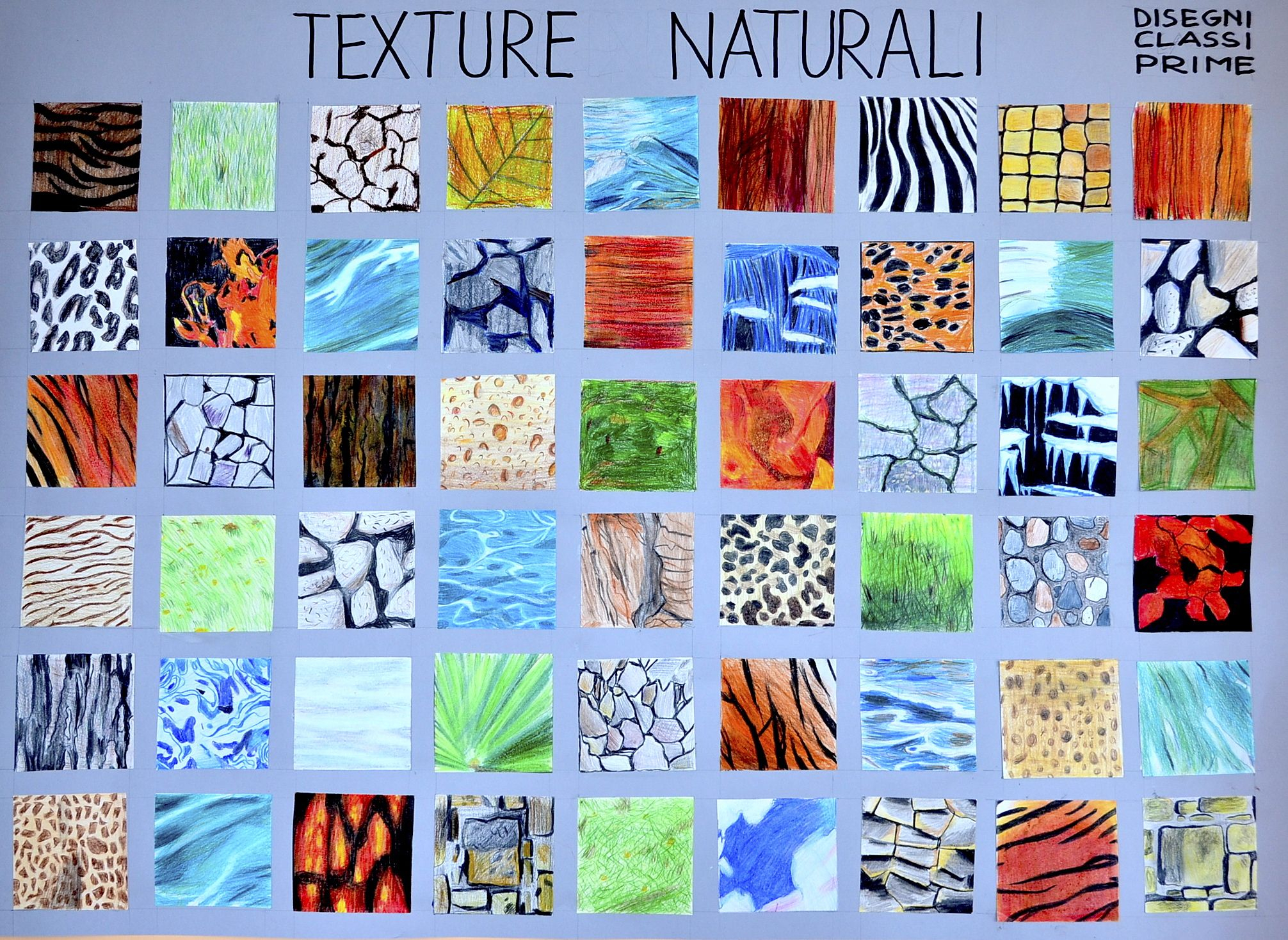
Nature is the ultimate master of texture and pattern. Look at a tree bark, a leaf vein, or a stone surface. They are complex, layered, and inherently beautiful. Bringing elements of nature indoors is one of the easiest ways to add depth. Plants are obvious choices, but think beyond just greenery. Use dried branches, stones, shells, or driftwood. These items bring unique, irregular textures that manufactured goods often lack.
Greenery softens hard lines and adds life to a room. A large fiddle leaf fig in a textured ceramic pot adds height and organic shape. Trailing vines can soften the edge of a shelf. But don’t stop at plants. Use natural materials in your decor. A bowl of smooth river rocks on a table adds a cool, hard texture. A woven seagrass basket adds warmth and structure. These elements connect your indoor space to the outdoors, creating a calming effect that is scientifically proven to reduce stress.
In 2026, biophilic design is still huge. It’s not just a trend; it’s a recognition of our need to connect with nature. By incorporating these elements, you aren’t just decorating; you are enhancing well-being. The irregularity of natural objects breaks up the monotony of straight lines and perfect squares found in most homes. It adds a sense of history and authenticity. A piece of driftwood has a story. A handmade clay vase has soul. These touches make your space feel unique and personal, rather than like a showroom catalog.
The final step is often the hardest: knowing when to stop. Layering is an additive process, but good design requires subtraction. Once you’ve added your textures and patterns, step back. Look at the room as a whole. Does it feel balanced? Is there too much going on in one corner? Are there empty spots that feel cold? Editing is about finding the equilibrium. It’s about ensuring that every item has a purpose and a place.
Sometimes, less is more. If a room feels cluttered, try removing one or two items. See how it feels. You might be surprised at how much better it looks with fewer things. Clarity is key. Each texture should have room to breathe. If everything is fighting for attention, nothing stands out. Aim for a curated look, not a crowded one. This doesn’t mean minimalism; it means intentionality. Every pillow, rug, and piece of art should contribute to the overall vibe.
Ask yourself: Does this add value? Does it make me happy? If the answer is no, let it go. Donate it, sell it, or store it. Your home should reflect you, not your accumulation of stuff. As you refine, you’ll develop your own eye. You’ll start to see what works and what doesn’t. It becomes intuitive. And that’s the goal. To reach a point where layering feels natural, not forced. It’s about creating a sanctuary that supports your life, not a museum that restricts it. So take your time, enjoy the proces, and trust your instincts.
Creating a home that feels professionally designed isn’t about following rigid rules or buying expensive things. It’s about understanding how textures and patterns interact to create mood and depth. By starting with a neutral base, playing with scale, mixing materials, using the rule of three, bringing in nature, and editing wisely, you can achieve that coveted high-end look. It’s a journey of experimentation and self-discovery. Don’t be afraid to make mistakes. Some of the best design choices come from happy accidents.
Remember, your home is a reflection of who you are. It should tell your story. Let your textures speak to your love of comfort, your patterns to your sense of adventure, and your natural elements to your connection with the world. There is no right or wrong, only what feels right to you. So go ahead, mix that floral with that stripe. Throw that chunky blanket over that sleek leather chair. Make it yours. After all, the best rooms are the ones that feel like a hug. And isn’t that what home is really about?