Ever look at a broken shelf or a leaky faucet and feel that familiar pang of panic? You know, the one where you immediately reach for your phone to call a pro because fixing it yourself feels like trying to defuse a bomb without instructions. We’ve all been there. But what if I told you that the gap between "I can’t do this" and "Look what I made" is actually much smaller than you think? And better yet, crossing that gap puts actual money back in your wallet.
In 2026, with costs rising for just about everything from groceries to home repairs, the urge to DIY isn’t just a hobby anymore. It’s a survival skill. But it’s not just about pinching pennies. It’s about the quiet pride of knowing how things work. It’s about looking at a pile of wood or a tangled garden bed and seeing potential instead of a problem. This guide isn’t about becoming a master carpenter overnight. It’s about starting small, making mistakes (because you will), and learning skills that stick with you for life.
Let’s be honest. Most advice out there makes DIY sound either impossibly hard or suspiciously easy. The truth is somewhere in the messy middle. You’re going to strip a screw. You might paint a wall unevenly. That’s okay. In fact, it’s part of the process. The projects below are chosen specifically because they teach foundational skills—measuring, basic electrical safety, plant biology, sewing—that apply to a hundred other tasks later on. They are low-risk, high-reward, and surprisingly satisfying.
Fixing What’s Broken: The Art of Basic Home Repair
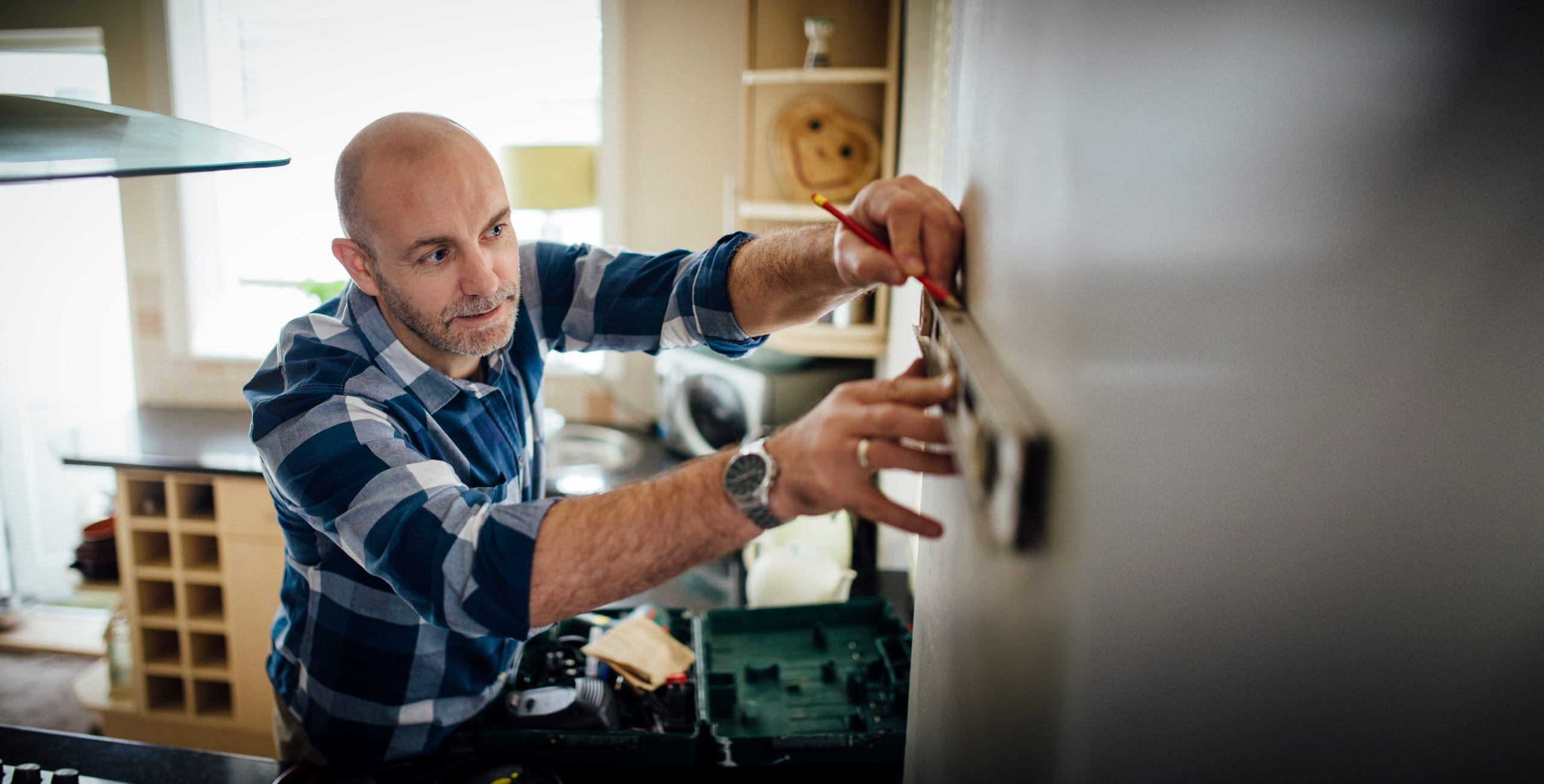
There is something deeply therapeutic about fixing a loose cabinet door. It’s immediate, tangible, and saves you the $75 minimum fee a handyman charges just to show up. Start with the basics: tightening hinges, replacing worn-out weather stripping, or unclogging a slow drain without harsh chemicals. These aren’t glamorous jobs, but they teach you how your home actually functions. When you understand how a P-trap works under the sink, you stop fearing plumbing disasters. You start respecting them, sure, but the fear goes away.
Grab a basic toolkit. You don’t need the expensive stuff. A decent hammer, a set of screwdrivers (both flathead and Phillips), a tape measure, and an adjustable wrench will handle 80% of household hiccups. Watch a few videos on how to use them safely. Then, walk around your place. Find that wobbly chair. Tighten those screws. Replace the battery in that smoke detector that’s been chirping for three weeks. Each small win builds the confidence muscle. Before you know it, you’ll be eyeing that cracked tile with curiosity instead of dread.
The money savings here add up fast. A tube of caulk costs five bucks. Hiring someone to reseal your bathtub costs hundreds. By doing it yourself, you learn patience and attention to detail. You learn that prep work—cleaning the surface, taping off edges—is more important than the actual application. These lessons translate to everything else in life. Plus, there’s no feeling quite like running your hand along a smooth, freshly caulked seam and knowing you did that. No invoice, no waiting around for an appointment. Just you and your newly capable hands.
Growing Your Own Food: Gardening for Beginners
Gardening often gets a bad rap as being difficult or requiring a "green thumb." Spoiler alert: that’s mostly myth. Plants want to grow. They really do. Your job is just to not kill them accidentally. Start with herbs. Basil, mint, and chives are forgiving and useful. Grow them in pots on a windowsill or a small balcony. You’ll learn about sunlight, watering schedules, and soil drainage. These are real scientific concepts, but you learn them by doing, not by reading a textbook. And when you snip fresh basil for your pasta sauce? That’s flavor you literally cannot buy in a store.
If you have a bit of yard space, try a raised bed. They are easier on your back and easier to control than ground soil. You can build a simple one with untreated cedar planks and corner brackets. This introduces you to basic woodworking and planning. You have to measure, cut, and assemble. But the payoff is huge. Imagine pulling carrots out of the dirt you prepared. Kids love this stuff, and even if you live alone, there’s a primal satisfaction in eating something you grew. It connects you to the seasons and the rhythm of nature, which feels increasingly rare in our digital 2026 lives.
Beyond the food, gardening teaches resilience. Some plants will die. Pests will show up. You’ll forget to water during a heatwave. Instead of giving up, you troubleshoot. You research organic pest controls. You adjust your watering routine. You learn that failure is just data. This mindset shift is invaluable. And financially? A packet of seeds costs less than a single bunch of cilantro at the supermarket. Over a summer, the savings on produce can be significant, especially if you grow high-cost items like tomatoes, peppers, and leafy greens.
Sewing Simple Fixes: Clothing Care and Upcycling
We throw away so much clothing because of minor issues. A missing button. A small tear. A hem that’s come undone. Learning to sew these fixes is a superpower. It starts with a needle, thread, and a pair of scissors. You don’t need a machine yet. Hand-sewing a button takes ten minutes once you get the hang of it. Watch a tutorial, practice on an old shirt you were going to donate, and suddenly, that shirt is wearable again. You’ve saved twenty dollars and kept textile waste out of a landfill. Win-win.
Once you’re comfortable with a needle, consider picking up a basic sewing machine. You can find refurbished models cheaply. Start with straight lines. Hemming pants is the classic beginner project. It teaches you how to measure evenly, pin fabric, and guide material through a machine. It’s meditative. And the financial benefit is clear. Tailoring costs money. Doing it yourself costs nothing but time. Plus, you can upcycle old clothes. Turn a large men’s shirt into a cute tote bag. Cut old jeans into shorts. This creativity boosts your confidence and gives your wardrobe a unique flair that fast fashion can’t match.
This skill also changes how you shop. When you know how to fix clothes, you stop buying cheap, disposable items. You start looking for quality fabrics and classic cuts that last. You become a more conscious consumer. You realize that a slightly expensive jacket is worth it if you can maintain it for years. This shift in perspective saves money in the long run and reduces the clutter in your closet. You wear what you love, and you keep it in good shape. It’s a simple change with profound effects on your budget and your environmental footprint.
Woodworking Lite: Building Useful Household Items
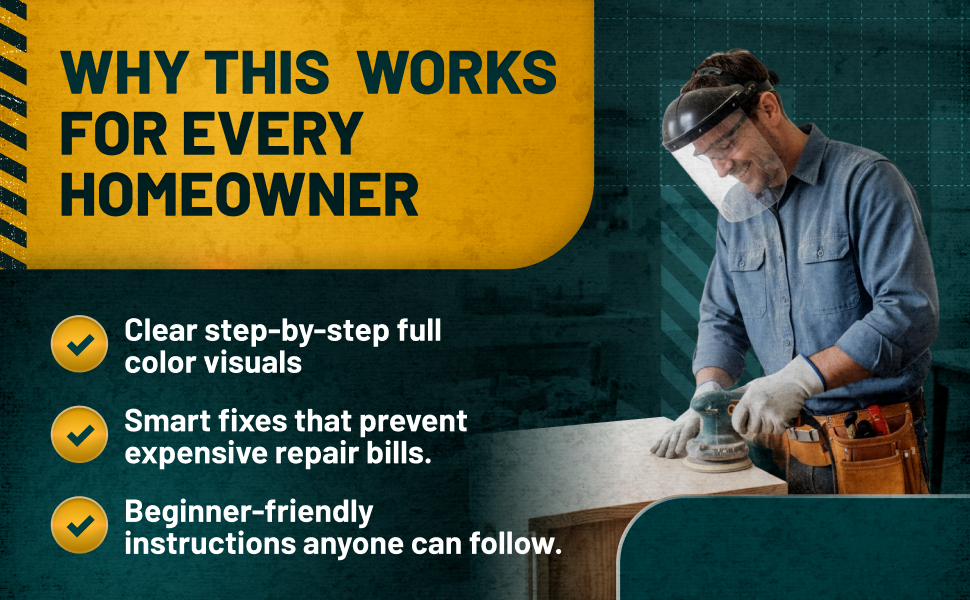
Woodworking sounds intimidating, but it doesn’t have to involve heavy machinery or dangerous saws. Start with softwood like pine. It’s cheap, easy to cut, and forgiving. A simple project like a floating shelf or a plant stand requires only a few tools: a hand saw, a drill, sandpaper, and some finish. You’ll learn how to measure twice and cut once (a cliché because it’s true). You’ll learn how to sand until the wood feels like silk. And you’ll learn how to apply a finish that protects your work and makes it look professional.
The beauty of these small projects is their utility. You build a shelf exactly the size you need for that awkward corner. You make a coat rack that matches your decor. These aren’t just objects; they are solutions to specific problems in your home. And because you made them, you value them differently. You treat them with care. You notice the grain of the wood. You appreciate the joinery. This connection to your surroundings creates a sense of ownership and pride that buying flat-pack furniture never provides.
Financially, the difference is stark. A solid wood shelf from a boutique store can cost over $100. The materials to build it yourself might run $20. Even accounting for the cost of basic tools, you break even after two or three projects. After that, it’s pure savings. Plus, you acquire tools that let you tackle bigger projects later. That drill you bought for the shelf? You’ll use it to hang pictures, assemble furniture, and fix appliances. The investment pays for itself quickly, and the skills you gain are permanent. You’re not just saving money; you’re building a toolkit for life.
Painting and Refreshing: Transforming Spaces on a Budget
Paint is the most cost-effective way to change the feel of a room. But it’s also where many beginners go wrong. They skip the prep. They use the wrong roller. They rush the drying time. Taking the time to do it right teaches discipline and planning. Start with a small room or even just an accent wall. Learn how to patch holes with spackle. Learn how to tape off trim cleanly. Learn how to cut in edges with a brush before rolling the main areas. These techniques ensure a professional-looking result that lasts.
The visual impact is huge. A fresh coat of light paint can make a dark, cramped room feel airy and open. Painting cabinets instead of replacing them can save thousands of dollars. It’s labor-intensive, yes, but the skill you learn is invaluable. You’ll understand surface preparation, primer selection, and paint types. This knowledge helps you maintain your home better in the future. You’ll know when to touch up scuffs and how to clean painted surfaces without damaging them. It’s ongoing maintenance that keeps your home looking new without the renovation price tag.
And let’s talk about the psychological boost. Changing your environment changes your mood. Coming home to a space you refreshed with your own hands feels different. It feels intentional. It feels like yours. In 2026, where we spend so much time indoors, having a space that reflects your effort and taste is crucial for mental well-being. The cost of a gallon of paint is minimal compared to the joy it brings. Plus, if you mess up? Paint it over. It’s a low-stakes way to experiment with color and style, teaching you to trust your instincts and take creative risks.
Okay, let’s address the scary stuff. Electrical and plumbing. You don’t need to rewire your house or replace your main sewer line. But there are safe, simple tasks that save big money. Changing a light fixture is one. Turning off the breaker, unscrewing the old fixture, connecting the wires (black to black, white to white, ground to ground), and screwing in the new one. It takes fifteen minutes. Hiring an electrician takes hours and costs a fortune. By learning this, you demystify electricity. You learn respect for safety protocols, which is the most important lesson of all.
Similarly, replacing a faucet aerator or a showerhead is easy. It requires maybe an adjustable wrench and some Teflon tape. You’ll save water, which lowers your utility bills. You’ll improve water pressure. And you’ll update the look of your bathroom or kitchen instantly. These tasks teach you how to identify parts, read specifications, and use basic sealing techniques. They empower you to handle minor leaks or drips before they become major disasters. You become the first responder in your own home, capable of stopping small problems from escalating.
The key here is knowing your limits. If it involves opening walls or touching the main service panel, call a pro. But for the surface-level updates, you are fully capable. The confidence gained from successfully swapping a light switch plate or fixing a running toilet is immense. It shifts your identity from "tenant" or "homeowner who worries" to "capable adult who handles things." And in a world that often feels chaotic, that sense of agency is priceless. You save money, yes, but you also save your peace of mind.
So, where do you start? Pick one thing. Just one. Maybe it’s that loose drawer pull. Maybe it’s planting a pot of basil. Don’t worry about doing it perfectly. Worry about doing it. The skills will come with repetition. The money will save itself over time. And the person you become in the process—someone who is resourceful, patient, and capable—is worth far more than any paycheck. Dive in. Get your hands dirty. You’ve got this.