The rain taps a frantic, irregular rhythm against the double-paned glass, but inside, the room holds a quiet, grounding stillness. You sink into a heavy, tactile armchair—upholstered in a rich, brushed boucle that catches the amber glow of a directional reading light—and feel the frantic edge of the day dissolve. Yet, within arm’s reach sits a discreet, integrated charging station, a hidden drawer housing your notebook, and an ergonomic posture-support cushion that prevents the slouching typical of lesser seats. This is the modern paradox of living spaces: we no longer want our homes to look like sterile showrooms or cluttered utility closets. We demand sanctuaries that work as hard as we do while offering the restorative embrace of a luxury cabin.
For too long, interior design forced a false dichotomy. You could choose sleek, minimalist functionality that felt cold and clinical, or you could sink into overstuffed, chaotic comfort that lacked any coherent organizational logic. Today, the conversation has fundamentally shifted. Homeowners and designers alike are recognizing that true well-being stems from spaces where every square inch serves a double purpose. Ergonomics meet aesthetics; sustainable, tactile materials meet smart-home automation; and open-concept fluidity meets the psychological need for defined, cozy nooks. Achieving this balance is no longer a matter of superficial decorating—it is an exercise in environmental psychology and architectural choreography.
Unlocking this equilibrium requires looking closely at how our physical environments dictate our mental states. When clutter disappears into clever millwork, cortisol levels drop. When lighting shifts dynamically from cool task illumination to warm, amber relaxation profiles, our circadian rhythms align naturally with the evening hours. Designing a personal retreat this year is about stripping away the non-essential while doubling down on sensory richness and mechanical efficiency. It is the art of curating a space that protects your peace, fuels your creativity, and accommodates the messy, beautiful reality of daily life.
The Architectural Psychology of Sanctuary Spaces
Designing an effective personal retreat starts well before the first swatch of fabric is selected or the furniture layout is mapped out. It begins with understanding how the human brain processes spatial boundaries, sensory inputs, and visual weight. When a room feels chaotic, the brain continuously processes background stimuli, preventing deep cognitive recovery or true physical relaxation. Conversely, a space engineered with purposeful zoning provides an immediate sense of psychological safety. This is why modern interior strategies emphasize boundaries—not through rigid, suffocating walls, but through subtle shifts in ceiling heights, flooring transitions, and acoustic dampening materials.
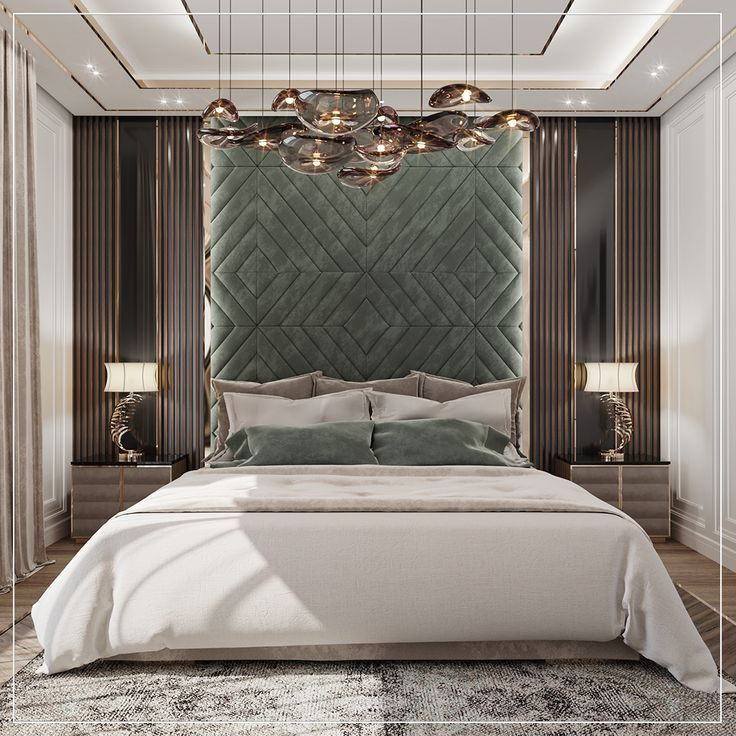
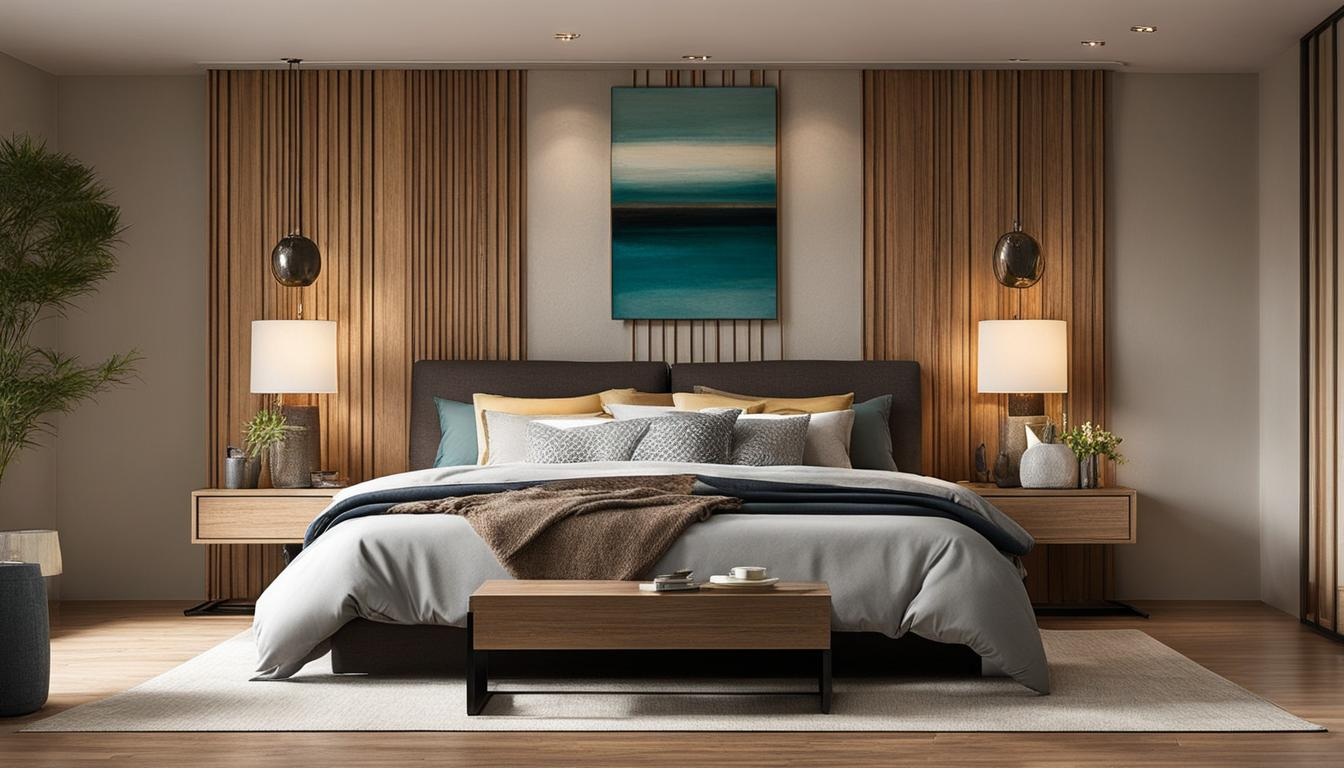
Acoustics play a foundational yet frequently overlooked role in comfort. Hardwood floors and minimalist drywall bounce sound waves indiscriminately, turning everyday noises into a source of low-grade stress. Integrating sound-absorbing elements—such as dense wool area rugs, acoustic slat wall panels finished in warm white oak, and heavy linen drapery—transforms the auditory landscape of a room. When the echo disappears, the space instantly feels more intimate and protective. Layering these acoustic interventions with tactile surfaces creates an environment that feels grounded and structurally sound, setting the stage for deeper relaxation.
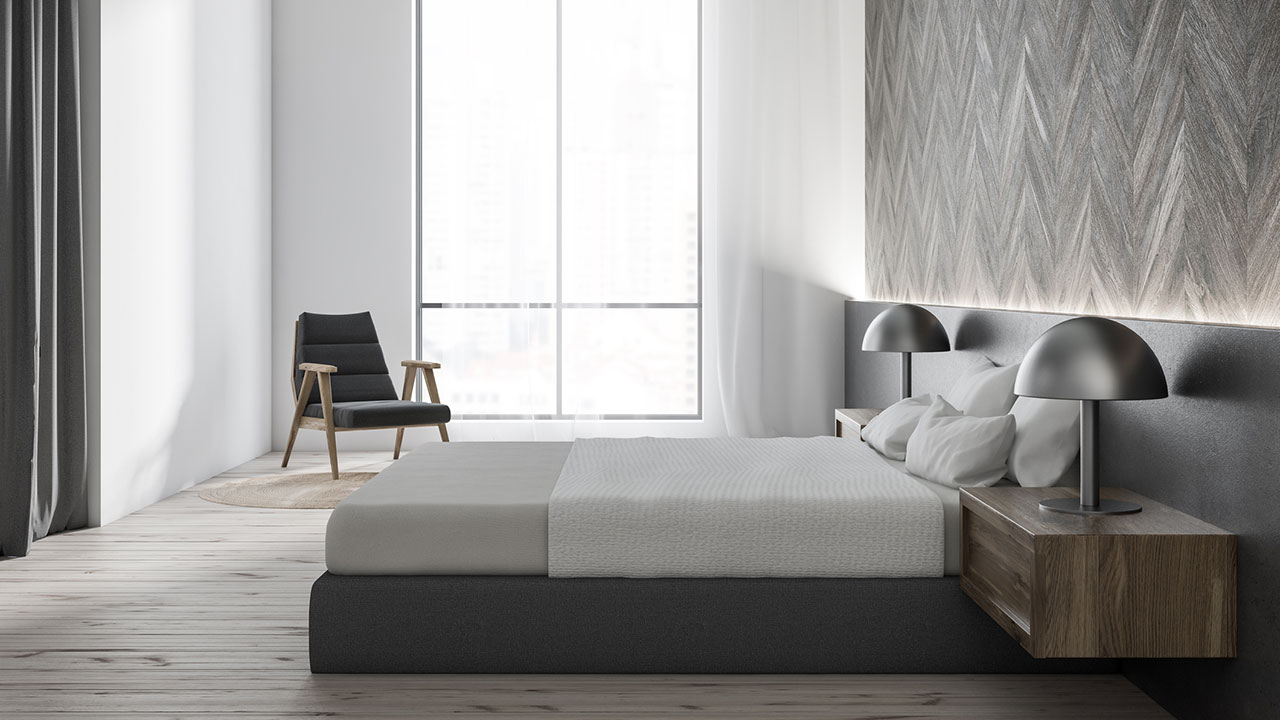
Visual clutter is another primary enemy of the personal retreat. The modern push toward streamlined living is not about embracing sterile emptiness; it is about hiding the friction of daily life. Built-in cabinetry with push-to-open hardware, concealed cable management channels, and integrated charging drawers ensure that technology and utility remain accessible without dominating the visual field. When surfaces are clear, the eye rests on intentional focal points: a hand-thrown ceramic vase, the rich grain of a walnut desktop, or the organic curves of an armchair. This curation of visual stimuli allows the nervous system to switch from high alert to restorative calm.
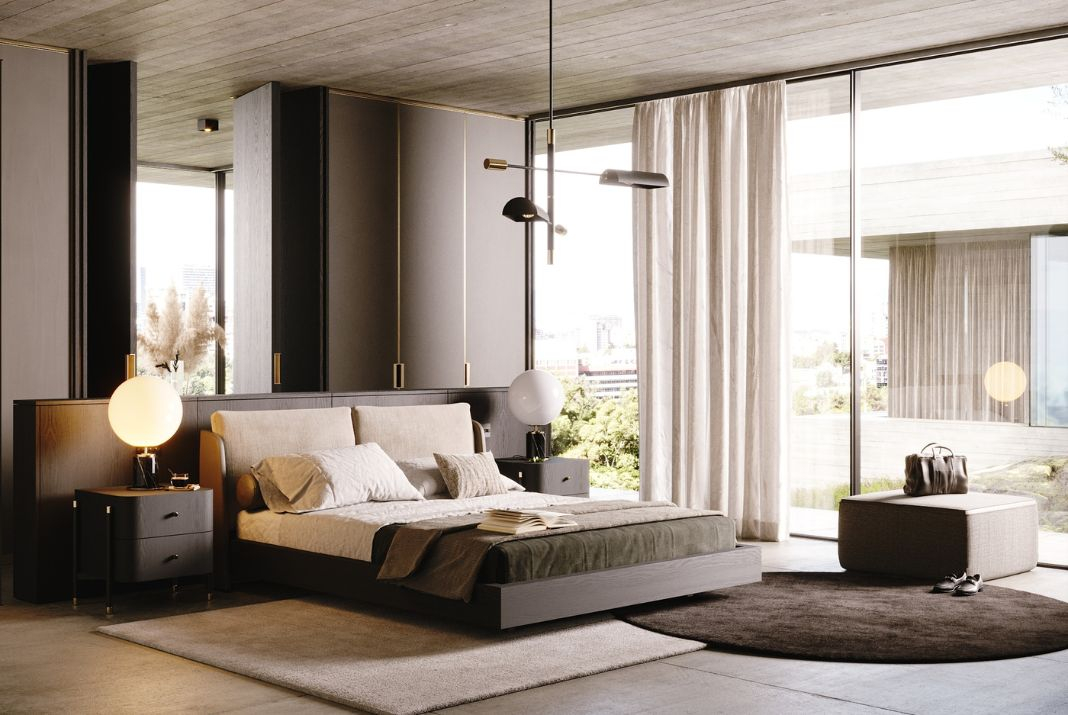
Lighting acts as the ultimate orchestrator of this psychological shift. Static, overhead illumination destroys the cozy intimacy required in a personal retreat. Designers now rely on a three-tiered lighting strategy: ambient layers for general orientation, task lighting for focused activities like reading or journaling, and accent lighting to highlight architectural textures. Utilizing smart bulbs or warm dimming LEDs that shift from 3000K down to a candlelight 2000K as the sun sets mimics natural circadian patterns. This technical integration ensures that the room’s atmosphere evolves seamlessly alongside your own biological needs throughout the day.
Materiality, Ergonomics, and the Evolution of Tactile Design
We are witnessing a profound collective return to materiality. Synthetic finishes and high-gloss plastics that dominated previous decades are giving way to raw, patinating surfaces that tell a story over time. Brushed brass, soapstone, travertine, and unsealed oaks are favored not merely for their visual appeal, but for how they age and interact with human touch. When you rest your hand on a solid wood desk or a cast-iron reading lamp, the tactile feedback grounds you in the physical present. This sensory connection is a cornerstone of modern comfort, bridging the gap between utilitarian performance and organic beauty.
Simultaneously, the definition of ergonomic furniture has undergone a quiet revolution. Gone are the days when ergonomic seating looked like an intimidating piece of corporate office machinery. Contemporary designers have mastered the integration of lumbar support, dynamic tilt mechanisms, and adjustable seat depths into lounge chairs, dining benches, and executive desks alike. A chair can now feature curvaceous, sculptural silhouettes inspired by nature while concealing high-performance cushioning and weight-activated recline tensions. This synthesis ensures that your body is properly supported during long reading sessions, creative writing marathons, or hours of deep work.
Textiles further elevate this sensory experience. Heavy boucles, raw linens, boiled wools, and chunky knits introduce high-low texture contrasts that make a room visually complex yet deeply inviting. The trick to layering textiles successfully lies in varying the weight and weave while maintaining a cohesive, warm-toned color palette. Earthy terracotta, moss green, creamy oatmeals, and muted amber tones create an envelope of warmth that feels like a physical exhale. These colors do not compete for attention; instead, they recede into the background, allowing you to focus on the activities or the stillness within the space.
Sustainability is no longer an optional feature in high-end design; it is the ultimate benchmark of quality. Homeowners are increasingly vetting the provenance of their furnishings, demanding FSC-certified lumber, non-toxic water-based finishes, and upholstery free of harmful PFAS chemicals. A truly restorative retreat must be chemically clean as well as visually calming. Investing in heirloom-quality pieces made from sustainable resources ensures that your personal sanctuary supports not only your immediate well-being but also the health of the broader environment.
Methodical Framework for Designing Your Functional Retreat
Creating a seamless blend of comfort and utility requires a disciplined, step-by-step approach. Rushing into purchasing furniture without a strategic layout plan often leads to spatial congestion and frustrated workflows. Follow this systematic framework to build your retreat with absolute precision and intentionality.
- Step 1 (Define the Primary Function and Zone): Determine the core purpose of the retreat—whether it is reading, meditating, creative writing, or remote work—and map out the primary traffic flow. Keep the pathways clear of obstructions to ensure the room maintains an open, breathable energy.
- Step 2 (Establish Acoustic and Thermal Comfort): Evaluate the room’s sound bounce and temperature control before buying decor. Install heavy curtains, lay down plush wool rugs, and incorporate smart thermostats or localized radiant heating elements to ensure physical coziness in all seasons.
- Step 3 (Select Ergonomic, Multi-Functional Foundation Pieces): Invest in core furniture that serves dual purposes, such as an ottoman with hidden internal storage, a desk with built-in cable management, or an articulating lounge chair that supports multiple postures from reading to napping.
- Step 4 (Layer Dynamic Lighting Systems): Install dimmable wall sconces, directional floor lamps, and smart bulbs programmed to shift color temperatures automatically throughout the day, eliminating harsh overhead glare and fostering a restorative ambiance.
- Step 5 (Curate Clutter-Containing Storage Solutions): Integrate closed cabinetry, shallow wall niches, and decorative baskets to ensure all functional accessories—chargers, notebooks, glasses—have a designated home out of sight when not in use.
Navigating Common Design Pitfalls and Practitioner Workarounds
Even the most well-intentioned design projects can go off track if certain classic mistakes are overlooked. Awareness of these traps saves time, money, and structural headaches, ensuring your retreat remains a source of joy rather than a maintenance burden.
- Pitfall 1 (Overcrowding the Floor Plan): Pushing oversized furniture against every available wall makes a room feel cramped and restrictive. Workaround: Practice negative space budgeting; leave at least 30 percent of the floor completely bare to allow the eye to rest and ensure natural light circulates freely.
- Pitfall 2 (Prioritizing Aesthetics Over Ergonomics): Buying a visually striking vintage chair that leaves your lower back aching after twenty minutes defeats the purpose of a retreat. Workaround: Always test-drive seating for lumbar support, or customize non-ergonomic vintage frames with high-density foam inserts and hidden lumbar cushions.
- Pitfall 3 (Relying on a Single Light Source): Using only a bright overhead ceiling fixture creates unflattering shadows and sterilizes the room’s atmosphere. Workaround: Implement a minimum of three distinct light sources at varying heights—floor level, mid-table level, and wall sconce level.
- Pitfall 4 (Neglecting Cord and Technology Management): Leaving power strips and tangled charging cables exposed ruins the clean, calming aesthetic of a modern sanctuary. Workaround: Install recessed floor boxes, utilize furniture with built-in grommets, and run concealed raceways along baseboards to keep technology invisible.
- Pitfall 5 (Ignoring Scale and Proportion): Placing tiny, delicate decor items in a room with high ceilings and heavy furniture makes the space feel disjointed and chaotic. Workaround: Anchor the room with oversized statement pieces, such as a large-scale art canvas or a substantial area rug, before introducing smaller accessory items.
The Long-Term Impact of Mindful Spatial Design
Investing time and resources into shaping a personal retreat yields dividends that extend far beyond immediate aesthetic satisfaction. Environmental psychology demonstrates that our immediate physical surroundings actively shape our cognitive performance, emotional resilience, and sleep quality. When your home features a dedicated zone designed specifically to balance deep rest with efficient utility, you create a psychological anchor. Entering this space signals to your brain that the demands of the outside world can be safely left at the threshold. This boundary-setting is essential for preventing burnout in an increasingly hyper-connected society.
Moreover, approaching interior design through the lens of sustainability and longevity changes your consumption habits. Instead of participating in fast-furniture cycles that require replacement every few years, curating a space with heirloom-grade materials and timeless silhouettes reduces waste while building personal heritage. Pieces crafted from solid hardwoods, cast metals, and hand-woven natural fibers gain character as they collect the gentle patina of everyday use. Your retreat becomes a living journal of your life, recording memories through the gradual softening of leather, the slight fading of linen, and the polished edges of frequently touched wood.
The economic value of thoughtful home design should also not be understated. Homes that prioritize intelligent spatial layouts, high-performance energy solutions, and custom built-in storage consistently command higher market valuations. Buyers immediately recognize the difference between superficial staging and deeply considered architectural functionality. By treating your personal retreat as an investment in both your mental health and your property’s equity, you create a win-win scenario that pays off on multiple levels for years to come.
Ultimately, this design philosophy encourages a recalibration of what luxury means in the modern home. True luxury is no longer about ostentatious display or owning the largest square footage; it is about absolute control over your immediate sensory environment. It is the ability to walk into a room, flick a single switch to transition the lighting into an amber glow, sink into an impeccably supportive chair, and experience absolute, uninterrupted peace. That is the true power of blending comfort and functionality into your personal sanctuary.
Essential Actionable Frameworks for Your Sanctuary Project
To successfully execute your personal retreat without getting bogged down by endless design choices, rely on a structured framework of prioritization. Start by auditing your daily habits: what specific activities do you actually perform in this space, and what friction points currently prevent you from enjoying them fully? If you find yourself constantly searching for chargers, prioritize integrated cable management. If your eyes strain during evening reading, elevate your lighting plan before buying decorative throw pillows. Function must always precede final decoration.
Next, establish a strict material palette constraint. Limiting your material selections to three primary finishes—such as white oak, brushed brass, and natural linen—creates immediate visual harmony and prevents the room from feeling disjointed. Apply these finishes consistently across hardware, furniture frames, and textile choices. This disciplined approach eliminates decision fatigue and ensures that every new item you introduce into the space feels like a natural extension of the master plan.
Finally, give yourself permission to evolve the space slowly. A truly lived-in, comforting retreat cannot be entirely assembled over a single weekend of online shopping. Allow weeks or even months to test out how natural light moves across the room during different seasons, how your body responds to the furniture layout, and what missing functional elements reveal themselves over time. By building your sanctuary with patience, intentionality, and a rigorous commitment to both form and function, you craft a timeless space that sustains you through every season of the year.
The journey of crafting a personal retreat is ultimately an exercise in self-understanding. It requires you to look honestly at your habits, your stressors, and your moments of deepest joy, translating those intangible human needs into tangible physical form. When comfort and functionality lock into alignment, your home stops being just a place where you store your belongings and transforms into an active participant in your well-being.
As you step forward to reimagine your own space this year, remember that perfection is never the goal. The true measure of a successful sanctuary is how quickly your shoulders drop when you cross the threshold. Embrace the natural materials, prioritize your physical comfort through thoughtful ergonomics, and ruthlessly eliminate the functional friction that drains your daily energy. Your personal retreat is waiting to be built—one intentional, well-considered detail at a time.