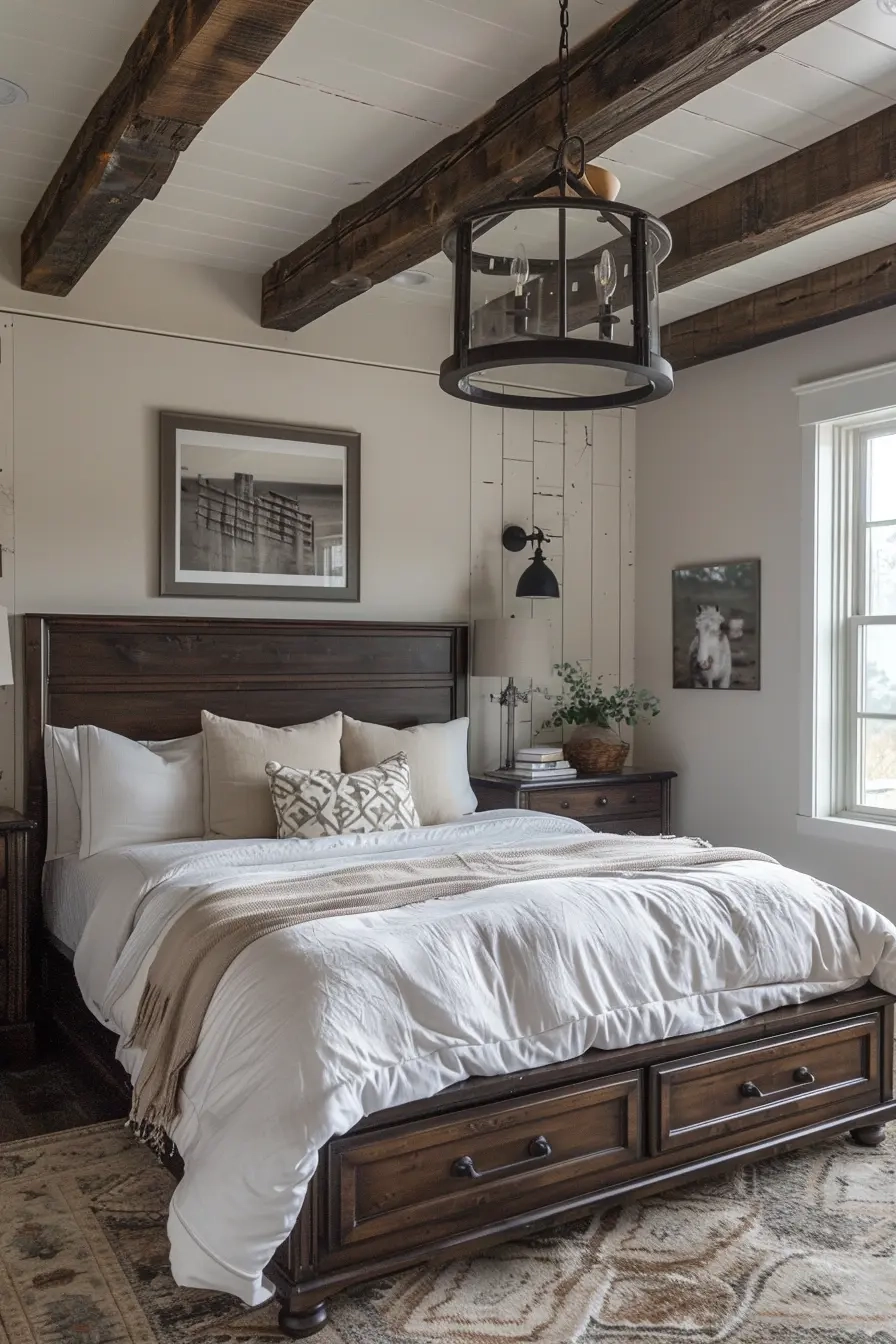
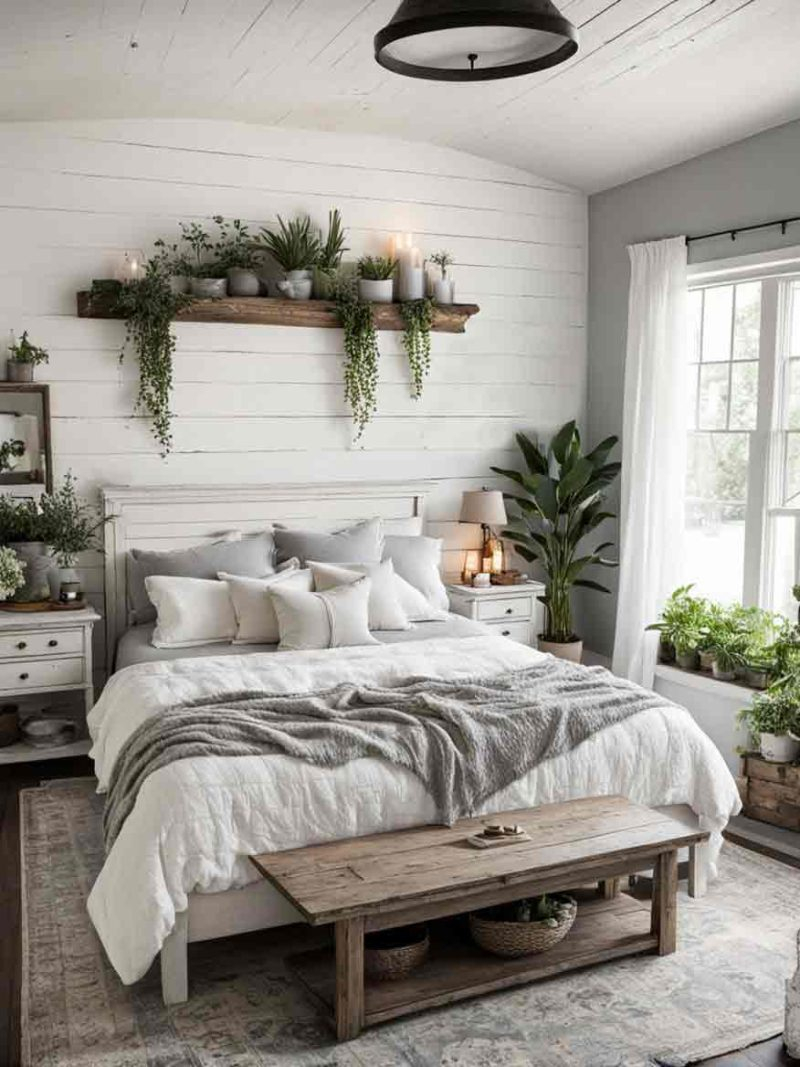
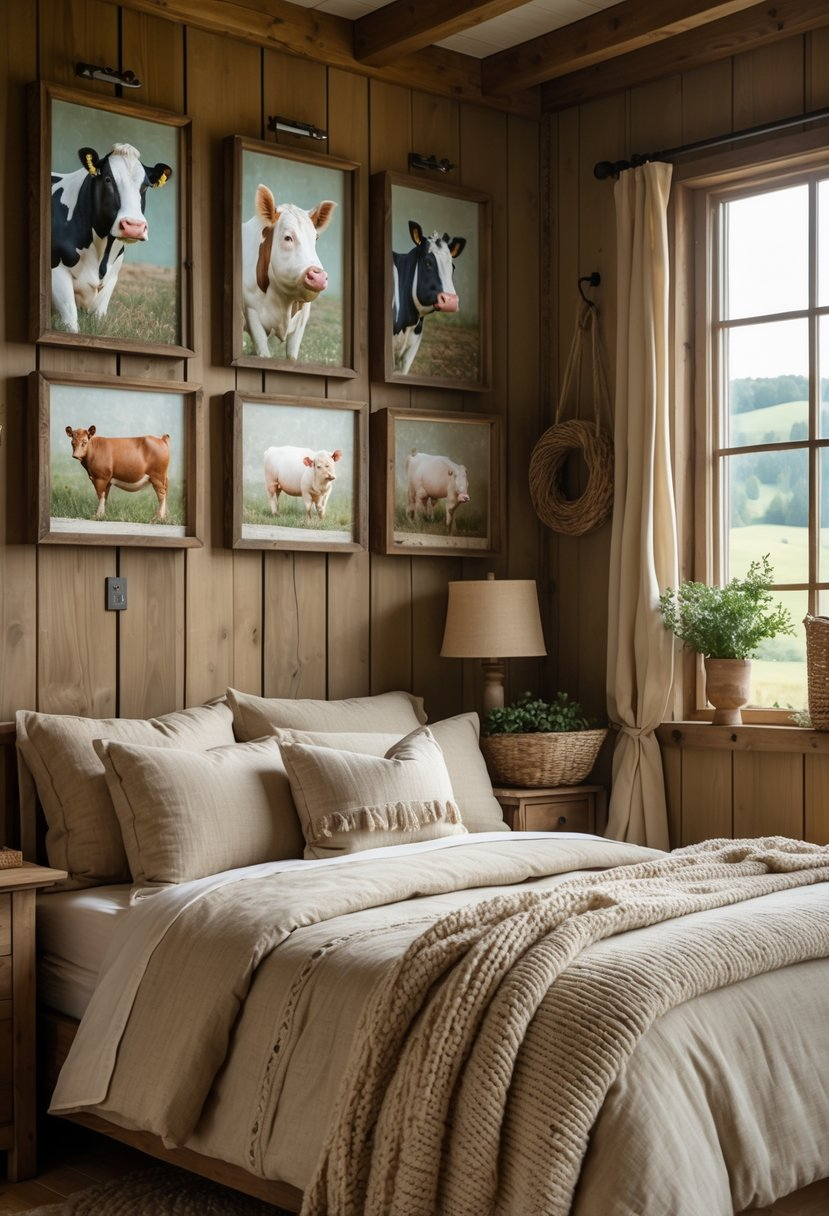
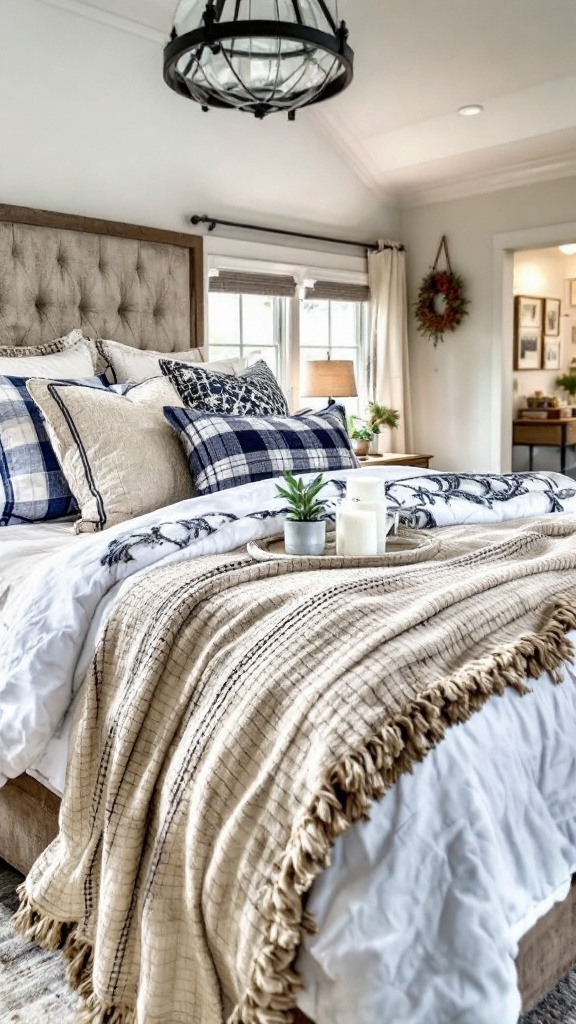
We all know that feeling. You walk into your bedroom after a long, exhausting day, and instead of feeling relief, you feel… nothing. Or worse, you feel a low-level hum of anxiety because the space just doesn’t sit right with you. Maybe the colors are too cold. Maybe the furniture feels cramped. It’s supposed to be your retreat, your safe haven, but it’s failing at its one job. In 2026, the way we think about our sleeping spaces has shifted dramatically. It’s no longer just about where we crash; it’s about where we recharge.
Finding the perfect style isn’t about copying a picture from a magazine. It’s deeper than that. It’s about understanding what makes you feel calm. Do you need soft textures to soothe your nerves? Do you need clean lines to clear your mind? This year, the design world is moving away from rigid rules and toward deeply personal sanctuaries. We are seeing a blend of wellness-inspired ideas, natural textures, and a return to comforting classics. Let’s dig into how you can discover the style that truly belongs to you.
Listening to Your Body’s Needs First
Before you buy a single pillow or paint a wall, you have to ask yourself a hard question: What does my body need right now? For years, we designed bedrooms for how they looked on social media. But in 2026, the focus has swung back to functionality and feelings. If you suffer from insomnia or high stress, a stark, ultra-minimalist room might look chic, but it could actually make you feel exposed and anxious. On the other hand, if you feel cluttered and overwhelmed by stuff, a room filled with knick-knacks and heavy patterns might keep your brain buzzing when you’re trying to sleep.
Think about the last time you felt truly rested. Where were you? Was it a cabin in the woods with rough wood beams? Or was it a sleek, modern hotel room with blackout curtains and crisp white sheets? Your answer holds the key. Designers are now prioritizing "wellness-inspired" layouts. This means considering light, sound, and touch before aesthetics. For instance, if you are sensitive to light, your style choice should lean towards heavier drapes and darker, moodier palettes. If you crave warmth, you’ll want tactile materials like wool, velvet, or chunky knits.
Start by doing a quick audit of your current sleep quality. Are you waking up stiff? Maybe your mattress support is fine, but the room lacks the softness that signals "rest" to your brain. Are you waking up groggy? Perhaps the room is too dark or lacks the gentle, natural textures that help regulate circadian rhythms. By tuning into these physical cues, you narrow down your style options significantly. You aren’t just picking a "look"; you are prescribing a cure for your daily fatigue.
The Rise of Japandi and Soft Minimalism
If you found that you need clarity and calm, you might be drawn to the styles that are dominating 2026 charts: Japandi and soft minimalism. But don’t let the word "minimalism" scare you. This isn’t about living in an empty box. It’s about editing. Japandi, a hybrid of Japanese rustic minimalism and Scandinavian functionality, is huge right now. It combines the clean, functional lines of Nordic design with the warm, raw aesthetics of Japanese tradition. The result? A space that feels airy but not cold.
In practice, this looks like low-profile furniture with curved edges. Sharp corners are out; soft, organic shapes are in. You’ll see a lot of light oak wood, stone accents, and neutral tones like beige, cream, and soft greys. The magic here is in the negative space. By leaving some areas of the room open, you allow your eyes to rest. It’s a visual breath. However, to keep it from feeling sterile, 2026 trends emphasize "tactile materials." Think linen bedding that wrinkles beautifully, a handmade ceramic vase, or a rug with a subtle, irregular weave.
This style works best for people who feel mentally cluttered. If your job involves staring at screens and processing tons of data all day, coming home to a visually quiet room can be a lifesaver. The key is to avoid perfection. A slightly crooked hand-thrown pot adds more soul than a perfectly symmetrical factory-made one. It’s about finding beauty in simplicity and imperfection. If this resonates with you, start by removing anything from your bedroom that doesn’t serve a purpose or bring you genuine joy. Then, introduce one or two high-quality natural pieces. Less really is more, but only if the "less" is beautiful.
Embracing Cozy Maximalism and Vintage Revivals
Maybe you read that last section and thought, "No way. That feels too empty for me." If so, you are likely craving the opposite end of the spectrum. 2026 is also seeing a massive comeback of cozy maximalism and vintage charm. Country Living experts have pointed out that bedskirts, vintage iron beds, and quilts are making a stylish return. This isn’t the chaotic clutter of the past; it’s curated nostalgia. It’s about wrapping yourself in layers of history and comfort.
Imagine a room with deep, moody walls—perhaps a rich sage green or a navy blue. Against that backdrop, you have a wrought-iron bed frame, piled high with quilted blankets and fluffy pillows. There’s an illustrated statement rug on the floor, adding a splash of artistic flair and color. This style is incredibly inviting. It feels like a hug. It’s perfect for those who find comfort in objects, in stories, and in texture. The "capsule" approach mentioned by Homes & Gardens suggests choosing pieces that work in harmony, so even if you have lots of items, they share a common thread, like a color palette or a material.
This approach is ideal for empaths or creative types who draw energy from their surroundings. If blank walls make you feel lonely, fill them. If plain sheets feel institutional, layer them with patterned quilts. The trend here is "thoughtful layering." It’s not about buying new things; it’s often about rediscovering old ones. That quilt your grandmother made? It’s trendy again. That vintage lamp you found at a flea market? It’s the perfect accent. The goal is to create a room that feels lived-in and loved, not staged. Don’t be afraid to mix patterns, as long as they share a similar tone.
Color Psychology and Calming Palettes
Color is the most powerful tool in your design kit, and in 2026, we are moving away from stark whites and aggressive brights. The focus is on "calming colours" that support mental health. Sage green has become a staple, offering a connection to nature without being too literal. It’s soothing, restorative, and pairs well with almost any wood tone. But it’s not the only option. Earthy terracottas, soft blues, and warm taupes are also taking center stage. These colors mimic the natural world, which our brains are wired to find relaxing.
However, context matters. A color that looks peaceful in a showroom might feel different in your specific room. North-facing rooms get cool, blue light, so they benefit from warmer tones to balance the chill. South-facing rooms get intense, warm light, so cooler tones can help keep the space feeling fresh. When choosing your palette, think about the mood you want to set. Do you want to feel energized in the morning? A soft, sunny yellow accent might help. Do you want to wind down quickly? Deep, shadowy hues can signal to your brain that it’s time to sleep.
Don’t forget the ceiling. It’s often called the "fifth wall," and painting it a slightly lighter shade of your wall color can make the room feel cocoon-like and intimate. Or, if you have high ceilings, a darker shade can bring them down visually, making the space feel cozier. The key is to test samples. Paint a large swatch on the wall and look at it in the morning, afternoon, and night. Colors shift dramatically with artificial light versus natural light. Trust your eyes, not just the paint chip.
Lighting and Texture: The Unsung Heroes
You can have the perfect bed and the right paint color, but if your lighting is harsh, the room will fail. In 2026, lighting design is all about layers and warmth. Overhead lights are increasingly seen as too clinical for bedrooms. Instead, designers are using multiple low-level light sources. Think bedside sconces, floor lamps in corners, and even LED strips behind headboards for a soft glow. The goal is to eliminate shadows and create a diffuse, gentle illumination that mimics the setting sun.
Texture plays a similar role. It’s what makes a room feel expensive and comfortable, even if the furniture is affordable. This year, there is a big emphasis on "natural textures." Wood, stone, cotton, wool, rattan, and leather. These materials age well and feel good to the touch. When you run your hand across a wooden nightstand or sink your feet into a wool rug, your nervous system relaxes. Synthetic materials, while durable, often lack this sensory depth. Try to incorporate at least three different textures in your bedroom. For example, a smooth metal lamp, a rough woven basket, and a soft velvet pillow.
Lighting temperature is crucial too. Stick to bulbs labeled "warm white" or "soft white" (around 2700K to 3000K). Avoid "daylight" bulbs in the bedroom, as the blue light can suppress melatonin production and mess with your sleep cycle. Dimmers are your best friend. Being able to lower the lights as the evening progresses helps your body prepare for sleep naturally. It’s a small change that makes a huge difference in how the room feels.
Practical Steps to Finalize Your Style
So, how do you put it all together? It can feel overwhelming. Start small. Pick one anchor piece. This could be your bed, a rug, or even a piece of art you love. Build around that. If you love a bold, illustrated rug, let that dictate your color palette. Pull out the secondary colors from the rug for your pillows and throws. Keep the larger furniture pieces neutral to let the rug shine. This prevents the room from feeling chaotic.
Next, consider the flow. Can you move around the bed easily? Is there enough space to open your closet doors? Functionality must come before fashion. A beautiful bedroom that is frustrating to navigate will never feel like a dream home. Measure your space carefully. In 2026, well-scaled furniture is a major trend. Oversized sofas and massive beds are out for smaller rooms; instead, people are choosing pieces that fit the proportion of the space, making it feel larger and more airy.
Finally, give it time. You don’t have to finish everything in a weekend. Let the room evolve. Add a plant here, swap a lamp there. See how you feel after a week. If something bothers you, change it. Your bedroom is a living space, not a museum exhibit. It should grow with you. And remember, there is no "wrong" choice as long as it brings you peace. Whether you go for the sleek curves of Japandi or the layered comfort of vintage maximalism, the perfect style is the one that lets you sleep soundly.
At the end of the day, discovering your perfect bedroom design style in 2026 is about listening to yourself. It’s about rejecting the idea that there is one "correct" way to decorate. The trends this year—from illustrated rugs to calming sage greens—are just tools. They are suggestions, not mandates. Use them if they speak to you. Ignore them if they don’t. The goal is to create a space that feels like a deep exhale.
Take what you’ve learned here and apply it with intention. Look at your room with fresh eyes. What’s missing? What’s too much? Start with the basics: comfort, light, and texture. Then, layer in your personality. Whether that’s through a collection of books, a favorite painting, or a heirloom quilt, make sure the space reflects who you are. Because when your bedroom truly fits you, it stops being just a room. It becomes a sanctuary. And honestly, isn’t that what we all need a little more of?