Have you ever walked into a room and instantly felt a wave of calm wash over you? Or maybe you’ve stayed in a place that just seemed to flow perfectly, where everything you needed was exactly where you expected it to be. It feels like magic, but it’s actually just smart design at work.
For a long time, high-end interior design was seen as something reserved only for the wealthy or those with sprawling luxury homes. But it’s 2026, and the world has changed. Today, the most forward-thinking designers aren’t just focusing on expensive fabrics or rare art. They are solving real-world problems. And the secrets they use to create those breathtaking spaces? You can totally bring them into your own home, no matter your budget.
It is All About How a Room Feels, Not Just Looks
For a long time, people thought interior design was just about picking pretty colors and matching pillows. But forward-thinking design flips this idea on its head. The real magic lies in how a space makes you feel when you walk through the door. Think about it—your home is where you unwind after a stressful day, so shouldn’t it actively help you relax.
Modern designers focus heavily on emotional resonance, which is just a fancy way of saying a room’s vibe. They use soft textures, warm lighting, and open layouts to lower stress levels. You can do this too by ditching harsh overhead lights for smaller lamps and choosing materials that feel nice to touch, like a soft woven blanket or a smooth wooden coffee table.
Making Small Spaces Work Double Time
With more people living in apartments or downsized homes these days, space is at a premium. High-end designers have become masters at making tiny rooms feel massive and highly functional. They do this through smart, multi-purpose zoning instead of just putting up walls.
For example, a modern room might feature a bookshelf that doubles as a room divider, or a desk that folds smoothly into the wall when the workday ends. The lesson here for everyday people is to look at your furniture with a critical eye. If an item only serves one purpose and takes up half the room, it might be time to rethink it. Look for storage benches or tables that can expand when guests come over.
Bringing the Outside World Indoors
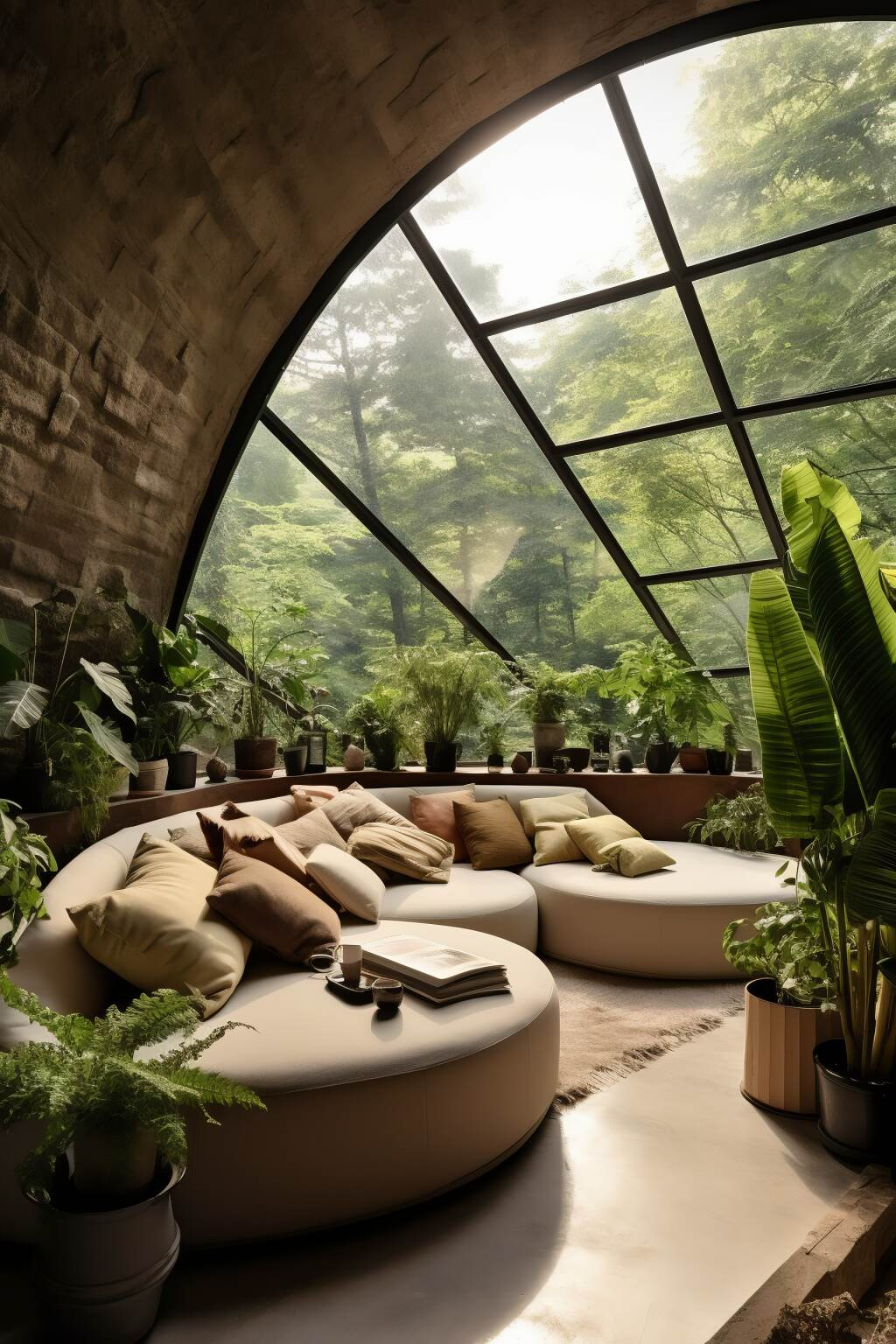
You might have heard the term biophilic design popping up a lot lately. Don’t let the big science word scare you—it simply means bringing nature into our living spaces. Forward-thinking designers realize that humans have a deep, built-in need to connect with the natural world, and being stuck inside all day isn’t great for our mental health.
To bring this concept home, you don’t need a massive indoor greenhouse. It can be as simple as opening your curtains wide to let the natural sunlight pour in. Adding a few hardy houseplants, like a snake plant or a pothos, can instantly boost the mood of a room. Even using natural materials like linen, stone, and unfinished wood helps create that grounding connection to the outdoors.
Lighting Changes Absolutely Everything
If there is one secret weapon that top designers use to completely transform a space, it’s lighting. Most everyday homes rely on a single, bright bulb in the center of the ceiling, which can make a room feel cold and flat, almost like a grocery store aisle.
The pros build lighting in layers. They combine ambient light (the general light in the room) with task lighting (like a reading lamp) and accent lighting (to highlight a cool picture or corner). By placing lamps at different heights and using warmer bulbs, you can completely change the mood of your living room with the flick of a switch. It makes the space feel cozy and inviting instead of clinical.
Decluttering with a Real Purpose
We have all heard about minimalism, but the modern take on this isn’t about living in a empty white box with one chair. It is about intentional living. Forward-thinking design teaches us to only surround ourselves with things that either serve a clear purpose or bring us genuine happiness.
This means doing a thorough declutter, but with a twist. Instead of just throwing things away, look for clever ways to hide the everyday mess. Use stylish baskets to hold stray cords and remotes, or utilize vertical wall space with floating shelves. When your surfaces are clear, your mind feels a whole lot clearer too.
The Power of Personal Storytelling
The absolute best interior designers don’t create spaces that look like sterile hotel rooms. They design homes that tell a story about the people who live there. Your home shouldn’t look like a page straight out of a generic furniture catalog; it should reflect your unique journey and the things you love.
Instead of buying mass-produced art just to fill an empty wall, look for pieces that mean something to you. Frame a map from a favorite vacation, display a collection of old family books, or showcase a quirky ceramic bowl you found at a local flea market. These personal touches are what turn a house into a home, giving it character and warmth that money can’t buy.
At the end of the day, forward-thinking interior design isn’t about spending a fortune or following rigid rules. It is about understanding how your physical surroundings affect your daily life and making small, intentional adjustments to improve your day-to-day routine.
By focusing on how your rooms feel, embracing natural elements, layering your lighting, and injecting your own personal story into your decor, you can create a beautiful sanctuary. You deserve a space that supports your lifestyle and brings you joy every time you step through the front door.