If you’re thinking about selling your home this year, you might feel like you’re walking a tightrope. On one side, there’s the urge to fix everything that’s ever broken. On the other, there’s the fear of spending money you’ll never see again. It’s a tricky spot to be in. The market in 2026 isn’t quite the frenzy we saw a few years back. Buyers are sharper. They have more choices. And they are watching their pennies closely.
So, what’s the move? Do you rip out the kitchen? Paint the exterior neon blue? Or just clean the gutters and hope for the best? The answer isn’t as simple as it used to be. What worked in 2020 is practically ancient history now. Today, it’s about being smart. It’s about knowing exactly where every dollar goes and how much of it comes back to you when you hand over the keys. Let’s dig into what’s actually working right now.
The Curb Appeal Shockers That Pay Off Big
First impressions still matter. Maybe more than ever. But here’s the twist: the biggest returns aren’t coming from massive landscaping overhauls. They’re coming from small, strategic swaps that make a house look cared for. You might be surprised to hear that replacing your garage door is currently one of the smartest moves you can make. According to recent data, this simple swap can return nearly 194% of its cost. That’s huge. It’s not just about the door itself; it’s about the instant facelift it gives the whole front of the home.
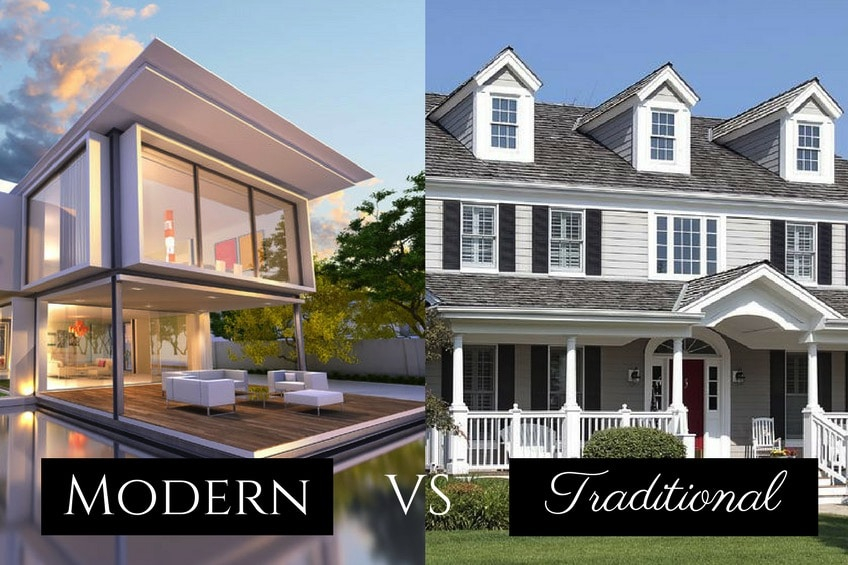
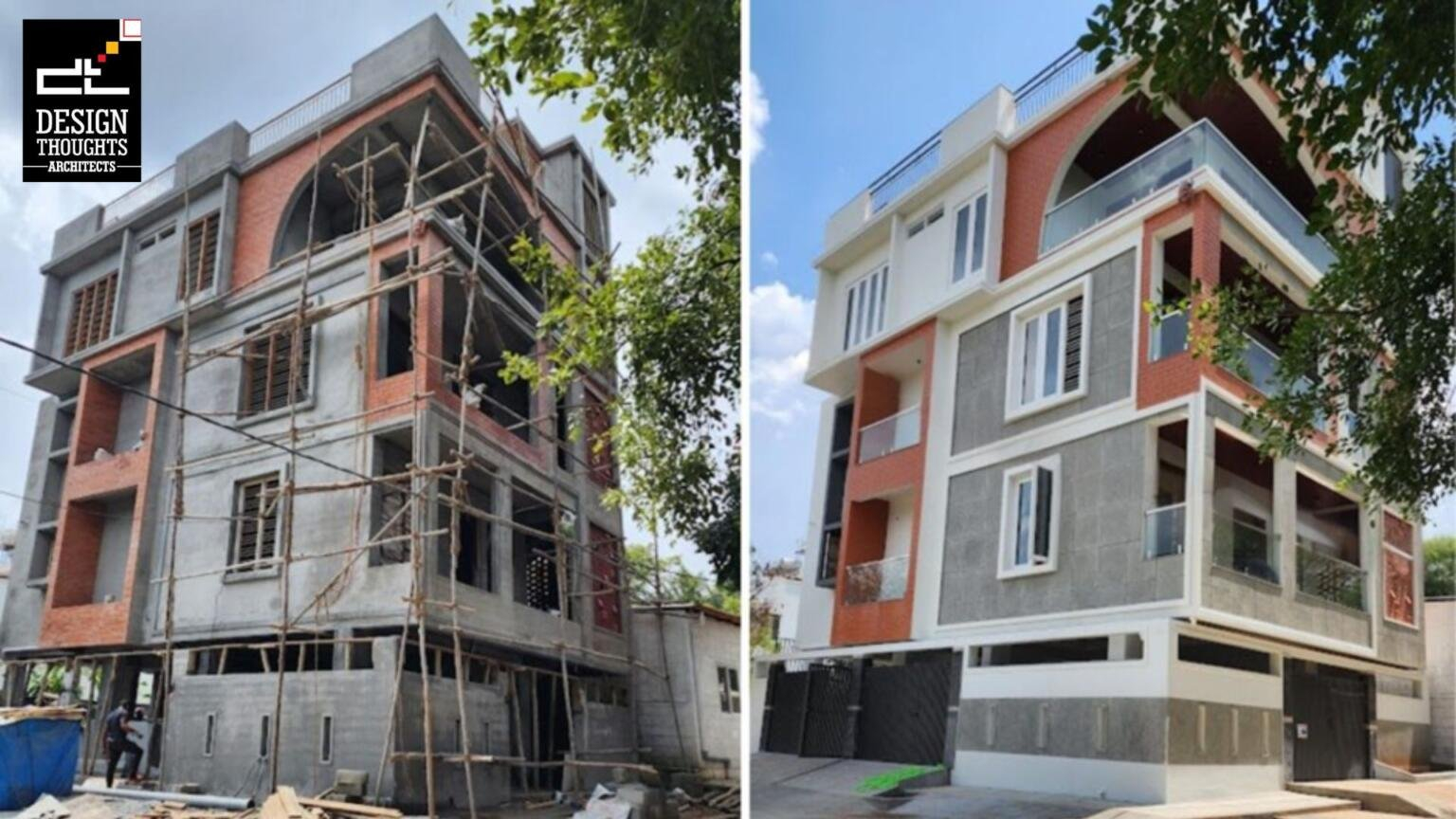
Stone veneer is another quiet winner. Adding a touch of stone to the front facade can boost your value by around 153%. It sounds fancy, but it’s often quicker and cheaper than people think. These projects work because they signal quality. When a buyer pulls up, they aren’t looking at the age of your roof shingles immediately. They’re looking at the vibe. Does the home feel solid? Does it feel modern? A new garage door or a stone accent wall answers "yes" before they even step inside.
Don’t overlook the power of paint and plants, either. You don’t need a designer garden. Just fresh mulch, trimmed hedges, and a front door painted in a bold, welcoming color can do wonders. Zillow’s trends for 2026 point toward character and comfort. Minimalism is taking a backseat to homes that feel lived-in and warm. A pop of color on the door says "welcome home" in a way that beige never could. It’s low cost, high impact, and it sets the tone for the rest of the tour.
Kitchens and Baths: The Art of the Refresh
Let’s talk about the rooms that scare homeowners the most: kitchens and bathrooms. We’ve all heard that these sell houses. And it’s true. But in 2026, a full gut renovation is rarely the right play unless your current setup is falling apart. Buyers are careful with their money. They don’t want to pay for your dream kitchen if they were planning to install their own anyway. The key here is the "refresh." Think updates, not overhauls.
Swapping out cabinet hardware, refinishing existing cabinets, and installing new countertops can transform a space without the chaos of a demolition. Quartz is still king for durability and look, but don’t sleep on high-quality laminates that mimic stone. They’ve come a long way. For bathrooms, focus on cleanliness and modern fixtures. A new vanity, updated lighting, and fresh grout can make a ten-year-old bathroom feel brand new. It’s about removing the "ick" factor without removing the walls.
Functionality is the new luxury. Buyers in this market are practical. They want spaces that work. If your kitchen has a weird layout, don’t knock down walls. Just improve the flow. Add an island if there’s room. Ensure there’s enough storage. In bathrooms, water-efficient fixtures are a must. They save money and appeal to the growing number of eco-conscious buyers. Remember, you’re not designing for yourself. You’re designing for the next person who wants a home that’s easy to live in. Keep it neutral, keep it clean, and let them imagine their own life in the space.
Sustainability Is No Longer a Nice-to-Have
A few years ago, solar panels and energy-efficient windows were seen as niche upgrades. Maybe something for the environmentally dedicated. Not anymore. In 2026, sustainability is mainstream. It’s tied directly to affordability. With mortgage rates hovering around 6%, buyers are looking for ways to lower their monthly bills. A home that costs less to heat, cool, and power is instantly more attractive. It’s not just about saving the planet; it’s about saving cash.
Energy-efficient windows are a top contender here. They reduce noise, improve comfort, and cut down on utility costs. While the upfront cost is significant, the return on investment is steady because buyers recognize the long-term value. Same goes for insulation upgrades. It’s not sexy. You can’t see it. But if you can prove your home is well-insulated, you’re offering peace of mind. Smart thermostats are another easy win. They’re cheap to install and show that the home is modern and efficient.
Solar panels are a bit trickier. They can add value, but only if they’re owned, not leased. Leased panels can be a headache for buyers who don’t want to take on someone else’s contract. If you own them, highlight the energy savings. Show the bills. Make it real. Also, consider electric vehicle (EV) charging readiness. Even if you don’t install a charger, having the conduit run to the garage shows you’re thinking ahead. It’s a small detail that signals a future-ready home. Buyers appreciate that foresight.
The Rise of Functional Flex Spaces
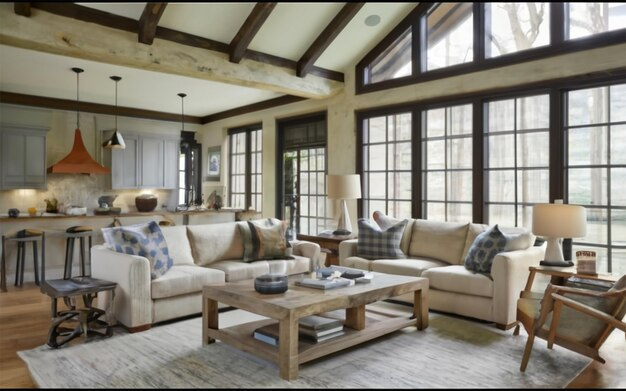
Remember when everyone wanted an open-concept everything? Well, the pendulum has swung back a bit. People still like open spaces, but they also crave privacy and purpose. The pandemic changed how we use our homes, and that shift is sticking. Buyers in 2026 are looking for flex spaces. Rooms that can be an office, a gym, a guest room, or a hobby studio. If you have a spare bedroom or a finished basement, stage it with purpose. Don’t just leave it empty.
Home offices are still in high demand. But they don’t need to be massive. A nook with good light and a built-in desk can be just as effective. The key is connectivity. Ensure there are plenty of outlets and strong Wi-Fi signals. If you’re doing any renovations, consider adding soundproofing. It’s a subtle upgrade that makes a huge difference for anyone working from home or taking calls. It shows you understand the modern lifestyle.
Multipurpose rooms are also gaining traction. Think about a laundry room that also serves as a mudroom. Or a dining area that can double as a homework station. Versatility is valuable. It allows buyers to see how the home can adapt to their specific needs. Avoid overly personalized conversions. Turning a bedroom into a giant walk-in closet might work for you, but it limits the pool of buyers who need that third bedroom. Keep the bones flexible. Let the furniture do the talking.
Smart Tech That Doesn’t Feel Like Gimmicks
Technology in homes has evolved. It’s no longer about having a fridge that tweets. It’s about security, convenience, and efficiency. Buyers today expect a certain level of smart integration. But they don’t want complexity. They want things that just work. Smart locks, video doorbells, and integrated security systems are now considered standard amenities in many markets. If your home doesn’t have them, it might feel dated.
The best tech upgrades are the ones that enhance safety and ease of access. A smart thermostat that learns your schedule is great. A leak detector that shuts off the water main if it senses a burst pipe is even better. These are practical tools that prevent disasters. They offer insurance against costly repairs. Highlight these features in your listing. Take photos of the apps. Show how easy they are to use.
Avoid proprietary systems that require a monthly subscription unless they’re highly desirable. Buyers don’t want to inherit another bill. Stick to widely compatible devices that use standard platforms like Alexa or Google Home. This ensures that the new owner can integrate them into their existing ecosystem without hassle. It’s about reducing friction. The smoother the transition, the more appealing the home. Tech should serve the resident, not the other way around.
Knowing what not to do is just as important as knowing what to do. There are several renovations that look great on paper but fail to deliver in the real world. High-end luxury upgrades are the first trap. Installing a $20,000 spa shower in a neighborhood where homes sell for $300,000 is a recipe for disappointment. You won’t get that money back. Keep your improvements in line with the rest of the street. Over-improving is a quick way to lose money.
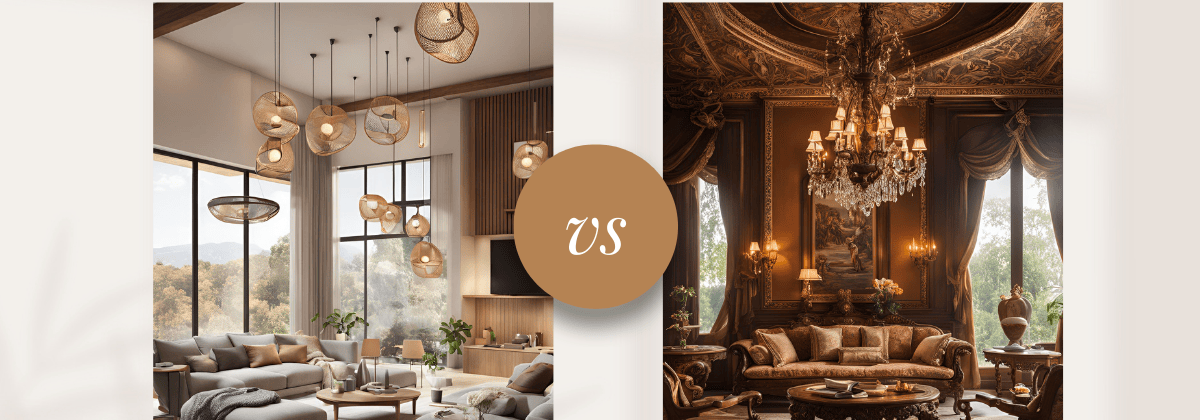
Another big skip is overly trendy design choices. Bold wallpaper, unusual tile patterns, or niche color schemes might be fun for you, but they’re risky for resale. Remember, minimalism is being replaced by character, but that doesn’t mean chaos. Stick to timeless elements for the big-ticket items. Floors, cabinets, and countertops should be neutral. Let the accessories bring the personality. That way, buyers can envision their own style without having to tear out your expensive tastes.
Also, avoid complex structural changes unless absolutely necessary. Moving plumbing or load-bearing walls is expensive and messy. It often leads to unforeseen issues that can delay your sale. If the layout works, leave it. Focus on cosmetic updates that brighten and refresh. Cleanliness and maintenance are undervalued. A deep clean, fixing squeaky doors, and touching up paint can yield a higher return than a minor remodel. Don’t underestimate the power of a home that feels well-loved and ready to go.
Selling a home in 2026 is about balance. It’s about understanding that buyers are cautious but eager for quality. They want homes that are efficient, functional, and full of character. They don’t want perfection. They want potential. By focusing on high-ROI updates like curb appeal, kitchen refreshes, and energy efficiency, you position your home as a smart choice. You’re not just selling a building. You’re selling a lifestyle that’s ready for the future.
Keep it simple. Keep it smart. And remember, the goal isn’t to build your dream home. It’s to help someone else find theirs. When you approach renovations with that mindset, the decisions become clearer. You spend less, stress less, and likely walk away with more. It’s a win-win. So take a breath, look at your home with fresh eyes, and make the changes that truly matter. The market is waiting.