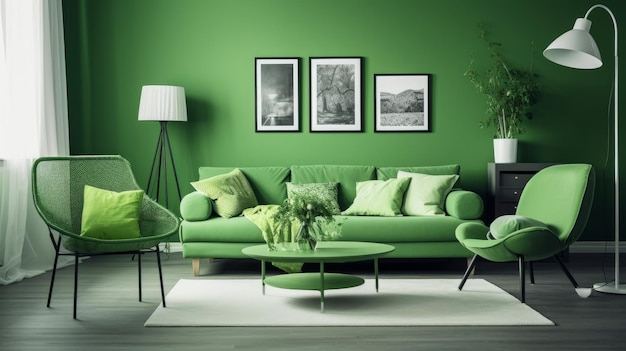
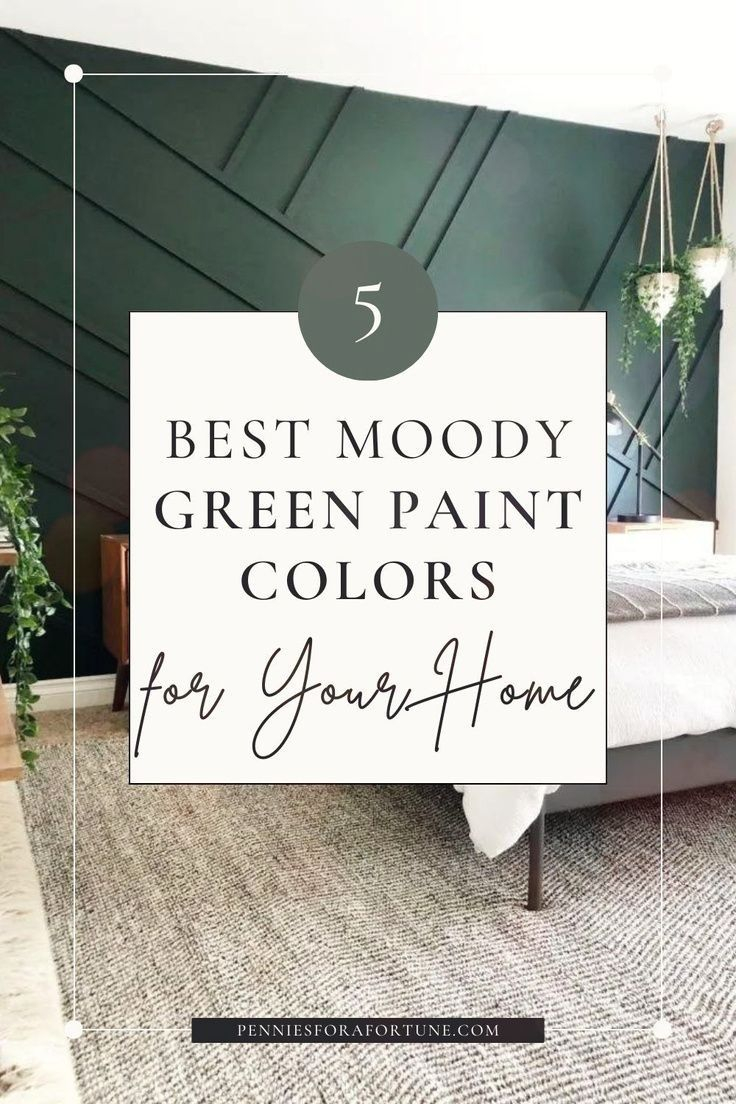
Ever walked into a room and immediately felt like you could take a deep, clear breath. That is the magic of green. It is not just a trend for 2026; it is a whole mood. For years, we have seen people try to bring the outdoors inside, but without a plan, a living room can quickly end up looking less like a soothing sanctuary and more like a chaotic jungle.
That is where a color checklist comes in handy. Instead of guessing which paint chip looks best or buying a couch that clashes with your rug, a checklist keeps your design choices grounded. Let us look at how you can use this simple tool to completely change the vibe of your home.
1. Figure Out Your Room’s Natural Light
Before you even touch a paintbrush, you have to look at the windows. The way daylight hits your room changes everything. A dark forest green might look rich and cozy in a sun-drenched space, but in a small, north-facing room, it can feel like a cave.
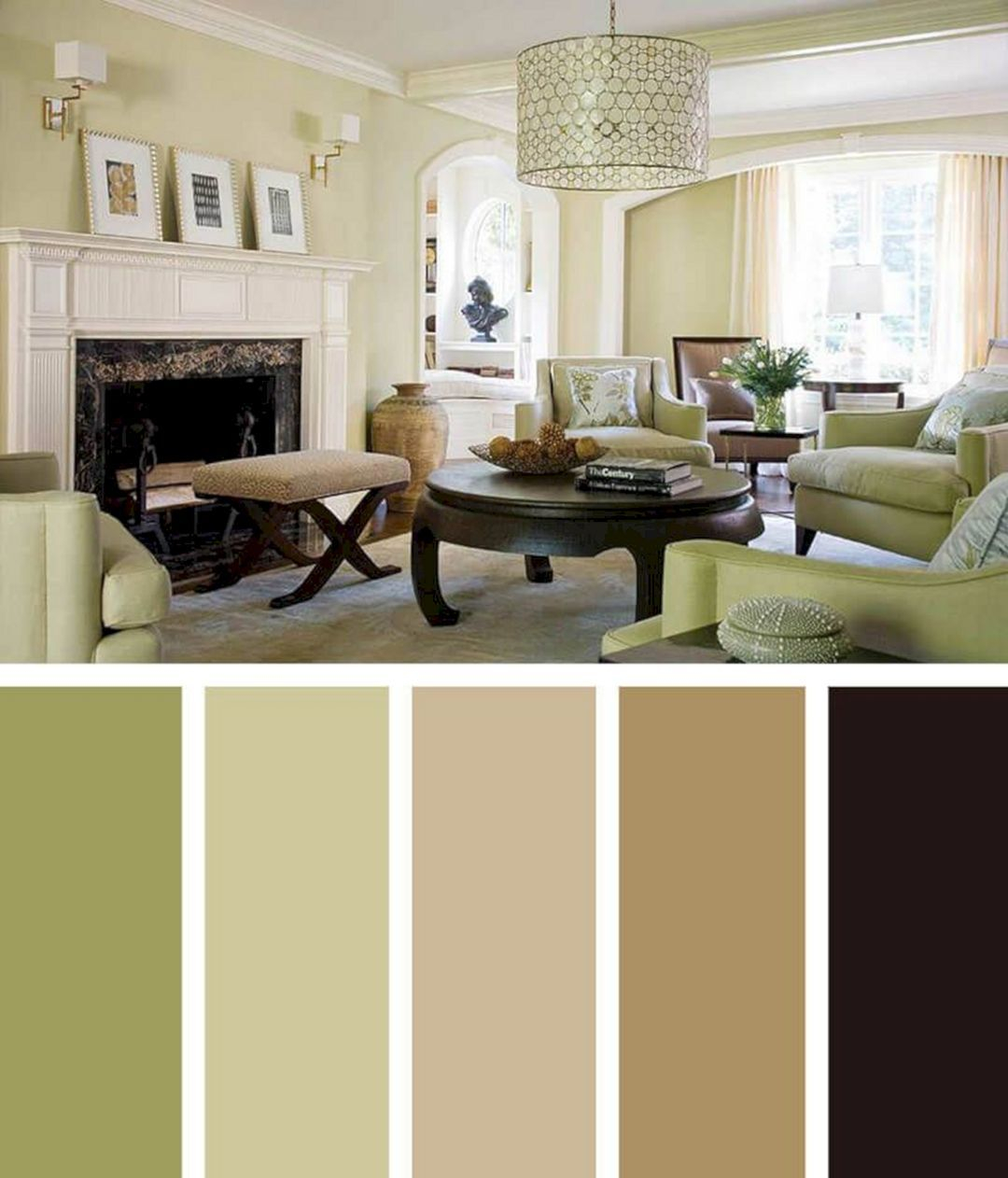
Take a day to watch how light moves through your space. If your room gets a lot of bright, direct sun, you can handle cooler greens like mint or sage. For darker rooms, look for greens with warm yellow undertones to keep things from feeling too gloomy.
2. Pick Your Main Green Personality
Green is a total chameleon. It comes in so many shades that you need to decide on a direction early on. Are you going for a modern, moody look or something bright and refreshing.
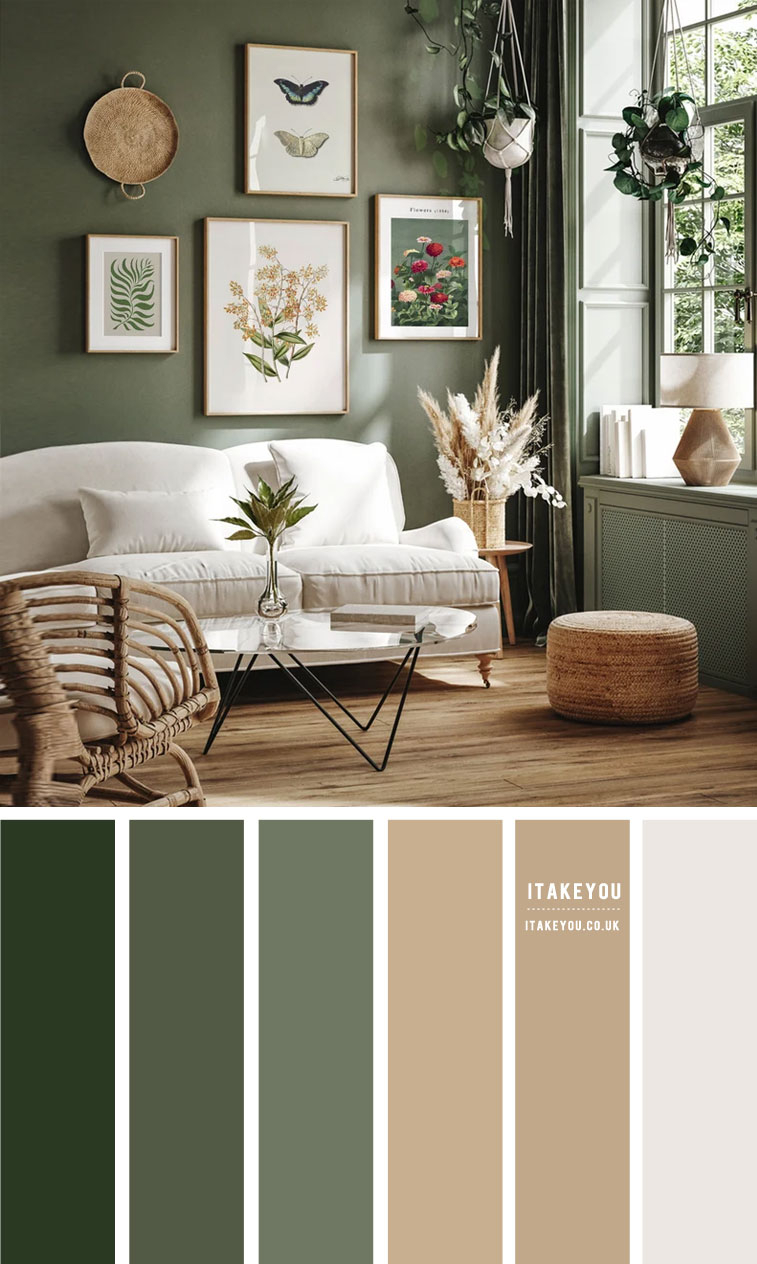
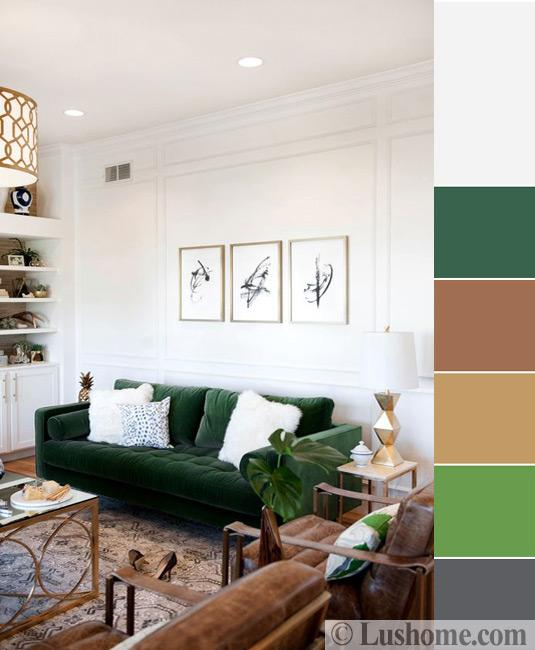
Sage green and soft olive are incredibly popular right now because they act like neutrals. They play nice with almost everything. On the other hand, if you want high drama, emerald or deep hunter green on an accent wall can make a massive statement. Just pick one dominant shade to be the star of the show.
3. Choose Your Perfect Partner Colors
Green cannot do all the heavy lifting alone. To make the room feel balanced, you need the right companion colors. Designers love pairing sage green with deep navy or rich teal to add a layer of sophistication.
If you like a warmer look, try adding small pops of mustard yellow or burnt orange through pillows and blankets. For a softer, modern twist, blush pink creates a really beautiful, unexpected contrast against darker greens. Don’t forget natural wood tones and tan leather, which instantly ground the entire look.
4. Layer in Different Textures
A big mistake people make is painting the walls green, buying a green couch, and calling it a day. That is a recipe for a flat, boring room. You need texture to break things up and create depth.
Think about mixing materials. Pair a velvet olive green chair with a chunky knit beige throw blanket. Put a sleek, smooth ceramic green vase on top of a rustic wooden coffee table. This variety keeps your eyes moving and makes the space feel lived-in and comfortable.
5. Use Plants as Living Decor
It might sound obvious, but the easiest way to ace a green color scheme is with actual plants. They bring literal life into the room and bridge the gap between your painted walls and your furniture.
You don’t need a total green thumb either. Easy-to-care-for options like pothos, snake plants, or a tall monstera add different shades of green naturally. Plus, the organic shapes of the leaves soften the hard lines of your bookshelves and TV stands.
If committing to a full green wall feels too scary, start small. Decor and furnishings offer a subtle way to test the waters without making a huge financial or time commitment.
Try swapping out your current artwork for pieces that feature emerald or mossy tones. Bring in green glassware, sculptural pieces, or a bold area rug. If you love it after a few weeks, then you can confidently take the plunge with bigger furniture items or paint.
Transforming your home should be a fun experiment, not a stressful chore. By using a checklist to track your lighting, main colors, and textures, you avoid the usual decorating pitfalls. Green has this amazing ability to connect us back to nature, making our homes feel like a true escape from the busy world outside. Take it one step at a time, trust your gut, and enjoy watching your fresh, tranquil space come together.