Have you ever walked into a room and instantly felt your shoulders drop? That sudden, deep sigh of relief isn’t an accident. For the last couple of years, and especially now in 2026, people are moving away from those cold, clinical grey rooms that dominated the past decade. Instead, we are craven a return to nature.
Creating a home that feels like a warm hug comes down to two major elements: the colors on your walls and the lights you flip on. When you marry warm earthy palettes with soft, intentional lighting, magic happens. But if you get the balance wrong, a room can quickly go from cozy to feeling like a dark, muddy cave. Let us dive into how to get it just right.
Shifting From Cool Greys to Organic Warmth
For a long time, home design was obsessed with stark white and cool taupes. Lately, there has been a massive shift toward shades that feel grounded and real. Think about the tones you spot during a weekend hike: the rich brown of tree bark, muted sage leaves, clay reds, and sandy beige. These tones are naturally quiet and incredibly easy to live alongside.
The beauty of an earthy palette lies in its variety. You aren’t stuck with just plain brown. Instead, you can choose deep terracottas, soft camel tones, and mustard yellow to bring life to a space. These colors possess an inherent visual weight, making a room feel instantly anchored and safe.
The Secret Language of Soft Lighting
Color is only half the battle. You can paint a room the most beautiful shade of warm ochre, but if you turn on a harsh, bright overhead light, the cozy vibe vanishes. Soft lighting is all about scattering light gently across a room rather than blasting it from a single bulb.
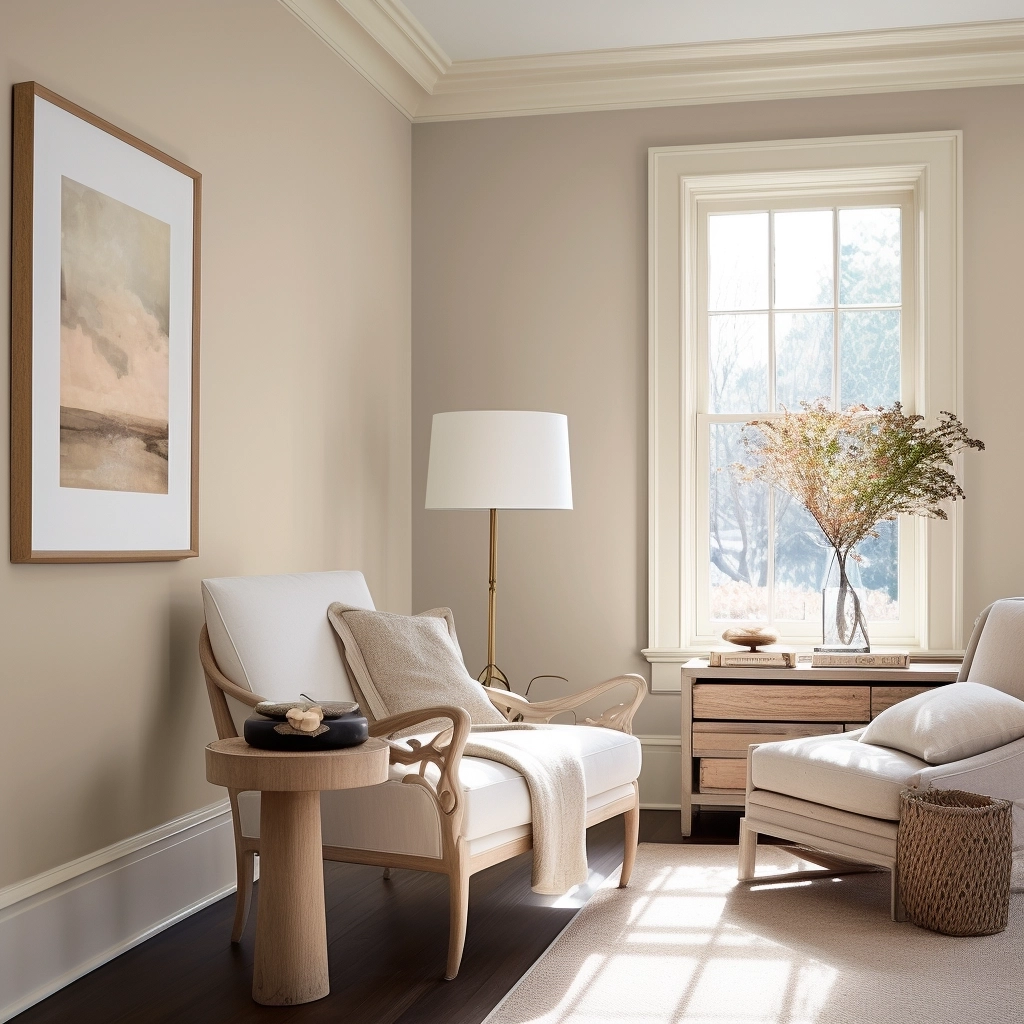
To get this right, you want to look at the color temperature of your bulbs. Look for bulbs marked "warm white" or "soft white," usually around 2700K. This mimics the gentle, amber glow of a tranquil dawn or a setting sun. It softens the edges of your furniture and makes the whole room look more inviting.
Layering Light to Enhance Rich Textures
One common trap people fall into when using earthy colors is that the room can start to look flat. To fix this, you need to layer your light sources. Instead of relying on one big ceiling fixture, try spreading out three or four smaller lamps around the space.
Place a small lamp on a sideboard to highlight the grain of a timber table. Put a floor lamp next to a textured linen armchair. By bouncing light off different surfaces, you create shadows and highlights. This brings out the deep textures in your fabrics and woods, making the room look rich and multi-dimensional.
Balancing Rich Accents Without the Heavy Weight
Richer earth tones like chocolate brown, olive green, and dark clay are gorgeous, but they can easily overwhelm a small room. The trick is using them strategically. Instead of painting all four walls a dark olive, try using that color on a single accent wall or keeping it confined to your textiles.
You can use mustard yellow or burnt orange on throw pillows, blankets, and rugs. This introduces that cozy warmth without making the room feel small or claustrophobic. Pair these richer accents with soft beige or cream walls to keep the airiness intact.
Choosing Natural Materials That Love the Glow
The furniture and decor you choose play a big part in how light interacts with your color palette. Natural materials love soft lighting. Materials like rattan, wicker, untreater wood, and terracotta pots have textured surfaces that absorb and scatter light beautifully.
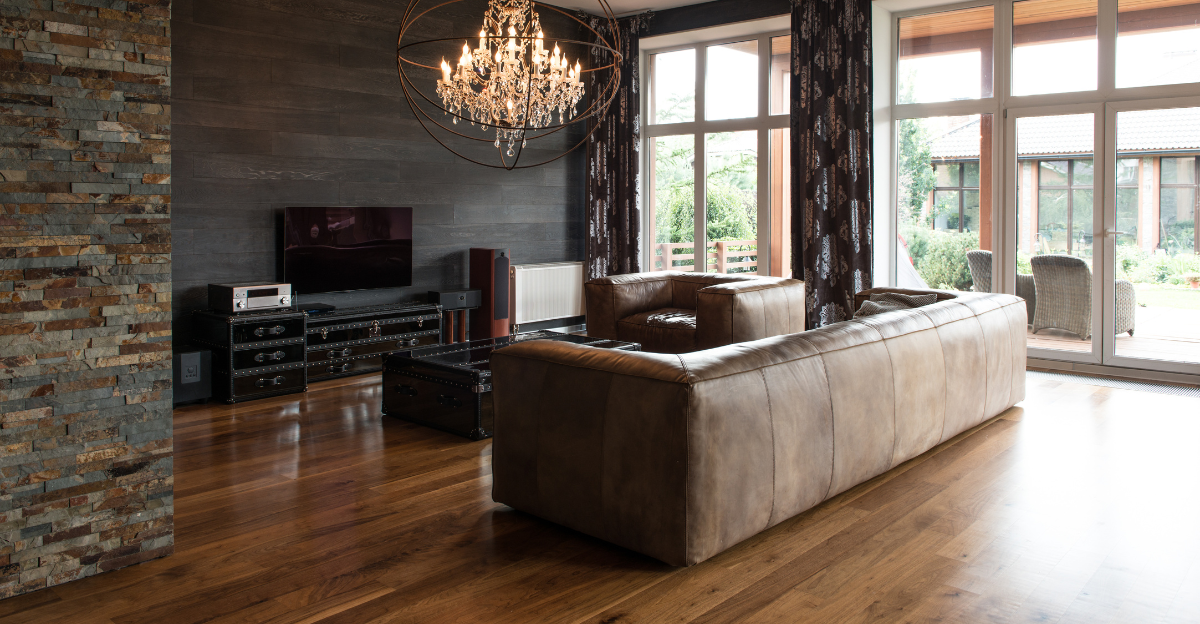
When a warm lamp shines against a rough wooden shelf or a woven basket, it creates a tactile warmth you can almost feel. Try to avoid too many shiny, reflective surfaces like chrome or high-gloss plastics, which can reflect soft light in a harsh, distracting way.
Room by Room: Making the Concepts Practical
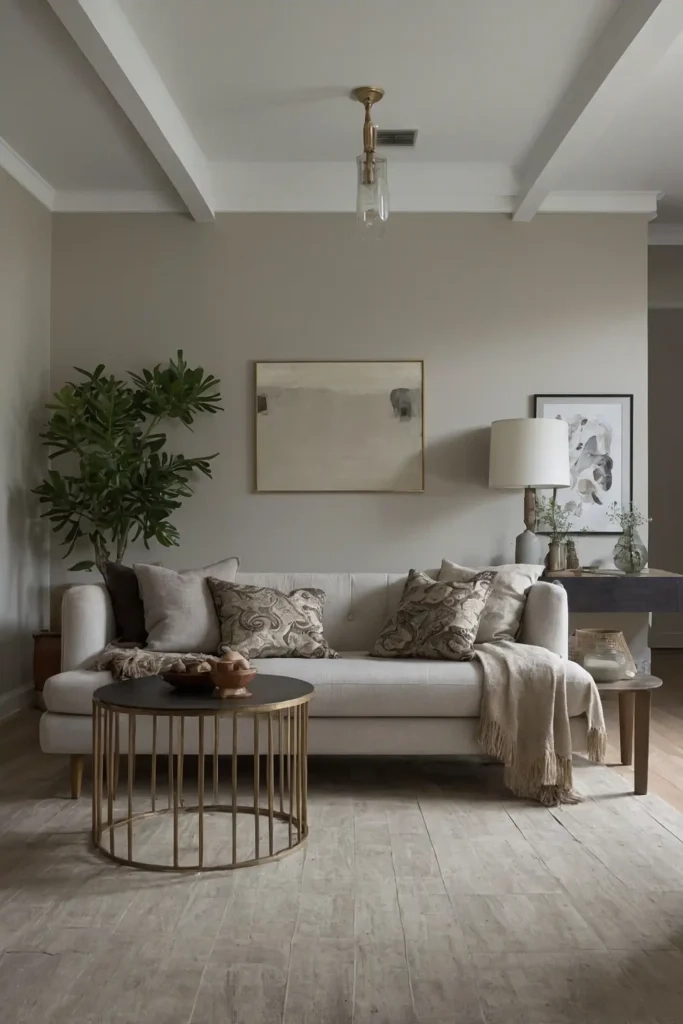
How do you actually apply this? In the living room, try pairing a comfortable camel-colored sofa with a soft green rug and several low-wattage table lamps. This creates a relaxing environment perfect for unwinding after a long day.
In the bedroom, you might want to lean into muted taupes and soft clay pinks. Use bedside lamps with fabric shades that diffuse the light evenly. This creates a peaceful, private sanctuary that signals to your brain that it is time to sleep.
At the end of the day, balancing soft lighting and warm earthy tones is about creating a connection to the natural world. It is a design style that doesn’t try too hard. It feels timeless because it is based on the colors and light qualities we instinctively seek out when we want to rest.
By taking your time to pick the right paint shades and pairing them with thoughtful, low-level lighting, you can transform any stark space. Your home will become a place where guests want to linger, and where you can truly recharge.