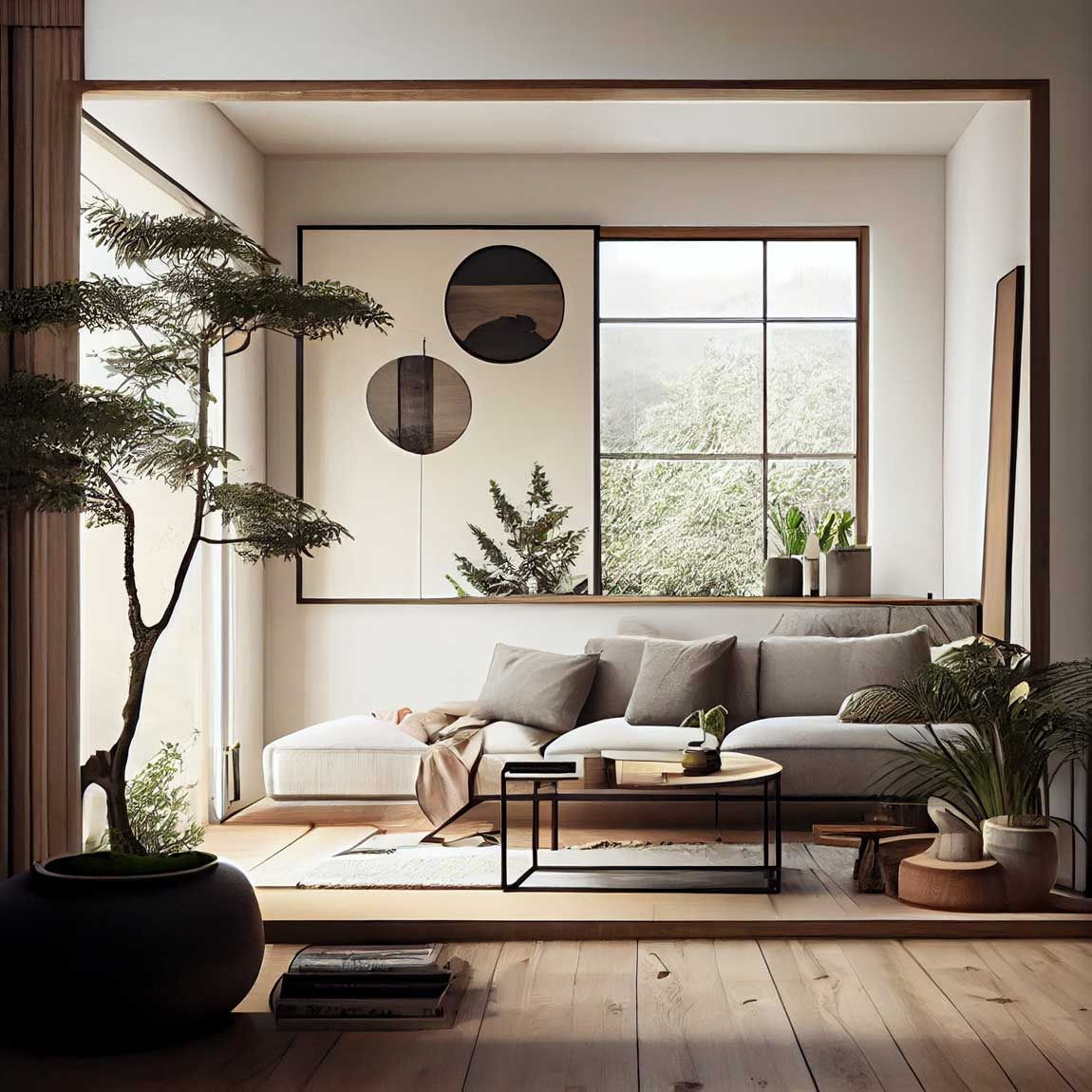
Ever walk into a tiny apartment and instantly feel your shoulders drop. It is funny how a few square meters can either feel like a cozy cocoon or a closing trap.
We live in a world that constantly pushes us to buy more and fill every empty corner. Yet in 2026, many of us are rethinking that mindset because our homes keep shrinking.
The Heart of Wabi Sabi
Wabi sabi comes from an old Japanese philosophy that finds beauty in things that are worn and imperfect. Instead of chasing a polished look, you learn to love the natural flaws in your surroundings. This shift in thinking changes how you look at your belongings.
When you stop trying to make every surface look brand new, your home starts to breathe. You leave room for life to happen. That mental shift is the very first step toward making a tight space feel totally open.
Letting Go of Clutter
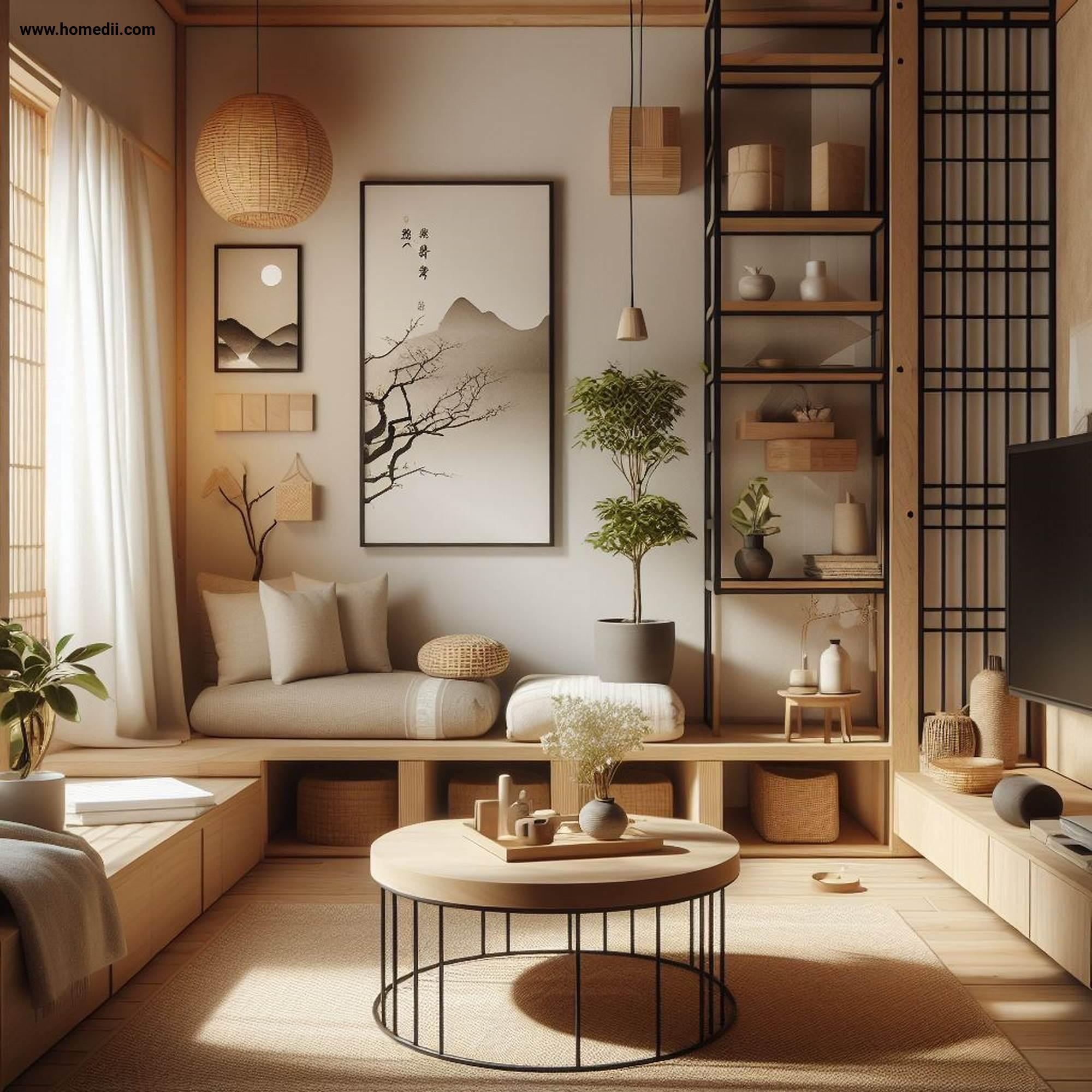
Clutter is the absolute enemy of a tiny room. Wabi sabi teaches us to keep only what truly matters or brings a deep sense of joy. When you clear out the excess, the physical boundaries of the room instantly step back.
Think about a corner piled high with boxes and old papers. Removing that pile does not just clear floor space. It lets natural light hit the walls in a brand new way, which tricks the eye into seeing more depth.
Embracing Natural Textures
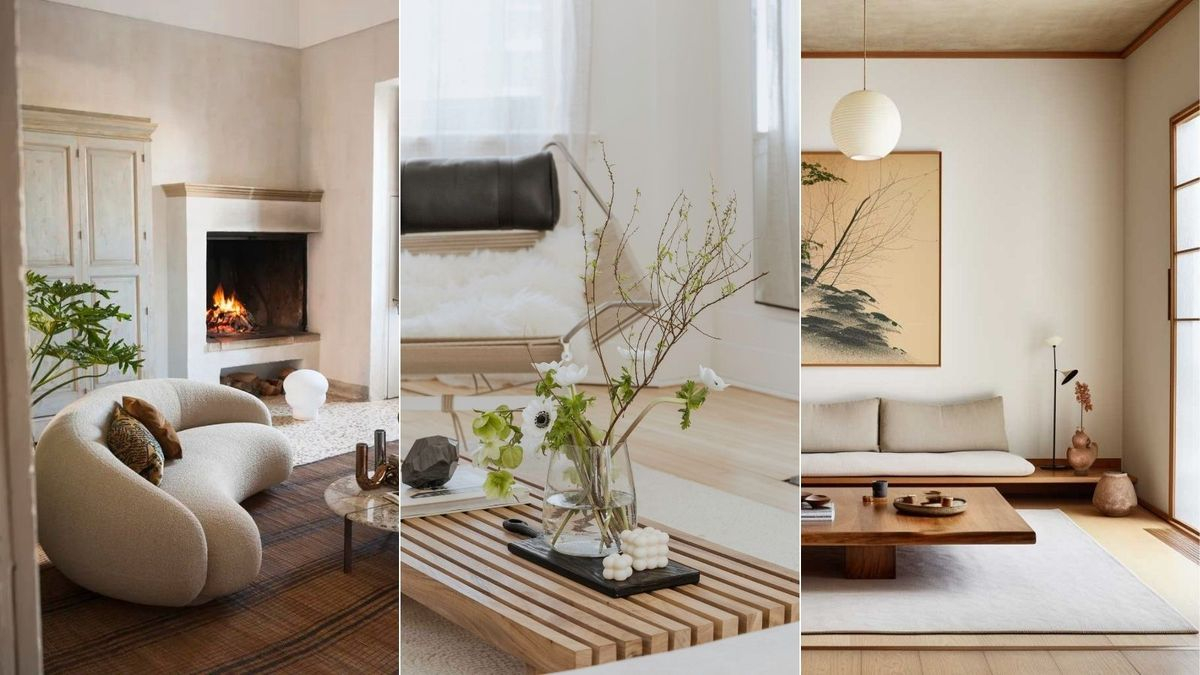
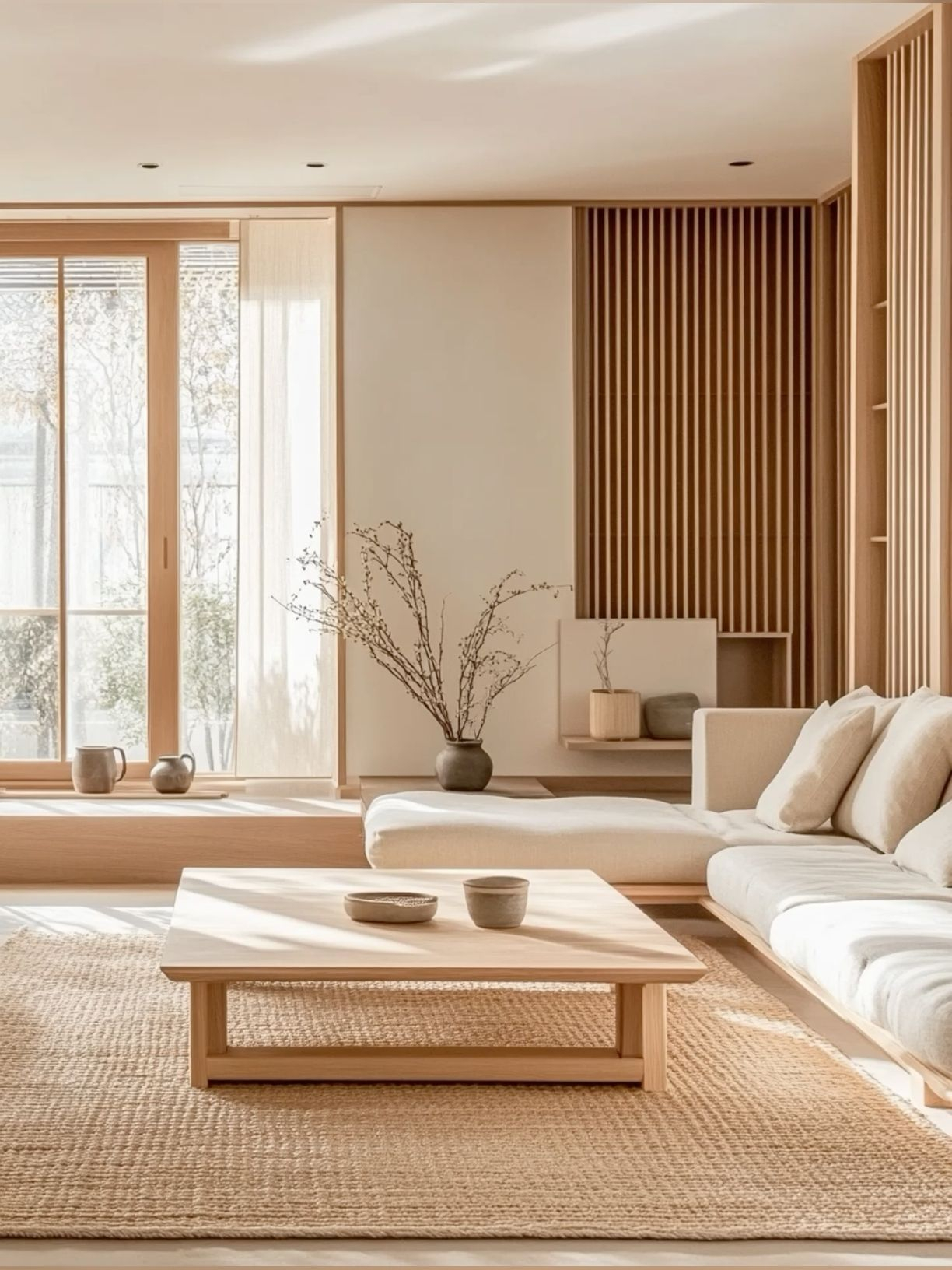
Rough wood, heavy linen, and unglazed clay bring the outside world right inside your living area. These tactile surfaces catch light softly rather than bouncing a harsh glare off cheap plastic or shiny metal.
Using raw materials creates gentle shadows and subtle depth. Your eyes wander across the gentle grains of a wooden stool instead of getting stuck on a cramped layout. This creates a powerful illusion of wide open space.
The Power of Empty Space
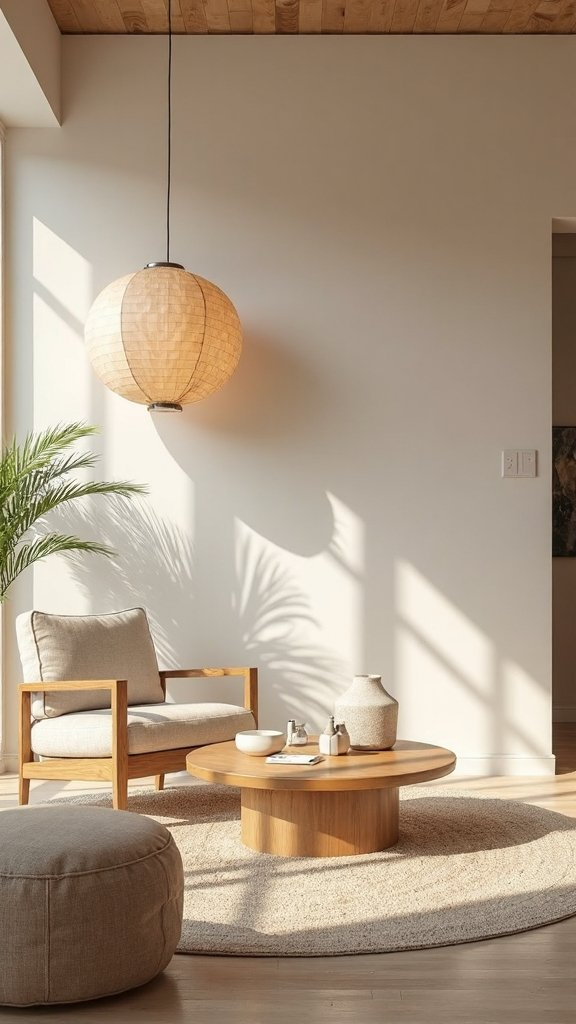
Modern interior design often suffers from horror vacui, which is just a fancy way of saying a fear of empty space. Wabi sabi embraces negative space, also known as ma. An empty wall or a bare floor is not a mistake waiting to be fixed.
Leaving parts of your room completely untouched gives your mind a break. It stops the space from feeling loud and chaotic. When your eyes have places to rest, the room naturally feels bigger than it actually is.
Finding Joy in Patina
Scratches on a table or faded fabric tell a rich story about your life. Instead of hiding these little imperfections, wabi sabi invites you to honor them. This reduces the urge to constantly replace things or crowd the room with backup decor.
Fewer items mean more physical freedom. You stop stressing over keeping everything pristine. That relaxed attitude spills over into how you experience your physical environment every single day.
A cramped room often feels smaller when you rush around inside it. Slowing down your daily habits helps you appreciate the exact boundaries you have. You start noticing the way morning sunlight cuts across your floorboards.
When you are truly present, physical square footage matters a lot less. Your home feels expansive because your mind is calm and open. Simplicity turns a tiny box into a peaceful refuge.
Embracing this mindful way of living does not require a total home renovation. You just need to clear out the noise, value natural textures, and let your home age gracefully.
Small spaces truly hold immense potential once you stop fighting their limits. By welcoming imperfection and letting go of excess, your compact rooms will finally feel open, light, and wonderfully free.