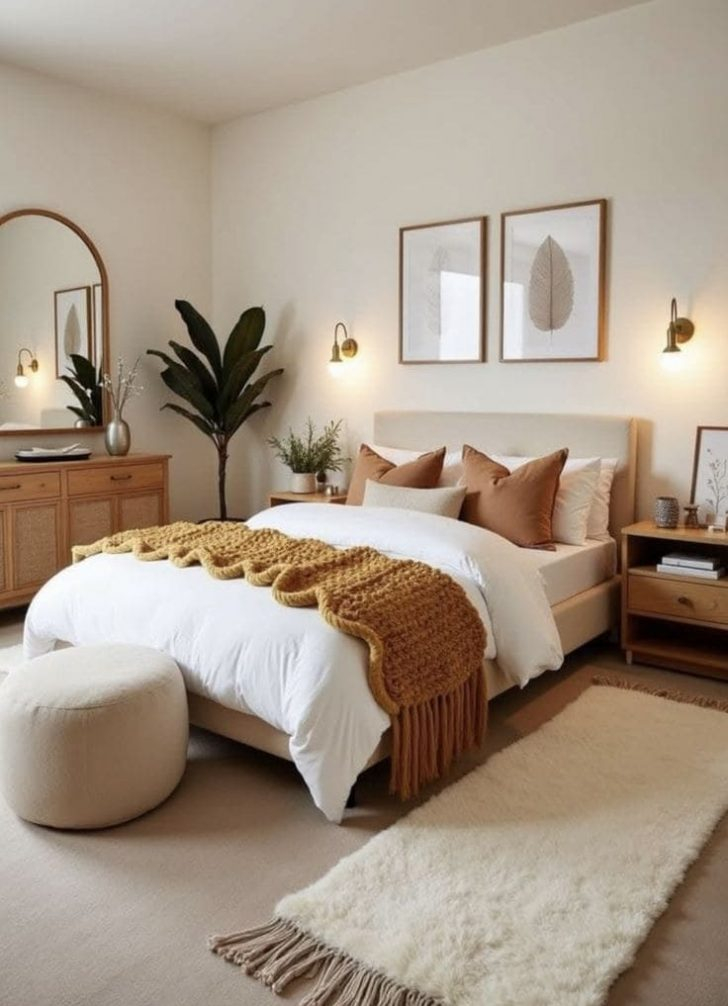
Ever walked into your bedroom and just felt… blocked. Like the room itself is tired, which in turn makes you feel exhausted before you even lie down. We buy expensive pillows and sound machines, but sometimes the real issue is just how things are set up. You don’t need a massive budget or a sledgehammer to fix this.
Honestly, the energy of a room is just a fancy way of talking about how easily you can move through it and how it makes you feel. In 2026, with everyone trying to find a bit of peace in a hectic world, turning your sleeping space into a true sanctuary is more important than ever. Let’s talk about how a few inches of movement can change everything.
The Power of Where You Put Your Bed
The big kahuna of the bedroom is obviously the bed. Most people just shove it against the wall where the cable jack is and call it a day. But if your bed is directly in line with the door, you might find yourself feeling weirdly anxious at night. It’s an old instinct—we don’t like feeling vulnerable while we sleep.
Try moving your bed to what designers call the "command position." This means you can see the door clearly from your pillows, but you aren’t directly blocking the entryway. If you can, leave space on both sides of the mattress. Even a few inches of breathing room on the walls makes the whole layout feel less cramped and much more balanced.
Clearing the Hidden Pathways
Take a second to walk through your bedroom right now. Do you have to shimmy past a dresser or step over a pile of books to get to your closet. This kind of physical friction creates mental friction, even if you don’t realize it.
Your pathways need to be completely clear. If you have a chair that constantly collects clothes, move it out of the main walking path or just get rid of it. Flow is everything. When you can walk from your bed to the door without dodging furniture, the whole atmosphere lightens up.
The Mirror Trap
Mirrors are great for making a tiny room feel bigger, but they can be total energy vampires if placed wrong. If you wake up in the middle of the night and see your own reflection bouncing back at you, it can startle your brain and disrupt your sleep cycle.
Try shifting your full-length mirror so it doesn’t face the bed directly. Put it on the inside of a closet door or place it next to a window instead. This way, it catches the natural morning light and flings it around the room without bouncing your sleeping image right back at you.
Rethinking Your Nightstands
We tend to match everything up perfectly, but identical nightstands loaded down with clutter can make a room feel stiff. More importantly, if your nightstand is taller than your mattress, it can feel like a weirdly aggressive barrier right next to your head.
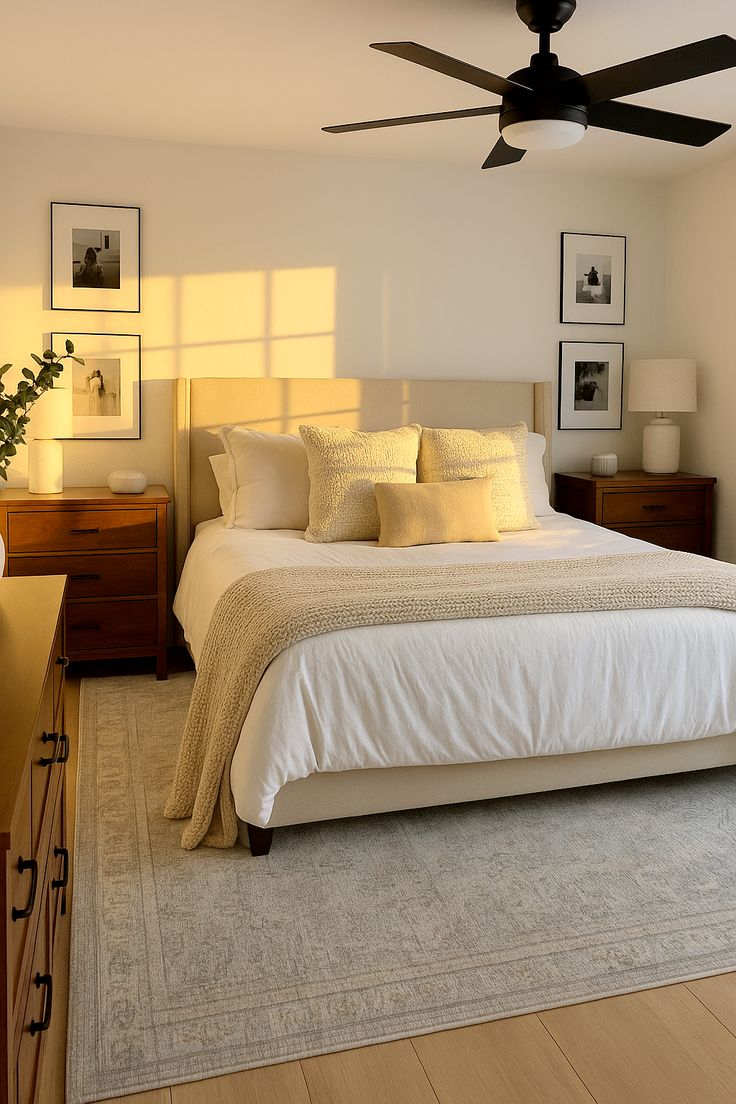
Lower, simpler nightstands create a much smoother line for your eyes when you’re laying down. Keep the surfaces mostly clear—just a lamp, a book, and maybe a glass of water. Getting rid of the charging cords and messy stacks of paper next to your head will immediately make the air feel easier to breathe.
Floating Furniture to Create Space
When we have a small room, our first instinct is to push every single piece of furniture flat against the walls to save floor space. But this actually highlights the limits of a small room and makes the center feel like a big empty void.
Try pulling your dresser or a small accent chair just a couple of inches away from the wall. Giving your furniture a tiny bit of "breathing room" creates shadows and depth. It makes the room look like it was styled by a professional rather than just packed like a moving truck.
Balancing the Light and Dark Corners
Energy isn’t just about furniture; it’s about where your eyes look. If all your heavy furniture is on one side of the room, the whole space will feel like it’s tipping over.
Take a look at the visual weight of your room. If you have a dark wardrobe on one side, try placing a floor lamp or a light-colored piece of art on the opposite wall to balance things out. You want your eyes to glide smoothly around the space, not get stuck in one heavy corner.
Making your bedroom feel good doesn’t require a design degree or a massive shopping spree. It’s really just about experimenting with what you already own and listening to how your body reacts to the changes.
So, try dragging that bed to a new wall this weekend. Swap the mirror to the other side of the closet. Clear off those cluttered surfaces. You might be surprised by how much better you sleep when your room finally flows with you instead of working against you.