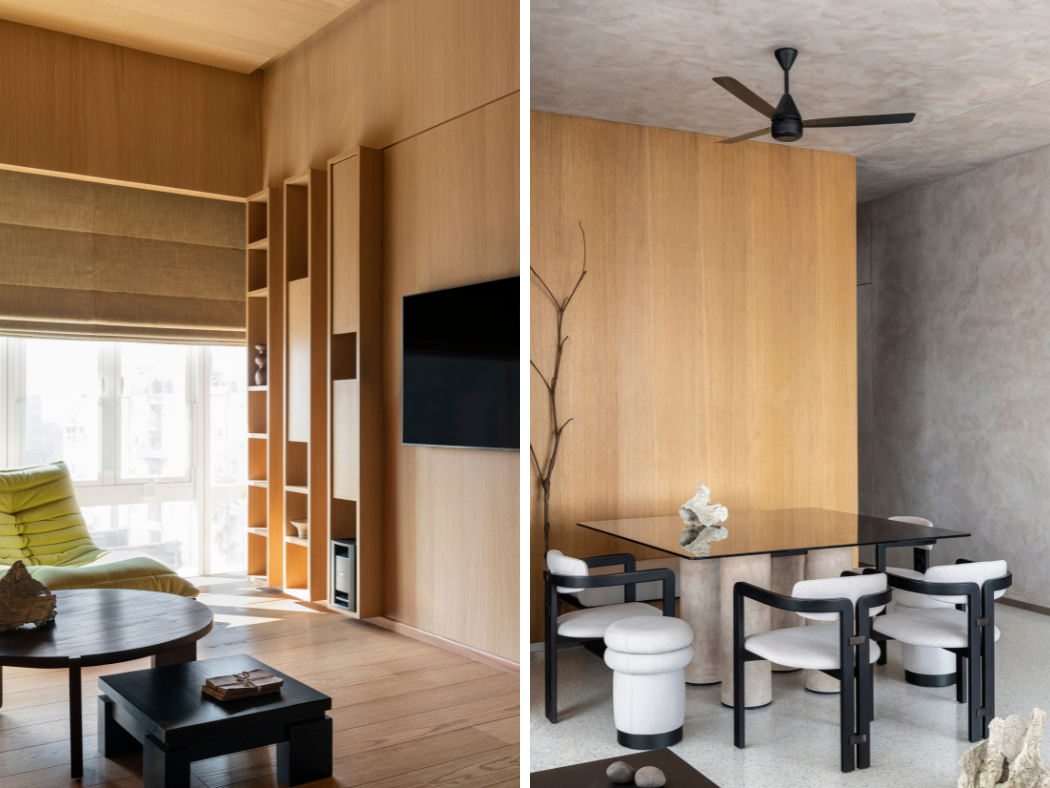
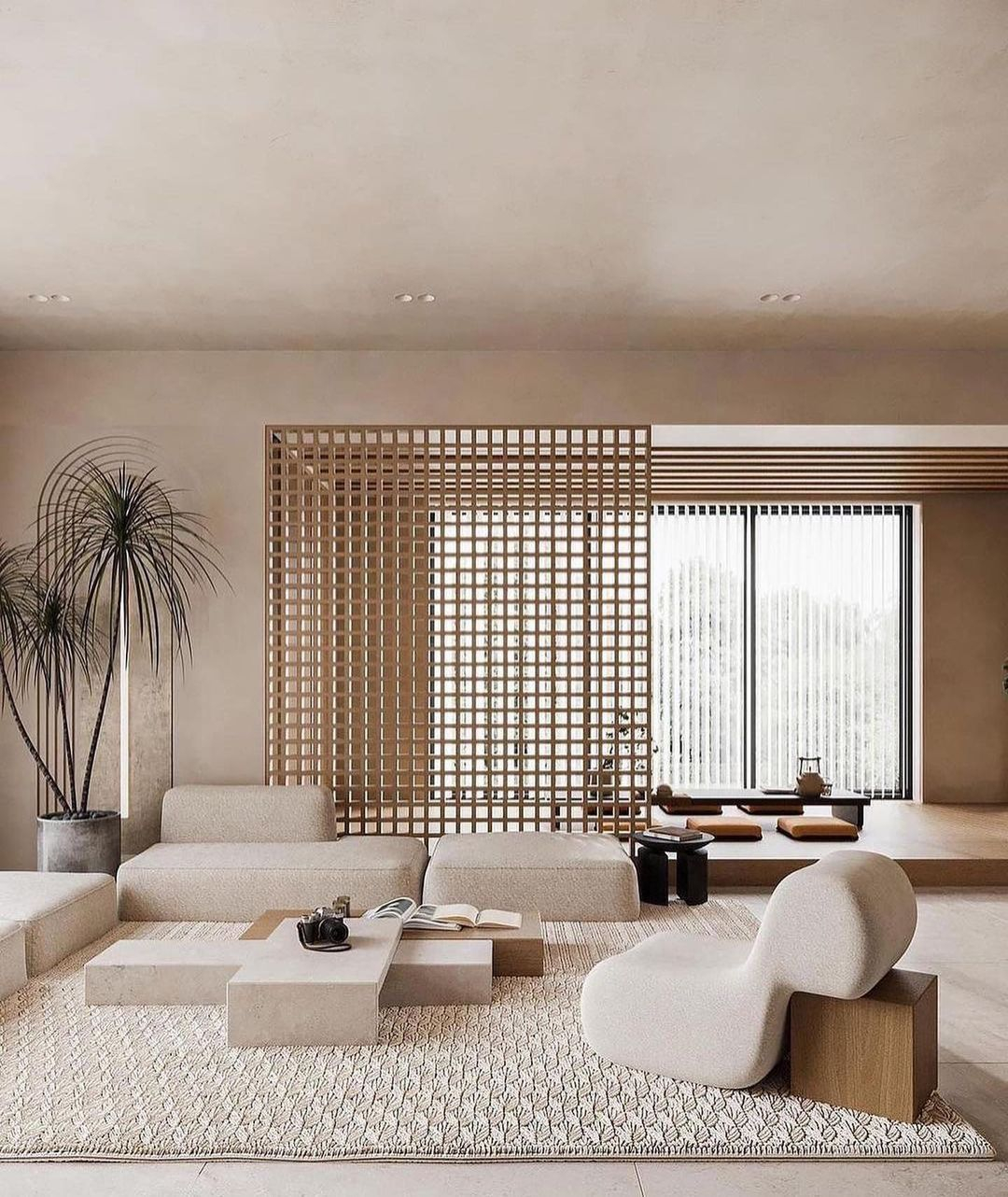
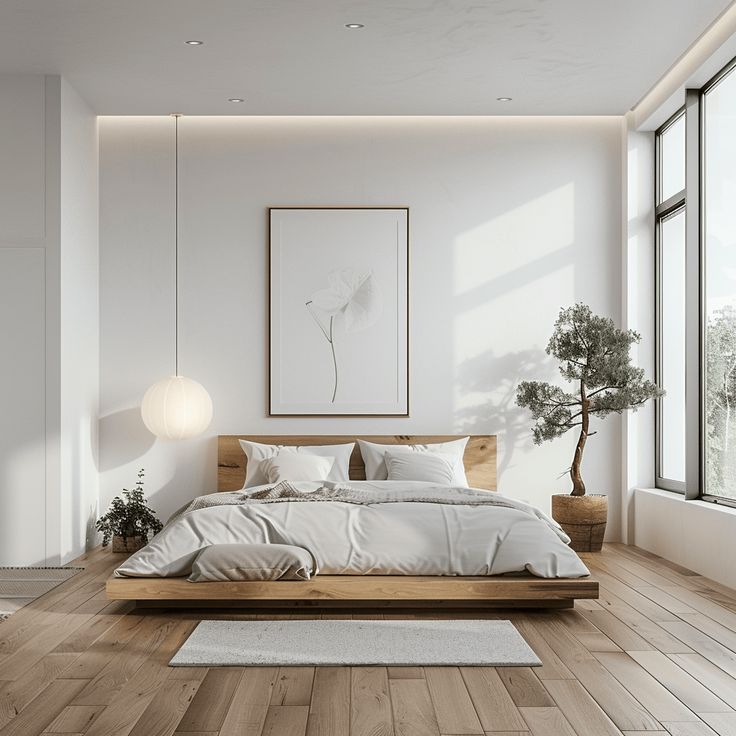
The evening light filters through raw linen drapery, casting long, fractured shadows across a polished micro-cement floor. In the center of the room sits a low-slung, charcoal-gray velvet sofa with brutally sharp architectural lines—a textbook piece of contemporary edge. Yet, resting on the wide oak floorboards beside it is a single, unadorned ceramic vessel holding a dried eucalyptus branch, embodying pure minimalist simplicity. For months, the room sat in architectural purgatory. One side of the notebook featured torn-out magazine clippings of monastic, white-washed Zen monasteries; the opposing page bled with sketches of industrial lofts, moody charcoal tones, and statement lighting that felt dangerously close to aggressive.
Deciding how a home should feel often stalls at the crossroads of two competing design philosophies. Minimalism whispers promises of mental clarity, zero visual clutter, and profound stillness. It strips away the unnecessary until only the essential remains, offering a psychological exhale the moment you walk through the door. Contemporary edge, conversely, pulses with personality, sculptural bravado, and a rejection of boring conformity. It utilizes unexpected geometries, high-contrast palettes, mixed metals, and avant-garde furniture pieces that command the room. When you crave both the sanctuary of an empty horizon and the intellectual stimulation of modern gallery aesthetics, choosing one feels like betraying the other.
The tension dissolves the moment you stop viewing these two styles as adversaries and start treating them as a dialectic. Minimalism provides the breathing room—the spatial negative space required for sanity. Contemporary edge provides the anchor—the architectural gravity and focal points that prevent a room from feeling like an unfinished hotel lobby or a sterile hospital ward. By carefully calibrating material weights, lighting temperatures, and scale, you can design a domestic retreat that honors both your desire for meditative quiet and your appreciation for sharp, modern design.
The Architectural Anatomy of Peaceful Contrast
Balancing two distinct design languages starts with understanding how space interacts with the human nervous system. When a room leans too far into traditional minimalism, it risks inducing sensory deprivation. The eye bounces across endless planes of stark white drywall, finding no texture to rest on, which paradoxically triggers a subtle psychological restlessness. Conversely, pure contemporary edge can easily cross the line into visual exhaustion. Glossy lacquered surfaces, exposed steel beams, stark monochromatic geometries, and dramatic, oversized light fixtures keep the brain in a state of hyper-vigilance.
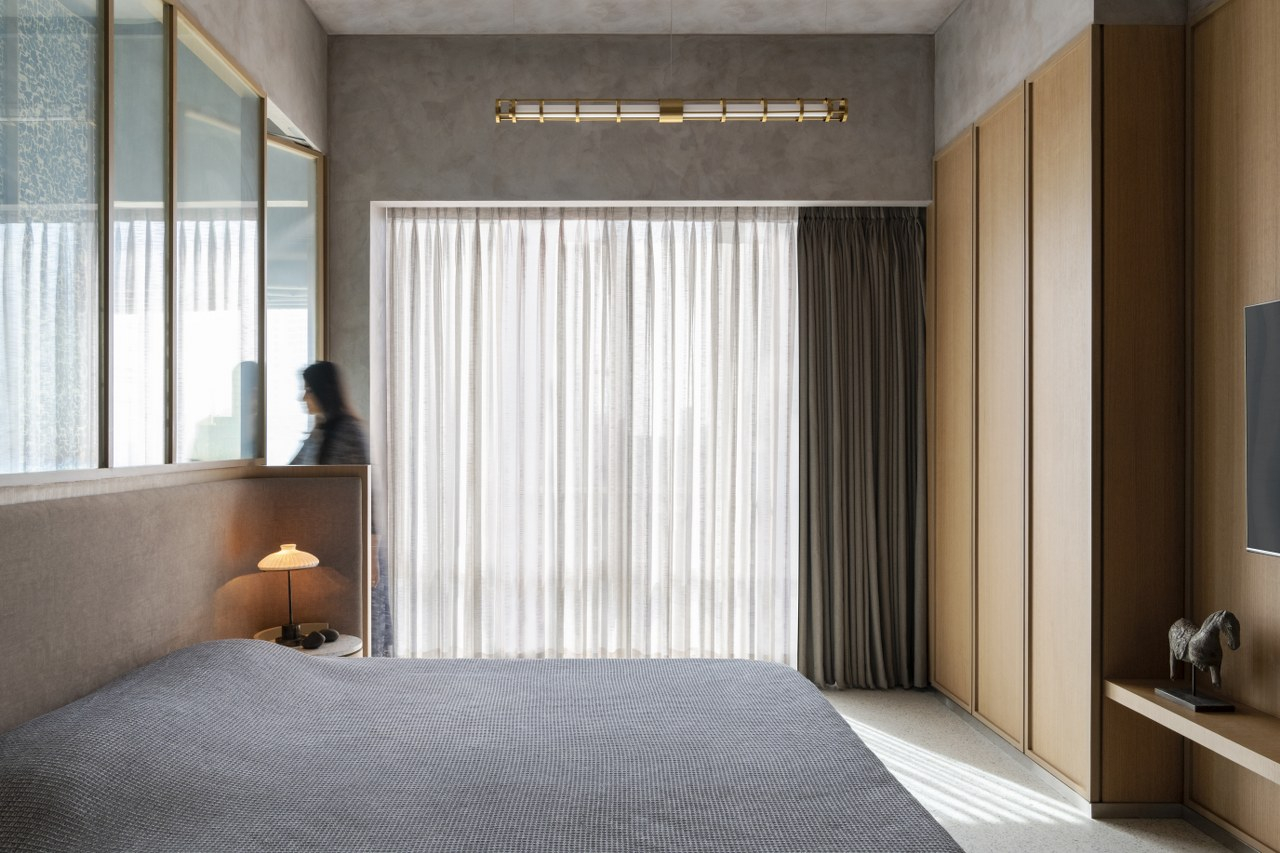
To resolve this, interior architects look to the concept of structural juxtaposition. Think of minimalism as the canvas and contemporary edge as the brushstroke. The architecture of the room—the walls, the flooring, the ceiling heights—should pull heavily from minimalist fundamentals. Think lime-wash or hand-applied clay plaster finishes that diffuse light softly across a room rather than reflecting it off glossy vinyl. This creates a tactile, organic envelope that softens the inherent coolness of modern design.
Once the envelope is calm and grounded, contemporary elements are introduced with surgical precision. Instead of a room cluttered with trendy accessories, you select one or two unapologetically modern statement pieces. A monumental matte-black steel floor lamp with an exaggerated arc, or a coffee table featuring a brutalist cast-concrete base paired with a smoked glass top, acts as a visual anchor. The secret lies in restraint; because the surrounding space is calm and uncluttered, the contemporary pieces carry immense design weight without overwhelming the eye.
Materiality as the Bridge Between Zen and Avant-Garde
Materials hold memory, temperature, and emotion. The fastest way to reconcile minimalist simplicity with contemporary edge is to let your material choices do the heavy lifting. Ditching plastic finishes and synthetic laminates in favor of raw, honest, and slightly weathered materials creates an immediate sensory depth that feels both timeless and aggressively modern.
Consider the interplay of tactile opposites. Smooth, polished micro-cement flooring pairs brilliantly with the raw, fibrous grain of charred Shou Sugi Ban wood cabinetry. The cement provides the clean, uninterrupted lines essential to minimalism, while the blackened timber introduces the dark, sophisticated edge found in high-end contemporary architecture. Similarly, unlacquered brass hardware, patinated bronze fixtures, and heavy linen textiles bridge the gap by introducing organic imperfection into otherwise rigid geometries.
Texture also dictates how light moves through your retreat. Minimalist spaces rely heavily on natural illumination, but without texture, sunlight can feel harsh and clinical. By incorporating lime-plastered walls—a technique gaining massive traction in contemporary residential design—light is scattered across the room in a soft, atmospheric haze. When this diffused glow hits a sharp, angular contemporary piece—say, a brushed nickel side table with razor-thin legs—the interaction between soft background and sharp foreground creates a dynamic tension that makes the room feel alive, intentional, and deeply comforting.
A Step-by-Step Blueprint for Curating Your Hybrid Sanctuary
Designing a retreat that satisfies both your minimalist tendencies and your contemporary cravings requires a disciplined, phased approach. Skipping steps or rushing the curation process inevitably leads to visual clutter or a disjointed hybrid that feels more confused than cohesive. Follow this structured methodology to build your space from the ground up:
- Step 1 (Audit the Spatial Envelope): Strip the room back to its core architecture. Neutralize walls using warm mineral paints, clay plasters, or micro-cement to establish a seamless, uncluttered foundation that maximizes natural light reflection.
- Step 2 (Establish the Contemporary Anchors): Select no more than two or three striking, architecturally driven furniture pieces or light fixtures. Prioritize sculptural silhouettes, bold matte finishes, or unexpected geometries that act as the room’s visual focal points.
- Step 3 (Layer Tactile Minimalism): Introduce soft furnishings with heavy organic textures, such as un-dyed wool rugs, raw linen upholstery, and ceramic objects. These elements ground the starkness of your contemporary choices and invite physical touch.
- Step 4 (Edit the Palette ruthlessly): Restrict your color story to a sophisticated, restrained spectrum. Rely on chalky whites, warm grays, muted olives, and deep charcoals, punctuated only by the natural tones of wood and stone.
- Step 5 (Curate the Negative Space): Leave corners intentionally empty and surfaces clear. Treat every remaining object as an intentional exhibition piece, ensuring the room breathes freely and maintains its restorative energy.
Navigating Common Traps and Design Missteps
Even with the best intentions, blending two distinct aesthetic worlds can easily go off the rails. It is remarkably easy to accidentally cross the line from curated sophistication into cold detachment, or to overcorrect and end up with a cluttered room that defeats the purpose of a retreat entirely. Recognizing these hazards before you buy a single piece of furniture will save you both time and financial regret.
- Pitfall 1 (The Cold, Sterile Trap): Filling the room exclusively with white walls, glass, and steel creates an environment resembling a corporate lobby. Workaround: Counterbalance cool elements with tactile warmth by introducing thick-pile wool rugs, exposed natural timber beams, and ambient, low-kelvin lighting.
- Pitfall 2 (Visual Over-Competition): Choosing multiple heavy, avant-garde contemporary statement pieces causes them to fight for dominance, destroying the calm atmosphere. Workaround: Follow the rule of one hero piece per zone—let your lighting, your seating, or your art take the spotlight while everything else plays a supporting role.
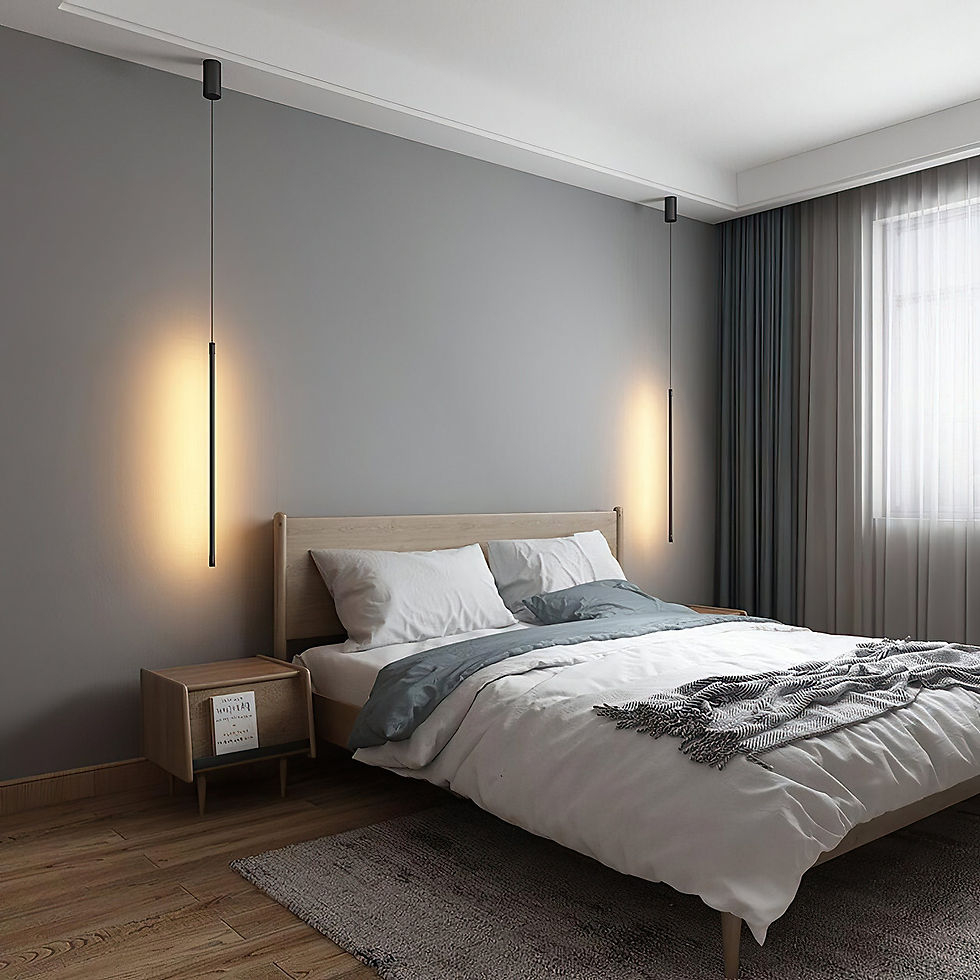
- Pitfall 3 (Ignoring Lighting Psychology): Relying on a single, harsh overhead ceiling fixture instantly ruins the sanctuary vibe. Workaround: Layer your lighting across three tiers—ambient, task, and accent—using dimmable fixtures with warm color temperatures between 2400K and 2700K.
- Pitfall 4 (Clutter Disguised as Minimalist Decor): Stacking dozens of tiny, insignificant objects on shelves under the guise of "minimalist styling." Workaround: Adopt a strict curation policy where items must be either profoundly useful or visually arresting. If in doubt, remove it and let the empty space speak.
- Pitfall 5 (Ignoring Practical Ergonomics): Buying furniture solely for its radical contemporary shape while sacrificing physical comfort in a room meant for retreat. Workaround: Test-sit every lounge chair and sofa; true contemporary edge should merge ergonomic innovation with striking sculptural form.
The Long-Term Impact of Designing for Mental Clarity
Interior design is rarely just about how a room looks on social media; it is an active participant in your mental health and cognitive recovery. Living in an environment saturated with visual noise chronically elevates cortisol levels, keeping the nervous system on edge long after the workday ends. When you merge the psychological stillness of minimalism with the intellectual stimulation of contemporary design, you create an environment that actively repairs mental fatigue.
The sustainability of your retreat also relies heavily on this hybrid approach. Trend-driven contemporary decor often feels outdated within a few seasons, leading to a frustrating cycle of consumption and waste. Minimalism, however, champions longevity, durability, and timelessness. By anchoring your room in minimalist architectural fundamentals and high-quality, sustainable materials like reclaimed oak, natural lime wash, and organic stone, you ensure that the space ages gracefully.
As contemporary design evolves to embrace warmer, more human-centric principles, the boundary between these two worlds continues to blur. Modern retreats are no longer expected to be stark white boxes, nor are they meant to be loud showrooms. They are evolving into sanctuaries of balanced contrasts—spaces where crisp architectural edges are softened by meditative simplicity, offering a genuine refuge from an increasingly chaotic world.
Strategic Frameworks for Long-Term Sanctuary Maintenance
Maintaining the serene equilibrium of a hybrid retreat requires a shift in daily habits and household management. A common frustration among design enthusiasts is that a newly renovated room looks pristine on day one, only to succumb to everyday clutter within a few weeks. Preserving the delicate balance between minimalist simplicity and contemporary edge demands an ongoing commitment to intentional living and spatial discipline.
- Adopt the One-In, One-Out Rule: To prevent your retreat from slowly accumulating random accessories, mandate that any new contemporary decor piece or book entering the room must replace an existing item.
- Prioritize Concealed Storage: Utilize sleek, handle-less cabinetry or built-in wall storage that mirrors your minimalist architectural lines, allowing you to completely hide away daily necessities like electronics, chargers, and paperwork.
- Commit to Weekly Resets: Dedicate ten minutes at the end of each week to clear surfaces, fluff textures, and return stray items to their designated zones, ensuring the room’s energy remains calm and intentional.
- Rotate Statement Art and Objects: Instead of buying more, rotate a small collection of contemporary art pieces or sculptural vessels seasonally to refresh the room’s edge without adding physical clutter.
Creating a personal sanctuary when you feel pulled between two distinct aesthetic worlds is ultimately an exercise in self-definition. You do not have to pledge allegiance to the stark emptiness of strict minimalism, nor do you need to surrender your home to the relentless pace of avant-garde trend cycles. The most compelling spaces—and the ones that offer the deepest psychological restoration—live in the friction between opposites.
By grounding your rooms in organic, tactile simplicity and punctuating them with sharp, contemporary focal points, you construct an environment that respects both your desire for quiet and your appreciation for design intelligence. Take a slow, deliberate approach to curating your space. Let every material, shadow, and object earn its place. In doing so, you build more than just a beautifully styled room; you carve out a physical manifestation of balance—a place where your mind can finally settle, breathe, and reset.