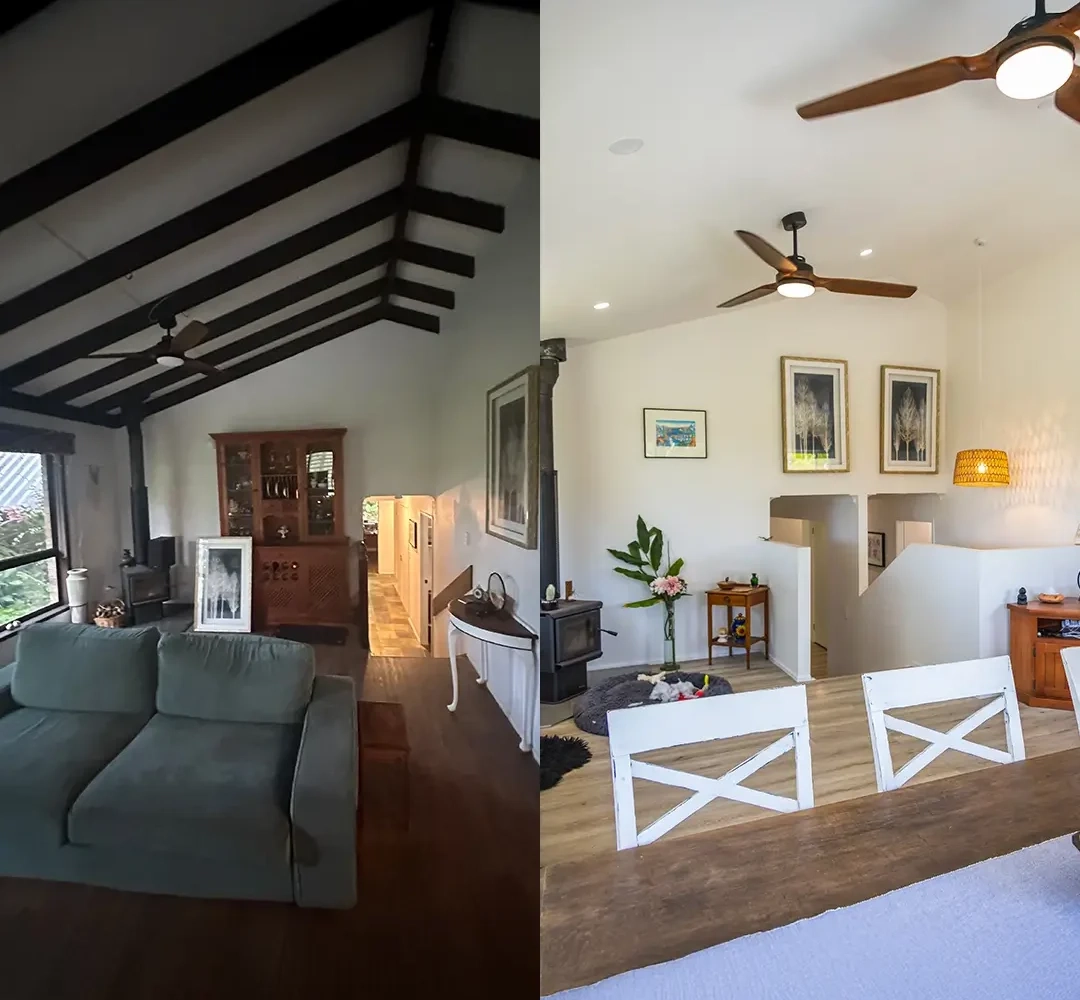
Ever walked into a room that felt incredibly sleek but a little bit cold. Or maybe you’ve visited a house packed with beautiful antiques, but it felt so crowded you were afraid to move. It’s a common dilemma. A lot of us love the breezy, calm feeling of modern minimalism, but we also crave the warmth, history, and cozy textures of traditional style.
The good news? You do not actually have to choose just one. In 2026, interior design is all about breaking the rules and creating a space that feels uniquely yours. Mixing these two seemingly opposite styles is not only possible, it is actually one of the best ways to give your home real character. Let’s look at how you can blend the best of both worlds without making your living room look like a chaotic mess.
Understanding the Two Sides
To mix these looks successfully, we first need to understand what makes them tick. Minimalism is all about simplicity, function, and empty space. It uses clean lines, hidden storage, and a very limited color palette to create a sense of calm. Traditional design, on the other hand, celebrates history, symmetry, and rich details. Think dark wood furniture, ornate moldings, patterned fabrics, and lots of cozy layers.
When you love both, you might feel like you are having a style identity crisis. But opposites attract for a reason. The sleekness of minimalism can keep traditional pieces from looking stuffy, while the warmth of traditional decor prevents a minimalist room from feeling like a sterile hospital laboratory.
Start with a Clean Slate
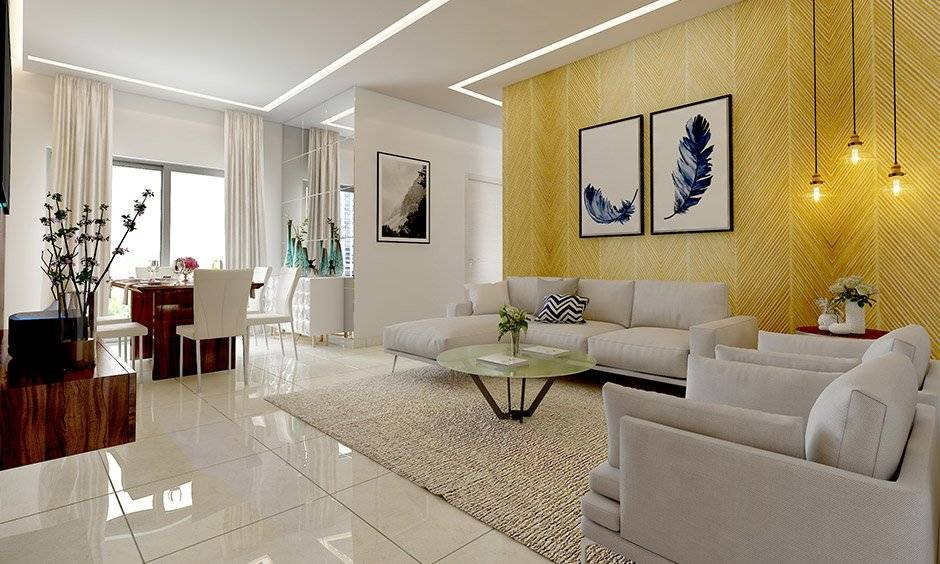
When you are trying to combine these styles, the easiest trick is to use a minimalist backdrop. Paint your walls a crisp white, a soft beige, or a gentle gray. Keep the big architectural elements—like your windows, floors, and lighting bases—simple and streamlined. This creates a calm canvas that allows your traditional items to really shine.
For example, imagine a room with smooth white walls and simple light oak floors. Now, drop in a beautiful, dark wood vintage dresser or an ornate gold-framed mirror. Because the surrounding space is so clean, that traditional piece becomes a stunning focal point instead of feeling heavy or outdated.
The Rule of Balance
The secret to making this look intentional rather than messy is balance. You want to aim for a mix where one style takes the lead and the other acts as the supporting actor. A good starting point is the 70/30 rule. Decide which style speaks to your soul just a little bit more, and let that fill about 70 percent of the room.
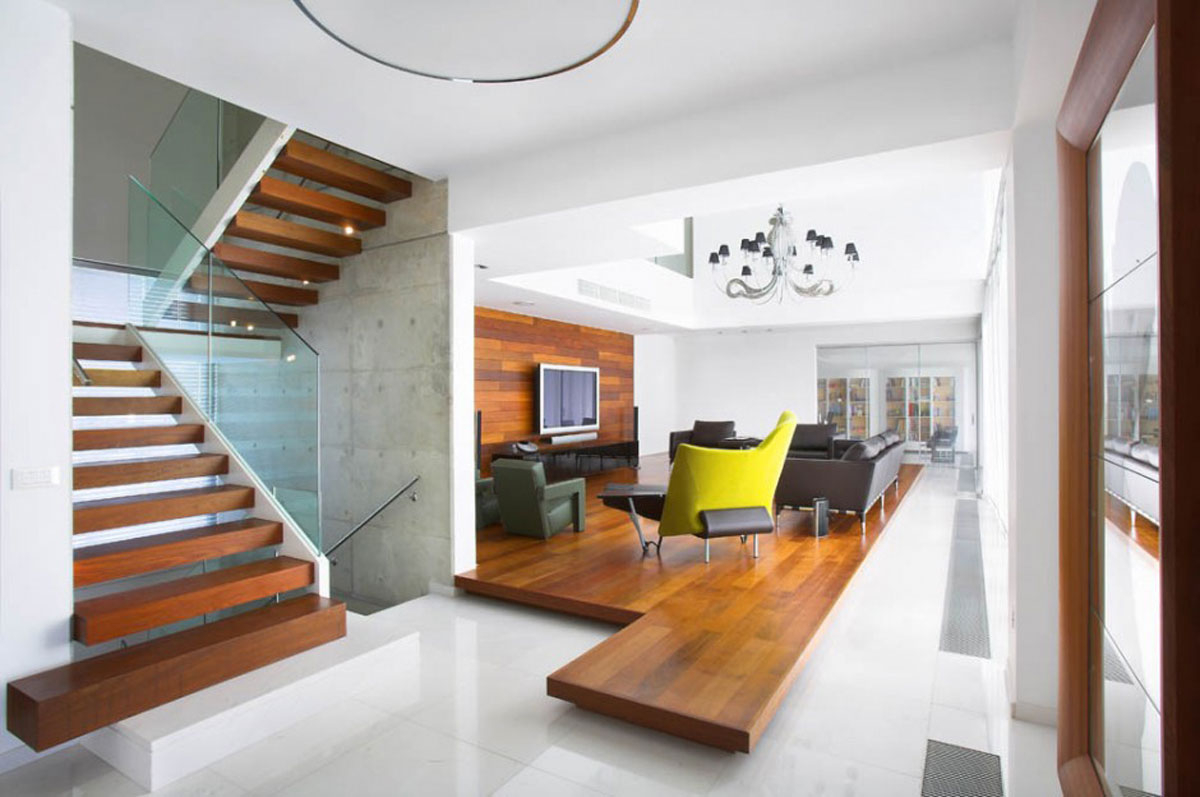
If you lean more minimalist, you might have a modern sofa, clean shelves, and a simple rug, but you accent the space with a few antique oil paintings and some ornate brass candlesticks. If you prefer traditional, you might have classic rolled-arm chairs and a patterned rug, but you pair them with a sleek, low-profile coffee table and modern, abstract art.
Focus on Texture and Materials
When you limit your color palette to keep things feeling minimal, texture becomes your best friend. This is where traditional elements can add a lot of depth. Instead of filling your room with lots of small knick-knacks, bring in warmth through rich materials.
- Wood grains: A smooth, modern dining table made of deeply grained walnut.
- Fabrics: Velvet or linen cushions placed on a sleek, structured sofa.
- Metals: Aged brass or matte black fixtures that feel both timeless and modern.
By focusing on how things feel rather than how much stuff you can fit, you keep the clutter low while keeping the cozy factor high.
Curate Your Collections
Traditional decor loves a good collection, whether it is old books, vintage plates, or family photos. Minimalism prefers empty surfaces. To bridge the gap, you have to become a strict editor of your own belongings. You can absolutely display your favorite things, but you need to give them room to breathe.
Instead of filling an entire bookshelf until it is bursting, try styling just a few meaningful pieces. Place a small stack of vintage books horizontally on a shelf, and top them with a simple modern sculpture. Group items in odd numbers, like threes or fives, and leave plenty of empty space around them. This makes your collections feel curated, like a museum, rather than cluttered.
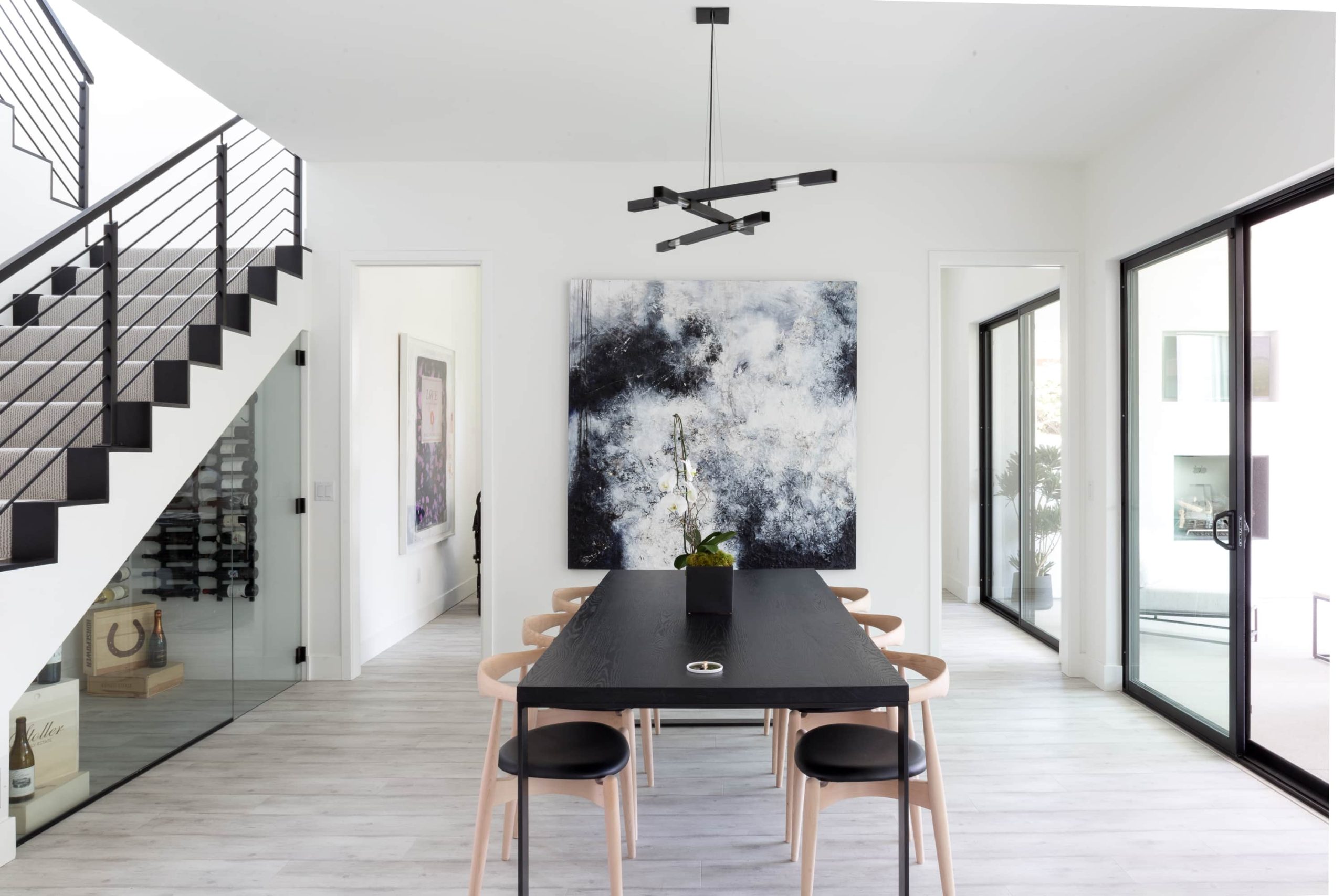
Lighting and artwork are the perfect tools for blending styles because they are easy to change and make a massive impact. They can instantly shift the mood of a room. If your furniture feels very traditional and heavy, hanging a large, bold piece of modern abstract art above the sofa can instantly refresh the space and make it feel current.
The same goes for lighting. A sleek, black metal floor lamp sitting next to a classic, tufted leather armchair looks incredibly stylish. Or, conversely, hanging a vintage crystal chandelier over a very simple, minimalist dining