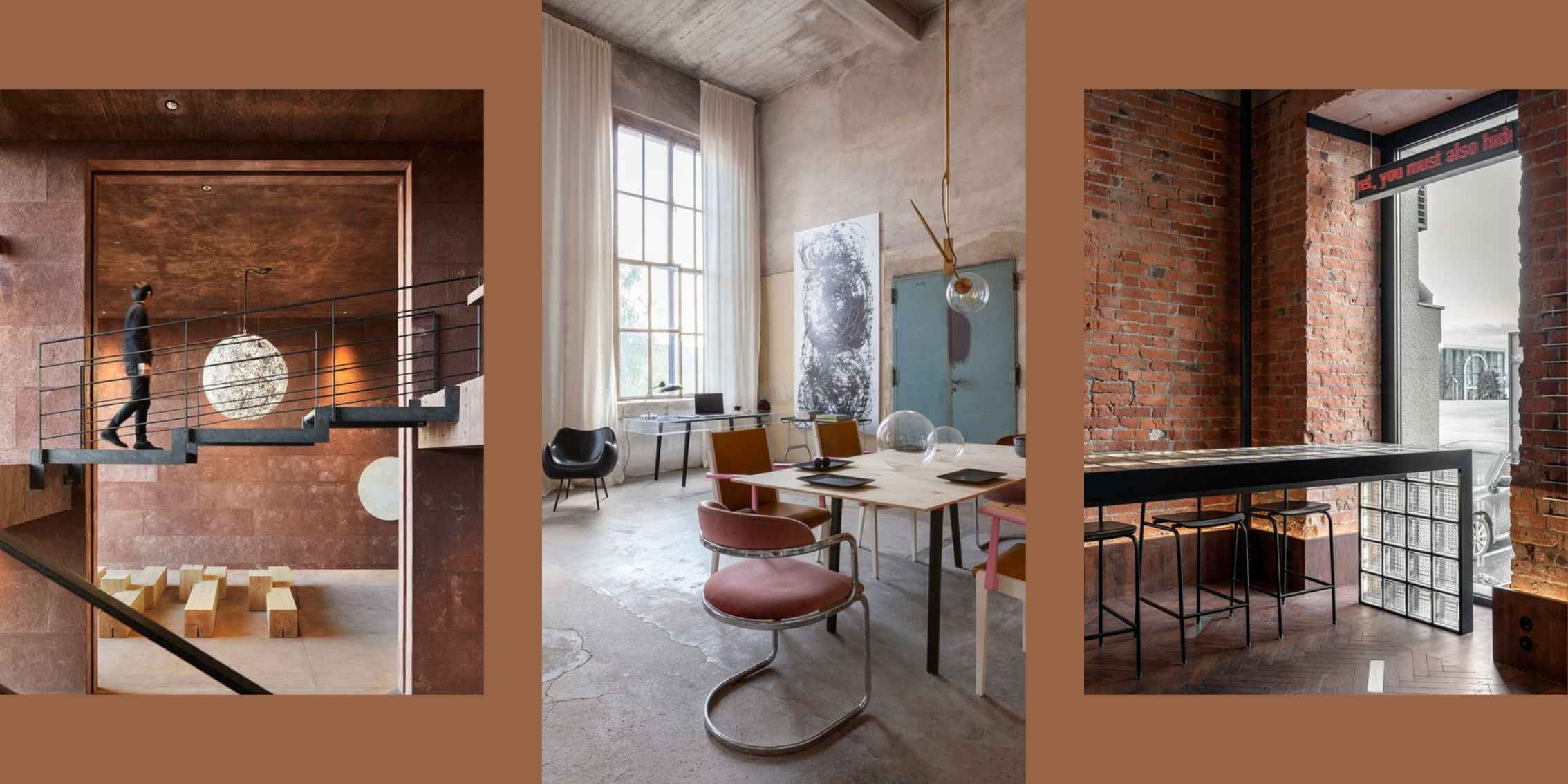
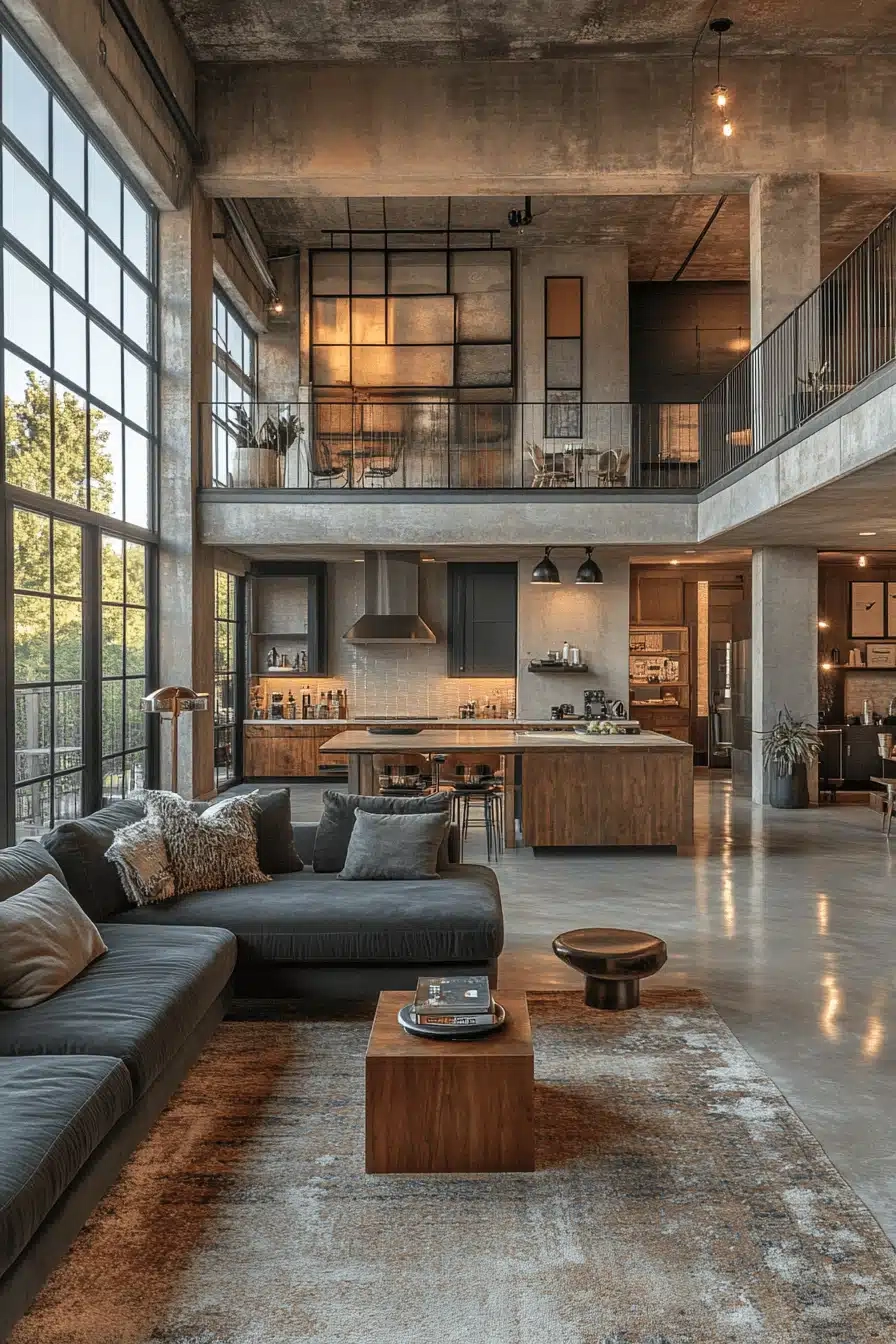
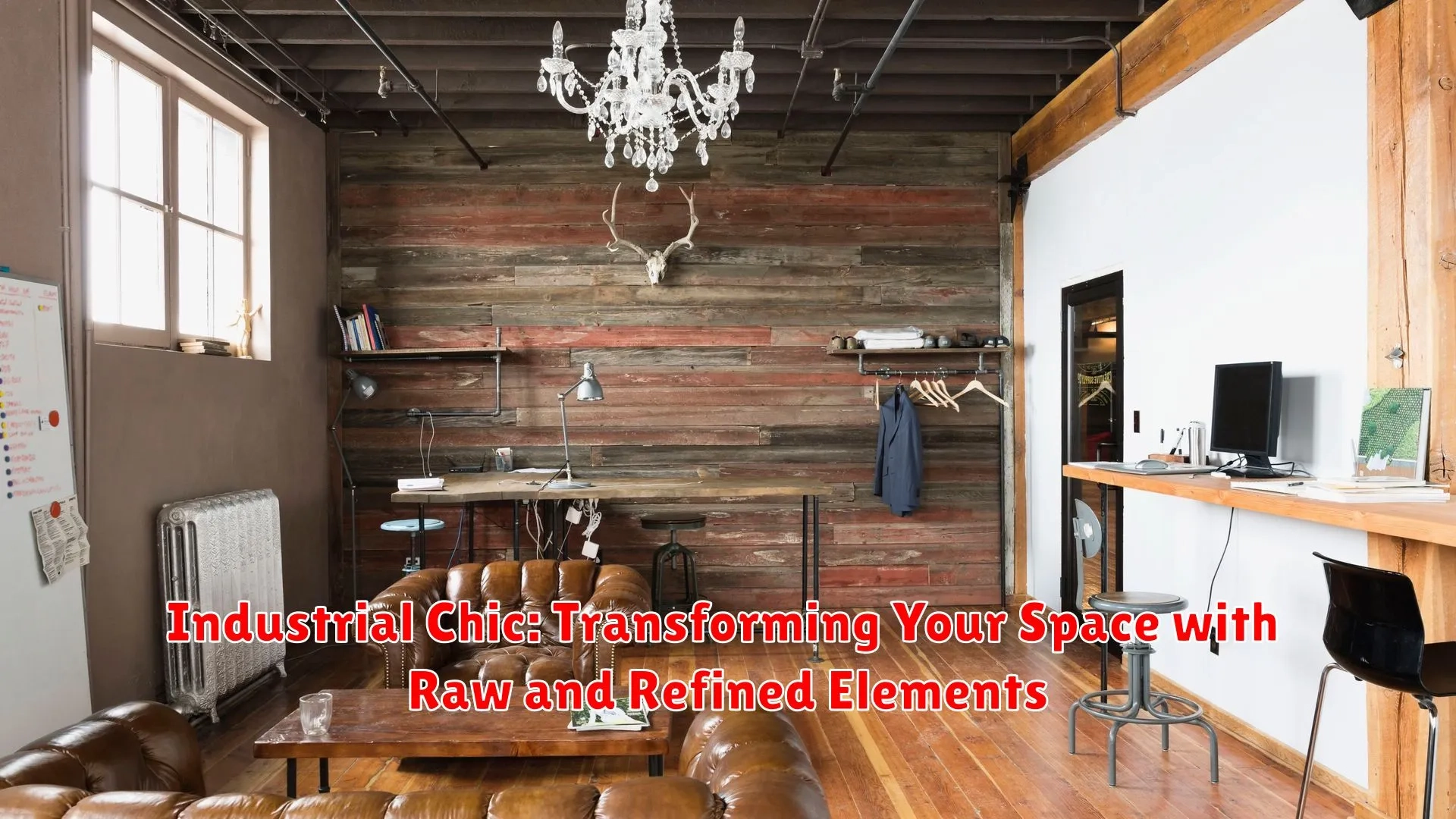
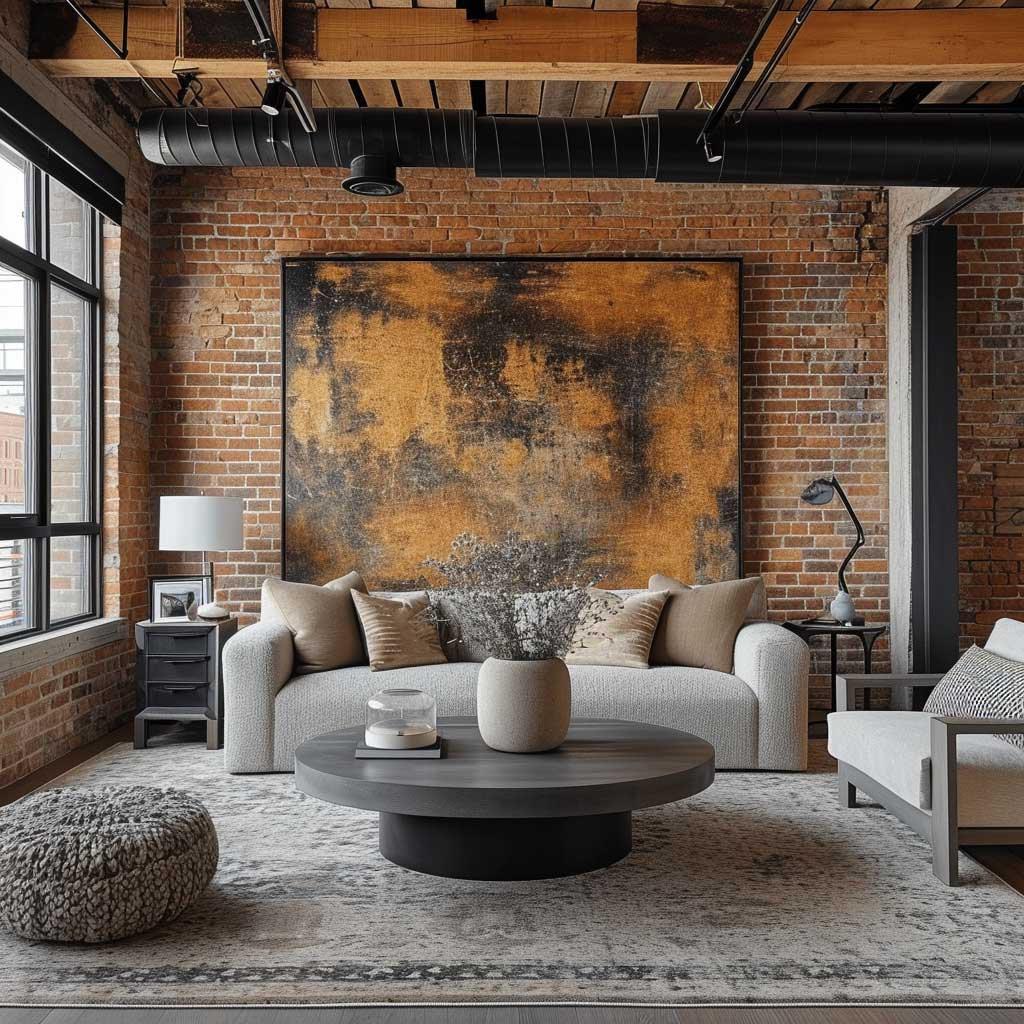
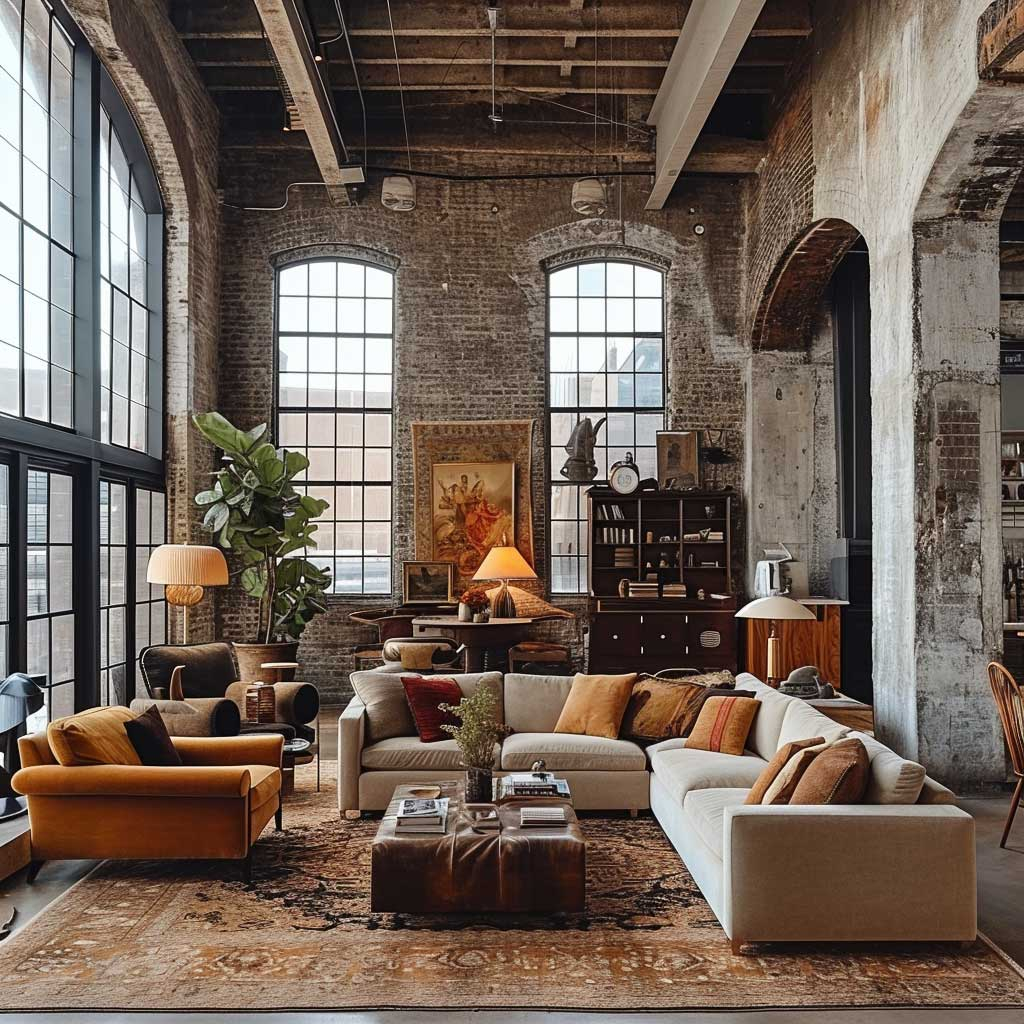
You walk into a loft in Brooklyn or an old warehouse in Detroit, and something hits you. It’s not just the high ceilings or the big windows. It’s the feeling. The space feels honest. Unpretentious. Like it has nothing to hide. That’s the pull of industrial style. It’s raw. It’s gritty. And honestly? It’s never really gone out of fashion. But here’s the thing most people get wrong. They think you need to live in a converted factory to pull it off. Or that you need to spend a fortune on designer pieces that look like they came from a movie set.
That’s just not true. Not even close.
The beauty of industrial design is that it was born from function, not fashion. It’s about using what works. What lasts. So, why overcomplicate it? Whether you’re renting a small apartment or owning a suburban fixer-upper, you can bring that rugged, mechanical soul into your space. You don’t need a degree in architecture. You just need a little creativity, some elbow grease, and the willingness to see potential in things others might toss aside. Let’s talk about how to do that, simply and authentically, right now in 2026.
The Soul of the Space: Embracing Imperfection
Industrial style isn’t about being perfect. In fact, perfection is kind of the enemy here. Think about an old workbench. It’s got scratches. Dents. Maybe a stain from a spilled can of oil thirty years ago. That’s character. That’s story. When we try to make our homes look "industrial," we often fall into the trap of buying brand-new items that are distressed to look old. It can feel fake. Sterile. The trick is to lean into real wear and tear. Or, if you’re starting fresh, to create texture that feels earned, not applied.
Start by looking at your walls. Do they have to be perfectly smooth and painted a safe beige? Probably not. If you have brick underneath that drywall, consider exposing it. Even just one accent wall can change the entire vibe of a room. If tearing down drywall isn’t an option (or allowed by your landlord), there are incredible faux-brick panels available now that look surprisingly real. But don’t stop there. Concrete is another huge player. A polished concrete floor is the holy grail, but it’s expensive and cold. Instead, try concrete-look tiles or even a concrete-effect paint on a feature wall. It adds that cool, gray neutrality that lets other textures pop.
And let’s talk about the stuff you already own. That wooden dining table with the chipped corner? Don’t hide it. Highlight it. Sand it down lightly, maybe apply a matte wax instead of a glossy polyurethane. Let the wood grain show. Let the imperfections breathe. Industrial design celebrates the material itself. Wood should look like wood. Metal should look like metal. Stone should look like stone. When you stop trying to disguise the natural flaws, you start building a space that feels grounded. Real. It’s a mindset shift. Stop seeing damage. Start seeing history.
Pipe Dreams: Plumbing as Architecture
If there’s one signature move in industrial DIY, it’s black iron pipe. You’ve seen it. Those shelving units made from threaded pipes and wood planks. They’re everywhere for a reason. They’re sturdy. They’re cheap. And they look undeniably cool. But please, don’t just slap up a standard bookshelf and call it a day. Think about how pipes can solve actual problems in your home. They’re modular. You can build them to fit weird nooks and crannies that standard furniture just won’t touch.
For instance, have a awkward corner in your living room? Build a floor-to-ceiling pipe shelf there. Use flanges to anchor it to the ceiling and floor for stability. It becomes less of a piece of furniture and more of an architectural element. It draws the eye up, making the room feel taller. You can use different fittings—elbows, tees, crosses—to create interesting shapes. Want a hanging rod for your clothes that looks like it belongs in a factory locker room? Use pipes. Want a towel rack in the bathroom that doesn’t rust? Black iron, sealed properly, is surprisingly durable.
The key here is the finish. Raw iron will rust. You don’t want rust stains on your white walls. So, before you assemble anything, clean the pipes with a degreaser to remove the factory oil. Then, decide on your look. Do you want them shiny and new? Use a clear coat. Do you want them dark and moody? Spray paint them with a matte black enamel. Or, for a more aged look, you can use a vinegar and steel wool solution to accelerate rusting, then seal it. Just make sure you seal it. The goal is the look of age, not the actual decay. Also, mix materials. Pair the cold, hard metal with warm, reclaimed wood. The contrast is what makes it sing. A rough-sawn oak plank on sleek black pipes? Chef’s kiss.
Lighting: The Glow of Utility
Lighting can make or break the industrial vibe. In fact, it’s probably the single most important element. Think about old factories. They didn’t have recessed can lights or delicate chandeliers. They had pendant lights. Cage lights. Exposed bulbs. Lights that were meant to illuminate a workspace, not set a mood. But ironically, that utilitarian aesthetic creates the warmest, most inviting mood of all. It’s cozy. Intimate.
Edison bulbs are the cliché, sure. But they’re a cliché for a reason. The visible filament adds instant visual interest. However, don’t just hang a bare bulb from a wire. That’s lazy. Look for fixtures that reference mechanical parts. Pulley systems. Gear motifs. Metal cages. You can find affordable versions of these at most hardware stores now, or you can DIY them. Take an old metal colander, drill a hole in the bottom, and wire it up as a pendant shade. Boom. Instant industrial chic. Or use an old wire basket. The possibilities are endless when you start looking at everyday objects as light shades.
Placement matters too. Industrial lighting often hangs lower than traditional lighting. Don’t be afraid to drop a pendant light down over your kitchen island or dining table. It creates a zone. A focus point. Just make sure it’s high enough that people don’t bang their heads. A good rule of thumb is about 30-36 inches above the surface. And layer your light. Don’t rely on one big overhead fixture. Use floor lamps with metal bases. Table lamps with exposed bulbs. Maybe even a track light system on the ceiling, but choose one with a raw metal finish instead of white plastic. The goal is to mimic the layered, functional lighting of a workshop. It makes the space feel active. Lived-in.
Furniture with a Past: Reclaiming and Repurposing
Furniture in an industrial space shouldn’t look like it came out of a box. It should look like it was built. Or salvaged. This is where the DIY aspect really shines. You don’t need to be a master carpenter. You just need to be willing to get your hands dirty. One of the easiest projects? A crate coffee table. Find some old wooden shipping crates. Sand them. Stack them. Secure them. Add casters (wheels) to the bottom for mobility. Wheels are a huge industrial trope. They suggest movement. Function. A bar cart on wheels. A desk on wheels. It adds a dynamic element to static furniture.
Another great option is repurposing doors. An old solid-core door, stripped of its varnish and mounted on sliding barn door hardware, makes an incredible headboard or room divider. The panels, the weight, the history—it all adds up. You can find these doors at architectural salvage yards or even online marketplaces for cheap. Sometimes people give them away just to get rid of them. Clean them up, maybe paint them a dark charcoal or leave them natural, and you have a statement piece that costs next to nothing.
Don’t overlook metal stools. Those simple, backless metal stools you see in cafes? They’re perfect for extra seating. They’re lightweight. Stackable. And they come in various finishes. Galvanized steel. Powder-coated black. Copper. Mix and match them around a wooden table for a eclectic, collected-over-time look. And if you’re feeling ambitious, try building a simple desk using two filing cabinets and a thick wood top. It’s a classic mid-century industrial look that provides tons of storage and a massive workspace. It’s practical. Sturdy. And undeniably stylish. The key is to keep the lines clean. Industrial design hates clutter. Keep the forms simple and let the materials do the talking.
Textiles and Softness: Balancing the Hard Edges
Here’s a secret: pure industrial design can feel cold. Hard. Uninviting. If every surface is metal, concrete, or reclaimed wood, your home might start to feel like a garage. And while garages are cool, you probably want to relax in your living room. So, you need to soften the edges. This is where textiles come in. But not just any textiles. You want fabrics that fit the aesthetic. Think heavy. Textured. Natural.
Leather is your best friend here. A worn leather sofa or armchair ages beautifully. It develops a patina that fits perfectly with the industrial vibe. If real leather is out of budget, look for high-quality faux leathers or even canvas. Canvas drop cloths, believe it or not, make amazing curtains. They’re cheap. They have a great, slubby texture. And they drape nicely. Just wash them a few times to soften them up and remove the sizing. Hang them on a black metal rod with ring clips, and you’ve got window treatments that cost a fraction of designer drapes.
Rugs are essential for adding warmth and defining spaces. Look for rugs with geometric patterns, or simple, solid colors in earthy tones. Jute, sisal, and wool are great choices. They add texture underfoot and absorb sound, which is important in rooms with lots of hard surfaces that can echo. A large, distressed Persian-style rug can also work wonders, creating a beautiful contrast between the old-world elegance and the raw industrial elements. It’s about balance. For every hard surface, try to introduce a soft one. A metal chair needs a sheepskin throw. A concrete floor needs a plush rug. A brick wall needs a soft, woven tapestry. It’s this interplay between rough and smooth, hard and soft, that makes a space feel complete. Comfortable. Human.
Finally, let’s talk about the small stuff. The details. This is where you can really personalize your space and drive home the industrial theme without doing any major construction. Swap out your cabinet handles. Replace those shiny brass or plastic knobs with simple, black metal pulls. Or bin pulls. Or cup handles. It’s a tiny change, but it makes a huge difference. Suddenly, your IKEA kitchen looks custom. Your bathroom vanity looks like it belongs in a loft.
Look at your switch plates and outlet covers. Are they standard white plastic? Boring. Replace them with metal ones. Brushed nickel. Oil-rubbed bronze. Black steel. Again, it’s a small cost for a big impact. And don’t forget about art. Industrial art isn’t necessarily paintings of factories. It’s about the medium. Use old blueprints. Frame them. Use sheet metal as a canvas. Paint on it. Or display tools. A collection of vintage wrenches hung on a pegboard. An old gauge from a machine. These objects have form and function. They’re sculptural.
Plants are also crucial. Greenery softens the look and adds life. But choose your pots wisely. No frilly ceramic pots with flowers painted on them. Go for concrete planters. Metal buckets. Terracotta pots with a weathered look. Snake plants, pothos, and fiddle leaf figs work well because they have strong, architectural shapes. They stand up to the boldness of the industrial decor. And finally, declutter. Industrial style thrives on open space. Don’t cover every surface with knick-knacks. Let the materials breathe. Let the architecture speak. Choose a few meaningful objects and display them prominently. Quality over quantity. Always.
So, there you have it. Bringing an industrial edge to your home doesn’t require a demolition crew or a massive budget. It requires a shift in perspective. Seeing the beauty in the broken. The value in the utilitarian. It’s about mixing metals and woods. Exposing the bones of your space. Choosing light that glows with purpose. And softening it all with textures that invite you to stay awhile. It’s a style that respects the past while living firmly in the present. And honestly? It’s a lot of fun to create. So go ahead. Pick up a pipe. Sand down that table. Change those lightbulbs. Your space is waiting to tell its story. Make it a good one.