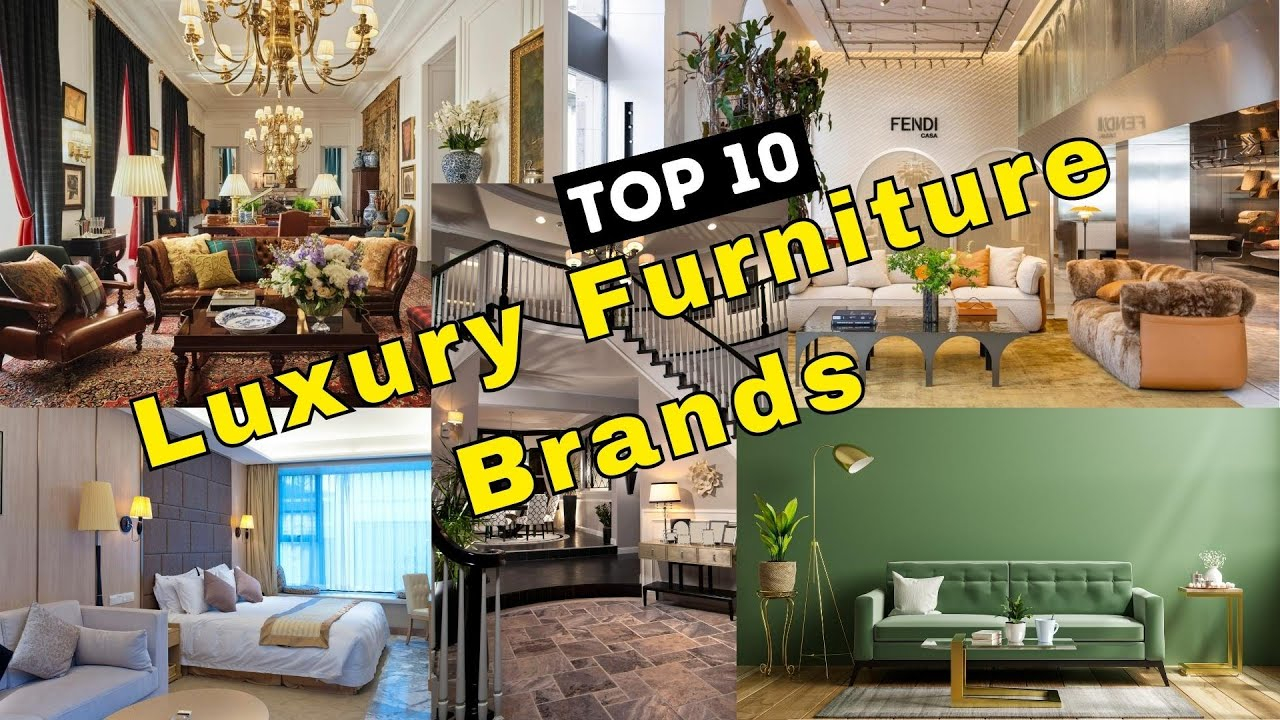
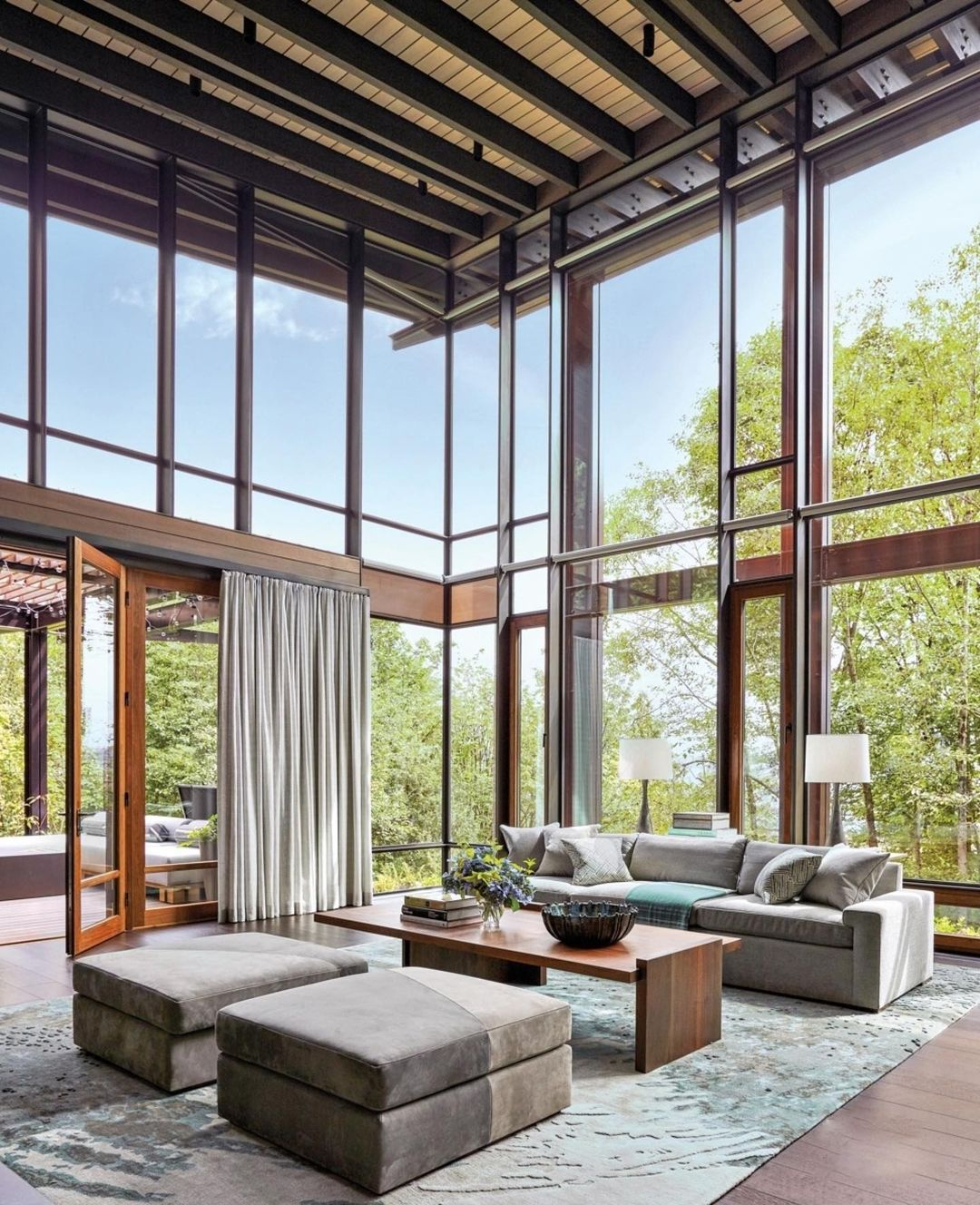
You walk into a room and it just feels right. It’s not shouting at you with gold leaf or velvet ropes. It’s calm. It’s warm. It smells like old books and fresh linen. This is what luxury has become in 2026. It’s no longer about how much you spent. It’s about how well you chose. For years, we were told that expensive meant better. We bought things because they had a logo, not because they had soul. But look around now. The script has flipped.
The most beautiful homes this year aren’t the ones with the biggest price tags. They are the ones with the most thought put into them. People are tired of fast furniture that falls apart in six months. They are done with trends that look dated before the ink dries on the receipt. Instead, there is a shift toward something deeper. Something real. This isn’t just about saving cash, though that is a nice bonus. It is about spending wisely on things that last. It is about curating a life, not just decorating a house.
So, how do you get that high-end look without the high-end stress? You need a plan. A checklist. But not the kind that tells you to buy ten throw pillows. This is a different kind of list. It focuses on value, longevity, and that elusive quality called "quiet luxury." Let’s dive into what actually matters this year.
Embrace Quiet Luxury Over Flashy Trends
Quiet luxury is the north star for 2026 interiors. If you haven’t heard this term yet, you will soon. It is everywhere. But what does it mean? Simply put, it is understatement. It is confidence without noise. Think of it like a well-tailored suit versus one covered in sequins. Both cost money, but one whispers elegance while the other screams for attention. In home decor, this means choosing pieces that feel solid and timeless.
Why does this save you money? Because trends are expensive. Chasing the "it" color or the "it" shape every season drains your wallet. Quiet luxury ignores the hype. It focuses on materials that age well. Leather that gets softer. Wood that develops a patina. Stone that feels cool to the touch. These items don’t need to be replaced when the trend cycle turns. They just get better. You buy once. You keep forever. That is the ultimate savings hack.
Look for items with clean lines and natural textures. Avoid anything too ornate or overly branded. The goal is for guests to notice the comfort, not the label. When you strip away the excess, you are left with quality. And quality, surprisingly, is often more affordable than you think if you stop buying junk. Invest in the bones of the room. Let the simplicity speak for itself. It is a relief, honestly. You don’t have to try so hard.
Prioritize Warmth and Tactile Richness
Remember when everything was white, gray, and cold? Stark minimalism had its moment. But in 2026, we are craving warmth. We want homes that hug us back. This shift is huge for your budget because it moves away from perfect, sterile surfaces that show every fingerprint. Instead, it welcomes texture. Texture hides wear and tear. It adds depth without adding cost.
Think about the materials you touch every day. A chunky knit throw. A rug with a high pile. Walls with a subtle plaster finish instead of flat paint. These elements invite touch. They create comfort. And here is the secret: you can find these textures at all price points. You don’t need Italian marble to have a tactile room. You can use ceramic tiles with a handmade look. You can use reclaimed wood shelves. The key is variety. Mix smooth with rough. Soft with hard.
This approach also lets you layer. Layering is cheaper than replacing. If you have a basic sofa, add a textured slipcover. If your floors are plain, add a rich, woven rug. These changes transform the feel of a space without the renovation price tag. Nuanced blues, deep greens, and warm taupes are the colors of choice this year. They support this cozy vibe. They make a room feel lived-in and loved. And a loved home doesn’t need constant updating.
Invest in Intentional Craftsmanship
In 2026, luxury is defined by intentionality. It is about knowing where your stuff comes from. Artisan craftsmanship is having a major comeback. But this doesn’t mean you need to commission a custom chandelier. It means looking for signs of human hands in your decor. A slightly imperfect ceramic vase. A hand-woven basket. A table with visible joinery. These pieces have character. They tell a story.
Buying artisan goods can actually save money in the long run. Mass-produced items are often made with cheap glue and thin materials. They break. They warp. Handcrafted items are usually built to last. They use better techniques. Yes, the upfront cost might be higher than a big-box store find. But calculate the cost per use. A $200 chair that lasts twenty years is cheaper than a $50 chair you replace every two years. Do the math. It works out.
Support local makers when you can. Check out craft fairs. Look online for small businesses. You often get better quality for the same price because there is no middleman markup. Plus, you get something unique. No one else will have the exact same lamp. This exclusivity is the true mark of luxury. It feels personal. It feels special. And it stops you from wanting the next new thing because you already love what you have.
Choose Timeless Colors and Flexible Palettes
Color is powerful. But it is also tricky. Pick the wrong shade, and you are stuck repainting in a year. The 2026 palette is safe because it is rooted in nature. Warm whites. Beige. Caramel. Mushroom. Taupe. These are the foundations. They are neutral, but not boring. They have warmth. They change with the light. They work with almost any furniture style.
For accents, look to deep blue, forest green, plum, or rust. These colors are rich and sophisticated. They add drama without being loud. Because they are classic, they won’t look dated next year. This flexibility is key to saving money. If you paint your walls a trendy neon yellow, you will hate it in six months. If you paint them a warm mushroom tone, you will love it for a decade. You can change the accent pillows and art to refresh the look. That is cheap. Repainting is not.
Create a base that is calm and inviting. Then add personality through accessories. This way, when you get bored, you only swap out the small stuff. A new vase. A different print. The big investments stay. This strategy keeps your home feeling fresh without constant large expenditures. It is smart design. It respects your wallet and your sanity.
Focus on Livability and Personal Style
Luxury in 2026 is livable. It is not a museum. It is a place where you actually live. This means designing for your real life, not an Instagram photo. If you have kids, choose durable fabrics. If you work from home, prioritize good lighting and comfortable seating. If you love to cook, make the kitchen functional and beautiful. When a space works for you, you don’t feel the need to change it.
Personal style is free. Well, mostly. It costs nothing to display the books you love. It costs nothing to hang art that means something to you. These personal touches make a home feel luxurious because they are authentic. They reflect who you are. Generic decor feels empty. Personal decor feels full. And when a room feels full of meaning, you stop shopping. You stop looking for the next purchase to fill a void.
Ask yourself: Does this piece support how I live? Does it bring me joy? If the answer is no, put it back. This mindfulness prevents impulse buys. It stops clutter. Clutter is expensive. It takes up space. It makes rooms feel smaller and chaotic. A curated, personal space feels expansive and calm. That is the goal. Create a home that supports your daily rituals. Make it easy to maintain. Make it easy to love.
Sustainability is not just a buzzword. It is a money-saving strategy. Buying second-hand is one of the best ways to achieve luxury on a budget. Vintage furniture was often built better than modern pieces. Solid wood. Real brass. Heavy glass. You can find these gems at thrift stores, estate sales, and online marketplaces. A little sanding and a new coat of paint can transform a dated dresser into a statement piece.
Also, consider the environmental cost. Fast furniture ends up in landfills. Quality pieces stay in circulation. By choosing sustainable options, you are investing in the future. Look for materials that are renewable or recycled. Bamboo. Cork. Recycled metal. These are often affordable and durable. They align with the 2026 ethos of care and intention.
Don’t be afraid to mix old and new. A vintage rug under a modern sofa looks incredible. It adds history. It adds weight. This ecletic mix is very current. It shows you have an eye for design, not just a credit card. Take your time sourcing. Hunt for deals. Wait for the right piece. Patience pays off. The best finds are rarely urgent. They are worth the wait. And they are worth the savings.
Creating a luxury home in 2026 is not about spending more. It is about thinking more. It is about choosing warmth over coldness. Quality over quantity. Story over status. When you follow this checklist, you build a home that is truly yours. A home that saves you money because it lasts. A home that feels good every single day.
Start small. Pick one room. Apply these principles. See how it feels. Notice the difference. You might find that less really is more. And that the most luxurious thing of all is peace of mind. So go ahead. Edit your space. Curate your life. Enjoy the process. It is not about perfection. It is about connection. And that is priceless.