Ever walk into a room and instantly feel calm, cozy, and at home—but can’t quite explain why? It’s probably the lighting. Or maybe it’s the way the rug feels underfoot, or how the sofa invites you to sink in. But let’s be honest, bad lighting can ruin even the most expensive furniture. We’ve all been there. You sit down to read a book, but the overhead light is so harsh it gives you a headache. Or you try to have a nice dinner, but the room feels like a sterile office. That’s not living. That’s just existing.
In 2026, the vibe is shifting. We are moving away from those stark, minimalist boxes that looked great on Instagram but felt cold in real life. The new trend is about spaces that feel lived-in, personality-filled, and entirely on trend. It’s about comfort. It’s about creating a sanctuary where you can actually relax after a long day. And the secret sauce? It’s not just buying a new couch. It’s understanding how to layer your lighting and textures to create depth, warmth, and flexibility.
The Foundation: Rethinking Ambient Light
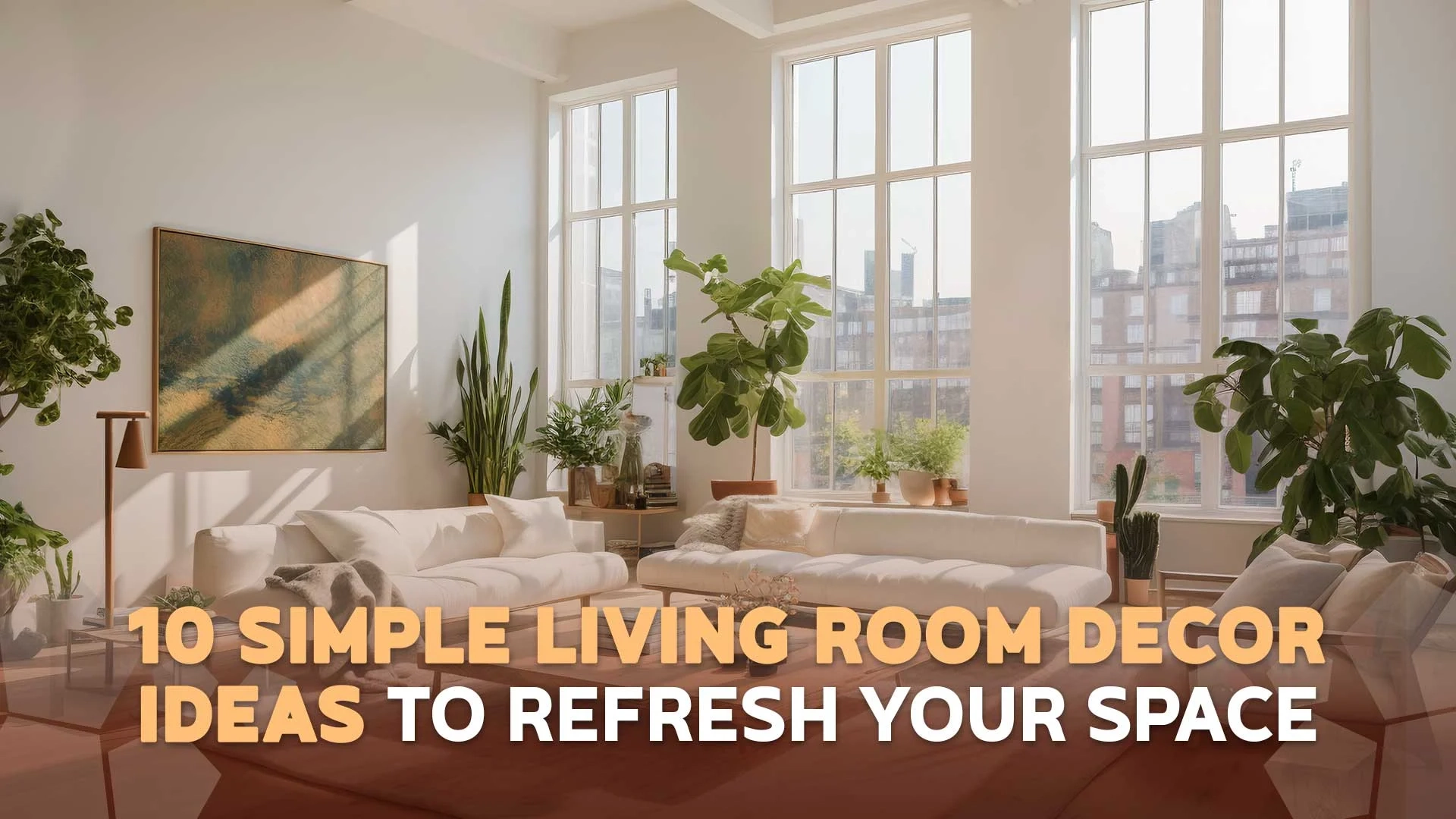
Ambient light is the base layer. It’s the general illumination that lets you see where you’re walking without tripping over the coffee table. For years, we relied on a single, bright ceiling fixture. That’s out. In 2026, designers are pushing for softer, more diffused sources. Think of it as the "glow" of the room rather than the "light." If you still have that big, bright dome light in the center of your ceiling, consider swapping it for something with a dimmer switch. Or better yet, turn it off entirely and let other layers do the work.
The goal here is to avoid shadows that are too harsh. You want an even, gentle wash of light. Wall sconces are making a huge comeback for this purpose. They bounce light off the walls, which makes the room feel larger and warmer. If you can’t install hardwired sconces, plug-in versions are a fantastic hack. They require zero electrician skills and can be moved around if you rearrange your furniture. Just make sure the bulbs are warm-toned. Anything above 3000K starts to feel clinical. Stick to 2700K or even 2400K for that candlelit feel.
Another trick is to use uplights. Place a floor lamp behind a large plant or in a corner, pointing upwards. This draws the eye up and creates a soft, ambient glow that fills the vertical space. It’s subtle, but it changes everything. It makes the ceiling feel higher and the room less boxy. This is one of those simple design tips that mixes ambient comfort with visual interest. It’s not about blasting light everywhere; it’s about filling the dark corners with a gentle hum of illumination.
Task Lighting: Function Meets Form
Now that we have our base glow, we need light that actually helps us do things. This is task lighting. It’s the light you need when you’re reading, knitting, working on a laptop, or playing a board game. The mistake people often make is thinking one big light can do it all. It can’t. Task lighting needs to be focused. It needs to be right where you are. If you love to read in a specific armchair, a floor lamp with an adjustable arm is your best friend.
In 2026, task lighting is getting smarter and more stylish. We’re seeing more arc lamps that reach over sofas, providing perfect light for reading without taking up floor space next to the chair. There are also sleek LED desk lamps that look like sculptures when they’re turned off. The key is flexibility. You want to be able to direct the light exactly where you need it. If you’re watching TV, you might want that task light off. If you’re doing a puzzle, you want it bright and focused.
Don’t forget about side tables. A small table lamp isn’t just decorative; it’s a crucial task light for when you’re sitting on the sofa. It keeps the light at eye level, which is much more comfortable than light coming from above. This reduces glare and eye strain. Plus, it creates a nice pool of light that defines your seating area. It says, "This is a spot for relaxing." Make sure the shade is opaque enough to hide the bulb but translucent enough to let a warm glow through. You don’t want to see the bare bulb. That’s never cozy.
Accent Lighting: Highlighting the Soul of Your Space
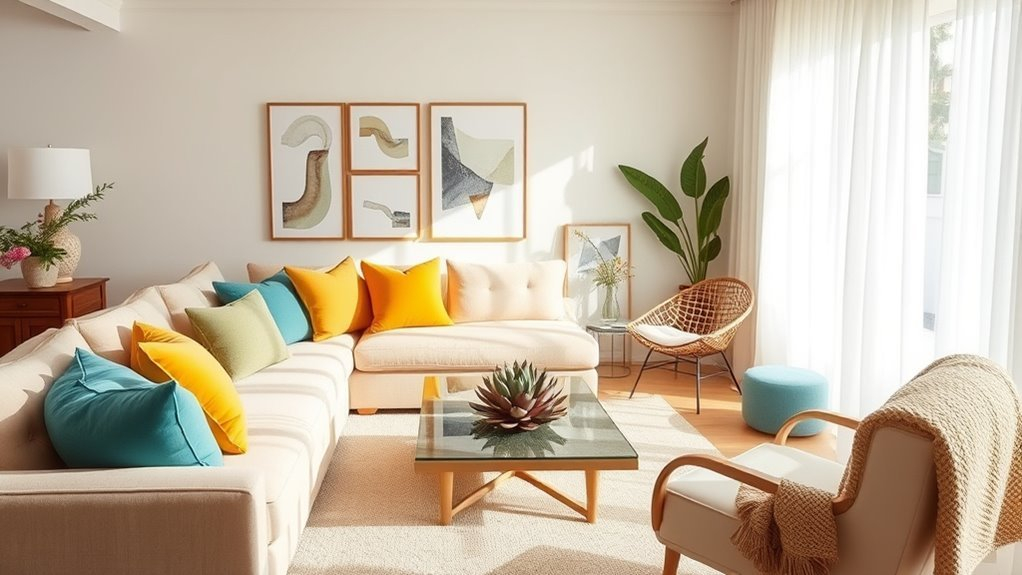
Accent lighting is the jewelry of your room. It’s what adds drama and personality. This layer is all about highlighting specific features: a piece of art, a textured wall, a beautiful bookshelf, or even a architectural detail. In 2026, playful living room color schemes are trending, and accent lighting helps show them off. Without proper accent light, a bold paint color can look flat. With it, the colors pop and change throughout the day.
Picture lights are having a major moment. Mounting a small light above a painting or a gallery wall creates a museum-like feel. It draws the eye and makes the art the focal point. But you don’t need expensive art to use accent lighting. Try illuminating a shelf filled with your favorite books or ceramics. Small puck lights or LED strips hidden on the shelves can create a magical effect. It makes your stuff look curated and special. It adds depth to the room, preventing it from feeling like a flat box.
You can also use accent lighting to highlight texture. If you have a brick wall, a stone fireplace, or even a really cool textured wallpaper, grazing light across it (placing a light close to the wall and shining it down) emphasizes every nook and cranny. This creates shadows and highlights that make the surface come alive. It’s a simple trick that interior designers swear by. It adds visual weight and interest without adding any physical clutter. Just remember, less is more. You don’t need to light up every corner. Pick two or three spots to highlight, and let the rest stay in soft shadow.
The Texture Layer: Softness Underfoot and Beyond
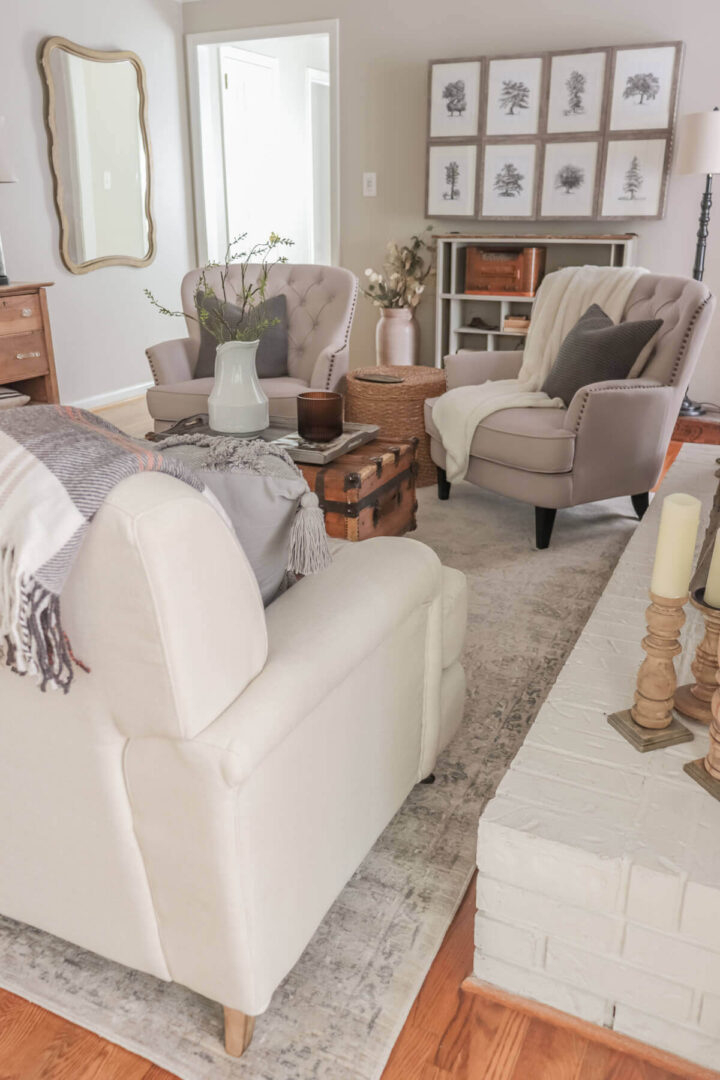
Lighting doesn’t exist in a vacuum. It interacts with everything in the room. That’s why we have to talk about texture. You can have the perfect lighting plan, but if your room is full of hard, reflective surfaces, it’s going to feel cold. Coziness comes from softness. In 2026, relaxed living room furniture trends are dominating, and that means plush fabrics, chunky knits, and natural materials. Start with the floor. A high-pile rug or a layered rug setup adds instant warmth. It absorbs sound and light, making the room feel quieter and softer.
Think about your windows too. Heavy drapes or layered curtains don’t just block light; they add a tactile element to the room. When you draw them at night, the room feels enclosed and safe. During the day, sheer layers diffuse natural light, preventing harsh glare. Natural light is the best light, but it needs to be managed. Blinds or shades that allow you to control the intensity are essential. In the morning, you might want bright, energizing light. In the evening, you want to soften it.
Don’t forget the soft goods. Throw pillows, blankets, and upholstered furniture all play a role. Velvet, wool, linen, and cotton all reflect light differently. Velvet absorbs light and looks rich and deep. Linen reflects it softly. Mixing these textures creates visual interest. When your accent lights hit a velvet pillow, it glows. When they hit a linen throw, it looks airy. This interplay is what makes a room feel dynamic. It’s not just about seeing things; it’s about feeling them. Even if you’re just looking, your brain registers the texture.
Smart Controls and Dimmers: The Invisible Magic
Here is the thing about cozy rooms: they change. A room that feels perfect for a movie night might feel too dark for cleaning. A room that’s bright and cheerful in the morning might feel harsh at night. The solution? Control. In 2026, smart lighting isn’t just a tech gimmick; it’s a necessity for comfort. Dimmers are the single most important upgrade you can make. If you don’t have dimmers, install them. Or use smart bulbs that can be dimmed via an app or voice command. Being able to lower the light level by just 20% can completely change the mood.
Smart systems allow you to create scenes. You can have a "Reading" scene that turns on your task lights and dims the ambient lights. You can have a "Party" scene that brightens everything up. You can have a "Wind Down" scene that turns off the main lights and leaves only the warm accent lamps on. This flexibility is key to a livable space. It allows the room to adapt to your life, rather than forcing you to adapt to the room. It’s about having the right light, at the right time, for the right activity.
But it’s not just about tech. It’s about accessibility. Make sure your switches are easy to reach. Use plug-in pucks with remote controls for those hard-to-reach corners. The easier it is to adjust your lighting, the more likely you are to do it. Most people leave their lights on full blast because it’s a hassle to change them. Remove the friction. Make it effortless to create a cozy atmosphere. That’s when you’ll start actually using your layered lighting system. It transforms the space from static to dynamic.
Even with the best intentions, it’s easy to mess up. One common mistake is using too many different color temperatures. If you have a 2700K lamp, a 3000K sconce, and a 4000K ceiling light, the room will feel disjointed and weird. Your eyes will struggle to adjust. Stick to one temperature range, preferably warm white. Consistency is key to a harmonious look. Another mistake is forgetting about glare. Never place a light source directly in your line of sight. If you can see the bulb, it’s too bright. Use shades, diffusers, or position the lights so they’re hidden from view.
Another pitfall is overcrowding. More light isn’t always better. Sometimes, shadow is your friend. Shadow creates mystery and depth. If every corner is brightly lit, the room feels flat and uninteresting. Leave some areas dark. Let the light pools overlap slightly, but don’t try to eliminate all darkness. It’s okay for the corners to be a bit dim. It makes the lit areas feel more inviting. It creates a sense of intimacy.
Finally, don’t ignore the scale. A tiny lamp on a huge side table looks lost. A massive floor lamp in a small nook feels overwhelming. Match the size of your lighting fixtures to the size of your furniture and room. Proportion matters. In 2026, we’re seeing a mix of scales, but each piece should feel intentional. Take a step back and look at your room. Does it feel balanced? Or does one area feel heavy with light while another feels empty? Adjust until it feels right. Trust your gut. If it feels off, it probably is.
Creating a cozy living room isn’t about following a strict rulebook. It’s about understanding how light and texture work together to create a feeling. It’s about layering. Start with a soft ambient base. Add focused task lighting for functionality. Sprinkle in accent lights for personality. Wrap it all in soft textures. And give yourself the control to change it all with the flip of a switch. In 2026, our homes are our sanctuaries. They should feel good. They should feel like us. So go ahead. Dim the lights. Throw on a blanket. And enjoy the cozy vibe you’ve created. It’s worth it.