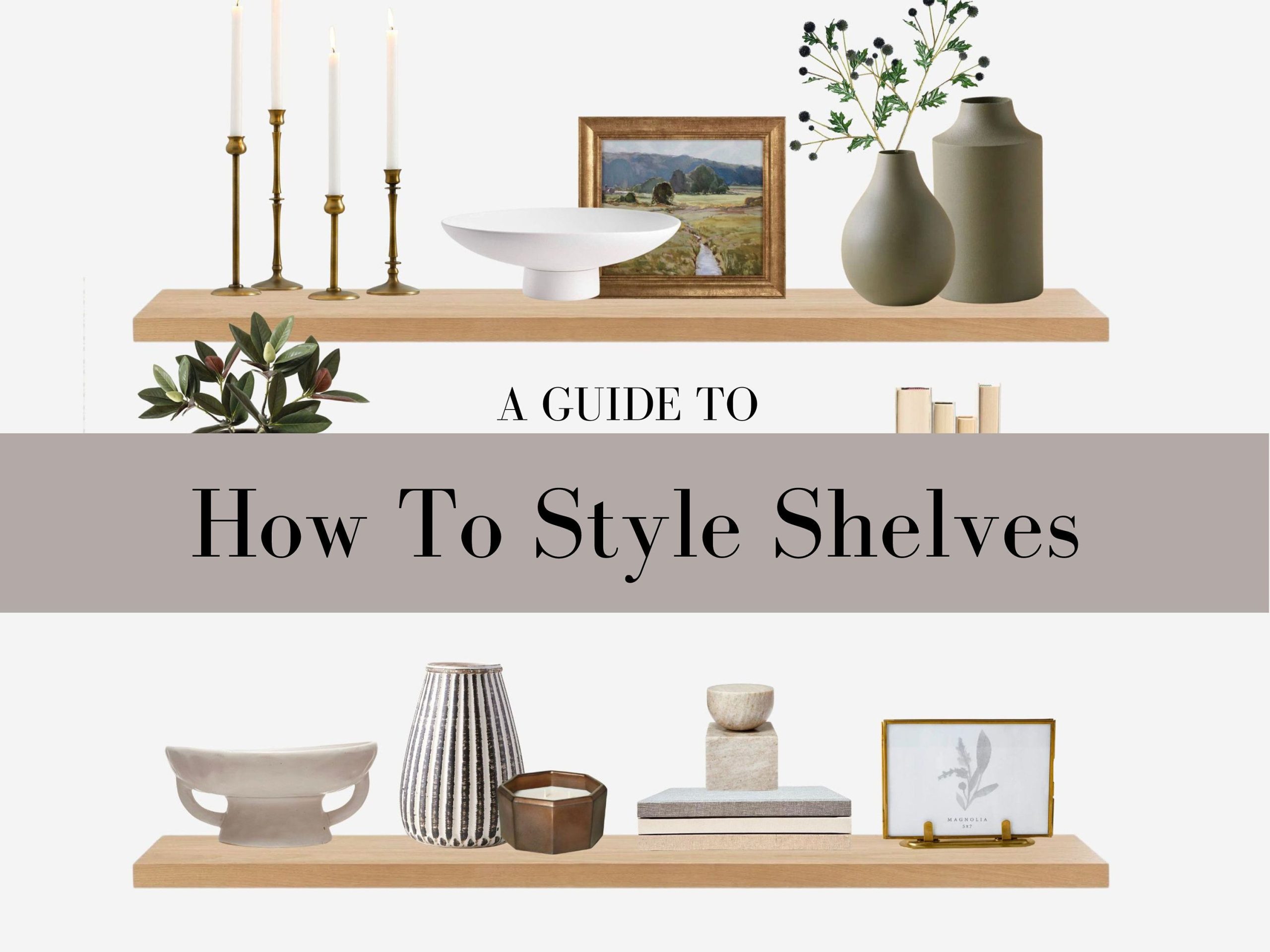
We’ve all been there. You scroll through social media, eyes glazing over at shelves that look like they were styled by a robot with a ruler. Everything is symmetrical. The books are color-coded by spine. There isn’t a single dust mote or crooked frame in sight. It’s beautiful, sure. But does it feel like anyone actually lives there? Probably not. In 2026, the tide has turned. We are collectively exhausted by the pressure to be perfect. Our homes are no longer stages for performance; they are sanctuaries for real life. And nowhere is this shift more visible than on our shelves.
This year, it’s about letting go. It’s about embracing the wobbly vase you made in third grade pottery class. It’s about stacking that paperback with the torn cover because you’ve read it four times and it means something to you. Shelf styling in 2026 isn’t about following a strict formula. It’s about curation with heart. It’s messy, it’s layered, and it’s unapologetically yours. If you’ve been staring at your empty bookcases feeling paralyzed by the need to get it "right," take a deep breath. There is no right. There is only what feels good to you.
The Death of Symmetry and the Rise of Organic Flow
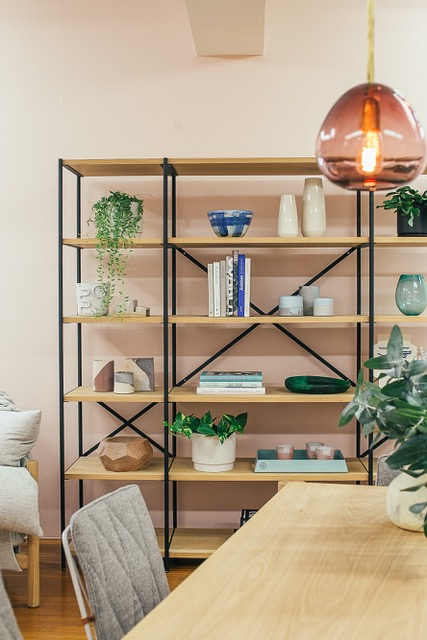
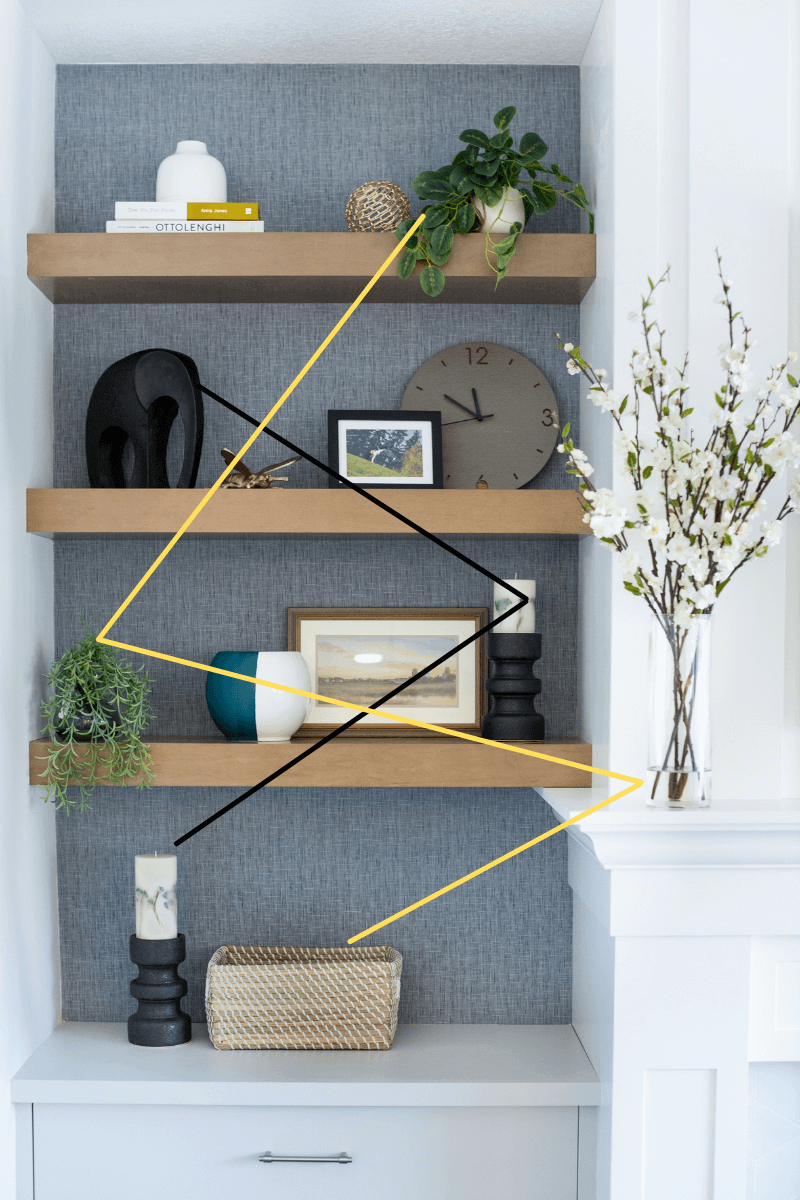
Remember when we used to measure the distance between objects to ensure perfect balance? Those days are gone. In 2026, designers and everyday homeowners alike are leaning into asymmetry. It feels more natural, more like how things accumulate in real life. Think of your shelf not as a grid, but as a landscape. You want peaks and valleys. You want visual weight that shifts from left to right in a way that feels intuitive rather than calculated.
Start by placing your largest items off-center. Maybe it’s a stack of art books on the left and a tall, slender sculpture on the right. Leave some negative space. Don’t fill every inch. The eye needs a place to rest. When you stop trying to mirror one side with the other, you create movement. It invites the viewer to look closer, to travel across the shelf with their eyes. This organic flow mimics the way we actually interact with our belongings. We grab a book, we move a plant, we add a souvenir from a trip. The shelf evolves. It breathes.
Try grouping items in odd numbers, but don’t stress if it’s four or six. The rule of threes is a guideline, not a law. What matters more is the connection between the objects. Do they talk to each other? A rough-hewn wooden bowl might sit next to a sleek ceramic mug. The contrast creates interest. It’s not about matching; it’s about harmony through difference. Let the arrangement look like it happened over time, because ideally, it did. If it looks too staged, move something. Knock a book over slightly. Lean a frame against the back instead of hanging it. Soften the edges.
Texture Is the New Color Palette
For years, we obsessed over color coordination. Blue spines here, white ceramics there. While color still plays a role, 2026 is all about texture. Why? Because texture triggers memory and emotion in a way that flat color doesn’t. When you run your hand along a woven basket, or notice the glaze drip on a handmade pot, you feel connected to the object. It adds depth to a room without shouting for attention.
Mix materials liberally. Combine the warmth of wood with the coolness of stone or metal. Add softness with textiles—a small folded linen napkin tucked behind a book stack, or a piece of driftwood with a rough, weathered surface. These tactile elements make a shelf feel inviting. They break up the visual monotony of straight lines and hard surfaces. If your shelf feels flat, ask yourself: where is the softness? Where is the roughness? Where is the shine?
Don’t be afraid of imperfections in the materials themselves. A chipped mug can be a star player if it has a story. A book with a cracked spine shows it was loved. These flaws add character. They prove that the items have a history. In a world of mass-produced perfection, these quirks are luxury. They signal that you value authenticity over appearance. So, hunt for pieces that have grain, weave, cracks, or irregular shapes. Let the texture do the heavy lifting in your design.
Curating Memories Over Buying Decor
The most powerful styling tool you have is your own life. Stop buying generic decor just to fill space. Instead, look at what you already own. That ticket stub from a concert ten years ago? Frame it. The seashell from your honeymoon? Put it in a small dish. The weird rock your kid found on a hike? Give it a pedestal. These items transform a shelf from a display into a narrative. They tell visitors who you are, where you’ve been, and what you love.
This approach also solves the problem of clutter. When every item has meaning, you become more selective. You don’t need fifty knick-knacks. You need the five that matter. This intentionality creates a cleaner, more impactful look. It’s minimalism with soul. You’re not stripping everything away; you’re keeping only what resonates. This makes the styling process easier, too. You’re not wondering if a random bronze statue fits your vibe. You’re asking if this object brings you joy or reminds you of a cherished moment.
Rotate these personal items seasonally or even monthly. Keep the core structure—the big books, the large plants—but swap out the smaller treasures. This keeps the shelf feeling fresh without requiring a total overhaul. It also gives you a chance to rediscover forgotten memories. Maybe you pull out an old letter or a photograph you haven’t looked at in years. The shelf becomes a living archive, not just a static decoration. It’s deeply personal because it is literally your life, curated.
The Art of the Casual Stack
Books are the backbone of any shelf, but how you arrange them says a lot about your attitude. The vertical-only look is stiff. The horizontal-only look can feel heavy. The magic happens in the mix. Stack some books horizontally to create platforms for other objects. Stand others vertically to provide height and rhythm. But here’s the key: let them lean. Let them slouch.
A perfectly upright row of books looks like a library catalog. A slightly tilted stack looks like someone just put them down after reading. It’s relaxed. It’s approachable. Use bookends sparingly, or better yet, use other objects as bookends. A heavy ceramic vase can hold up a row of novels. A small sculpture can prop up a stack of magazines. This integrates the books into the decor rather than segregating them. They become part of the composition, not just storage.
Don’t worry about genre or author order. Mix fiction with non-fiction. Cookbooks with art books. Graphic novels with classics. The variety in size and color creates visual interest. If you have a particularly ugly spine, turn the book around so the pages face out. It’s a trick that adds a neutral, textural element while hiding something you don’t love visually. Remember, you don’t have to show every book you own. Store the ones you don’t care about seeing elsewhere. Only display the ones that contribute to the aesthetic or the story you’re telling.
Bringing the Outside In (Without Killing Your Plants)
Biophilic design isn’t new, but in 2026, it’s less about having a jungle and more about subtle, sustainable touches. Plants soften the hard lines of shelving and add a burst of life. But let’s be real: not everyone has a green thumb. And that’s okay. The goal is the idea of nature, not necessarily a botanical garden. Use dried branches, preserved moss, or high-quality faux greens if you struggle with keeping things alive. No shame in that game.
If you do use live plants, choose varieties that thrive in lower light and neglect. Snake plants, pothos, or ZZ plants are forgiving friends. Place them on different levels to draw the eye up and down. Trailing plants can cascade down from a higher shelf, creating a lovely vertical connection. Just make sure you have a saucer underneath. Water rings on wood shelves are not the kind of patina you want.
Beyond plants, incorporate other natural elements. Stones, shells, driftwood, or feathers. These items ground the space. They connect your indoor environment to the wider world. They remind us to slow down and appreciate the simple, raw beauty of nature. A single large stone on a shelf can be incredibly striking. It’s heavy, solid, and timeless. It balances the lightness of paper and fabric. These natural anchors prevent the shelf from feeling too fussy or delicate.
A shelf in the dark is just a hole in the wall. Lighting changes everything. It highlights your favorite pieces and creates shadows that add drama and depth. In 2026, integrated lighting is huge, but you don’t need to rewire your house. Small, battery-operated puck lights or clip-on LED spots work wonders. Place them under a shelf to illuminate the level below, or behind a large object to create a halo effect.
Warm light is essential. Cool, blue-toned light feels clinical and harsh. You want a glow that mimics candlelight or sunset. It makes the textures pop and the colors feel richer. Adjust the angle of the light to graze across textured surfaces. This emphasizes the bumps and grooves in ceramics or wood grain. It turns a flat object into a three-dimensional feature.
Layering isn’t just about light; it’s about depth placement. Don’t line everything up against the back wall. Pull some items forward. Push others back. Create foreground, midground, and background. A small object in front of a larger one creates a sense of scale. Leaning a framed print against the back wall, with a small vase in front of it, creates a vignette. This layering technique makes the shelf feel deeper and more complex. It invites exploration. The eye has to work a little bit to take it all in, which makes the experience more engaging. It’s the difference between looking at a postcard and standing in a landscape.
So, where does this leave us? With permission. Permission to be messy. Permission to be sentimental. Permission to ignore the rules that say your home must look like a magazine spread. The best shelves in 2026 are the ones that make you smile when you walk into the room. They’re the ones that spark conversation. They’re the ones that feel like you.
Start small. Pick one shelf. Clear it off. Then, put back only the things you truly love. Arrange them in a way that feels comfortable, not correct. Step back. Does it feel stiff? Loosen it up. Does it feel empty? Add a texture. Does it feel chaotic? Remove one item. Trust your gut. Your intuition is a better designer than any algorithm.
In the end, your shelves are a reflection of your journey. They will change as you change. They will gather dust, and that’s fine. They will hold the weight of your stories. Let them be imperfect. Let them be personal. Let them be alive. That’s the only trend that really matters.