Ever walked into a room and immediately felt cozy, but you couldn’t quite finger why. Or maybe you’ve sat in a lounge that felt as cold and harsh as a doctor’s waiting room. More often than not, the secret isn’t the furniture or the paint color on the walls. It is the illumination.
Lighting is the hidden force that changes how we feel in our homes. It is the secret ingredient that turns a basic house into a warm haven. But let’s be honest, trying to figure out where to put lamps and switches can feel pretty overwhelming. We want a space that works for movie nights, reading maroons, and hosting friends without looking like a messy tangle of cords.
Start with a Quick Floor Map and Lifestyle Check
Before you run out to buy that gorgeous ceramic table lamp you saw online, take a step back. Grab a piece of paper and sketch a quick bird’s-eye view of your room. You do not need to be an artist for this. Just mark down where your sofa sits, where the television is plugged in, and where you usually sit down to read.
Think about how you actually live your life in that space. Do the kids play board games on the rug? Do you host book clubs? Pinpointing your daily routines helps you see exactly where you need bright beams and where you want softer glows. It stops you from making snap decisions that you might regret later when you are sitting in the dark.
The Golden Formula of Three Layers
The absolute best way to tackle this layout is by breaking it down into three simple layers. Think of it like building a great outfit; you need your base, your statement pieces, and the right accessories. In the design world, we call these ambient, task, and accent illuminations.
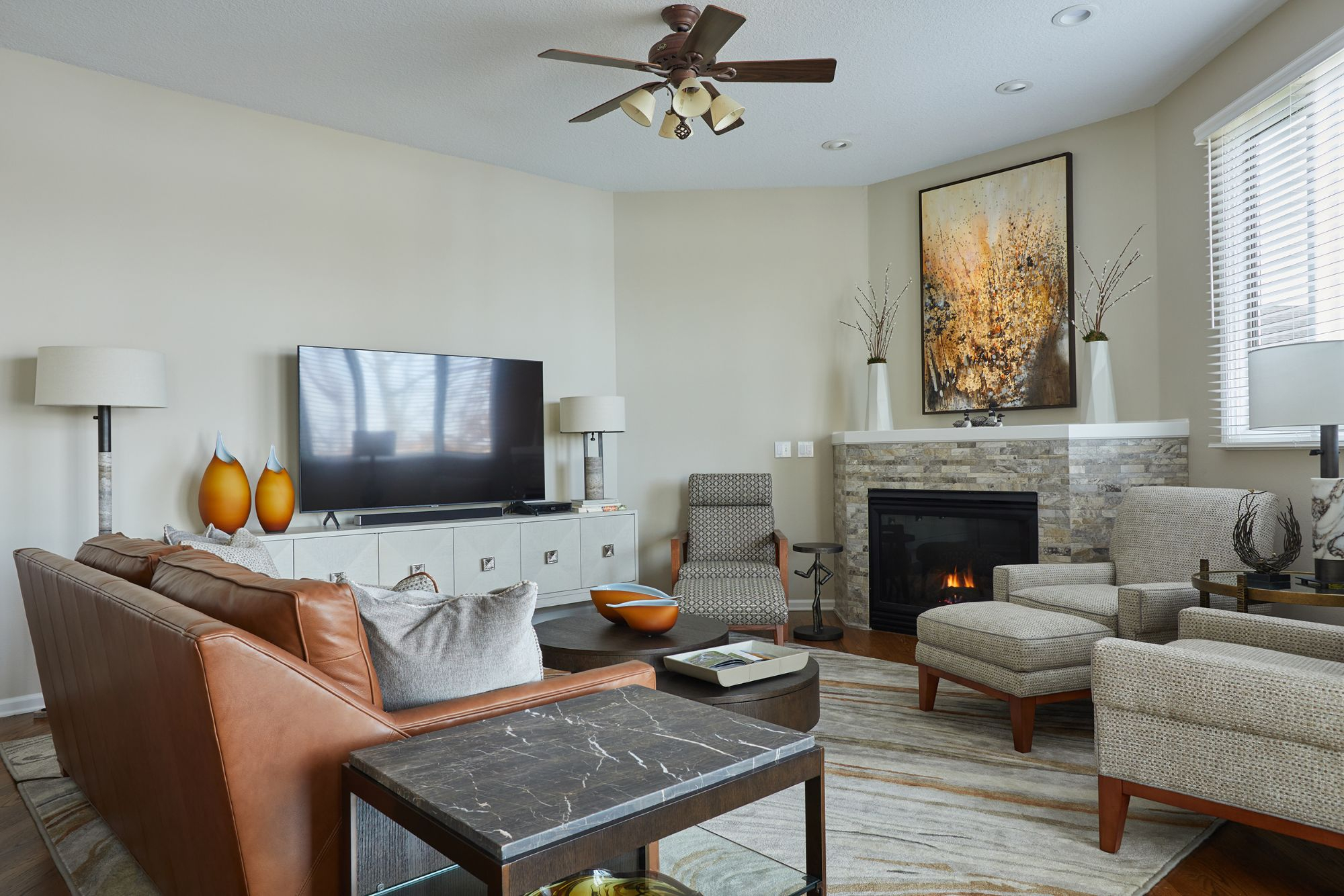
Ambient is your base layer. It is the general illumination that lets you walk around without stubbing your toe on the coffee table. Task lighting is specific, like a focused reading lamp next to your favorite armchair. Accent lighting is the fun part. It highlights your favorite art pieces or makes a bookshelf pop. When you blend all three together, the magic happens.
Nailing the Base Layer for General Warmth
Let us talk about that ambient layer first. A lot of people make the speling error of just putting a bunch of recessed spotlights in the ceiling and calling it a day. But that can make your ceiling look like a Swiss cheese board and create harsh shadows on your face.
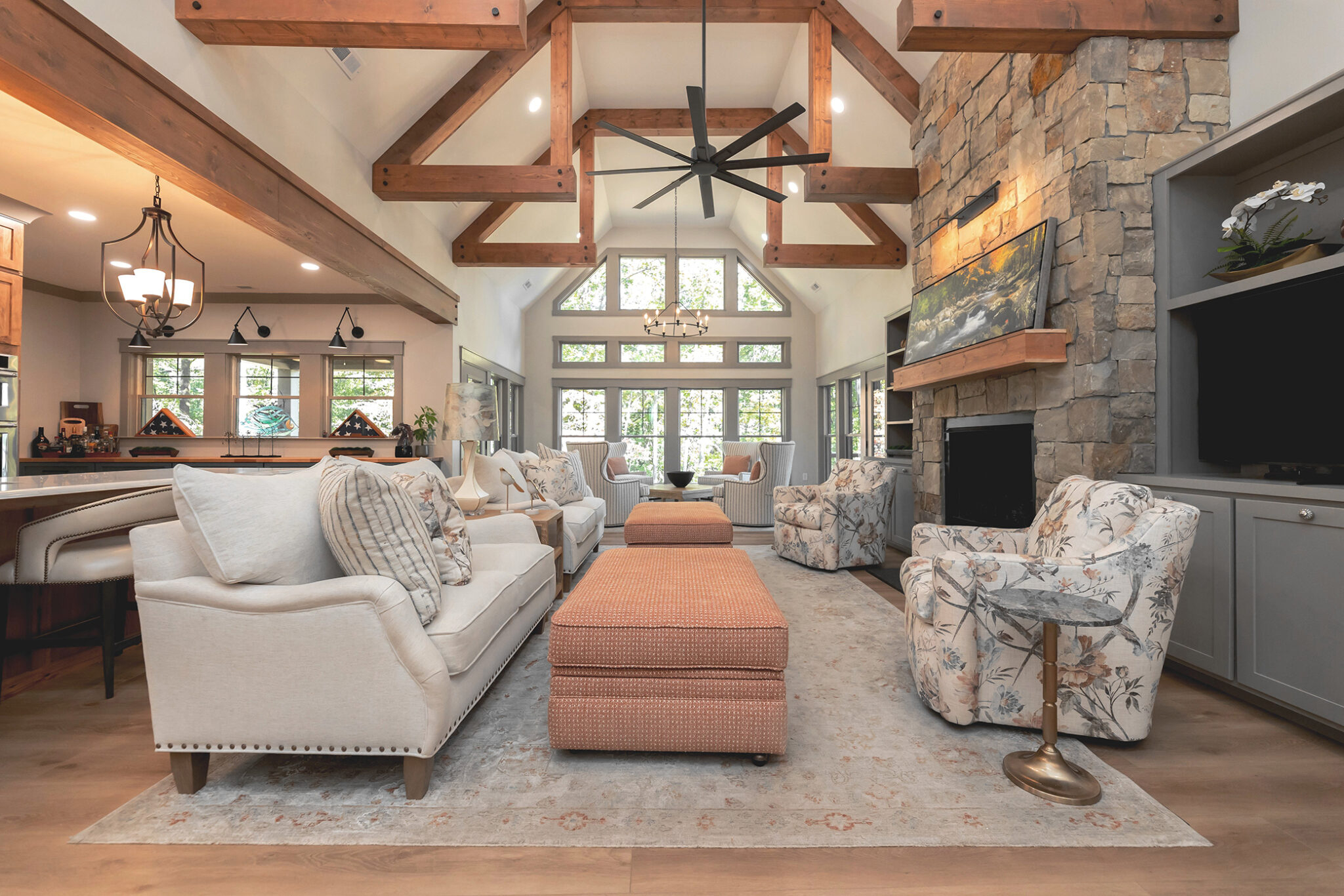
Instead, look for fixtures that spread light around evenly. A beautiful central pendant light can work wonders, but make sure it has a diffuser so you aren’t staring at a naked bulb. Flush mounts or even hidden LED strips along the top of a valance can wash the ceiling in a soft, gentle glow that mimics natural daylight.
Adding Task Lights Exactly Where You Need Them
Now it is time to bring in the workers. Task illumination is all about function, and it needs to be placed strategically so it actually helps your eyes. If you love curling up with a thick novel, a floor lamp with an adjustable neck is a lifesaver. Place it just behind your shoulder so the beam hits the pages without creating annoying glare on your face.
If your living room pulls double duty as a home office in 2026, a sleek desk lamp with a movable arm is crucial. The goal here is to prevent eye strain. You want enough brightness to see clearly, but not so much that it overpowers the rest of the room’s cozy vibe.
Creating Mood and Drama with Accent Features
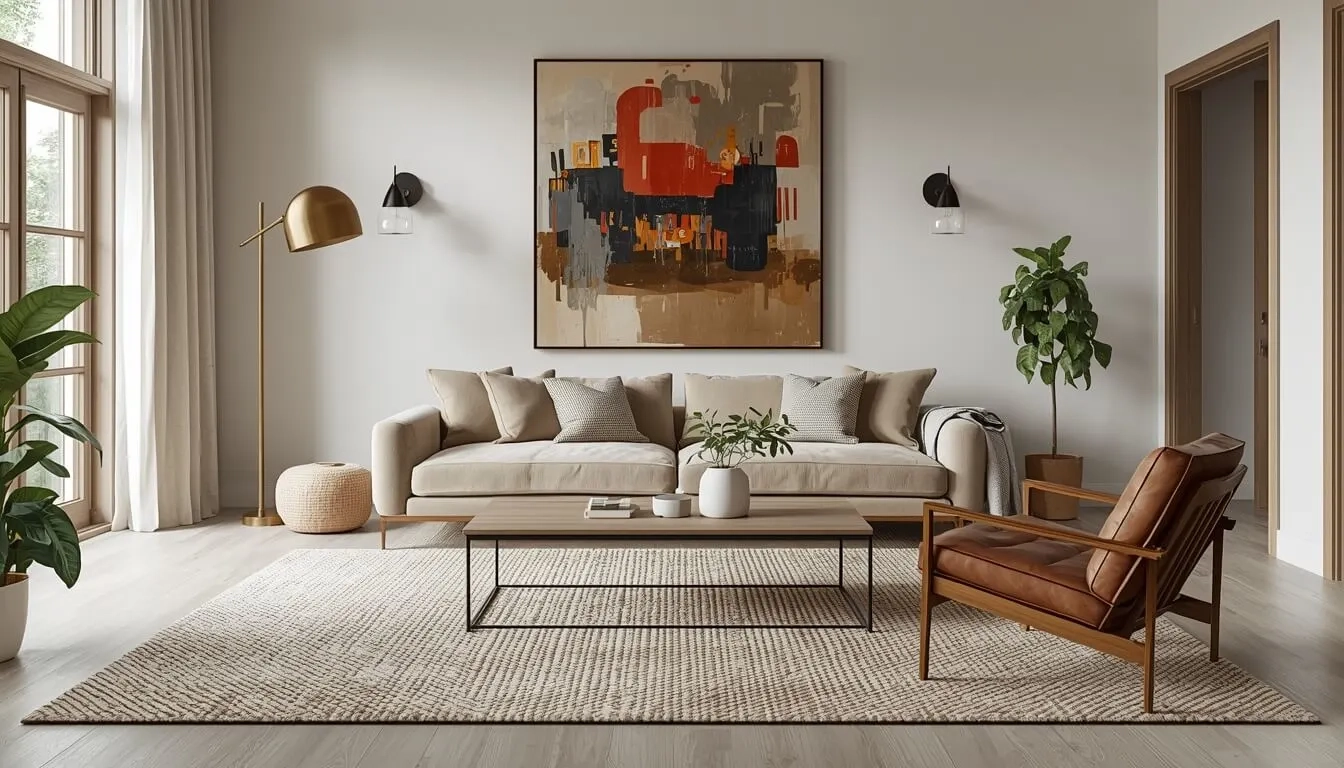
This is where your personal style really gets to shine. Accent illumination adds depth and character, making a room feel architectural and rich rather than flat. Have a beautiful painting or a gallery wall of family photos. Direct a small, adjustable spotlight toward it to draw the eye.
Another great trick is up-lighting. Placing a small canister light on the floor behind a large houseplant casts gorgeous, dramatic shadows of the leaves across the wall and ceiling. It instantly creates a relaxed, lounge-like atmosphere that makes people want to linger over drinks.
You can have the most beautiful layout in the world, but it won’t matter if the switches are in annoying spots. When planning your layout, make sure your main switches are right by the entrance of the room. There is nothing worse than stumbling through a dark space trying to find a lamp cord.
Also, make dimmers your best friend. Every single permanent fixture should be on a dimmer switch. This gives you total control over the vibe, letting you shift from bright and energetic morning energy to low, movie-theater moodiness with a quick slide of a finger.
Getting your living room layout right does not require a massive budget or a professional degree. It just takes a little bit of planning and an understanding of how you utilize your space. By layering your sources and focusing on comfort, you can easily create an inviting environment.
Take it one step at a time. Start with your floor plan, figure out your activities, and build your layers up gradually. Soon enough, you’ll have a beautifully lit sanctuary that welcomes you home every single evening.