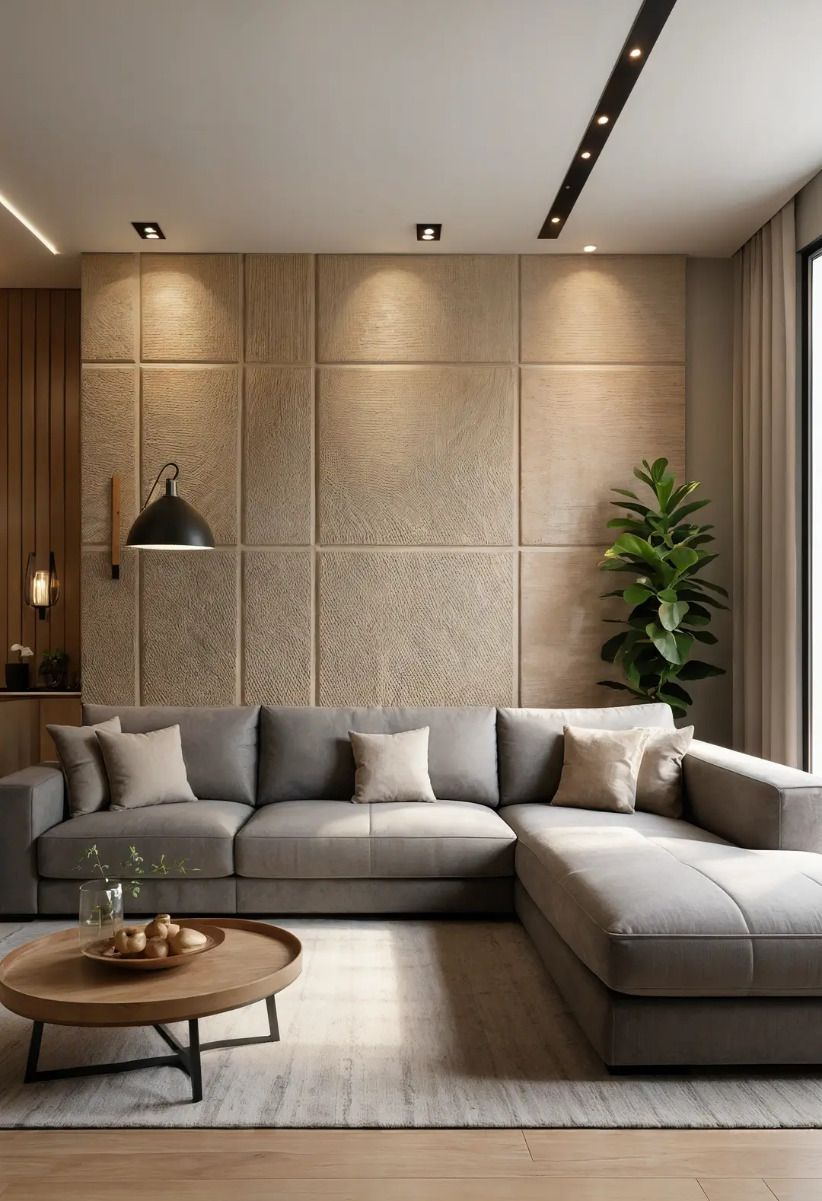
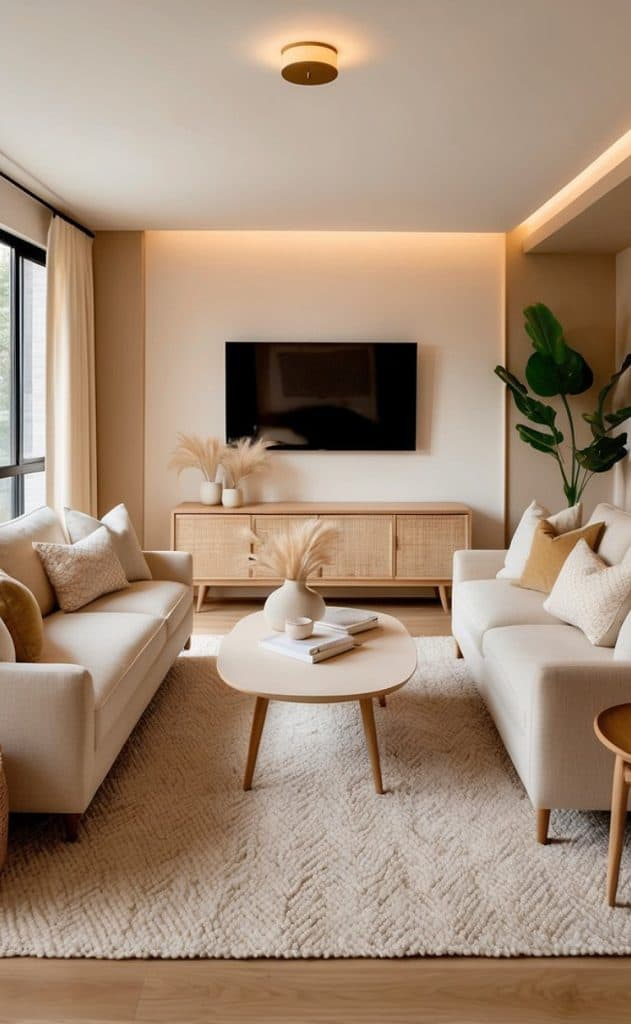
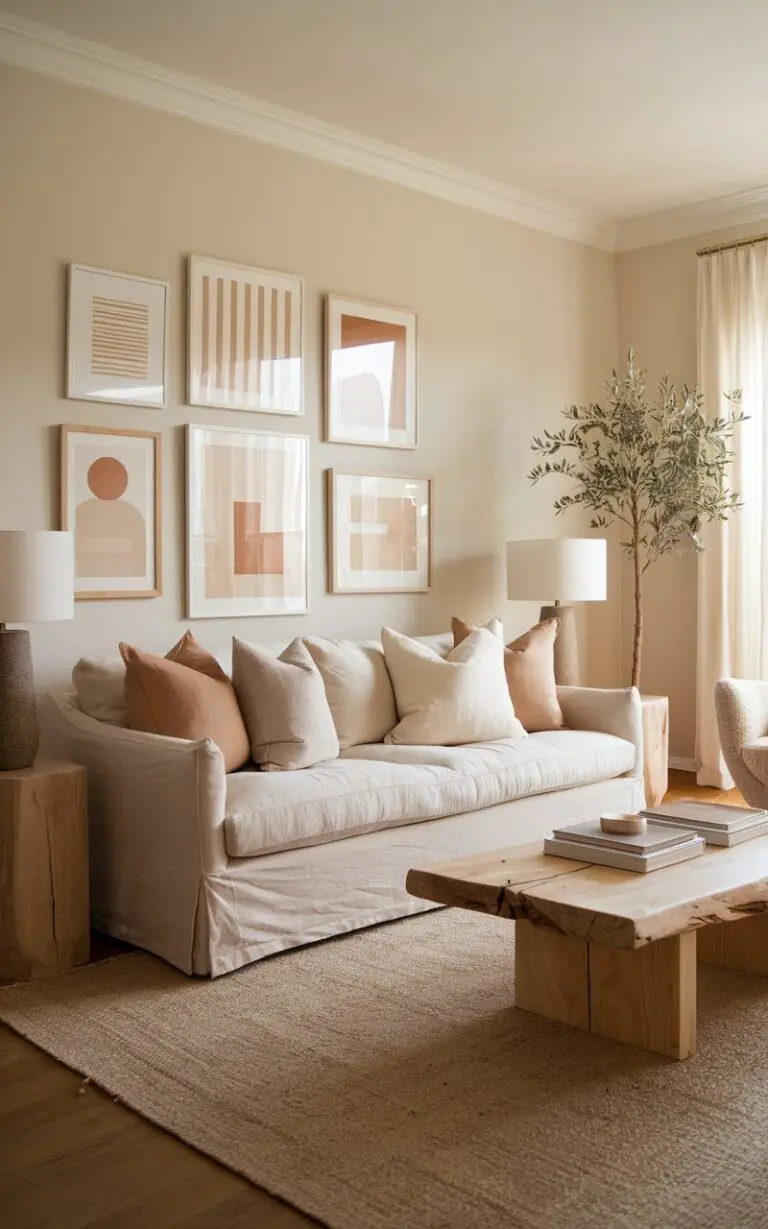
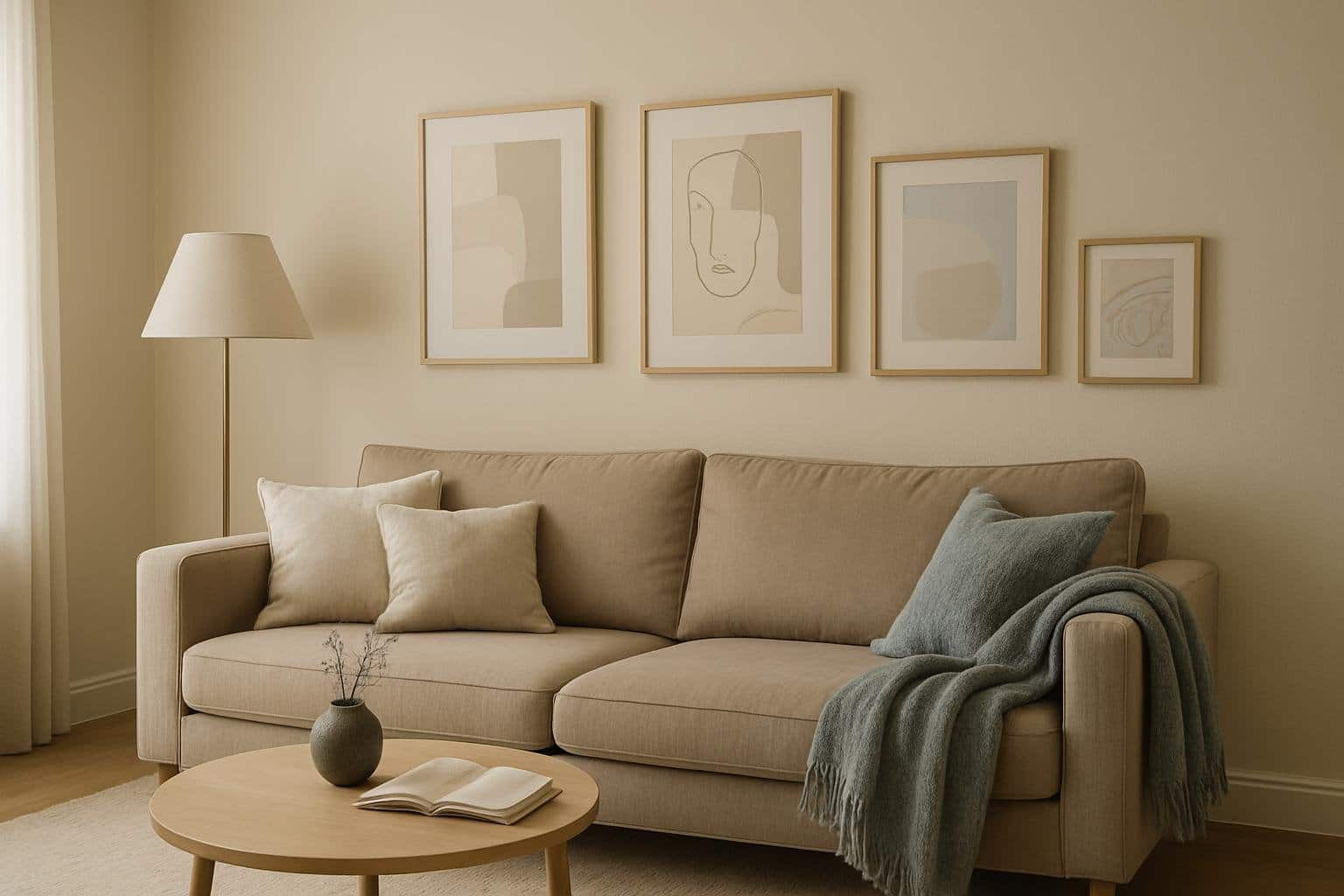
Let’s be honest for a second. Does your living room feel like it’s fighting against you? Maybe the sofa is too big, the light is weird, or it just feels… cluttered. You’re not alone. In 2026, more of us are squeezing life into smaller boxes than ever before. But here’s the good news: constraints actually spark creativity. That tiny corner isn’t a limitation; it’s an invitation to get clever.
We’ve all seen those perfect Instagram photos. The ones with the marble floors and the endless space. Those aren’t real life for most of us. Real life is renting. It’s weird angles. It’s trying to make one room do the job of three. This guide isn’t about buying expensive stuff you can’t take with you when you move. It’s about making where you live right now feel like home. Let’s dive in.
Know Your Space and Your Style
Before you buy a single cushion, you need to look at what you’ve got. Really look. Grab a tape measure. Write down the dimensions. Where are the outlets? Where does the light come from at 4 PM? This sounds boring, I know. But guessing is how you end up with a coffee table that blocks the walkway. In 2026, designers are pushing for "intentional layouts." That means every inch has a purpose. If you have intricate molding or high ceilings, don’t fight them. Work with them. HGTV suggests that if you have bold architectural features, you might want to keep art lower on the walls. Let the background breathe. It gives your eye a place to rest.
Next, figure out your vibe. Do you love clean lines and minimalism? Or do you want cozy textures and warm colors? There’s no wrong answer, but mixing them randomly leads to chaos. Take a moment to scroll through Houzz or Pinterest. Save images that make you stop. Look for patterns. Do you keep saving rooms with green plants and wood tones? That’s a clue. Decorilla notes that knowing your specific style helps guide the whole makeover. It stops you from buying that trendy neon chair that won’t match anything else. Keep it simple. Pick two or three words that describe your goal. Like "calm," "bright," and "functional." Stick to those.
Master the Layout for Multi-Use Living
Apartment living rooms rarely just sit there. They work hard. In the morning, it’s your office. At night, it’s your cinema. On weekends, it’s where friends eat pizza. Evyve Homes points out that flexibility is key because your space serves triple duty. Every piece of furniture needs to earn its keep. If a chair just sits there gathering dust, get rid of it. Think about zones. You don’t need walls to create separate areas. A rug can define the seating area. A bookshelf can act as a divider between your desk and your TV spot.
Traffic flow matters more in small spaces. Can you walk from the door to the kitchen without hitting your shin on the coffee table? If not, move it. Homes and Gardens emphasizes defining clear walkways. Keep the main paths open. Try floating furniture away from the walls. It sounds counterintuitive in a small room, but pulling the sofa out even six inches can make the room feel larger. It creates depth. Also, consider vertical space. If floor space is tight, go up. Tall shelves draw the eye upward and provide storage without eating up square footage.
Budget-Friendly Updates That Pack a Punch
You don’t need a massive bank account to change the feel of a room. In fact, some of the best transformations happen on tight budgets. Artevohome highlights that you can transform any space regardless of cost. Start with paint. It’s the cheapest way to make a huge impact. If you’re renting, check if your landlord allows accent walls. If not, peel-and-stick wallpaper has come a long way. It’s easy to apply and even easier to remove. Choose a color that reflects light if the room is dark. Soft whites, pale greens, or warm greys work wonders.
Lighting is another game-changer. Most apartments come with one harsh overhead light. Hate it. Turn it off. Use lamps instead. Layer your lighting. Have a floor lamp for reading, a table lamp for ambiance, and maybe some LED strips behind the TV for movie nights. Warm bulbs (around 2700K) make everything feel cozier. Swap out hardware on cabinets if you can. Change the switch plates. These tiny details add up. They make the space feel curated, not just occupied. And don’t forget mirrors. A well-placed mirror bounces light around and doubles the visual space. It’s an old trick, but it works every time.
Smart Storage Solutions for Clutter-Free Zones
Clutter is the enemy of small spaces. Remodel Gang says that constraints inspire ingenious solutions, and storage is where you need to be smartest. Look for furniture that does double duty. An ottoman with storage inside. A coffee table with drawers. A bed with lift-up storage if your living room doubles as a bedroom. The goal is to hide the visual noise. Cables, remotes, magazines—they all need a home. If they’re out in the open, the room feels smaller.
Use vertical storage aggressively. Floating shelves are great because they don’t have legs taking up floor space. Baskets are your friend. Woven baskets look nice and can hold blankets, toys, or tech gear. Label them if it helps you stay organized. Decorangle mentions that transforming your space means maximizing function. Don’t just decorate; organize. Think about what you use daily versus what you use once a month. Keep daily items accessible. Store seasonal stuff up high or under furniture. A tidy room feels bigger. It feels calmer. And honestly, it just makes life easier.
Choosing Furniture That Fits and Flows
Buying furniture for an apartment is tricky. Standard sizes often don’t fit. Look for "apartment-sized" pieces. These are scaled down but still comfortable. A loveseat instead of a full sofa. Armless chairs that slip under tables. Legs matter too. Furniture with raised legs lets you see the floor underneath. This creates a sense of airiness. Bulky, boxy furniture swallows up space. Go for sleek profiles. Glass or acrylic tables also help because they’re visually light. You can see through them.
Mix heights and textures. If everything is low and flat, the room feels monotonous. Add a tall plant. Hang a pendant light. Use a mix of materials like wood, metal, and fabric. This adds interest without adding clutter. Apartment Therapy suggests that creating a happy home starts with loving what’s in it. So, don’t just buy what’s trending. Buy what fits your life. If you have cats, avoid delicate fabrics. If you host dinners, make sure there’s extra seating that’s easy to pull out. Function first, style second. But ideally, both.
Once the big stuff is in place, it’s time for the soul of the room. This is where you make it yours. Art doesn’t have to be expensive. Print posters from local artists. Frame postcards. Use washi tape to create gallery walls if you can’t use nails. HGTV recommends aiming low with art if you have bold wall colors. Let the walls speak, but give the eye a resting point. Plants are essential. They bring life into sterile spaces. Snake plants and pothos are hard to kill and look great.
Textiles soften the hard edges of apartment living. Throw pillows, rugs, curtains—they add warmth and sound absorption. Apartments can be echoey. Rugs help with that. Layer rugs for texture. Mix patterns carefully. Stick to a color palette so it doesn’t look messy. Finally, scent matters. A candle or a diffuser can change how a room feels instantly. It’s the invisible decor. Take your time with this stage. Live in the space for a week. See what’s missing. Maybe it needs a brighter lamp. Maybe it needs less stuff. Listen to the room.
Transforming your apartment living room isn’t about perfection. It’s about progress. It’s about making a space that supports your life in 2026. Whether you’re working with a shoestring budget or a bit more flexibility, the principles remain the same. Measure well. Plan for multi-use. Store smartly. Choose wisely. And add those personal touches that make you smile when you walk in the door.
Don’t rush it. Good design takes time. It evolves. Start with one corner. Then move to the next. Before you know it, you’ll have a living room that doesn’t just look good—it feels good. And isn’t that what home is supposed to be? A place where you can breathe. A place that fits you. So go ahead. Move that sofa. Paint that wall. Make it yours.