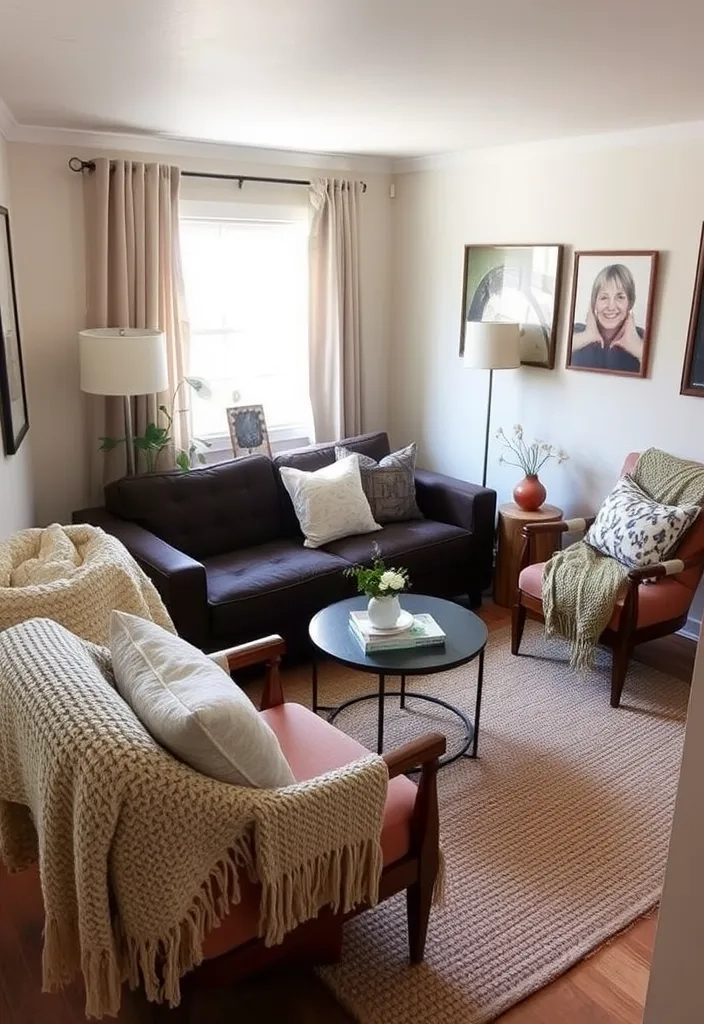
Ever walked into a room that felt like it was closing in on you? You know the feeling. The walls seem to lean, the ceiling dips, and every piece of furniture feels like an intruder. It’s not just about square footage. It’s about proportion. When we try to cram standard-sized life into a micro-apartment or a tiny home, things get awkward fast. But what if the solution isn’t buying less, but buying smarter? What if the secret lies in shrinking the objects themselves, not just their quantity?
In 2026, living small isn’t a compromise anymore. It’s a choice. And a stylish one at that. From urban dens in Tokyo to converted vans in Portland, people are realizing that "compact" doesn’t have to mean "cramped." The key is understanding scale. It’s a delicate dance between function and form. We’re going to dive deep into how you can master this art. No magic tricks. Just smart design, clever engineering, and a shift in perspective. Let’s make your space breathe again.
Rethinking Proportion and Visual Weight
Most of us grow up with furniture designed for suburban homes. A standard sofa is often eight feet long. A dining table seats six. These pieces are giants in a studio apartment. They dominate the visual field. When a piece of furniture is too large, it creates visual clutter. Your eye has nowhere to rest. The room feels chaotic, even if it’s tidy. Scaling down isn’t just about making things smaller; it’s about reducing their visual weight.
Visual weight is how heavy an object looks, not how much it weighs. A dark, bulky leather armchair has high visual weight. A leggy, light-colored chair has low visual weight. By choosing pieces with exposed legs, open backs, or transparent materials, you let light pass through. This creates a sense of airiness. In 2026, designers are pushing this further. We’re seeing more "floating" furniture—shelves and desks that attach to walls without visible supports. It tricks the brain into perceiving more floor space.
Consider the coffee table. Instead of a solid block of wood, opt for a nesting set or a glass-topped option. These choices reduce the barrier between you and the rest of the room. They don’t block sightlines. This is crucial in small spaces. You want to see as far as possible. When your eye can travel across the room without hitting a solid wall of furniture, the space feels twice as big. It’s a simple psychological hack that works every time.
The Magic of Multi-Functional Pieces
If you only have room for one piece of furniture, it better do three jobs. That’s the mantra of compact living. But here’s the catch: multi-functional doesn’t mean clunky. Old-school sleeper sofas were notorious for being uncomfortable as both seats and beds. Today’s technology has changed the game. In 2026, we have mechanisms that are smooth, durable, and sleek. The goal is seamless transformation.
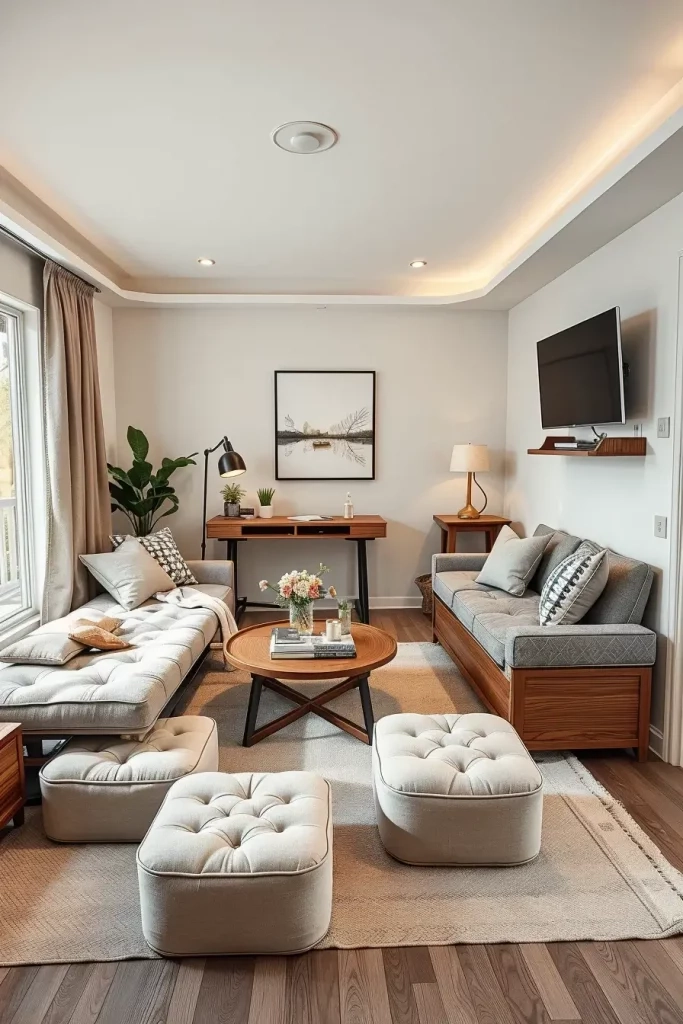
Think beyond the sofa bed. Consider an ottoman that opens up for storage and doubles as a footrest or extra seating. Look for drop-leaf tables that expand from a console against the wall to a full dining surface for four. These pieces adapt to your life, not the other way around. When you’re working from home, your desk might be your dining table. When guests arrive, your living room becomes a guest bedroom. Flexibility is freedom.
However, beware of over-engineering. Some furniture tries to do so much that it does nothing well. A bed that folds into a cabinet is great, but if it takes ten minutes to set up, you won’t use it. The best scaled-down furniture is intuitive. It should take seconds to convert. Test the mechanisms before you buy. If it feels stiff or complicated, walk away. Simplicity is the ultimate sophistication in small spaces.
Verticality and the Unused Third Dimension
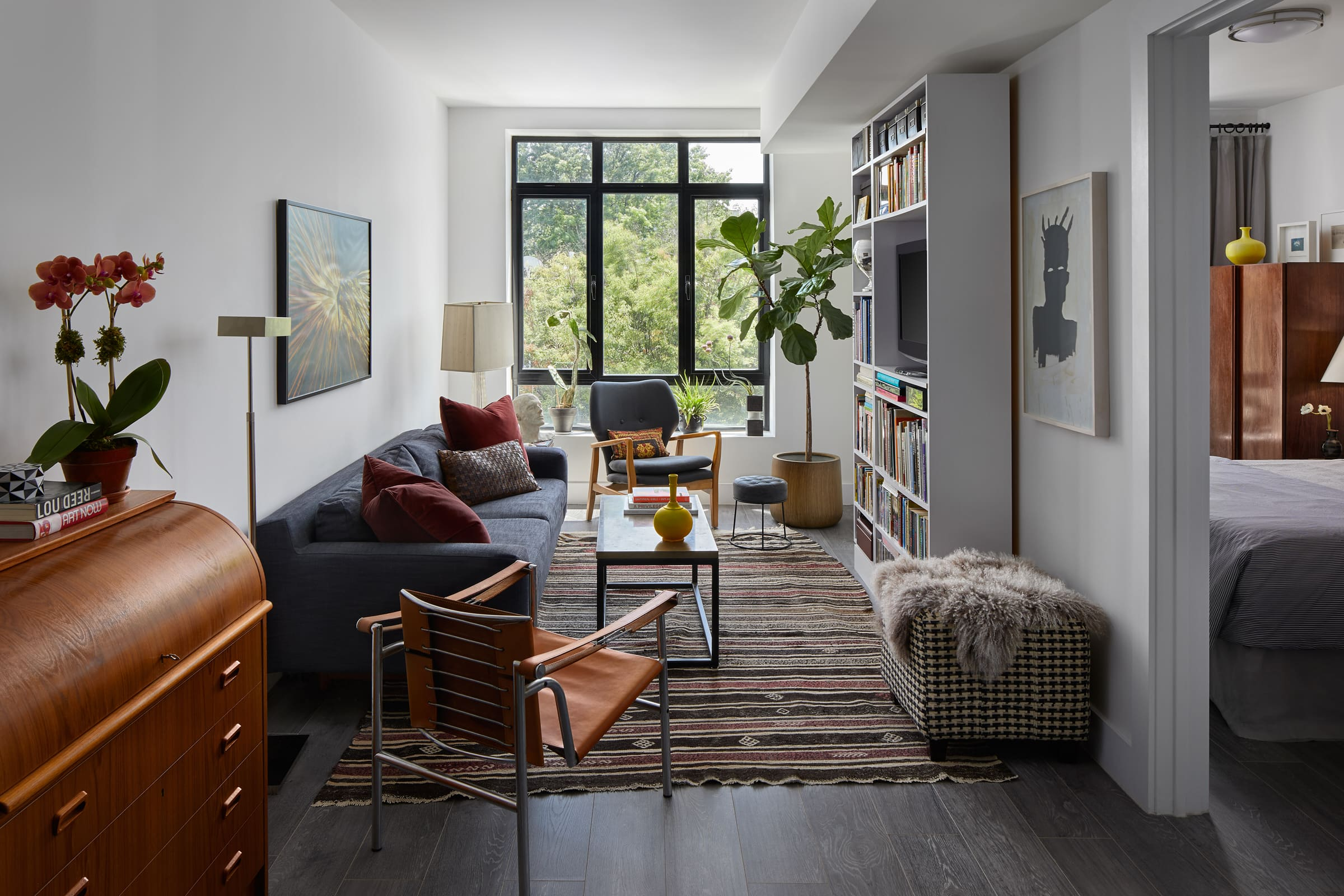
We often focus on floor space, but walls are free real estate. In a compact home, going vertical is non-negotiable. Floor-to-ceiling shelving draws the eye upward, making ceilings feel higher. It also provides massive storage without eating up precious square footage. But don’t just stack boxes. Curate your shelves. Mix books with plants and art. Keep the bottom shelves heavier and the top ones lighter to maintain balance.
Hanging elements are another trick. Pendant lights instead of floor lamps save corner space. Wall-mounted hooks replace coat racks. Even your TV can disappear into a cabinet or mount flush against the wall. The goal is to keep the floor clear. Every item on the floor competes for space. Every item on the wall adds depth. In 2026, modular wall systems are huge. They allow you to reconfigure your storage as your needs change.
Don’t forget the space above doors and windows. These are often overlooked nooks perfect for shallow shelving. You can store rarely used items there. Or display lightweight decor. Just ensure the shelves are secure. Safety matters. Also, consider tall, narrow bookcases instead of wide, short ones. They occupy less floor area but offer similar storage volume. It’s about efficiency.
Material Choices and Transparency
What your furniture is made of matters as much as its size. Heavy materials like dark oak or thick upholstery can weigh down a room. Lighter woods like ash, birch, or bamboo feel airier. They reflect more light. Metal frames, especially in thin profiles, add structure without bulk. In recent years, we’ve seen a surge in sustainable, lightweight composites that are strong yet visually unobtrusive.
Transparency is your best friend. Acrylic or glass chairs seem to vanish when not in use. They don’t block views. A glass coffee table keeps the sightline open to the rug below, adding texture without obstruction. Mirrors are also powerful. A mirrored cabinet door doubles as a mirror and expands the perceived space. But use them strategically. Too many mirrors can feel disorienting.
Texture plays a role too. Smooth surfaces reflect light, while rough textures absorb it. In a small, dark room, glossy finishes can help bounce light around. But don’t make everything shiny. Mix matte and gloss to create interest. Fabric choices matter as well. Light-colored, tight-weave fabrics feel less imposing than dark, plush velvets. You want comfort, but you also want visual lightness. It’s a balancing act.
Color Psychology and Spatial Perception
Color isn’t just aesthetic; it’s spatial. Light colors recede, making walls feel further away. Dark colors advance, making them feel closer. This is basic physics, but it’s powerful. Painting walls, trim, and even ceilings the same light color creates a seamless envelope. It blurs the boundaries of the room. In 2026, monochromatic schemes are trending for small spaces. They create a calm, unified backdrop.
But you don’t have to live in a white box. Accents add personality. Use color in movable items like cushions, rugs, or art. This allows you to change the vibe without repainting. Bold colors work best in small doses. A bright yellow chair pops against a neutral background. It becomes a focal point. Without a focal point, the eye wanders restlessly. Give it somewhere to land.
Also, consider the flow of color from room to room. In an open-plan studio, consistent flooring and wall colors help define zones without physical barriers. Rugs can anchor different areas. A dining rug separates the eating zone from the living zone. It’s a subtle cue. Your brain understands the distinction without needing a wall. It’s about creating order out of potential chaos.
Even with the best intentions, it’s easy to mess up. One common mistake is buying a suite. Matching sets look coordinated, but they often lack flexibility. A sofa, loveseat, and chair from the same line might not fit your specific layout. Mix and match. Choose pieces that complement each other in style or color but differ in shape. This creates a curated, collected look. It feels more personal.
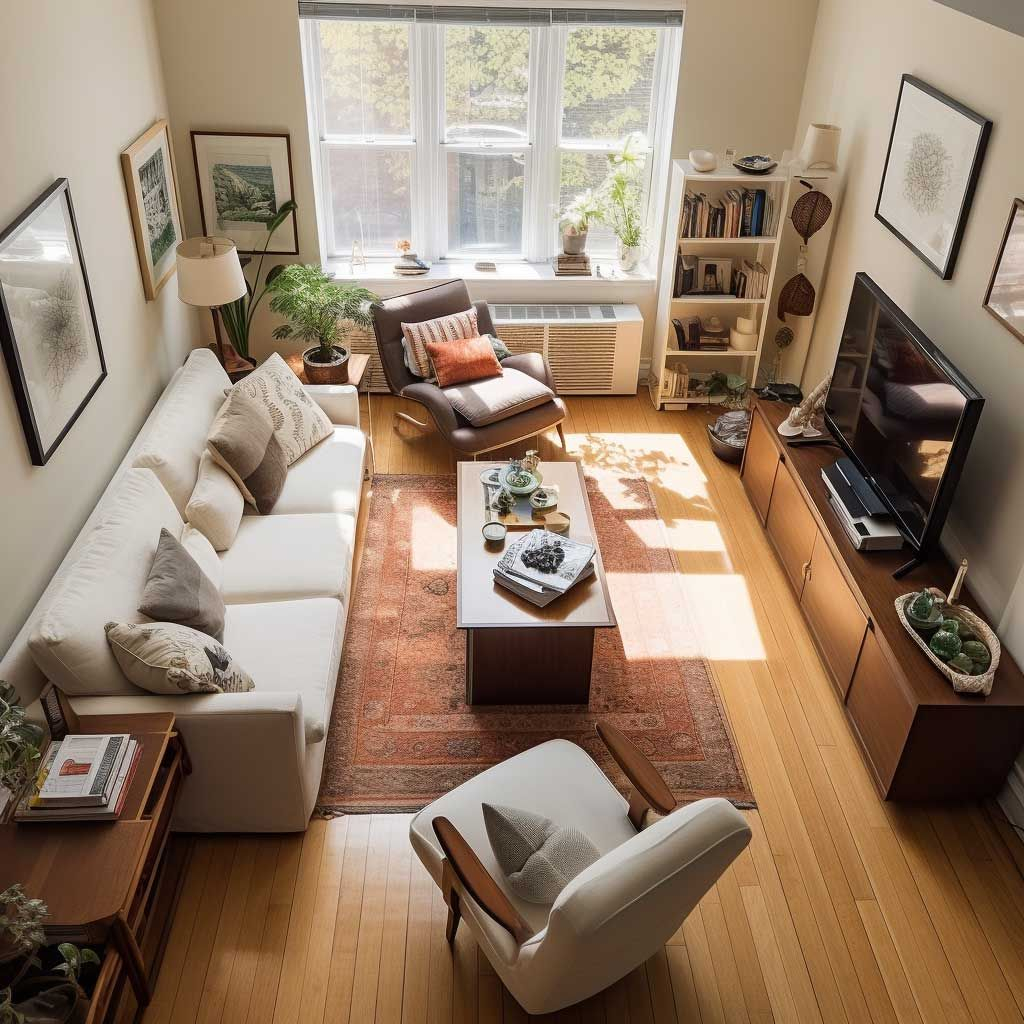
Another error is ignoring scale in accessories. Large art on a small wall overwhelms it. Tiny rugs in a large room look like islands. Scale everything to the space. In a small room, one large piece of art is better than ten small ones. It creates a single focal point. Similarly, choose rugs that fit under the front legs of all seating furniture. This anchors the group.
Finally, don’t forget lighting. Overhead lighting alone creates harsh shadows and makes corners feel dark. Layer your light. Use task lighting for reading, ambient lighting for mood, and accent lighting for art. Floor lamps can be bulky, so opt for wall sconces or clip-on lights. Good lighting makes a small space feel warm and inviting, not just small. It’s the finishing touch that ties everything together. Sometimes we forget this part, leading to a flat, uninspiring room.
Living small is an art form. It requires intention. Every object must earn its place. But the reward is a space that feels uniquely yours. It’s cozy, efficient, and beautiful. By scaling down your furniture, you’re not sacrificing comfort. You’re enhancing it. You’re creating a home that supports your life, not one that burdens it. So take a look around. What can shrink? What can lift? What can disappear? The answers might surprise you. Start small. Literally.