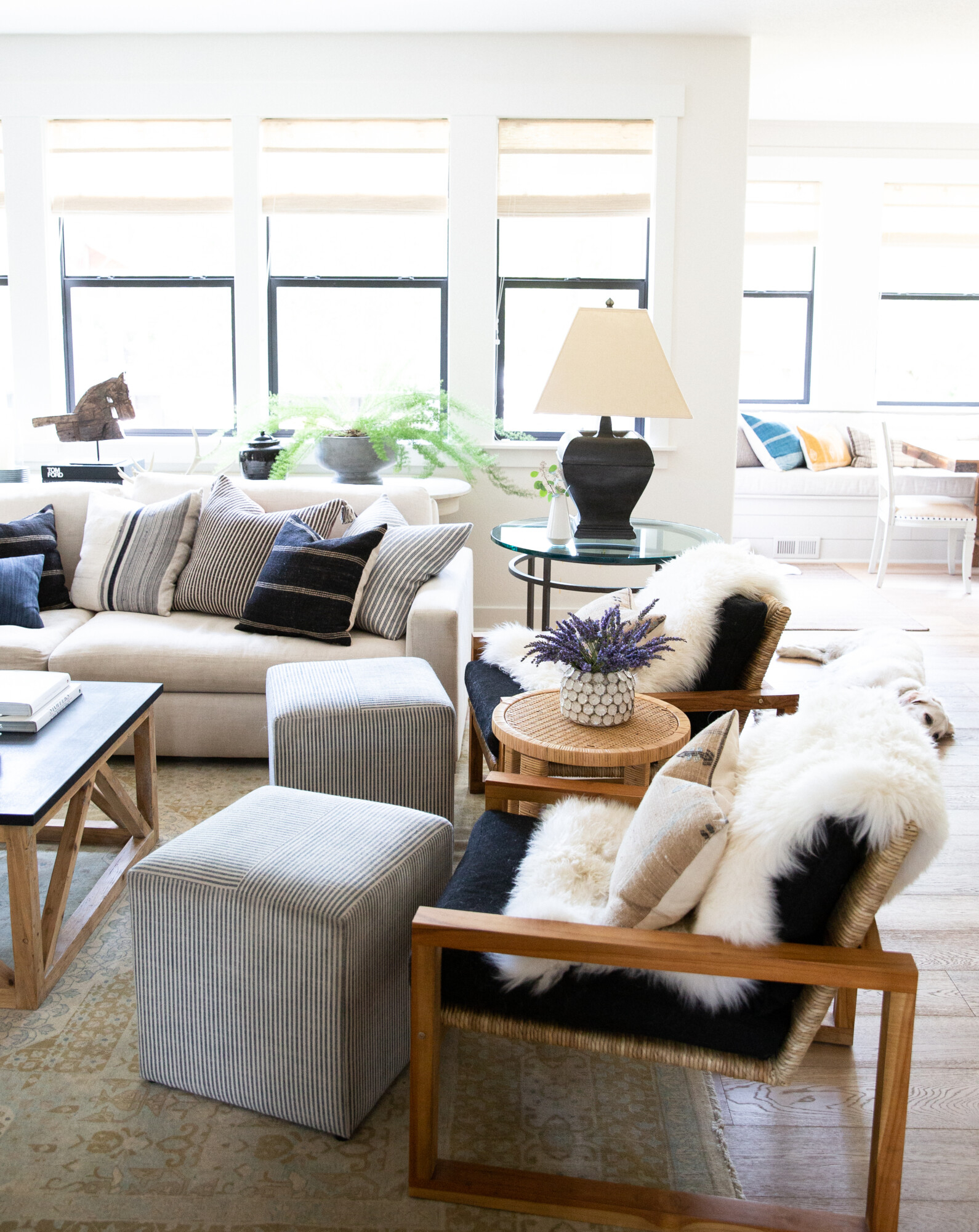
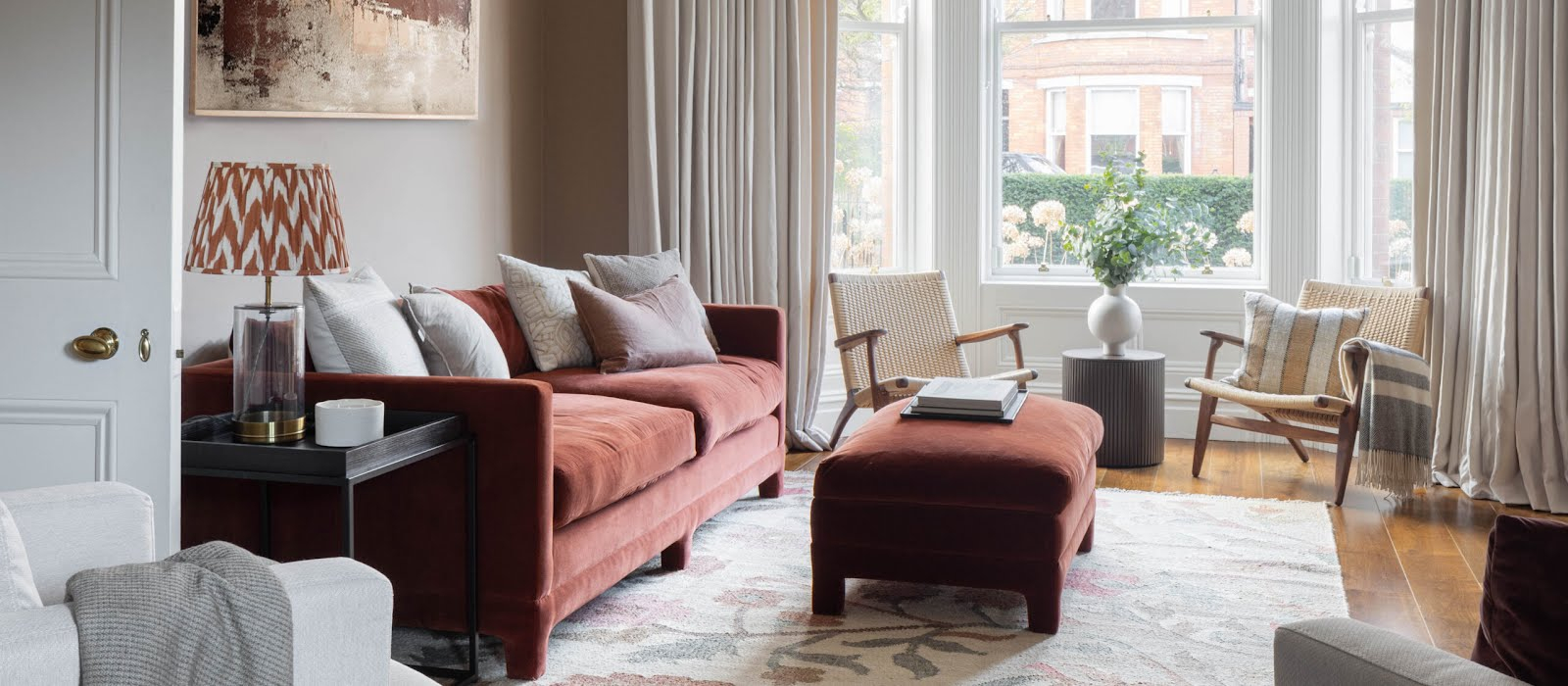
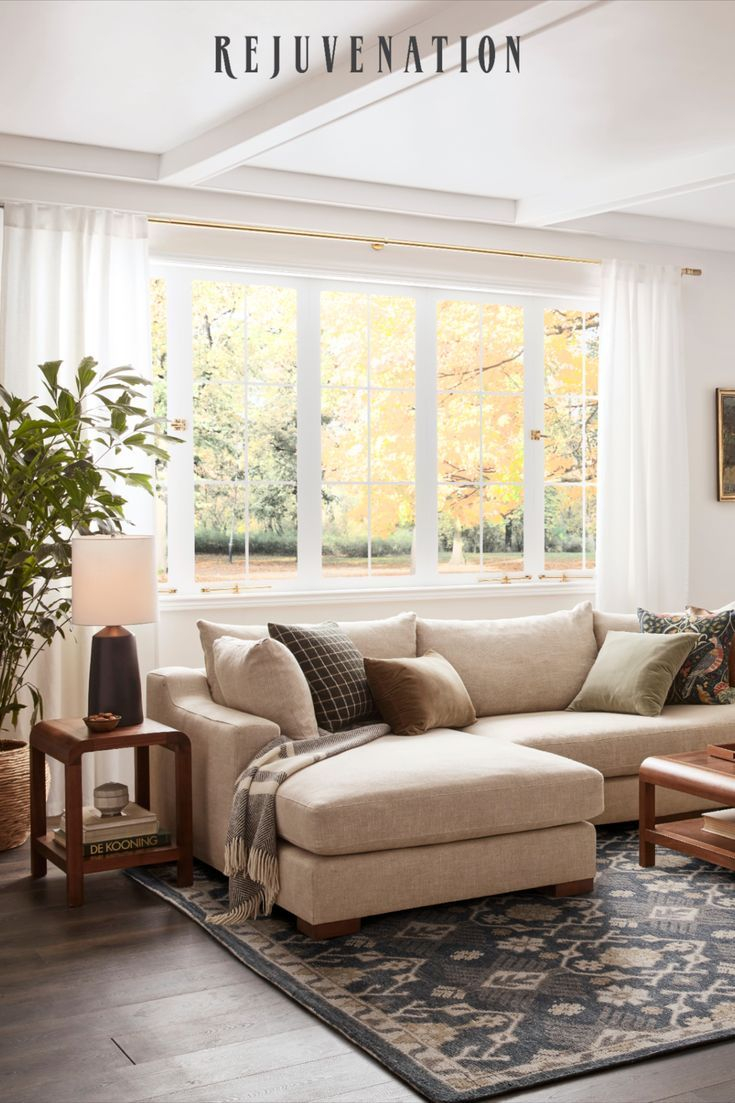
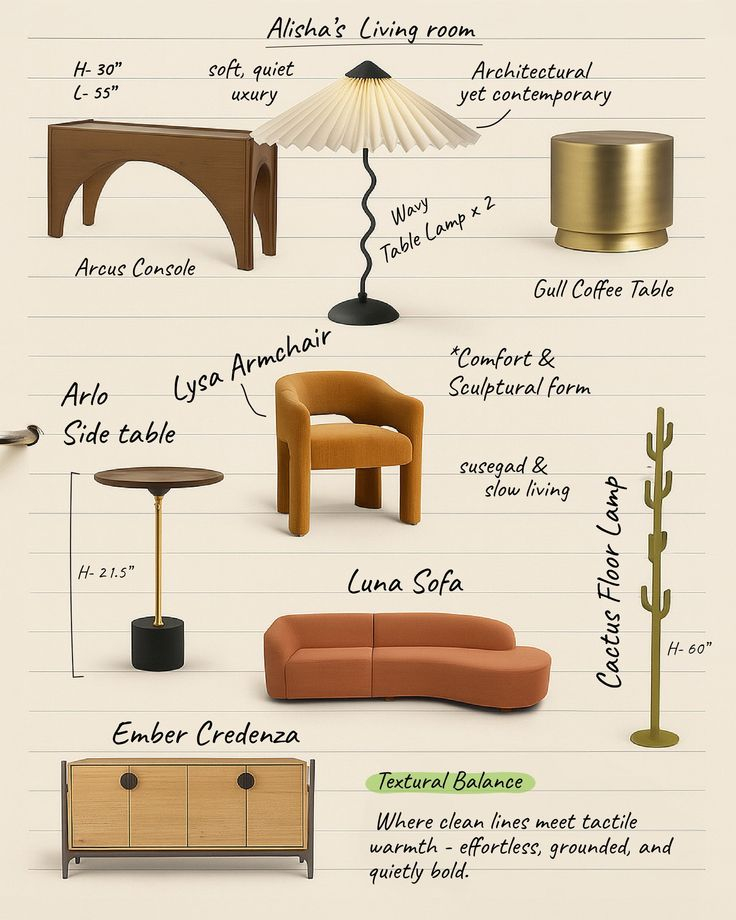
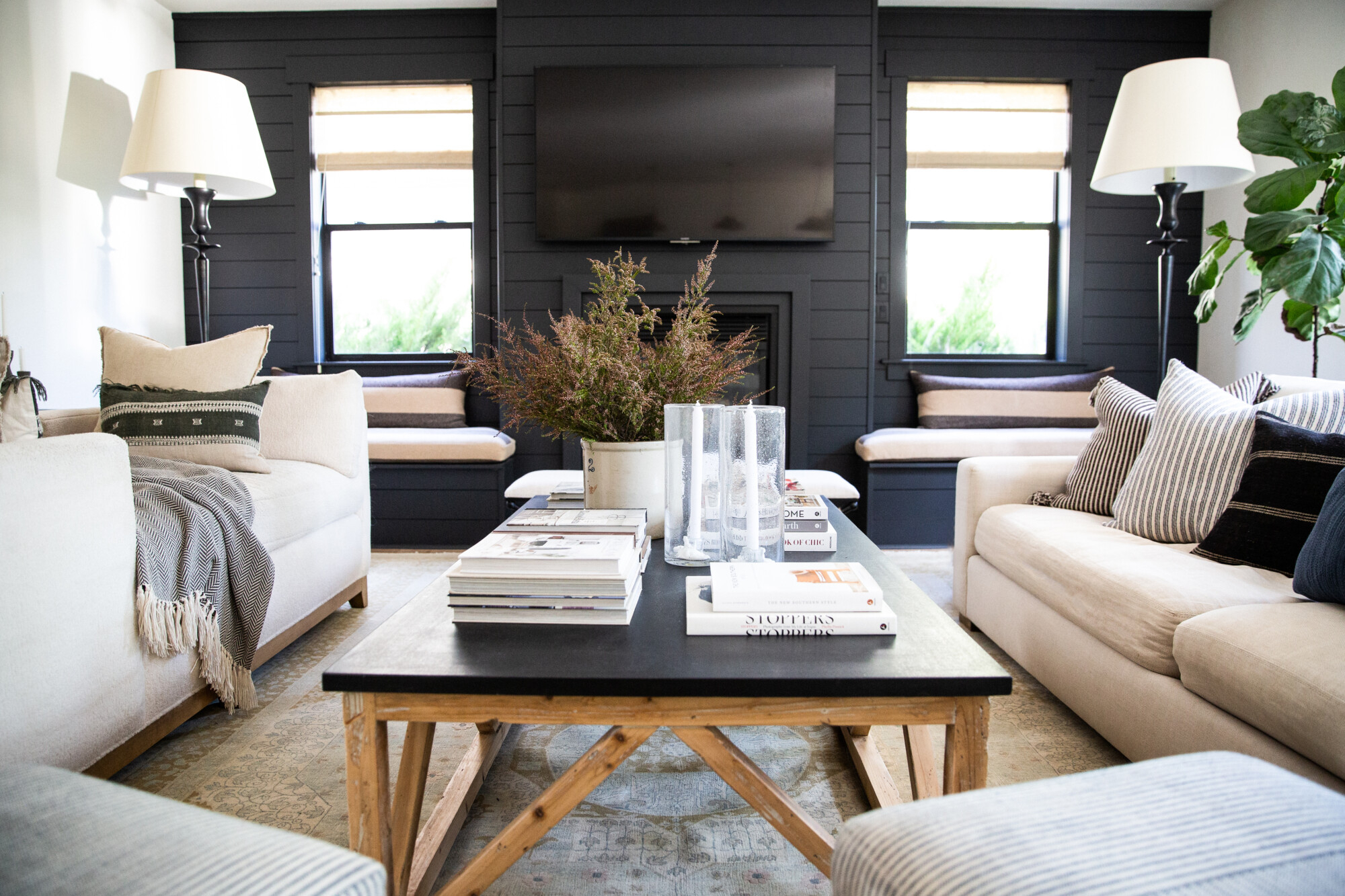
You walk into a room that’s supposed to be cozy yet edgy. Instead, it feels cold. Or maybe it’s just… messy. Like someone dumped a barn and a factory floor into the same box and hoped for the best. We’ve all seen it. That awkward clash where reclaimed wood fights with chrome pipes, and neither wins. It’s not that the styles don’t work together. They do. Beautifully, actually. But getting that balance right? That’s the tricky part.
In 2026, the love affair between rustic warmth and industrial grit isn’t going anywhere. If anything, it’s evolving. People want homes that feel lived-in but also sharp. Authentic but curated. Yet, so many of us stumble at the starting line. We grab the shiniest metal fixture or the roughest beam without thinking about how they talk to each other. The result? A space that looks like a Pinterest board gone wrong. Let’s fix that. Here are the real mistakes people make when trying to blend these two powerful aesthetics, and how you can avoid them to create a home that truly sings.
Overloading on One Material
It’s easy to fall in love with a specific texture. Maybe you found an incredible batch of reclaimed oak flooring. Or perhaps you’re obsessed with exposed brick. So, you go all in. Walls, ceilings, furniture—all wood. Or all brick. And then you throw in some steel accents as an afterthought. This is mistake number one. When you over-rely on a single material, you lose the contrast that makes this style work.
Rustic industrial design is built on tension. It’s the softness of aged wood against the hardness of cold metal. It’s the organic irregularity of stone next to the precise lines of iron. If your room is 90% wood, it’s just rustic. If it’s 90% metal and concrete, it’s purely industrial. You need both. Try to aim for a visual balance. If you have heavy wooden beams, counter them with sleek metal light fixtures. If you have a concrete floor, warm it up with a plush, textured rug and wooden furniture legs. Don’t let one element dominate the conversation.
Think of it like a recipe. Salt is great, but a spoonful of salt isn’t a meal. You need the other ingredients to make it palatable. In 2026, designers are seeing a shift towards more nuanced material palettes. It’s not just wood and metal anymore. It’s about adding leather, linen, and even glass to break up the monotony. The key is variety. Mix the rough with the smooth. The matte with the glossy. Keep the eye moving. If everything feels the same, the space falls flat.
Mixing Too Many Metal Finishes
Here’s a quick quiz: How many different metal finishes can you spot in your living room right now? If the answer is more than three, you might have a problem. Chrome, brass, copper, black iron, brushed nickel, oil-rubbed bronze… it’s a lot. When you mix too many metal types, the room starts to look cluttered and unintentional. It screams "I bought whatever was on sale" rather than "I curated this look."
The trick is to pick a primary metal finish and stick to it for your major pieces. In rustic industrial design, matte black iron and aged brass are the current favorites for 2026. They offer that perfect blend of ruggedness and warmth. Choose one as your anchor. Let’s say you go with matte black for your lighting, window frames, and table legs. Then, you can introduce a secondary metal, like brushed brass, for smaller accents—drawer pulls, picture frames, or vase details. This creates hierarchy. It gives the eye a place to rest.
Avoid mixing shiny chrome with distressed copper unless you’re a pro who knows exactly how to balance reflectivity and patina. Most of us aren’t. Stick to muted, matte, or satin finishes. They tend to play nicer together. And remember, consistency is key. If your kitchen faucet is brushed nickel, don’t put a chrome towel rack next to it. It creates visual noise. Keep it simple. Two metals max for most rooms. Three if you’re feeling brave and have a large space. But always ask yourself: does this new piece fit the family, or is it an outsider?
Ignoring the Walls and Floors
We get so focused on furniture and decor that we forget the canvas. The walls and floors. You can buy the most beautiful vintage industrial cart and pair it with a stunning rustic dining table, but if they’re sitting on beige carpet and surrounded by plain white drywall, the vibe is off. It’s like wearing a tuxedo with flip-flops. The foundation matters.
Updating your walls and floors doesn’t mean you need to knock down the house. Sometimes, it’s about texture. Paint can do wonders. A deep charcoal or a warm greige can add depth that white walls lack. Consider accent walls with shiplap or even faux brick panels if real masonry isn’t in the budget. For floors, if you’re stuck with carpet, layer it. Use large area rugs with natural fibers like jute or wool. They add that rustic touch underfoot while protecting the industrial edge of your furniture.
In 2026, we’re seeing a rise in sustainable flooring options that mimic the look of reclaimed wood or polished concrete without the high cost or environmental impact. Luxury vinyl plank (LVP) has come a long way. It can look incredibly realistic. Don’t skip this step. The background sets the stage. If the stage is bland, the actors (your furniture) have to work twice as hard. Give them a helping hand. Treat your walls and floors as active participants in the design, not just empty space.
Forgetting Scale and Proportion
Have you ever walked into a room and felt cramped, even though there wasn’t much furniture? Or maybe it felt cavernous and empty? That’s a scale issue. Rustic pieces tend to be bulky. Think heavy timber tables, oversized armchairs, and thick rugs. Industrial elements can be slender but tall, like pipe shelving or pendant lights. When you mix them, you have to mind the proportions.
A common mistake is putting a massive, chunky rustic sofa in a small room with low ceilings. It swallows the space. Conversely, placing delicate, thin-legged industrial chairs around a huge, solid wood farm table can look like they’re about to collapse. It’s visually unstable. You need to balance weight. If you have a heavy piece on one side of the room, balance it with something substantial on the other. Not necessarily identical, but equal in visual weight.
Measure your space. Seriously. Before you buy that giant armoire, check the dimensions. Leave breathing room. Furniture needs space to exist. In 2026, open-concept living is still popular, which means your furniture needs to define zones without blocking flow. Use rugs to anchor seating areas. Hang lights at the right height. Pendant lights over a dining table should hang about 30-36 inches above the surface. Get this wrong, and the whole room feels awkward. Proportion is the silent guardian of good design. Ignore it, and chaos ensues.
Neglecting Personal Touches
Industrial design can feel cold. Rustic can feel dated. When you combine them, there’s a risk of creating a space that looks like a showroom catalog. Perfect, but soulless. Where are you in this room? A home isn’t a museum. It’s where you live. It should tell your story. Yet, so many people stop at the big pieces. They buy the table, the lights, the rug, and call it done. But it feels empty.
Personal touches are what bridge the gap between "styled" and "lived-in." Display your grandmother’s vintage tools on a shelf. Hang photos in mismatched frames. Put a stack of your favorite books on the coffee table. These items add character and warmth. They soften the hard edges of metal and wood. In 2026, authenticity is king. People crave connection. Your home should reflect your interests, your travels, your history.
Don’t be afraid of imperfection. A chipped mug on display. A worn leather jacket draped over a chair. These things add life. Industrial rustic design thrives on history. So give your space some. Curate your collections. Don’t just buy decor; collect memories. This is what makes a house a home. Without these personal artifacts, you’re just arranging objects. With them, you’re creating a sanctuary. Make sure every corner has a little bit of your spirit in it.
Color ties everything together. Without a cohesive palette, your rustic and industrial elements will fight for attention. You might have a beautiful brown leather couch, a grey metal bookshelf, and a red brick wall. If you don’t have a unifying color scheme, it looks like a collision. Not a collaboration. The most common mistake here is using too many bold colors. Rustic industrial works best with neutrals.
Think earth tones. Browns, greys, creams, blacks, and whites. These colors allow the textures to shine. The wood grain, the metal patina, the fabric weave—these are your stars. Color should support them, not distract from them. In 2026, we’re seeing a move towards warmer neutrals. Cool greys are out; warm taupes and beiges are in. They complement the wood tones better and make the metal feel less harsh.
Pick a base color for your walls. Then choose two or three accent colors for textiles and accessories. Stick to them. If you want a pop of color, keep it small. A blue vase. A green plant. A yellow throw pillow. But keep the majority of the room neutral. This creates a calm backdrop where the rustic and industrial elements can harmonize. It’s like a orchestra. The neutrals are the strings, providing the foundation. The textures are the brass and percussion, adding interest. If everyone plays a different song, it’s noise. If they follow the same score, it’s music.
Getting the mix right takes patience. It’s not about buying the right things; it’s about arranging them with intention. Avoid these six mistakes, and you’ll be well on your way to a space that feels both grounded and elevated. Remember, design is a journey. Don’t rush it. Live in the space. Adjust as you go. And most importantly, make it yours. After all, the best design isn’t just about how it looks. It’s about how it makes you feel. And in 2026, that feeling should be comfort, style, and a touch of rugged charm.